Markets have a way of making geography feel very small very quickly, and few episodes this year have illustrated that quite as starkly as the wave of selling that swept across Asian trading floors on Friday, July 24, 2026, as a fast-escalating crisis in West Asia sent shockwaves through every major regional index within hours of markets opening. What began as a spike in crude oil prices thousands of kilometres away in the Gulf translated, almost in real time, into a synchronised sell-off stretching from Tokyo to Mumbai, a vivid demonstration of just how tightly interconnected — and how uniformly exposed to energy market shocks — Asia's major economies and equity markets have become.
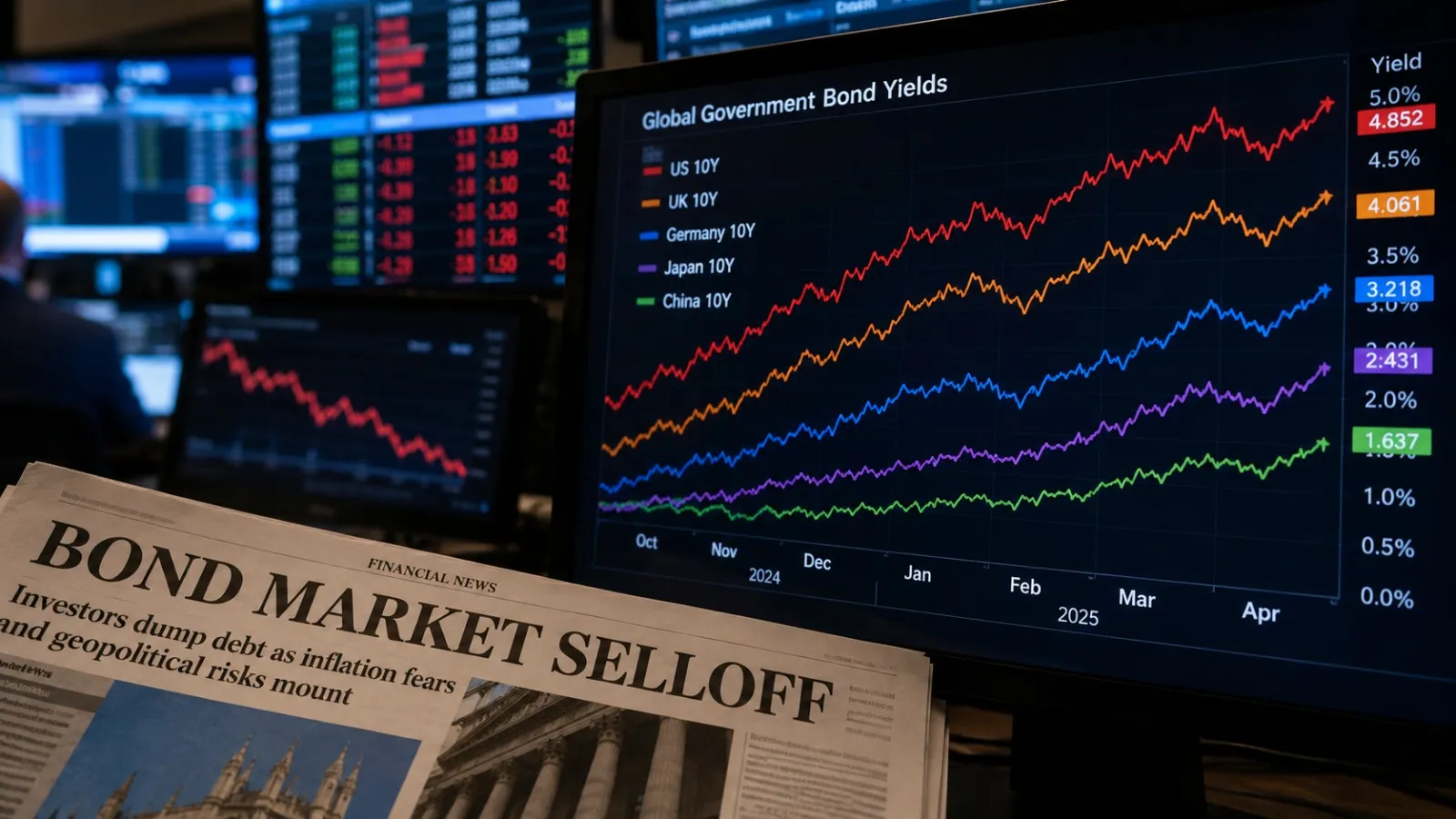
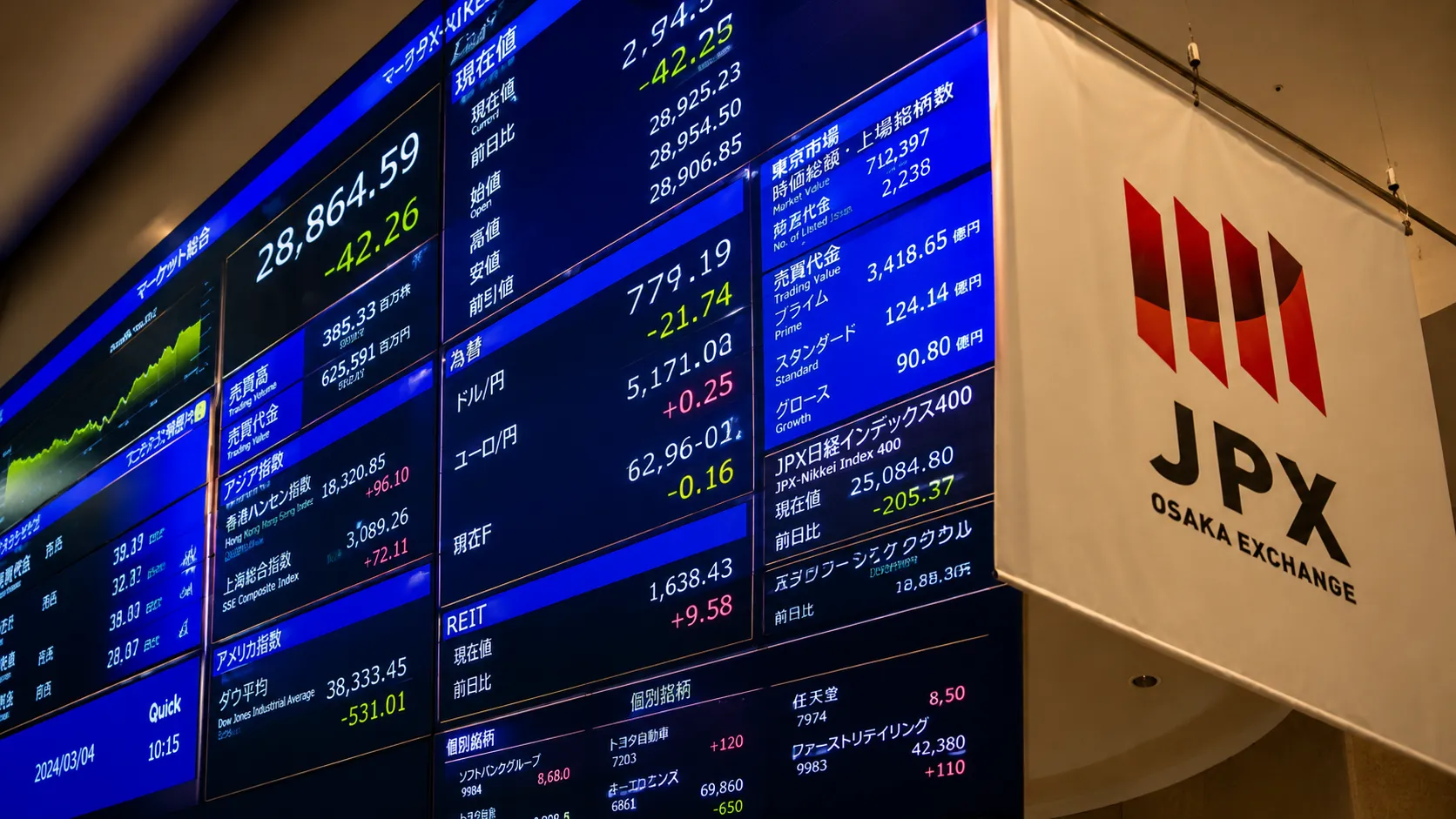
The scale of the regional damage was striking even by the standards of a year that has already seen its share of volatility. Japan's Nikkei 225 plunged 2,086.60 points, or 3.14 per cent, to trade at 64,336 — a fall steep enough to rank among the sharper single-session drawdowns the index has experienced in recent memory, and notably steeper than the declines registered by several other major regional benchmarks on the same day, underscoring how acutely exposed Japan's export-heavy, energy-import-dependent economy is to precisely this kind of external shock. Hong Kong's Hang Seng index slipped as well, part of a broader pattern across Asia-Pacific markets that opened the session on what one market report described simply as "a bearish note," with the tone set overnight on Wall Street, where US equities had already fallen sharply as Brent crude shot to its highest level since May amid intensifying concern over the trajectory of the West Asia conflict.
The proximate trigger for this synchronised regional sell-off traces back to escalating tensions between the United States and Iran, which have progressively worsened through the month and culminated, in the days immediately preceding this market rout, in developments serious enough to send Brent crude decisively above $90 a barrel — a level that, while not unprecedented in the context of the broader volatility oil markets have experienced through 2026, nonetheless represented a fresh, acute escalation that caught many market participants leaning the wrong way after a period of relative, if fragile, calm in energy prices earlier in the month. The specific fear animating traders across the region centred on the possibility of disruption to the Strait of Hormuz, the narrow and strategically vital waterway between Iran and the Arabian Peninsula through which a substantial share of the world's seaborne crude oil and liquefied natural gas trade passes daily — any credible threat to shipping traffic through that chokepoint tends to trigger an immediate, sharp repricing of energy risk premiums across global oil markets, given the sheer volume of supply that could be affected by even a partial or temporary disruption.
For Asian economies specifically, the transmission mechanism from a Middle East oil shock to domestic equity market weakness runs through channels that are, by now, well understood by market participants across the region, even if the speed and synchronisation with which those channels fired this particular week still managed to catch many traders off guard. Virtually every major Asian economy — Japan, South Korea, India, and much of Southeast Asia among them — is a substantial net importer of crude oil, meaning that a sustained spike in global oil prices directly worsens each country's trade balance, raises domestic inflation risk through higher fuel and energy costs, and squeezes corporate margins across energy-intensive sectors ranging from manufacturing and transportation to airlines and petrochemicals. When that combination of pressures hits simultaneously across multiple major regional economies, as it did this week, the result tends to be a broad-based, correlated sell-off across regional equity markets rather than an isolated decline in any single country's benchmark index — precisely the pattern observed on Friday.
India's own market experience this week, while serving as the immediate backdrop for domestic headlines, was in fact one node within this much larger regional story. The BSE Sensex crashed 683.2 points, or 0.89 per cent, at the opening bell on Friday to touch 75,708.19, while the Nifty 50 tumbled 203.25 points to open at 23,666.35, marking the fifth consecutive session of losses for India's benchmark indices and pushing the Sensex to its lowest level since June 12. Notably, India's decline, while significant in absolute terms and painful for domestic investors, was considerably milder in percentage terms than the roughly 3 per cent plunge registered by Japan's Nikkei on the same day — a divergence that reflects, among other factors, India's somewhat more diversified investor base, including a comparatively large and stable pool of domestic institutional and retail investment flows that has, through repeated bouts of market volatility this year, provided a partial cushion against the kind of outright capitulation seen in markets more heavily dominated by momentum-driven foreign institutional flows.
Japan's particularly sharp decline deserves closer examination, given how much steeper it was relative to regional peers on this particular trading day. Japan's economy carries a distinctive combination of vulnerabilities to exactly this kind of shock: it remains heavily dependent on imported energy, given its limited domestic natural resource base, while simultaneously running an export-oriented industrial economy whose competitiveness and corporate earnings are sensitive to currency movements that themselves tend to be affected by shifts in global risk sentiment and safe-haven capital flows during periods of geopolitical stress. The Bank of Japan's own delicate and closely watched policy normalisation process, unwinding decades of ultra-accommodative monetary policy, adds a further layer of sensitivity for Japanese markets to any development that might complicate the already difficult balancing act between supporting growth and managing inflation and currency stability — an oil price shock of the magnitude seen this week strikes directly at that balance, by simultaneously threatening to push imported inflation higher while raising broader questions about the health of global demand and risk appetite that Japanese exporters depend upon.
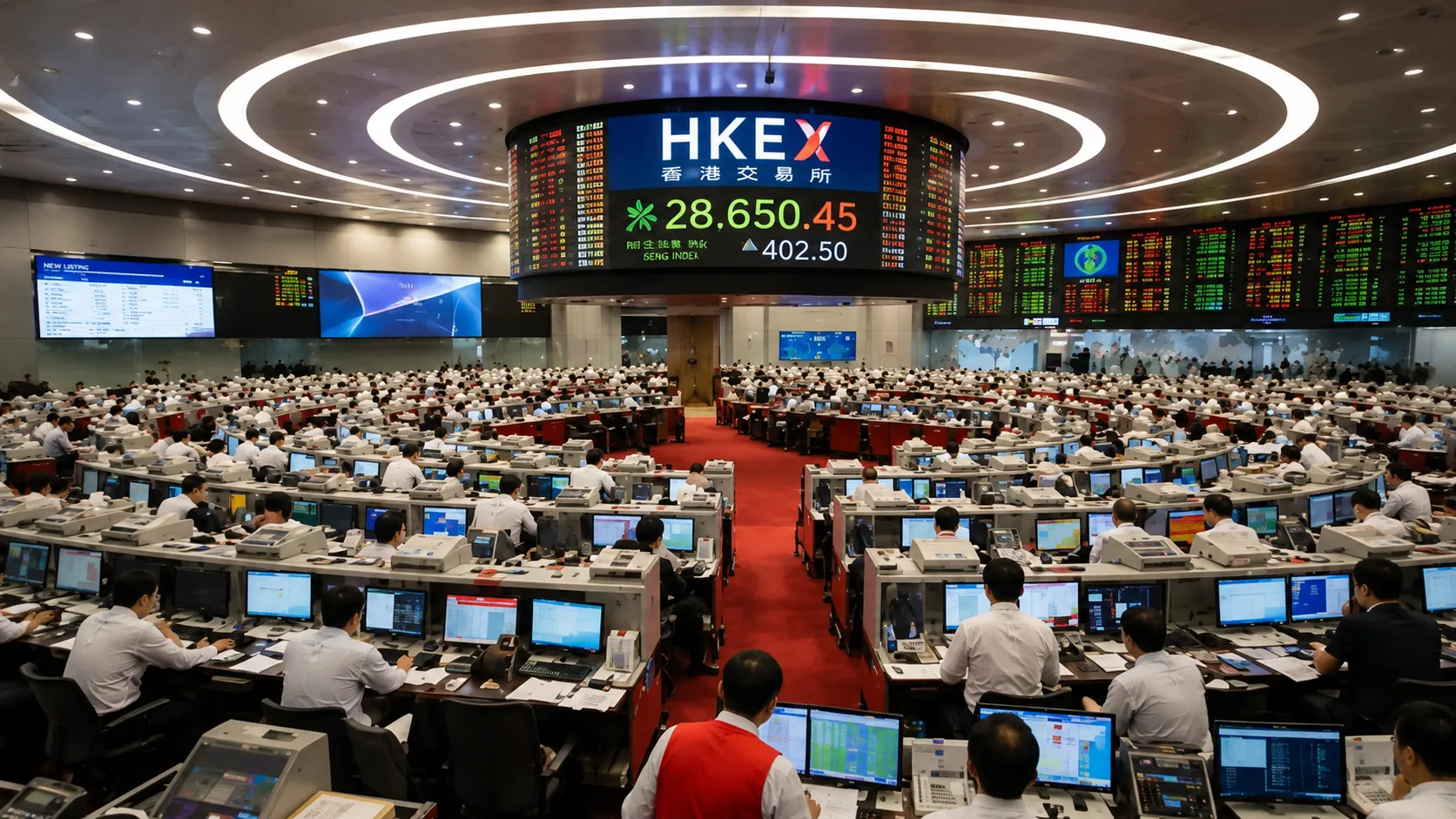
Hong Kong's market, meanwhile, reflects its own distinct set of sensitivities within this broader regional sell-off, shaped significantly by its role as a gateway for capital flows into and out of mainland China alongside its own direct exposure to global energy and shipping trade given the city's historic role as a major regional trade and logistics hub. Broader Chinese economic concerns, layered on top of the immediate crude oil shock, have contributed to a generally cautious mood across Hong Kong and mainland-linked equity markets through much of 2026, meaning this week's oil-driven selling arrived on top of an already somewhat fragile sentiment backdrop for Hong Kong-listed equities specifically.