Britain’s Political Turmoil Is Sending Shockwaves Through Global Markets
For decades, the United Kingdom has been viewed as one of the world’s most stable financial centers — a country where political transitions, economic policy, and investor confidence generally moved in predictable rhythm. But recent political uncertainty in Britain is beginning to challenge that reputation, and global markets are paying close attention.
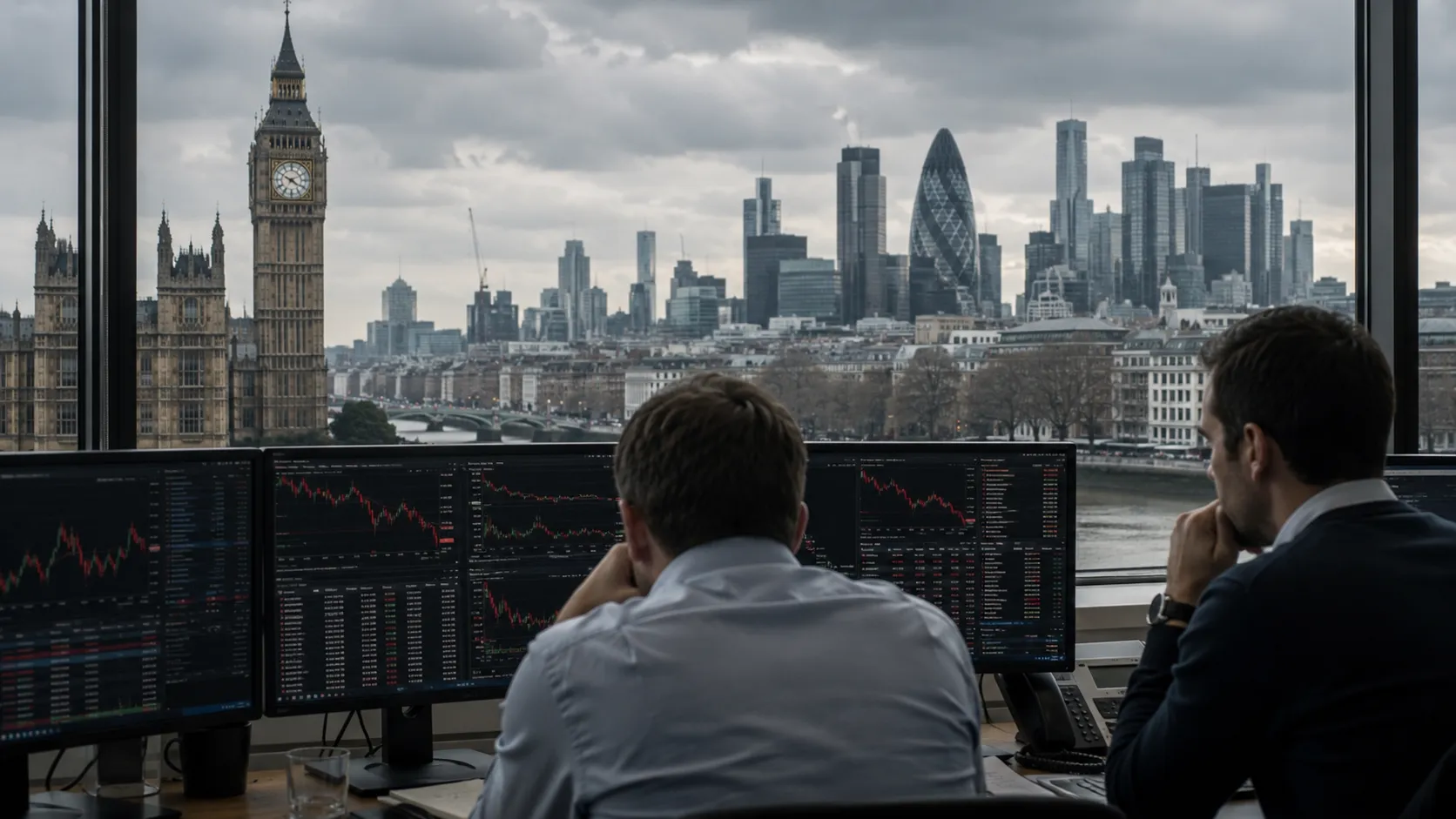
Across London’s financial district, investors are watching the pound fluctuate sharply while borrowing costs continue to climb. The atmosphere feels increasingly tense as traders, economists, and international businesses attempt to understand what prolonged instability could mean for the future of the UK economy.
At the heart of the concern is confidence.
Financial markets dislike uncertainty more than almost anything else. When governments appear divided, policies become unclear, or leadership changes happen too frequently, investors begin to question whether long-term economic decisions can remain stable. That hesitation often spreads quickly — from currency markets to stock exchanges and eventually into everyday life through rising prices, slower investment, and weaker growth.
The British pound has become one of the clearest symbols of that anxiety. Even small political developments now trigger immediate reactions in currency trading. Analysts say the pound’s volatility reflects fears that investors are becoming cautious about Britain’s economic direction at a time when global markets are already fragile.
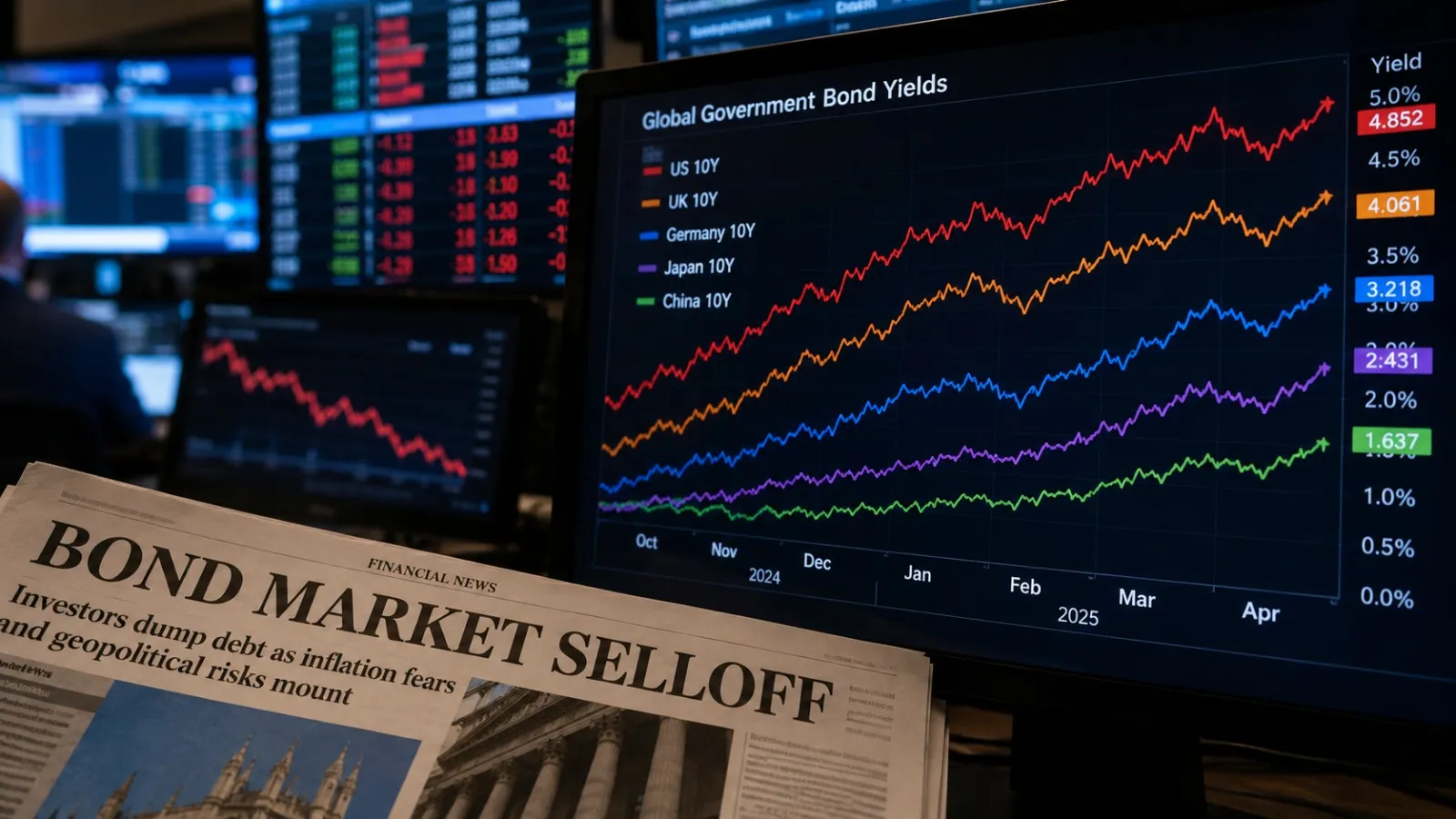
Meanwhile, government borrowing costs have also moved higher. When investors demand greater returns to lend money to a government, it signals rising concern about financial risk. Higher borrowing costs can eventually affect public spending, mortgage rates, and business investment, placing additional pressure on households already struggling with inflation and economic uncertainty.
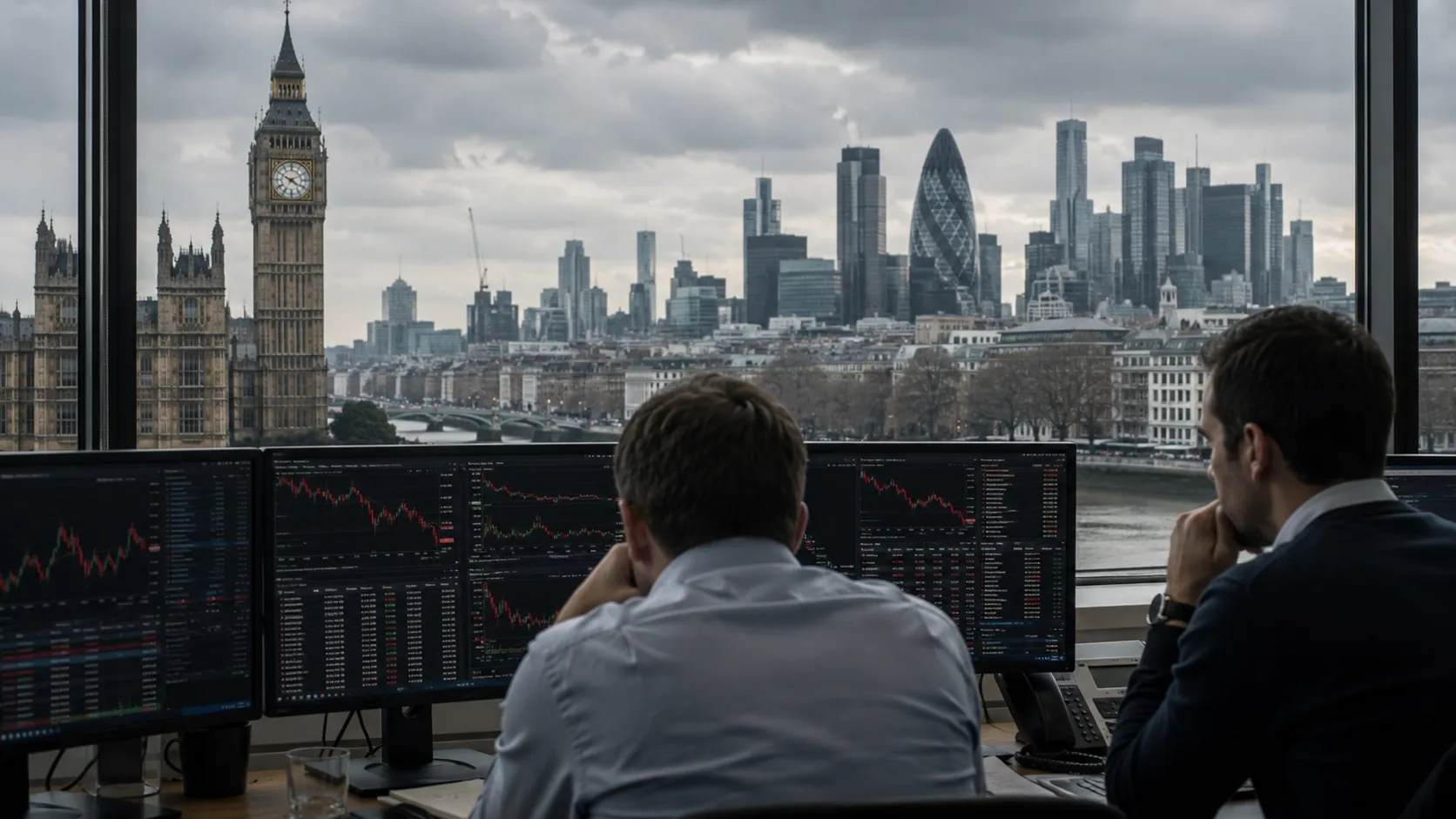
London remains one of the world’s most powerful financial capitals, but the current mood is noticeably different from the confidence that once defined the city. Screens filled with falling graphs and red market indicators have become common images across trading floors as economists warn that political instability can have consequences far beyond Parliament.
The effects are not limited to Britain alone.
Global markets are deeply interconnected, and instability in one major economy often spreads elsewhere. International investors, multinational companies, and central banks are all watching developments in the UK because sudden shifts in confidence can influence currencies, trade relationships, and investment flows worldwide.
Some experts believe the situation may stabilize once political leadership becomes clearer and economic policies regain consistency. Others warn that restoring investor trust could take much longer, especially if uncertainty continues to dominate headlines.
For ordinary people, these market movements can feel distant at first — numbers on screens, graphs on business channels, or headlines in financial newspapers. But over time, the consequences often become personal: higher loan costs, weaker purchasing power, rising living expenses, and slower job growth.
Britain’s current challenges are therefore about more than politics alone. They represent a test of economic credibility in a world where markets react instantly and confidence can disappear overnight.
As storm clouds gather over Westminster and the City of London, one question now dominates conversations across global finance:
How long can uncertainty continue before it leaves lasting economic scars?