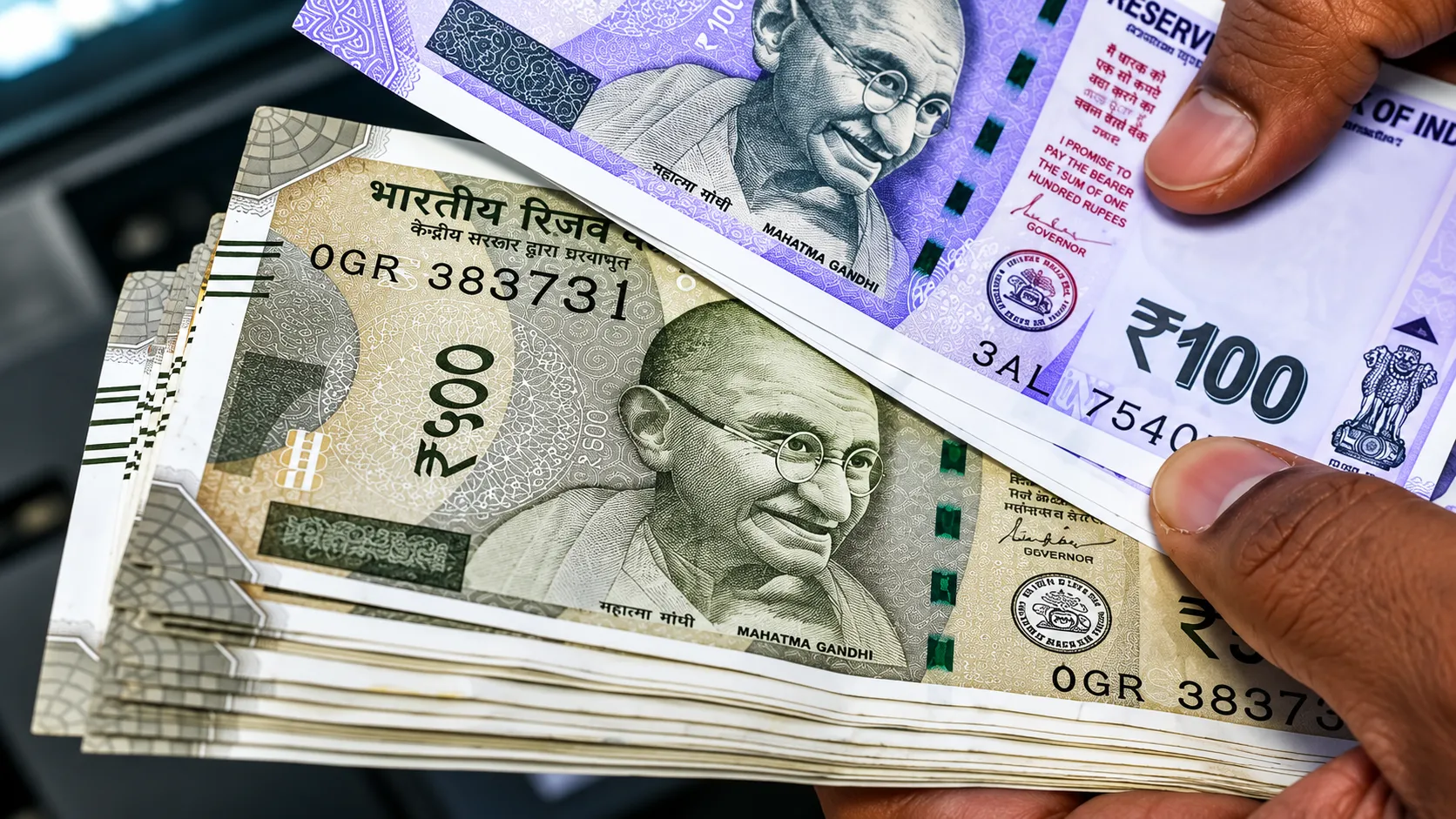
India's currency markets delivered a rare moment of relief on Monday, July 27, as the Reserve Bank of India intervened forcefully in the foreign exchange market, selling dollars aggressively enough to help push the rupee to its strongest single-day performance in over a month. According to traders familiar with the transactions, the RBI's intervention was fairly large in scale, with the central bank beginning to sell dollars when the rupee was trading near 96.15 per dollar. By the close of trade, the rupee had climbed as much as 0.8 per cent to 95.7838 against the greenback — its biggest single-day gain since June 15, according to Bloomberg's tracking of the currency's intraday movements.
Different data sources tracking the session captured slightly varying magnitudes for the move, though all pointed to the same broad conclusion: this was an unusually strong session for a currency that had, through much of July, remained under sustained pressure. Business Recorder reported that the rupee opened at 96.1475 against the dollar and climbed to an intraday high of 95.7950, having settled at 96.5625 in the previous session, ending the day 0.7 per cent higher — its biggest single-session gain since June 12. Separately, Business Standard reported the domestic currency settling at 95.89 per dollar, up 0.70 per cent from its previous close of 96.57, describing it as the rupee's strongest one-day gain since June 5, when it had appreciated 0.90 per cent. The modest discrepancies across these figures are typical of how different data providers timestamp intraday versus closing-price movements, but the underlying story — a decisively strong session for the rupee after weeks of relative weakness — was consistent across all accounts.

Several forces converged to produce Monday's rally, and separating the RBI's direct intervention from the broader market tailwinds that were already pushing the rupee higher is not entirely straightforward. The most significant external factor was a sharp fall in international crude oil prices, driven by easing geopolitical tensions in West Asia — a region whose instability had, in preceding weeks, been a persistent source of upward pressure on oil prices and, by extension, downward pressure on the rupee, given India's heavy reliance on imported crude. A weaker US dollar index globally, reflecting broader shifts in international currency markets, added a second layer of support, while a general "risk-on" environment across global markets provided further tailwind. As Dilip Parmar, foreign exchange analyst at HDFC Securities, put it, when the RBI stepped in, the market was already being supported by multiple favourable factors — suggesting the central bank's intervention served to amplify and accelerate a move that was already underway, rather than fighting against prevailing market direction, which is typically a far more difficult and costly form of intervention for a central bank to execute successfully.
Adding further support to sentiment was a notably upbeat set of remarks from RBI Governor Sanjay Malhotra, who told The Hindu BusinessLine that the central bank's recent series of measures aimed at attracting foreign capital inflows had received a strong response from the market. According to Governor Malhotra, banks had collectively mobilised a total of $32 billion through various channels, including foreign currency deposits — a figure that underscores the scale of capital the RBI's recent policy initiatives have succeeded in drawing into the country, and one that likely reinforced market confidence in the rupee's near-term stability even as broader concerns about the currency's performance through the rest of the year persisted.
Despite Monday's strong showing, it is important to place the rupee's recovery within its proper broader context. Even after this substantial single-day gain, the rupee remains among the worst-performing major Asian currencies for the month of July, reflecting the cumulative weight of weeks of pressure linked to elevated import costs and inflation concerns stemming from Middle East tensions. By comparison, the rupee's Asian peers fared somewhat better over the same session: the Thai baht, Taiwan dollar, and Philippine peso each posted gains of between 0.3 and 0.4 per cent against the US dollar on the day — solid moves, but considerably more modest than the rupee's own outsized single-session rally, which was disproportionately driven by the scale of the RBI's direct market intervention rather than organic currency market dynamics alone.
The RBI's dollar-selling activity on Monday should also be understood as serving a dual purpose beyond simply supporting the rupee's exchange rate in the moment. According to Business Standard's reporting, the central bank was seen absorbing dollars specifically to rebuild its foreign exchange reserves — a strategic objective that runs somewhat in parallel with, though is distinct from, the more immediate goal of countering excessive currency depreciation. This dual mandate reflects the RBI's broader approach to currency management, which has historically sought to smooth out excessive volatility in either direction rather than targeting any specific exchange rate level, while simultaneously using periods of relative currency strength as opportunities to replenish reserves that may have been drawn down during earlier periods of more defensive intervention against currency weakness.
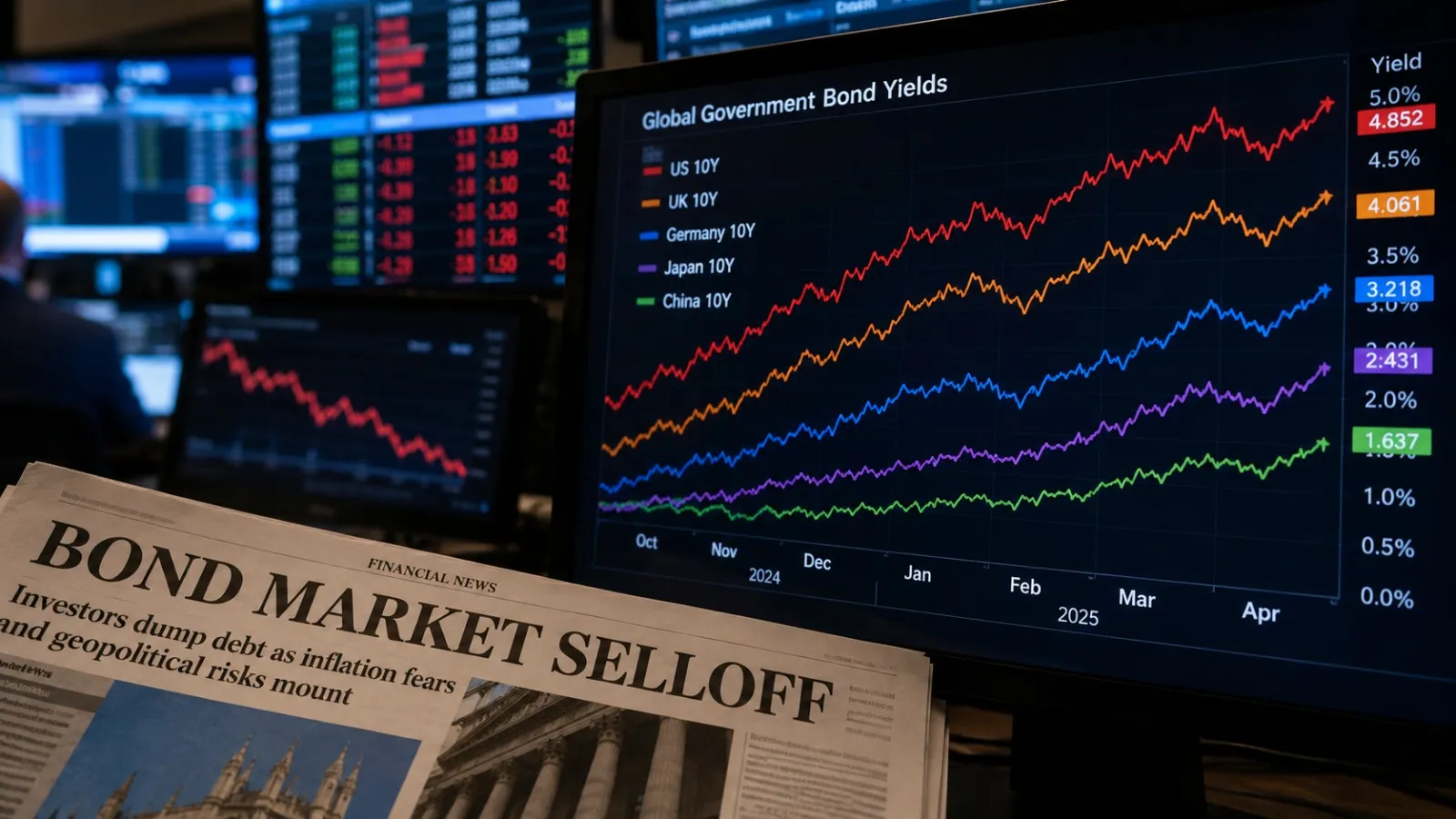
The intervention on Monday was not an isolated event but rather the latest in a series of RBI actions through the second half of July aimed at stabilising the rupee amid a genuinely challenging external environment. Just days earlier, on July 24, the RBI had been observed selling dollars around the 96.80 level as the currency slipped toward 96.50 amid renewed US-Iran tensions and the closure of a key Red Sea shipping chokepoint — disruptions that had, at the time, threatened to push oil prices meaningfully higher and, correspondingly, weigh further on the rupee. That earlier intervention occurred against a backdrop of elevated US Treasury yields near 4.70 per cent and rising odds of a Federal Reserve rate hike, both factors that typically reinforce broader US dollar strength and encourage capital flows away from emerging market currencies including the rupee.
Looking ahead, market participants have flagged several specific factors that will likely determine whether Monday's gains prove durable or represent a temporary reprieve within a longer-term period of rupee weakness. Traders identified the sustainability of the recent decline in crude oil prices as the single most important variable, given how directly and immediately oil price movements translate into pressure on India's import bill and, by extension, on the currency. The pace of inflows under the RBI's FCNR, or Foreign Currency Non-Resident, deposit scheme was flagged as a second key factor, given the scale of capital such schemes have already succeeded in attracting according to Governor Malhotra's own recent comments. Finally, traders noted that month-end dollar demand from importers — a recurring, largely mechanical source of downward pressure on the rupee that tends to intensify toward the close of each month as businesses settle their international payment obligations — is likely to act as a natural limiting factor on any further near-term currency gains, regardless of how favourable the broader macro backdrop remains.