Investors Are Increasingly Looking Beyond Metro Consumers As Startups Solving Distribution, Manufacturing And Regional Market Challenges Begin Attracting Attention
For much of the last decade, India's startup ecosystem was built around urban consumers.
The most celebrated companies focused on food delivery, ride-hailing, digital payments, e-commerce and consumer internet services because major cities offered high smartphone penetration, stronger purchasing power and easier customer acquisition. Venture capital naturally followed these opportunities because urban markets provided visible growth, large transaction volumes and scalable business models. As a result, startup success became closely associated with solving problems for metro India.
That focus is beginning to change.
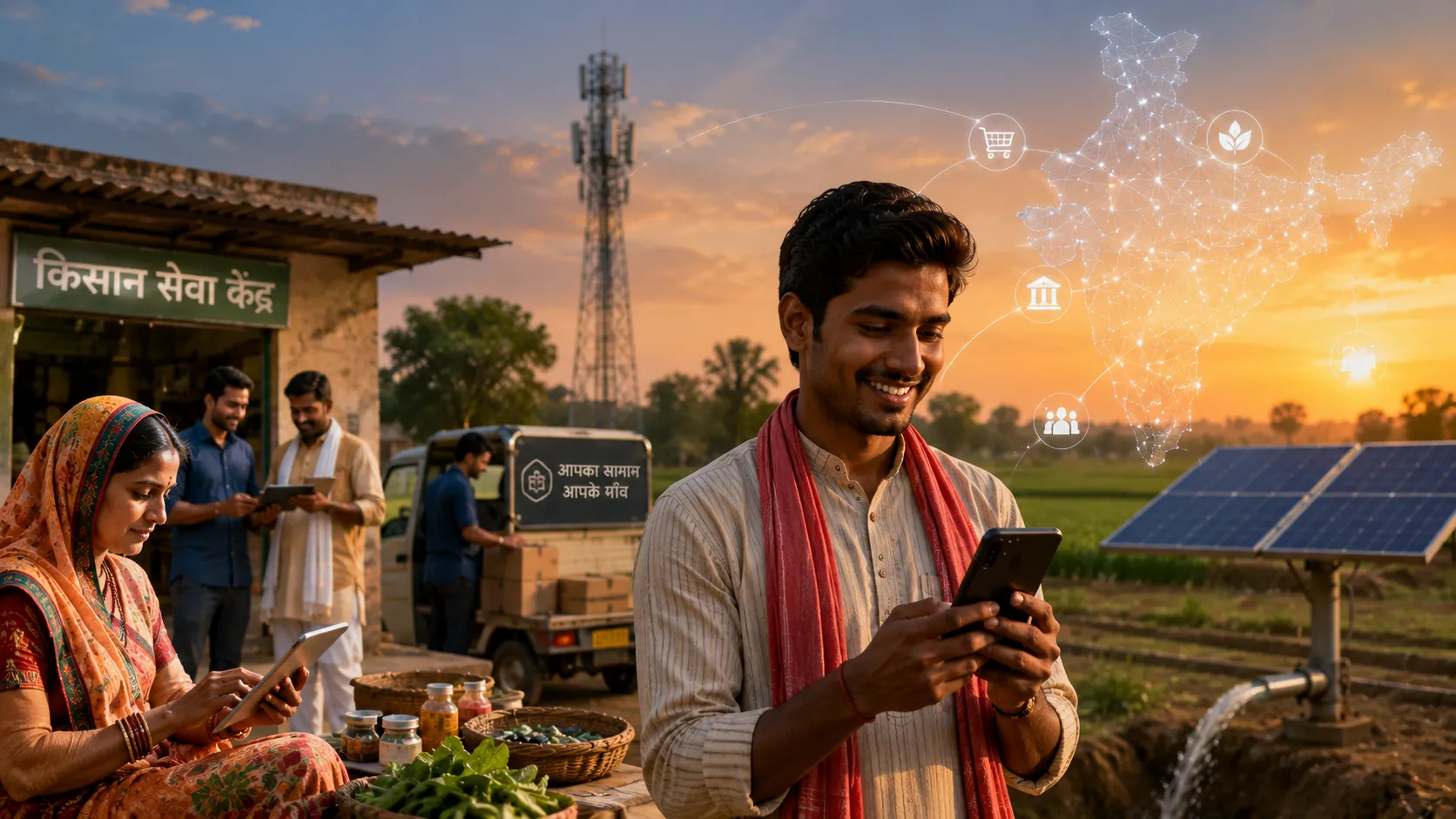
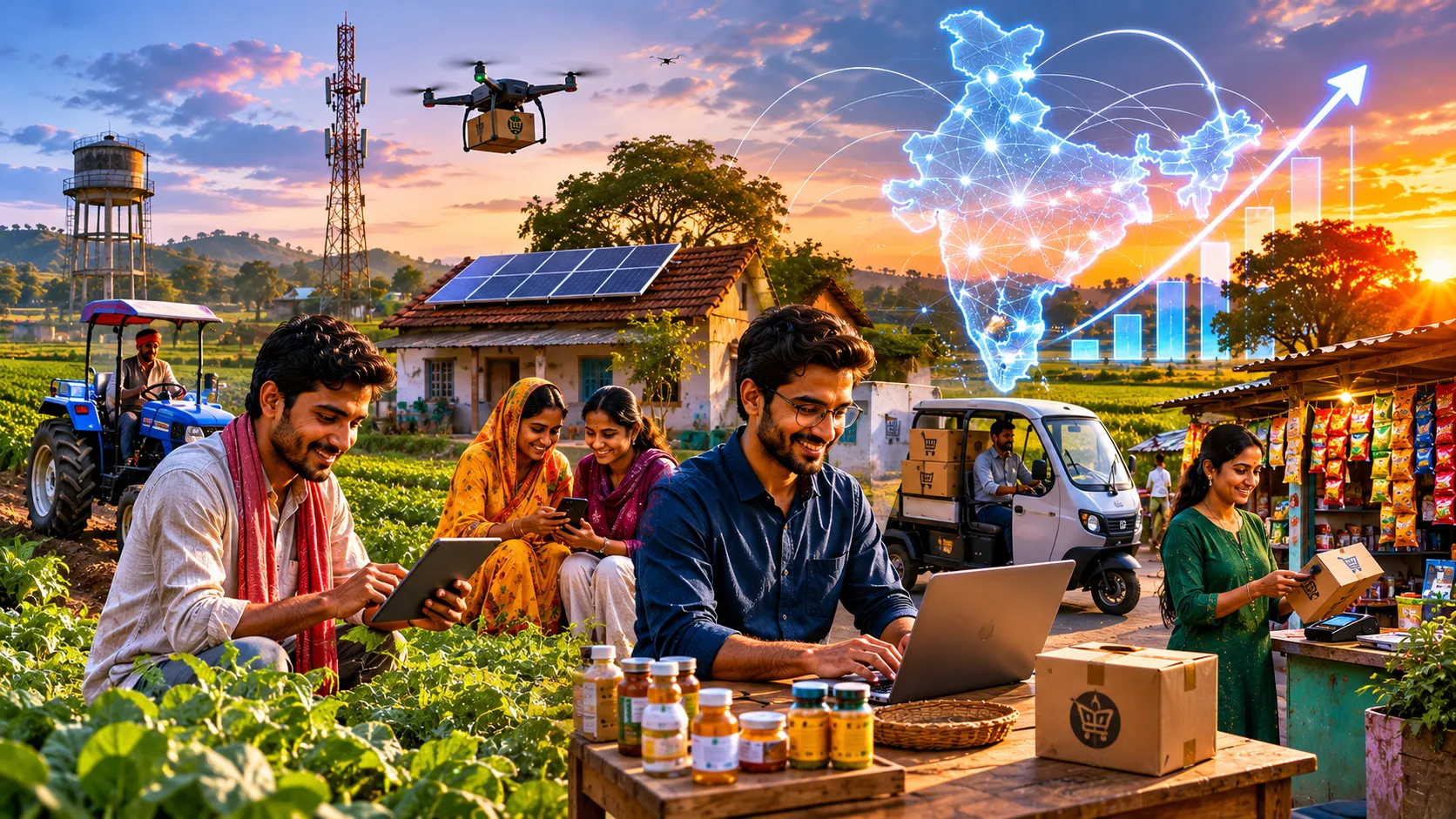
Across venture capital discussions, founder communities and startup ecosystems, increasing attention is being directed toward businesses solving problems outside India's largest cities. Investors are showing growing interest in startups focused on distribution networks, manufacturing ecosystems, supply chains, agriculture, logistics and regional commerce because many believe the next major wave of growth could emerge from Bharat rather than from another metro-focused consumer application.
The shift reflects the changing realities of India's economy.
Many urban consumer categories have matured significantly because large players already dominate sectors such as food delivery, e-commerce, mobility and digital payments. While growth opportunities still exist, competition has intensified and customer acquisition costs have increased. Investors are therefore searching for sectors where large structural problems remain unsolved and where long-term value can be created through infrastructure, efficiency and market access rather than consumer convenience alone.
Bharat presents exactly that opportunity.
Beyond India's major metropolitan regions lies a vast economy spanning smaller cities, towns, manufacturing clusters, agricultural markets and regional supply chains. These ecosystems often face challenges related to distribution, access, logistics, financing and infrastructure because they have historically received less attention from technology entrepreneurs. Startups capable of solving these problems gain access to markets that are both enormous and relatively underserved.
Distribution Is Becoming A Major Startup Opportunity
One area attracting increasing attention is distribution.
India's supply chains remain highly fragmented because products often move through multiple intermediaries before reaching consumers, retailers or businesses. This creates inefficiencies, delays and higher costs across sectors ranging from agriculture to consumer goods. Startups building technology-enabled distribution networks can potentially unlock significant value by making movement of goods faster, cheaper and more predictable.
The opportunity extends beyond digital platforms.
Many founders are building businesses that combine technology with physical operations because solving real-world distribution problems often requires logistics infrastructure, local partnerships and on-ground execution. Investors increasingly appreciate these models because they create stronger barriers to entry than purely software-driven businesses operating in crowded categories.
Manufacturing Is Returning To The Startup Conversation
Manufacturing is becoming another important area of focus.
For years, India's startup ecosystem leaned heavily toward digital services because manufacturing was perceived as capital-intensive and operationally complex. Today that perception is changing as government initiatives, supply-chain diversification and global manufacturing shifts create new opportunities. Investors increasingly view manufacturing-focused startups as participants in long-term economic transformation rather than niche industrial businesses.
This trend aligns with broader national priorities.
India is actively attempting to strengthen domestic production capabilities across sectors such as electronics, defense, industrial equipment and consumer products. Startups helping improve manufacturing efficiency, supply-chain visibility and production infrastructure therefore benefit from larger structural shifts occurring across the economy. Many investors see these businesses as being positioned closer to long-term industrial growth than traditional consumer applications.
Regional Markets Are Becoming Strategic Markets
Smaller cities and regional economies are also attracting greater entrepreneurial attention.
The next wave of digital adoption is increasingly occurring outside major metropolitan areas because internet access, smartphone penetration and digital payments have expanded rapidly across India. Consumers and businesses in these markets often have very different needs compared to metro users, creating opportunities for startups willing to build region-specific solutions rather than simply extending urban models into smaller markets.
This is changing how founders think about scale.
Earlier startup playbooks often began in Bengaluru, Mumbai or Delhi before expanding elsewhere. Today many entrepreneurs are starting directly within regional markets because they recognize that some of India's largest unmet needs exist outside traditional technology hubs. Businesses built around local realities often discover opportunities overlooked by companies focused exclusively on urban consumers.
Why Investors Are Paying Attention
Investors increasingly view Bharat-focused businesses as long-term infrastructure plays.
Unlike many consumer internet products, businesses solving distribution, manufacturing and regional-market challenges often become deeply integrated into economic ecosystems. Their value comes not only from user growth but from enabling commerce, improving efficiency and supporting industries that form the backbone of India's economy. This creates the potential for more durable business models and stronger competitive positions.The broader startup ecosystem appears to be evolving as a result.
The first generation of Indian startups helped digitize urban life. The next generation may focus on making India's economic infrastructure more efficient, connected and accessible. While consumer technology will remain important, investors increasingly believe some of the largest opportunities now lie in sectors that power how goods move, products are manufactured and markets function.That is why Bharat is becoming central to startup conversations again.Because the next great Indian startup story may not begin with another app designed for urban convenience.It may begin by solving a problem that millions of businesses, workers and consumers outside the country's largest cities face every single day.