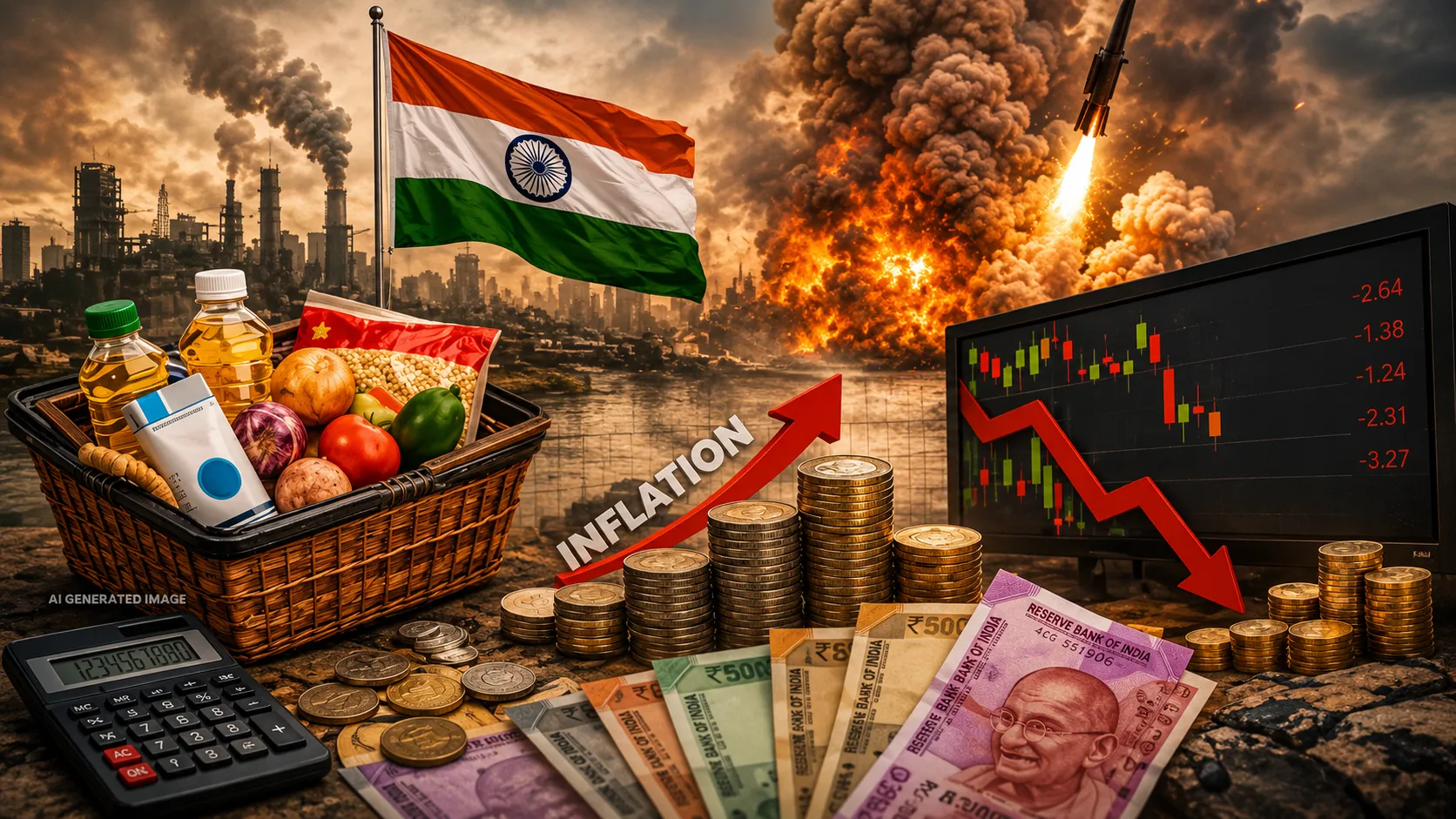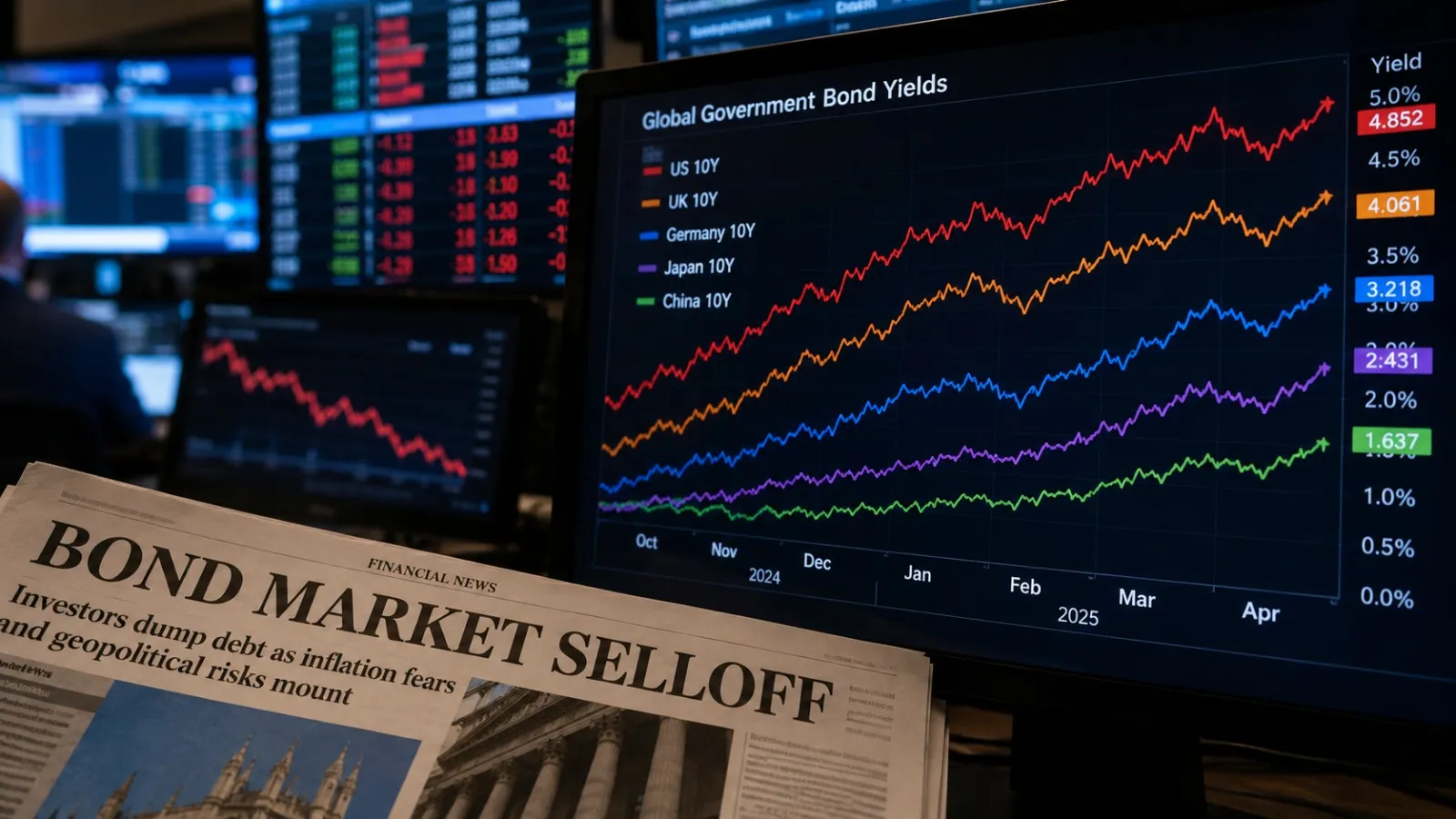
After nearly eighteen months of unusually benign price behaviour, India's inflation story is turning considerably less comfortable. A new report from Crisil Ratings projects that the country's Consumer Price Index-based retail inflation will average 5.1 per cent through financial year 2027 — a sharp jump from the remarkably subdued 2.0 per cent average recorded in the previous fiscal year, and a shift that has already prompted the ratings agency to flag the possibility of a 25 basis points interest rate hike by the Reserve Bank of India in the second half of the fiscal year, should current inflationary pressures persist through the coming months.
The most immediate evidence of this shift is already visible in the latest official data. India's retail inflation climbed to 4.4 per cent in June 2026, up from 3.9 per cent in May — marking the first time since January 2025 that headline inflation has crossed the Reserve Bank of India's 4 per cent target rate. For a central bank that has spent much of the past two years managing an environment of comparatively subdued price pressures, and for households that have grown accustomed to a period of relative price stability, the crossing of this threshold carries real significance, both as a statistical marker and as a signal of where the underlying economic trajectory may be headed over the coming quarters.
According to the Crisil report, the June uptick was driven by increases in both food and non-food components of the inflation basket, suggesting the pressure is broad-based rather than confined to a single volatile category. Food inflation rose to 5.3 per cent in June, up from 4.8 per cent in May, while fuel-related inflation accelerated considerably more sharply — climbing to 4.5 per cent from just 1.9 per cent the previous month. Within the fuel category, the most dramatic movement came in personal transport fuels, where inflation surged to 7.6 per cent from 3.1 per cent, while inflation in LPG and piped natural gas roughly doubled to 4.6 per cent, largely as a consequence of higher domestic cooking gas prices passed through to consumers.

Much of this fuel-driven pressure can be traced to a specific policy decision earlier in the year: a cumulative increase of ₹7.5 per litre in petrol and diesel prices, announced in mid-May 2026. According to Crisil's analysis, June was the first month in which the full impact of that price increase was reflected in the inflation data, having only partially fed through during May itself. This mechanical, lagged pass-through effect means that even without any further increases in domestic fuel prices, the year-on-year inflation comparisons are likely to remain elevated for several more months simply due to base effects working their way through the calculation.
Layered on top of the domestic fuel price increase is a second, more structural pressure point: the trajectory of global crude oil prices themselves. Crisil's report notes that while crude prices have eased somewhat from their recent highs, they are still expected to remain elevated through the remainder of the fiscal year, with the agency forecasting an average range of $82 to $87 per barrel. This persistently elevated crude price environment — a consequence of ongoing geopolitical instability in West Asia, including the ripple effects of the Iran conflict that has already disrupted shipping and energy markets more broadly across the region — leaves India, as one of the world's largest crude oil importers, structurally exposed to imported inflationary pressure that domestic policy tools have only limited ability to offset.
Compounding the fuel-driven pressure is the additional headwind of currency weakness. A weaker rupee increases the domestic cost of imported goods and commodities priced in US dollars — crude oil chief among them — effectively amplifying the inflationary impact of any given level of global crude prices. Crisil's report explicitly identifies rupee depreciation as one of the contributing factors behind its upgraded inflation forecast, noting that as the currency weakens, imported inflation rises correspondingly, adding a second, currency-driven layer of price pressure on top of the direct commodity price effect.