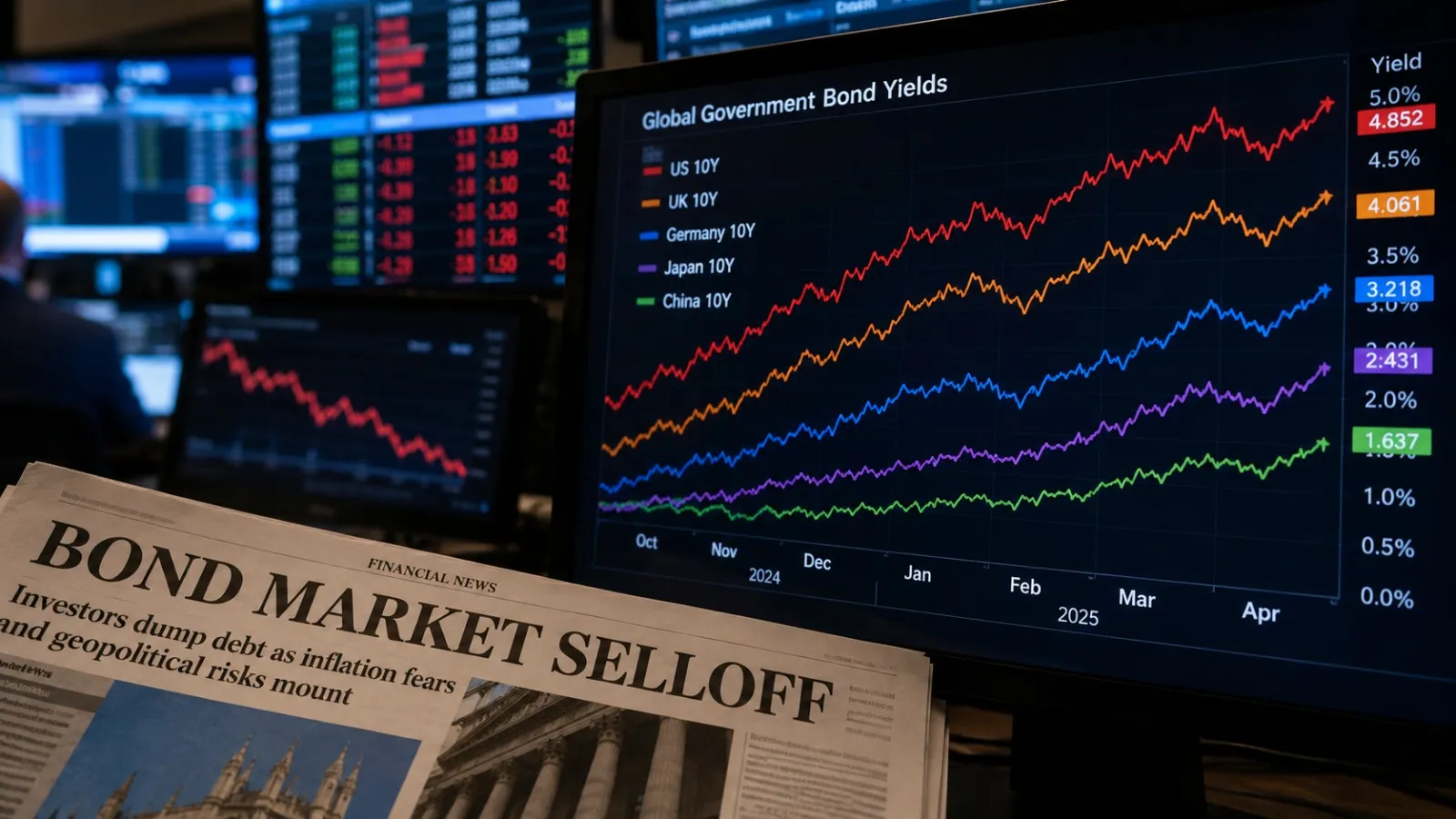
For eight consecutive trading sessions extending into mid-July, foreign portfolio investors had been doing something they hadn't done with such consistency since May 2025: buying Indian equities, session after session, in what market participants had begun to characterise as a genuine, sustained return of foreign capital to Dalal Street after a punishing stretch of outflows earlier in the year. Then, just as abruptly as it had begun, the streak broke. A sharp rise in global crude oil prices, driven by a fresh escalation in tensions across West Asia, sent foreign investors back into selling mode, with FPIs offloading Indian shares worth ₹7,443 crore over four consecutive sessions — including ₹4,206 crore sold in a single session alone.
The proximate trigger for this reversal was unambiguous: a rapid and substantial increase in the price of Brent crude, which climbed 14 per cent over the same four-session window to reach $85.6 a barrel, following what reporting characterised as a re-escalation of hostilities in West Asia. Zooming out further, Brent crude had climbed nearly 19 per cent from its early-July low of approximately $72 a barrel — a meaningfully large move within a relatively compressed timeframe, and one directly tied to specific, identifiable geopolitical developments rather than the kind of gradual, sentiment-driven price drift that characterises many oil market moves.
Those specific geopolitical developments centred on a fresh round of American military action against Iran. The United States launched additional airstrikes on Iranian targets after President Donald Trump had pledged to intensify the bombardment campaign until Tehran halted its attacks on commercial shipping vessels operating in and around the Strait of Hormuz — one of the world's most strategically critical maritime chokepoints, through which a substantial share of global seaborne crude oil trade transits en route from Persian Gulf producers to international markets. Trump had further indicated he might no longer be interested in pursuing a negotiated settlement with Iran, a stance that removed, at least temporarily, one of the potential off-ramps that might otherwise have helped de-escalate the underlying conflict and its associated pressure on oil markets.
The market impact of this escalation was immediate and severe. Benchmark Indian equity indices tumbled sharply as the crisis unfolded, with the Nifty recording its steepest single-day decline since March 2026 during the worst of the sell-off, dropping below the psychologically significant 23,900 level. All sectoral indices on the NSE closed in negative territory during that session, with banking and financial stocks leading the broader market lower — a pattern consistent with how Indian financial stocks have historically shown outsized sensitivity to episodes of heightened macro and geopolitical uncertainty. India VIX, the market's benchmark volatility gauge, surged 26 per cent during the same session, reflecting the scale of the spike in investor anxiety the crisis had triggered.
Understanding the magnitude of the FPI reversal requires placing it within the broader, considerably more troubled context of foreign investor behaviour toward Indian equities across the full 2026 calendar year to date. Even before this specific four-session bout of selling, FPIs had already withdrawn a net ₹2.6 trillion from Indian equities during 2026 — a figure that, remarkably, already exceeded the total outflows recorded during any previous full calendar year on record. March alone had accounted for the bulk of this exodus, with foreign investors selling shares worth ₹1.1 trillion during that single month, as an earlier phase of the West Asia conflict had triggered a comparably sharp spike in oil prices at the time.