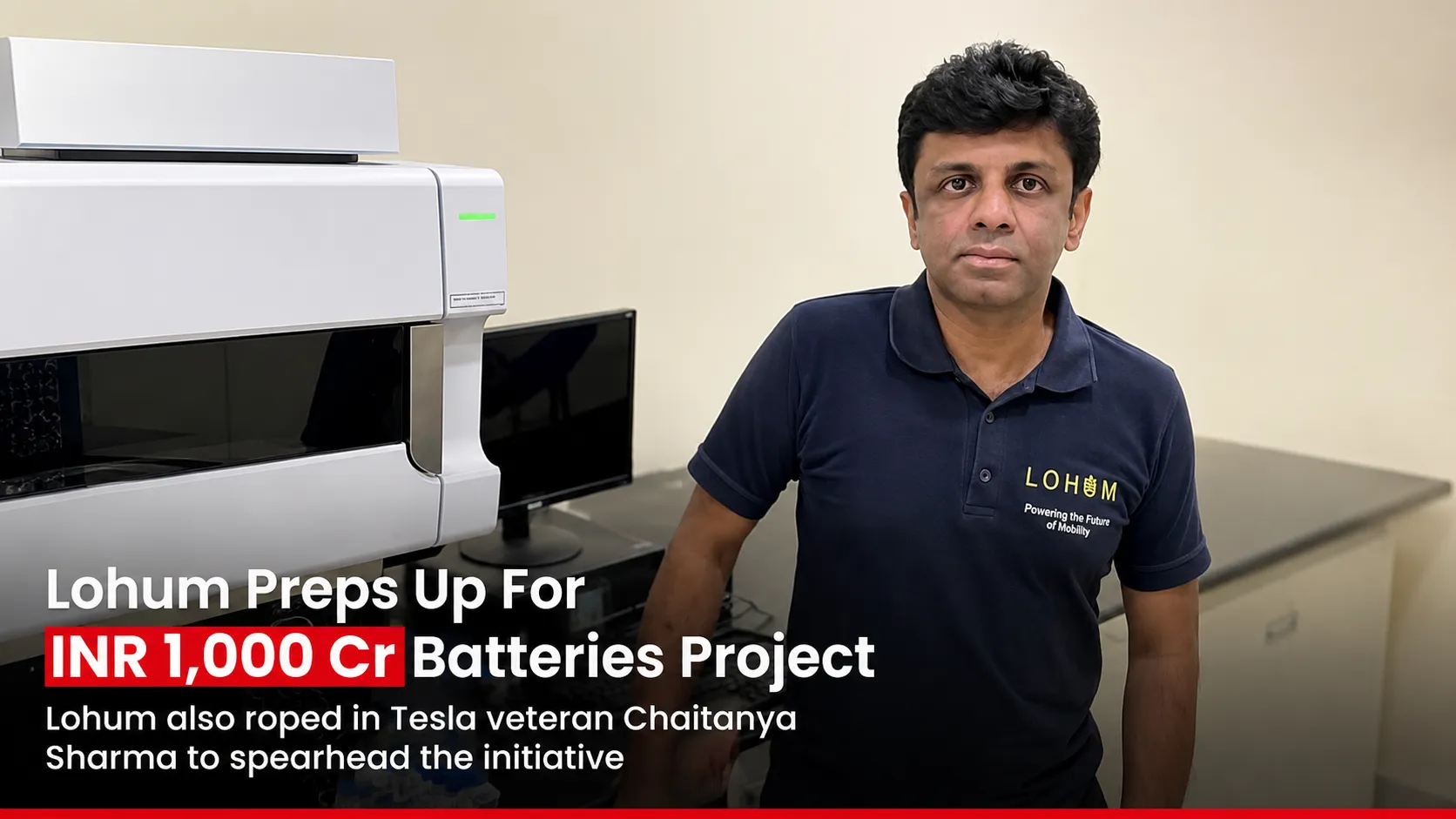
Private equity investing is, at its core, a business built on patience, conviction, and the willingness to back a thesis years before the broader market recognises its significance. Few recent Indian deals illustrate that formula quite as cleanly as Baring Private Equity Partners' investment in LOHUM, a sustainable critical minerals and advanced materials company, which this month delivered one of the firm's highest-multiple exits to date: a partial exit realising approximately ₹370 crore, representing more than a 20-times return on invested capital and an internal rate of return exceeding 80 per cent on an investment Baring first made back in 2020.
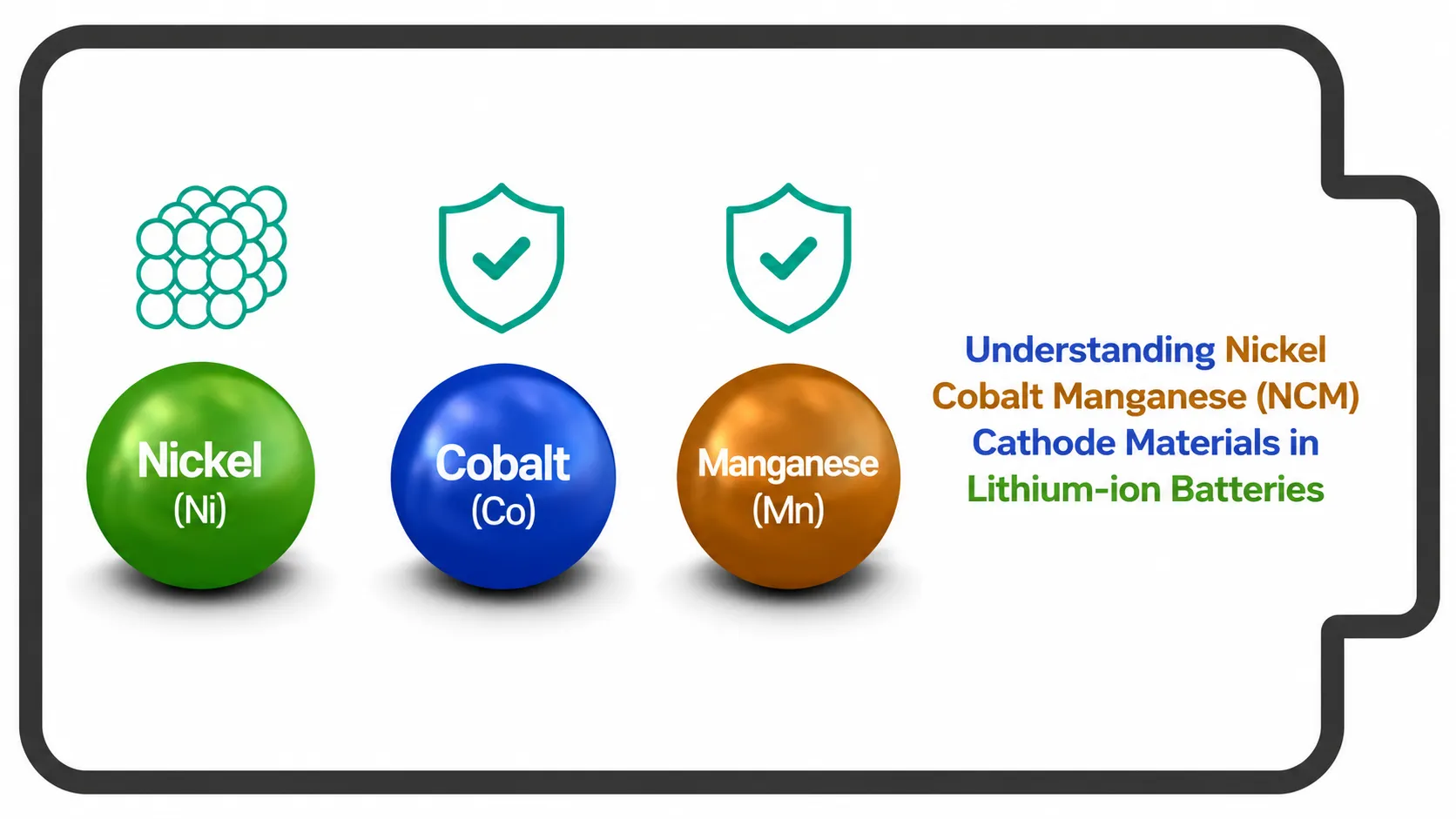
To appreciate why this particular exit has drawn such attention within India's private equity and venture capital circles, it helps to understand both the timing of Baring's original investment and the nature of the business it backed. LOHUM operates in the critical minerals and advanced materials space, focused specifically on sustainable approaches to sourcing and processing the materials — lithium, cobalt, nickel, and other battery-grade minerals among them — that sit at the heart of the global transition toward electric vehicles, renewable energy storage, and the broader electrification of industrial and consumer technology. When Baring made its original investment in 2020, the global conversation around battery material supply chains, critical mineral security, and the circular economy principles that underpin sustainable materials sourcing was considerably less developed than it is today, meaning Baring's original bet required a genuine conviction that these themes would move from niche sustainability concerns to mainstream, commercially significant industrial priorities — a conviction that, five years on, has been emphatically validated by how central critical minerals security and battery supply chain sustainability have become to global industrial and energy policy discussions.
The specific business model LOHUM has built around this thesis centres substantially on recycling and circular economy principles applied to battery materials — recovering and reprocessing critical minerals from end-of-life batteries and other sources rather than relying solely on new, environmentally intensive mining and extraction of virgin material. This approach addresses two converging pressures that have intensified considerably since Baring's original 2020 investment: growing global concern about the environmental and social costs associated with traditional mining of battery-critical minerals, many of which are concentrated in a small number of geographies with their own complex governance and supply chain risk profiles, and a parallel, increasingly urgent strategic concern among governments and industrial players worldwide about diversifying and securing critical mineral supply chains away from excessive concentration in any single country or region — a concern that has only intensified as geopolitical tensions in various parts of the world, including the West Asia crisis that has dominated 2026's headlines, have repeatedly demonstrated the risks of over-dependence on concentrated, potentially disruptable supply chains for strategically vital materials and commodities.
For Baring, realising a 20-times return on invested capital represents an exceptional outcome by almost any private equity benchmark, globally or within the Indian market specifically. Private equity returns are typically measured across a spectrum, with strong, successful investments often targeting returns in the range of three to five times invested capital over a typical five-to-seven-year holding period, and considerably rarer outcomes — the genuine home runs that define a fund's overall performance and reputation — reaching into double-digit multiples. A 20-times return, particularly one achieved on a partial rather than complete exit, meaning Baring continues to hold a meaningful residual stake in LOHUM through other funds even after this realisation, places this investment firmly among the standout successes not just within Baring's own India portfolio, but within the broader landscape of Indian private equity outcomes over the past several years.
The internal rate of return figure — exceeding 80 per cent — tells an equally important, complementary part of this story, since IRR captures not just the absolute multiple of capital returned but the speed at which that return was generated, a dimension that matters enormously to private equity investors whose own fund economics depend heavily on how quickly capital can be recycled into new opportunities rather than remaining locked up in a single investment for an extended period. An IRR of this magnitude, achieved across a roughly five-year holding period from the original 2020 investment to this year's partial exit, indicates that LOHUM's value creation was not merely substantial in absolute terms but also relatively rapid, reflecting both the underlying business's own strong operational and financial performance over the holding period and, quite plausibly, a broader re-rating of how strategic and financial investors have come to value critical minerals and battery materials businesses as the broader thematic tailwinds behind the sector have strengthened considerably since 2020.
Beyond the headline return figures, LOHUM's own disclosures around this exit have highlighted a dimension of the story that speaks to a broader, increasingly prominent trend within India's startup and growth-company ecosystem: employee wealth creation through Employee Stock Ownership Plans, or ESOPs. The company has stated that it has facilitated more than ₹100 crore in cumulative ESOP liquidity for its employees, a figure that, while considerably smaller than the headline private equity exit numbers, represents a meaningful and increasingly common feature of how successful Indian growth companies are choosing to share value creation with the broader employee base that helped build the business, rather than concentrating financial upside exclusively among founders and institutional investors. This growing emphasis on ESOP liquidity events, whether tied to funding rounds, secondary sales, or eventual public listings, has become an increasingly important talent retention and recruitment tool across India's startup ecosystem, as companies compete for skilled talent in a market where the most sought-after professionals increasingly weigh not just cash compensation but genuine equity upside potential when evaluating career opportunities.
Baring Private Equity Partners' continued significant shareholding in LOHUM through other funds, even after this partial exit, is itself a meaningful signal about the firm's ongoing conviction in the business's future trajectory. Private equity firms structuring partial rather than complete exits typically do so for one of two related reasons: either market or structural conditions make a full exit less attractive or less feasible at the current moment compared to a future date, or the firm retains sufficient conviction in the business's continued growth trajectory that it prefers to crystallise a portion of its gains while maintaining exposure to further potential upside, effectively "taking some chips off the table" while still participating in the company's future value creation. Baring's continued substantial shareholding suggests the latter interpretation is the more likely one in this case, indicating that the firm views this partial realisation as an opportunistic, well-timed monetisation of a portion of its gains rather than a signal of diminishing conviction in LOHUM's prospects.