India’s creator and gaming ecosystem is drawing growing international attention, with a new multi-year ₹10 crore commitment toward the country’s Animation, Visual Effects, Gaming and Comics (AVGC) sector adding fresh momentum to discussions around digital creative industries. Announced in New Delhi, the initiative reflects increasing confidence in India’s long-term potential as a talent and content hub, particularly at a time when gaming, digital storytelling and creator-led businesses are expanding rapidly.While the value of the commitment may appear modest compared with billion-dollar technology investments and venture funding rounds, industry observers suggest the significance lies in the structure of the initiative rather than the size of the cheque itself. Instead of pursuing a conventional strategy built around startup investments or acquisitions, the effort focuses on ecosystem development an approach increasingly viewed as critical for sectors dependent on long-term talent creation.
The initiative is designed around strengthening industry partnerships, supporting educational pathways, expanding access to skill development programmes and improving global exposure for Indian creators and studios. The broader objective is to create a stronger support system around talent and infrastructure rather than backing a limited number of companies. Across creative industries globally, ecosystem-building strategies have increasingly become central to long-term growth because talent pipelines often determine the pace at which industries mature.
The announcement arrives as India actively positions creative industries as a larger economic opportunity. Sectors linked to gaming, digital content, animation and intellectual property development are increasingly occupying a larger place in economic policy conversations. Often grouped under the country’s emerging “Orange Economy,” these sectors are now viewed not merely as entertainment categories but as areas capable of generating employment, exports and technology-led growth.
As digital consumption patterns continue evolving, creator-led businesses have also emerged as increasingly meaningful contributors to India’s broader economy. Independent studios, gaming companies, content creators and digital-first media businesses are becoming part of a larger ecosystem where audiences, platforms and commerce are increasingly interconnected. Industry leaders believe this convergence is reshaping how value is created across the digital economy.

As part of the programme, three-year partnerships have been signed with the Services Export Promotion Council (SEPC) and the Game Developers Association of India (GDAI). The collaborations are expected to focus on skilling initiatives, capability development and stronger international market access for Indian creators and studios. Rather than targeting isolated projects, the effort aims to establish systems capable of supporting industry growth over longer periods.The partnership with SEPC is expected to strengthen opportunities for Indian AVGC businesses seeking greater participation in global markets. This aligns with broader ambitions surrounding India’s AVGC-XR sector, which policymakers increasingly see as an important area for future employment generation. Government projections have outlined plans to create substantial job opportunities through these sectors over the coming years, placing greater emphasis on workforce readiness and skill development.
A major focus area within the programme also involves early talent creation. Through collaboration with GDAI, initiatives are expected to include a National Game Jam reaching more than 10,000 students annually, alongside educator-focused training programmes and participation in major events including the Indian Game Developers Conference (IGDC). Industry experts suggest such programmes can become important entry points for students and aspiring developers seeking pathways into the gaming industry.
Commenting on the broader vision behind the initiative, Danny Marti, Head of Public Policy and Global Affairs, highlighted the importance of creating sustainable systems rather than isolated interventions. According to leadership, long-term industry growth depends not only on funding opportunities but also on the infrastructure supporting creators throughout different stages of development.
The timing may prove particularly significant given India’s rapidly growing gaming market. Industry data increasingly positions the country as one of the world’s fastest-expanding digital gaming ecosystems. Research firm Niko Partners estimates Indian player spending could reach approximately $1.5 billion by 2028, while the country's gaming population is projected to grow to nearly 724 million users by 2029. Those figures reflect not only increasing consumer adoption but also the scale of opportunities emerging around gaming-related products and services.
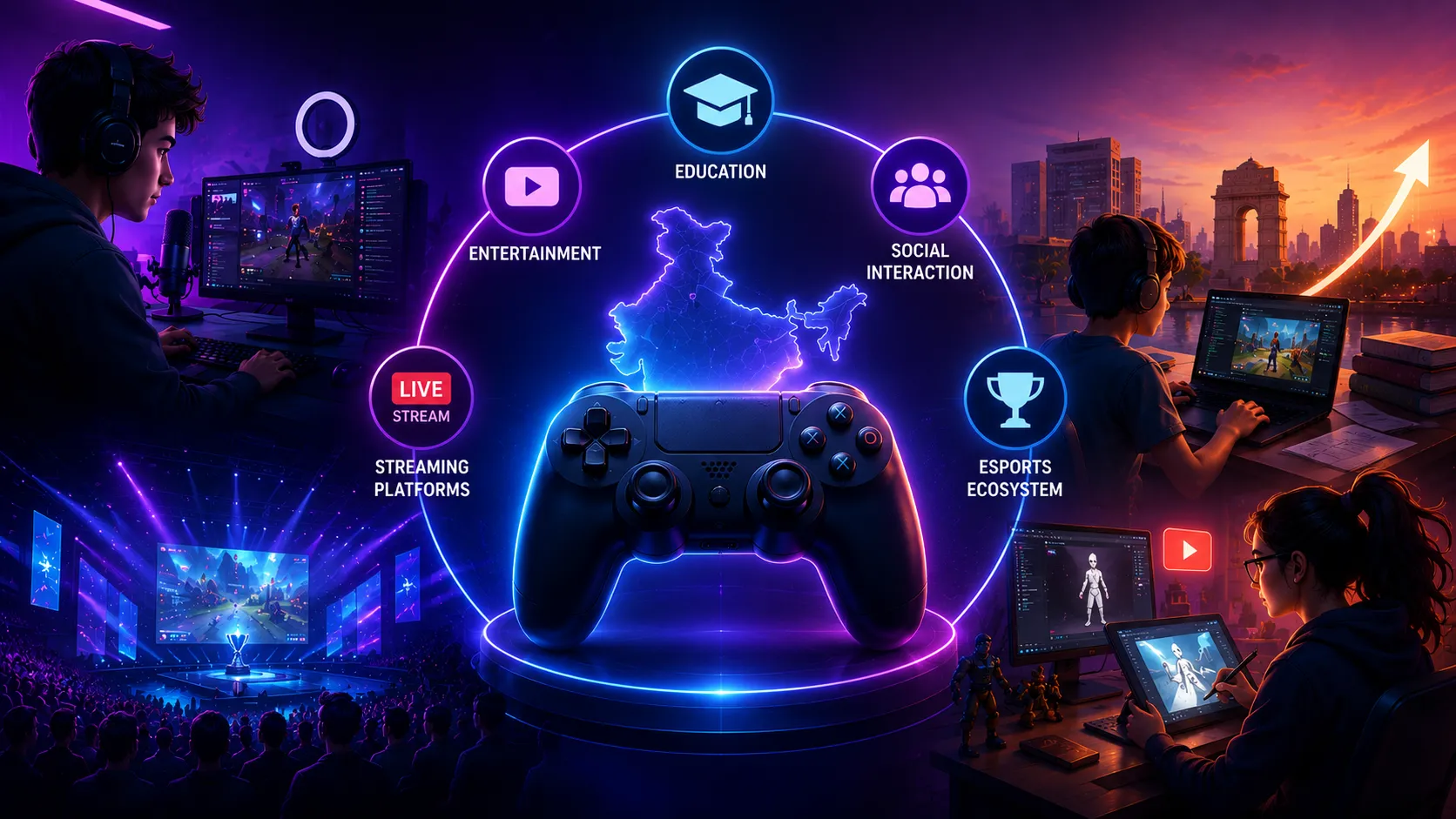
The gaming industry itself is also evolving beyond traditional definitions. Increasingly, gaming intersects with education, entertainment, social interaction and creator-led businesses. Streaming platforms, esports ecosystems and user-generated content have expanded how value is created within the sector. As a result, creator economies and gaming ecosystems are becoming increasingly intertwined.
The announcement also arrives during a period of changing business and regulatory conditions. Following years of uncertainty surrounding international participation and digital platform regulation, improved policy visibility is beginning to create greater confidence around long-term engagement strategies. Industry participants suggest evolving regulatory frameworks may encourage stronger collaboration across India’s digital sectors.For the broader creator economy, the larger takeaway may extend beyond the value of a single programme. Venture investments often receive immediate attention because of their scale and visibility. Ecosystem development, however, tends to generate impact over longer periods. Infrastructure, mentorship, education systems and industry networks frequently determine whether emerging sectors evolve into sustainable industries.
India’s next phase of digital growth may increasingly come not only from platforms and technology companies, but also from creators, developers, storytellers and studios building products for global audiences.
As competition intensifies internationally, attention may increasingly shift toward one question: who builds the strongest ecosystem around talent.