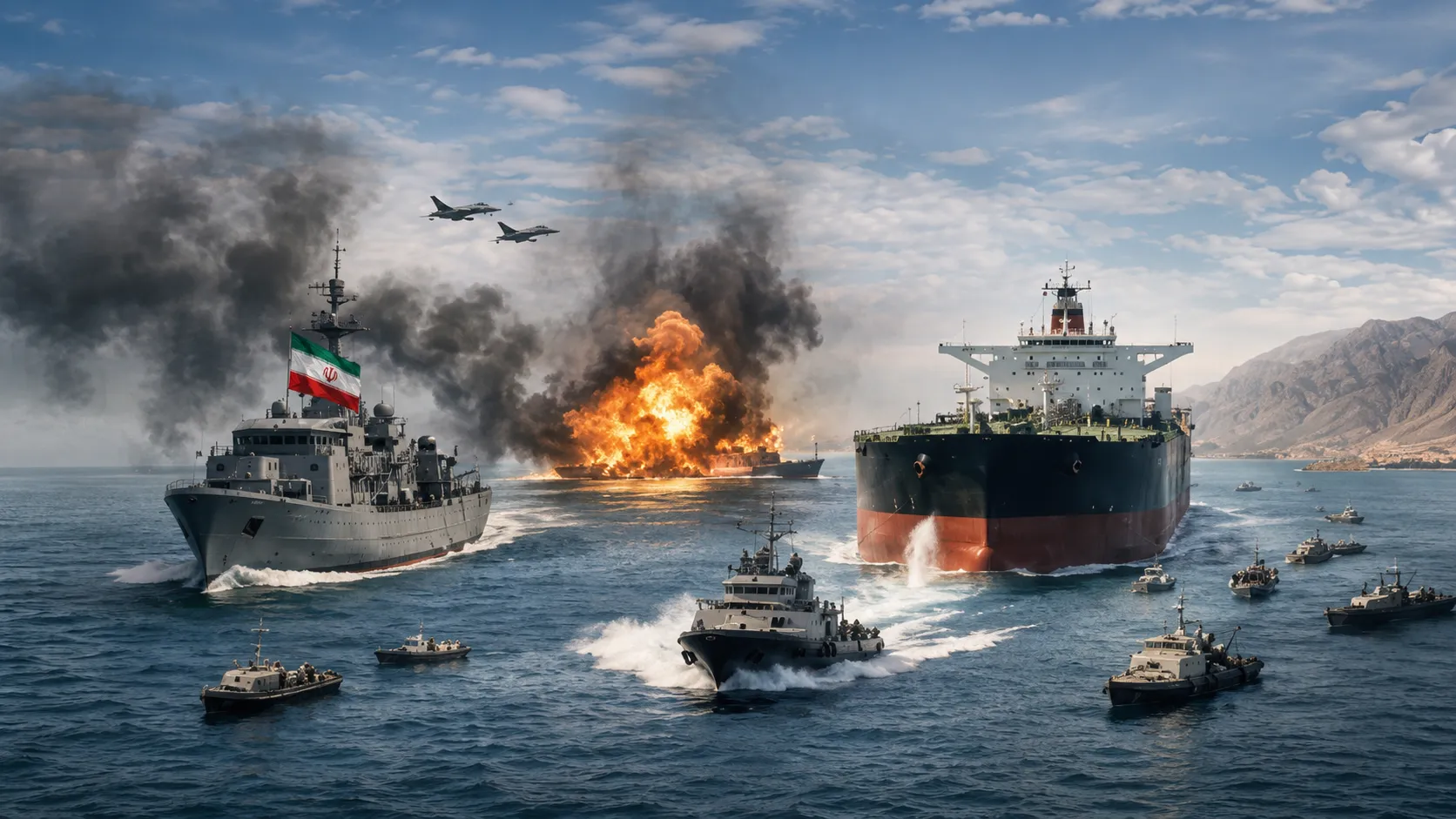
New Delhi: Fresh ship-tracking data has revealed a dramatic collapse in tanker traffic through the Strait of Hormuz, with only 57 transits recorded over a recent three-day period, a decline of more than 50 percent compared to the previous week's activity, according to data compiled by maritime tracking platform MarineTraffic. The sharp drop underscores the severity of the disruption now affecting one of the world's most critical energy shipping routes, as renewed hostilities between the United States and Iran continue to unsettle global oil markets and cast a long shadow over the prospects for a durable return to normal shipping patterns through the strategically vital waterway.
The Strait of Hormuz, a narrow channel separating Iran from Oman and the United Arab Emirates, typically handles approximately one-fifth of the world's total oil trade, making it arguably the single most consequential chokepoint in global energy logistics. Any sustained reduction in transit volumes through this waterway carries the potential to meaningfully constrain global oil supply, with cascading effects on prices and availability that extend far beyond the immediate Gulf region to touch virtually every major oil-importing economy worldwide, India prominently among them.
THE SCALE OF THE DISRUPTION
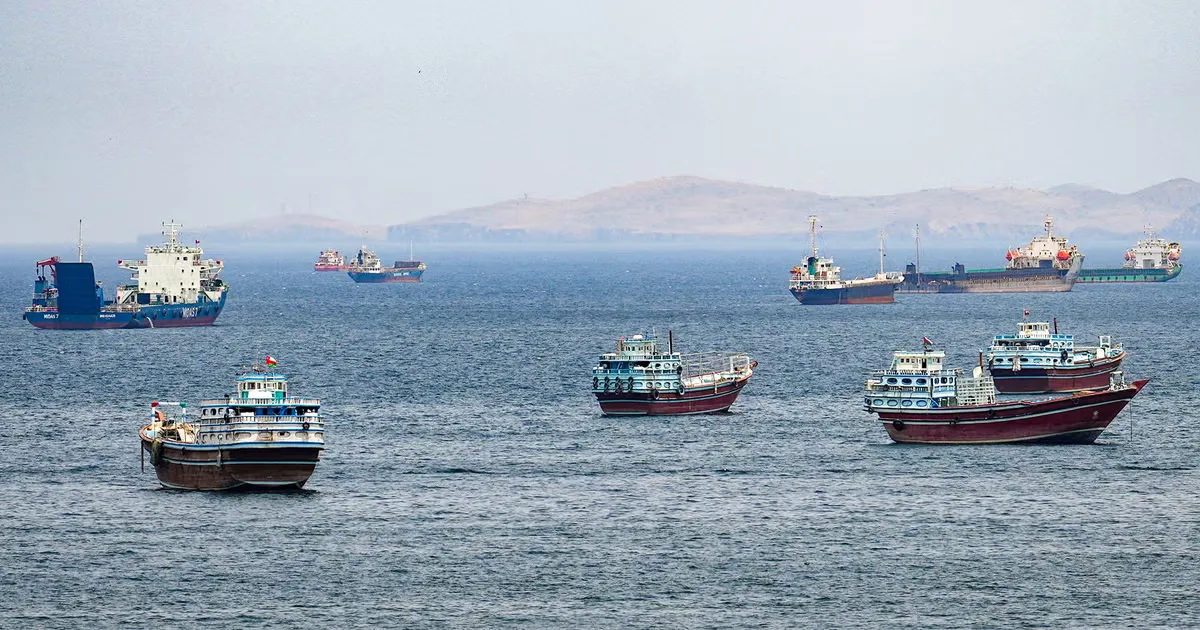
The specific figure of 57 transits over three days represents a stark illustration of just how severely commercial shipping activity through the strait has been curtailed amid the ongoing conflict. Under normal operating conditions, the strait typically accommodates a considerably higher volume of tanker and cargo vessel traffic, reflecting its role as the primary export route for crude oil and liquefied natural gas from several of the world's largest energy-producing nations, including Saudi Arabia, Iraq, the United Arab Emirates, Kuwait, and Iran itself. A reduction of the magnitude reported by MarineTraffic therefore represents a substantial real-world constraint on global energy supply chains, translating the geopolitical tensions dominating headlines into a tangible, measurable disruption to actual physical trade flows.
This decline in shipping activity reflects a combination of factors, including direct attacks on vessels transiting the strait, heightened insurance and security risk premiums that have made many shipping companies increasingly reluctant to route vessels through the area, and precautionary rerouting decisions by vessel operators seeking to avoid the most acute risk zones even at the cost of considerably longer and more expensive alternative shipping routes. Each of these factors compounds the others, creating a self-reinforcing cycle in which reduced shipping activity itself becomes a signal of elevated risk, further discouraging vessel operators from continuing to use the affected route.
THE BROADER PATTERN OF ESCALATION
This latest data point on collapsing transit volumes fits within a broader pattern of escalation that has characterised the US-Iran conflict through much of 2026. The conflict, which first erupted in February, has proceeded through multiple distinct phases of intensification and tentative de-escalation, with periods of relative calm, including a memorandum of understanding reached between Washington and Tehran at one point during the year, repeatedly giving way to renewed hostilities as underlying tensions have resurfaced. The current period of intensified conflict, which has included attacks on commercial vessels, strikes on oil infrastructure in neighbouring Kuwait, and the deaths of multiple US service members in exchanges of fire, represents one of the more serious escalations witnessed since the conflict's initial outbreak.
Iran's own stated intentions regarding the strait have added further uncertainty to the situation, with Tehran reportedly signalling its intent to cement greater control over the waterway in the coming weeks, a stance that regional analysts have characterised as fundamentally unacceptable to the United States, key Gulf states, and the broader international community given the strait's critical importance to global energy security. This dynamic suggests that the current period of severely reduced shipping activity may persist or potentially worsen further before any meaningful de-escalation becomes apparent, even as diplomatic channels between the two sides reportedly remain nominally active.
IMPLICATIONS FOR GLOBAL OIL SUPPLY AND PRICES
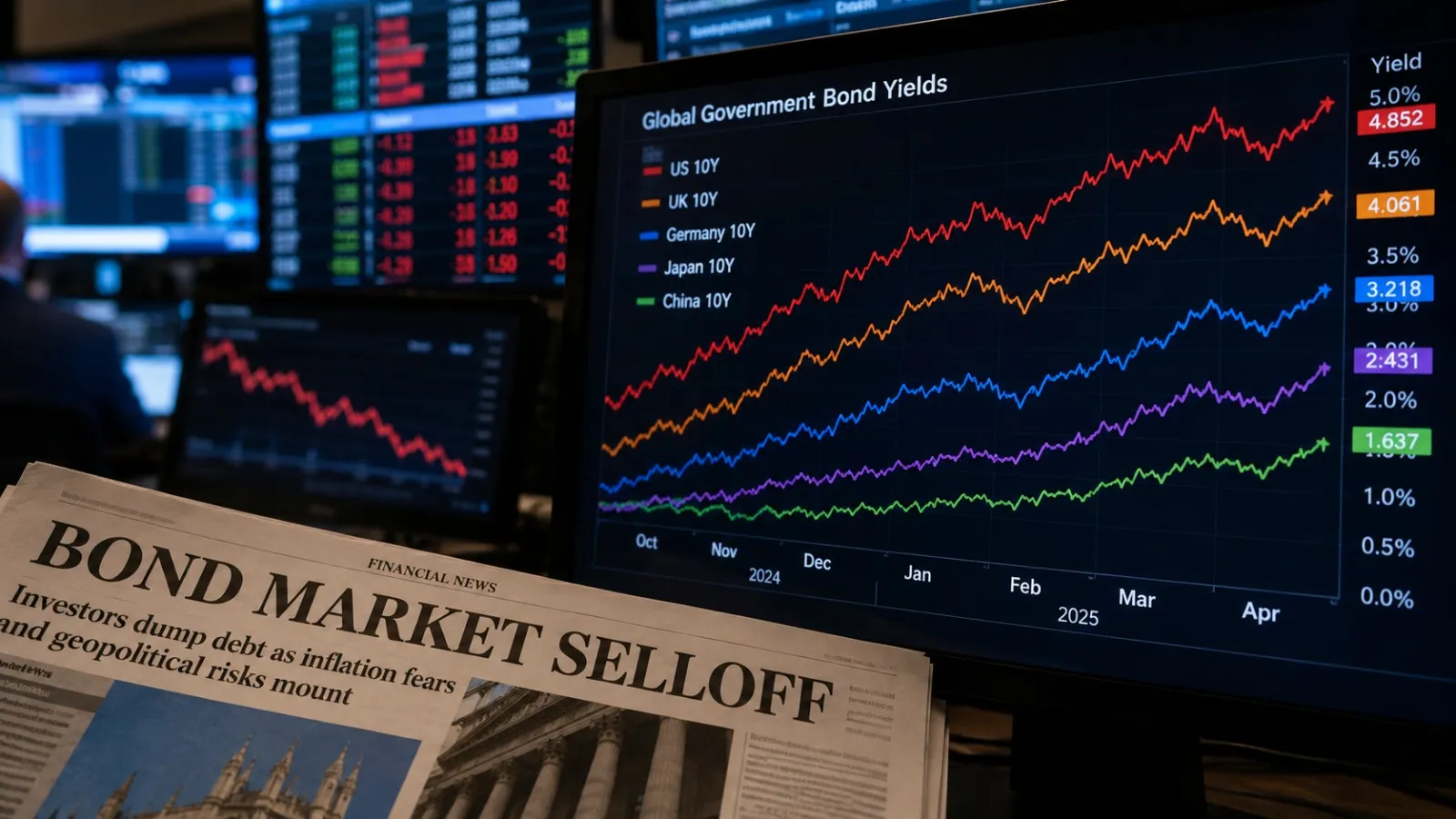
The practical implications of this dramatic reduction in shipping volumes extend directly to global oil price dynamics, with Brent crude having already surged substantially in response to the various developments associated with this latest escalation, including the attack on the Qatari liquefied natural gas tanker and the broader pattern of reduced transit activity through the strait. Energy analysts have noted that sustained disruption of this magnitude, if it continues for an extended period, carries the potential to meaningfully constrain global oil supply availability, with corresponding upward pressure on prices that could persist even beyond the immediate period of active hostilities, given the time typically required for shipping patterns and market confidence to fully normalise following periods of acute disruption.
Some energy market strategists have cautioned that markets may, at various points, have shown a degree of complacency regarding the ultimate scale of supply disruption risk, choosing instead to focus on the prospects for continued recovery in oil flows once any ceasefire or resolution is reached, rather than fully pricing in the possibility of prolonged or repeated disruption given the pattern of escalation and de-escalation that has characterised the conflict thus far. This dynamic leaves markets potentially vulnerable to further significant price volatility should the current disruption prove more severe or prolonged than currently anticipated.
INDIA'S DIRECT EXPOSURE
For India, which imports the substantial majority of its crude oil requirements, with a significant historical proportion sourced from Gulf producers whose exports transit directly through the Strait of Hormuz, this latest data on collapsing shipping volumes carries particularly acute significance. Any sustained reduction in the availability of Gulf-origin crude, or the sharply elevated freight and insurance costs associated with the reduced pool of vessels willing to operate in the affected waters, translates directly into higher landed costs for Indian crude oil imports, with corresponding pressure on the country's trade deficit, currency, and domestic inflation trajectory.
India has, in recent years, worked to diversify its crude oil import sources, reducing its historical reliance on Gulf-origin supplies in favour of a broader mix that includes increased volumes from Russia and other non-Gulf producers. While this diversification strategy provides a degree of insulation against the specific risk of a Strait of Hormuz disruption, it does not eliminate India's exposure entirely, given that global oil prices remain fundamentally interconnected regardless of the specific geographic source of any particular cargo, meaning that a supply disruption affecting Gulf exports tends to push up prices for crude sourced from alternative regions as well, through the basic mechanics of a globally integrated oil market.
SHIPPING INDUSTRY AND INSURANCE MARKET RESPONSE
The maritime shipping and insurance industries have had to rapidly adjust their risk assessment and operational practices in response to the deteriorating security situation around the strait, with war risk insurance premiums for vessels transiting the affected waters having reportedly risen substantially, adding meaningfully to the overall cost of shipping oil and other cargo through the region. Some shipping companies have opted to reroute vessels around the strait entirely where operationally feasible, accepting considerably longer transit times and higher fuel costs as a trade-off against the elevated security risks associated with continued direct transit through the affected waterway.
This industry-wide recalibration of risk tolerance and operational practice reflects the severity with which the shipping and insurance sectors have come to view the current situation, providing an important real-world validation of just how seriously market participants are treating the ongoing conflict's implications for safe passage through one of the world's most critical maritime chokepoints.
LOOKING AHEAD: KEY VARIABLES TO WATCH
As the situation continues to evolve, several key variables will likely determine whether current transit volumes stabilise, deteriorate further, or begin to recover toward more normal historical levels. Foremost among these is the trajectory of direct US-Iran diplomatic engagement, with any credible progress toward a durable ceasefire likely to provide meaningful reassurance to shipping companies and insurers, potentially supporting a gradual recovery in transit volumes even if full normalisation takes considerably longer to achieve. Conversely, further attacks on vessels or oil infrastructure in the region could accelerate the current decline in shipping activity, with corresponding further upward pressure on global oil prices and the various downstream economic consequences that follow for oil-importing nations including India. For now, the stark data point of just 57 tanker transits over a three-day period serves as a sobering, concrete illustration of the real-world costs already being exacted by the ongoing conflict, translating headline geopolitical tensions into a tangible and measurable disruption of the global energy trade flows upon which economies worldwide, India very much included, continue to depend.
HOW SHIP-TRACKING DATA IS COMPILED AND ITS RELIABILITY
Maritime tracking platforms like MarineTraffic rely substantially on the Automatic Identification System, a satellite and terrestrial-based tracking technology that commercial vessels are generally required to operate continuously under international maritime law, transmitting data including a vessel's identity, position, course, and speed to receiving stations and satellites that feed this information into publicly and commercially accessible tracking databases. This system provides analysts, researchers, and market participants with a relatively reliable, near-real-time window into global shipping patterns, including the ability to track vessel movements through specific chokepoints like the Strait of Hormuz with a reasonable degree of granularity and accuracy.
However, ship-tracking data of this kind does carry certain limitations that analysts typically account for when interpreting the resulting figures, including the possibility that some vessels operating in high-risk conflict zones may deliberately disable or manipulate their Automatic Identification System transponders in order to reduce their visibility to potential threats, a practice sometimes referred to as "going dark" that could, in principle, result in some transit activity not being fully captured within publicly available tracking data. Despite this caveat, the dramatic scale of the decline reported in recent data, a drop of more than 50 percent compared to typical weekly transit volumes, is generally regarded by industry analysts as reflecting a genuine and substantial real-world reduction in shipping activity, rather than simply an artifact of changed vessel tracking behaviour.
COMPARISON WITH PREVIOUS DISRUPTION EPISODES
The current disruption to Strait of Hormuz shipping traffic can usefully be compared against previous episodes of reduced transit activity earlier in the broader US-Iran conflict, including the period following the conflict's initial outbreak in February, when transit volumes had, at various points, fallen to similarly depressed levels amid the earliest and most intense phase of hostilities. The subsequent partial recovery in shipping activity that followed the earlier interim peace agreement had offered some encouragement that normalisation, while gradual, remained achievable once diplomatic conditions permitted. The current relapse to similarly depressed transit levels, following this period of partial recovery, underscores the fundamentally unresolved nature of the underlying conflict and the corresponding fragility of any shipping normalisation that occurs during periods of reduced hostilities without a comprehensive and durable underlying resolution.
INSURANCE MARKET IMPLICATIONS IN GREATER DETAIL
The maritime insurance industry's response to the deteriorating security situation has manifested through substantially elevated war risk premiums for vessels transiting the affected waters, with some estimates suggesting that these specialised insurance costs have risen by a significant multiple compared to rates prevailing during more stable periods. This cost escalation adds meaningfully to the overall economics of shipping oil and other cargo through the region, creating additional financial incentive for vessel operators to consider alternative routing options despite the substantially longer transit times and higher fuel costs typically associated with circumnavigating the affected chokepoint entirely.
ALTERNATIVE ROUTING OPTIONS AND THEIR LIMITATIONS
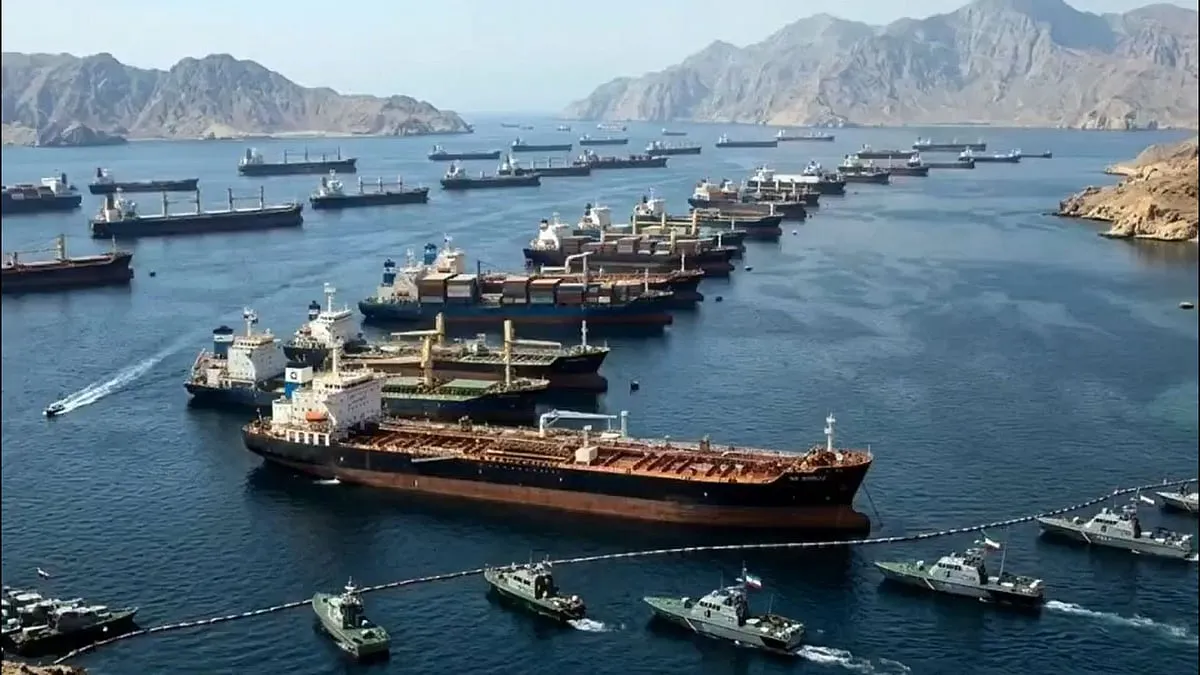
For shipping companies seeking to avoid the elevated risks associated with direct Strait of Hormuz transit, alternative routing options remain limited and generally far less economically attractive. Some Gulf producers maintain pipeline infrastructure capable of transporting crude oil overland to alternative export terminals that bypass the strait entirely, though the total capacity of such pipeline alternatives remains a fraction of the volumes that would normally transit the strait by sea, meaning these alternatives can only partially offset any sustained reduction in direct maritime transit capacity. Other potential routing adjustments, including longer voyages around the Arabian Peninsula, add substantially to transit times and fuel costs, effects that ultimately translate into higher landed costs for the oil-importing nations at the other end of these extended supply chains.
GULF STATES' ECONOMIC STAKE IN RESOLUTION
Beyond the immediate combatants, the broader community of Gulf oil-producing and exporting nations, including Saudi Arabia and the United Arab Emirates, maintain an enormous economic stake in the swift resolution of the current disruption, given their overwhelming reliance on oil export revenues channelled through the strait. This shared economic interest has periodically translated into active diplomatic efforts by these nations to encourage de-escalation between Washington and Tehran, even as their ability to directly influence the trajectory of the underlying conflict remains inherently limited given their position as third parties to the core US-Iran confrontation, however directly affected they may be by its economic consequences.