A State Government Investment Is Beginning To Reflect A Much Larger Shift In India’s Innovation Story
For years, conversations surrounding India’s startup ecosystem frequently followed a familiar pattern. Venture capital firms, private investors and global funds often occupied the center of discussions around startup growth and technology financing. State governments generally played supporting roles through policy initiatives, infrastructure support and startup incentives designed to create favorable environments for entrepreneurship. While these efforts helped strengthen ecosystems across multiple regions, direct participation in startup funding itself often remained relatively limited.
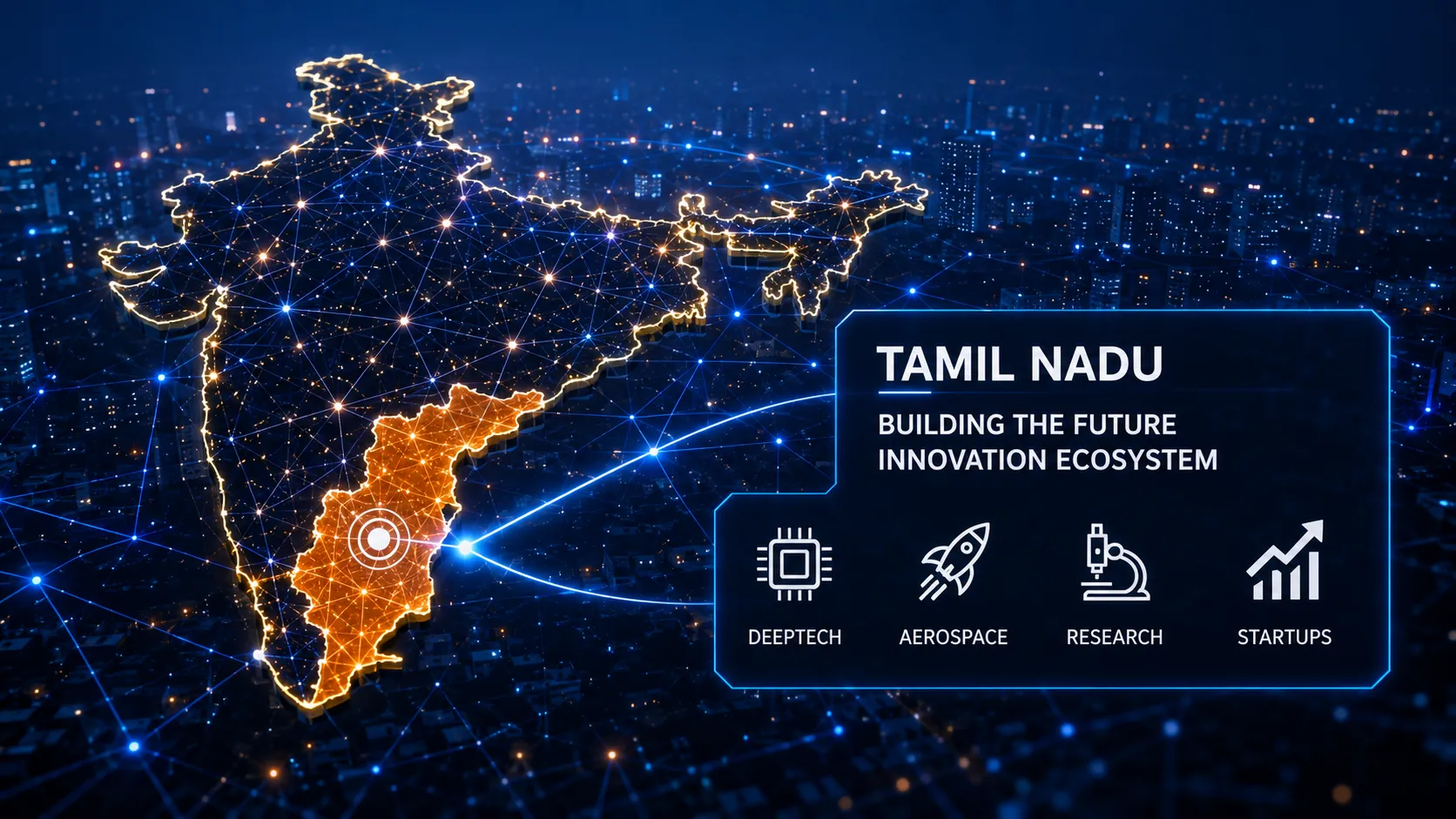
That pattern increasingly appears to be evolving. Tamil Nadu recently announced a ₹25 crore investment into Chennai-based spacetech startup AgniKul Cosmos through the Tamil Nadu Emerging Sector Seed Fund (TNESSF), marking one of the state’s notable moves into direct deeptech support. The investment itself may appear relatively modest when compared with larger venture rounds seen across India’s technology landscape. Yet the broader significance increasingly appears tied not simply to the amount involved but to what it may represent. Increasingly, state governments themselves appear willing to participate more directly in shaping future technology ecosystems.
AgniKul itself already occupies a meaningful position inside India’s emerging spacetech ecosystem. Founded by Srinath Ravichandran and Moin SPM and incubated at the Indian Institute of Technology Madras, the company gained attention for developing customizable launch vehicles and advanced rocket manufacturing systems. Earlier this year, AgniKul successfully conducted a suborbital launch involving its Agnibaan SOrTeD mission, becoming one of India’s notable private spacetech milestones. The company also attracted attention around its use of 3D-printed rocket engine technology, an area increasingly associated with next-generation aerospace innovation.
Viewed independently, the investment may appear like another startup funding story. Viewed within a broader context, however, it increasingly appears connected to changing assumptions surrounding how future innovation ecosystems may be built.
Deeptech Increasingly Requires Different Funding Models Than Traditional Startup Categories
Part of the significance surrounding Tamil Nadu’s investment involves the nature of deeptech itself. Over the last decade, many startup sectors frequently operated according to familiar venture capital models involving software platforms, digital products and relatively shorter development timelines. Deeptech environments often function differently.
Companies operating across areas involving aerospace, semiconductors, advanced manufacturing and scientific research frequently require substantial research periods before commercialization becomes visible. Product development timelines often extend across years rather than months. Infrastructure requirements remain significant while technical complexity frequently creates additional challenges around early-stage financing.
As a result, many deeptech founders globally continue encountering a familiar challenge. Traditional venture ecosystems often seek faster pathways toward growth and measurable commercial traction, while deep scientific innovation frequently requires patient capital capable of supporting experimentation and extended development cycles.
This challenge increasingly created discussion across India’s technology ecosystem regarding funding structures capable of supporting emerging sectors. Policymakers and ecosystem leaders increasingly recognized that future technology leadership may require approaches extending beyond conventional venture frameworks.
Tamil Nadu’s investment increasingly appears connected to this broader realization.
Rather than operating only as a policy facilitator, the state increasingly seems interested in participating more actively within sectors considered strategically important.
India’s Spacetech Ecosystem Is Entering A Very Different Phase
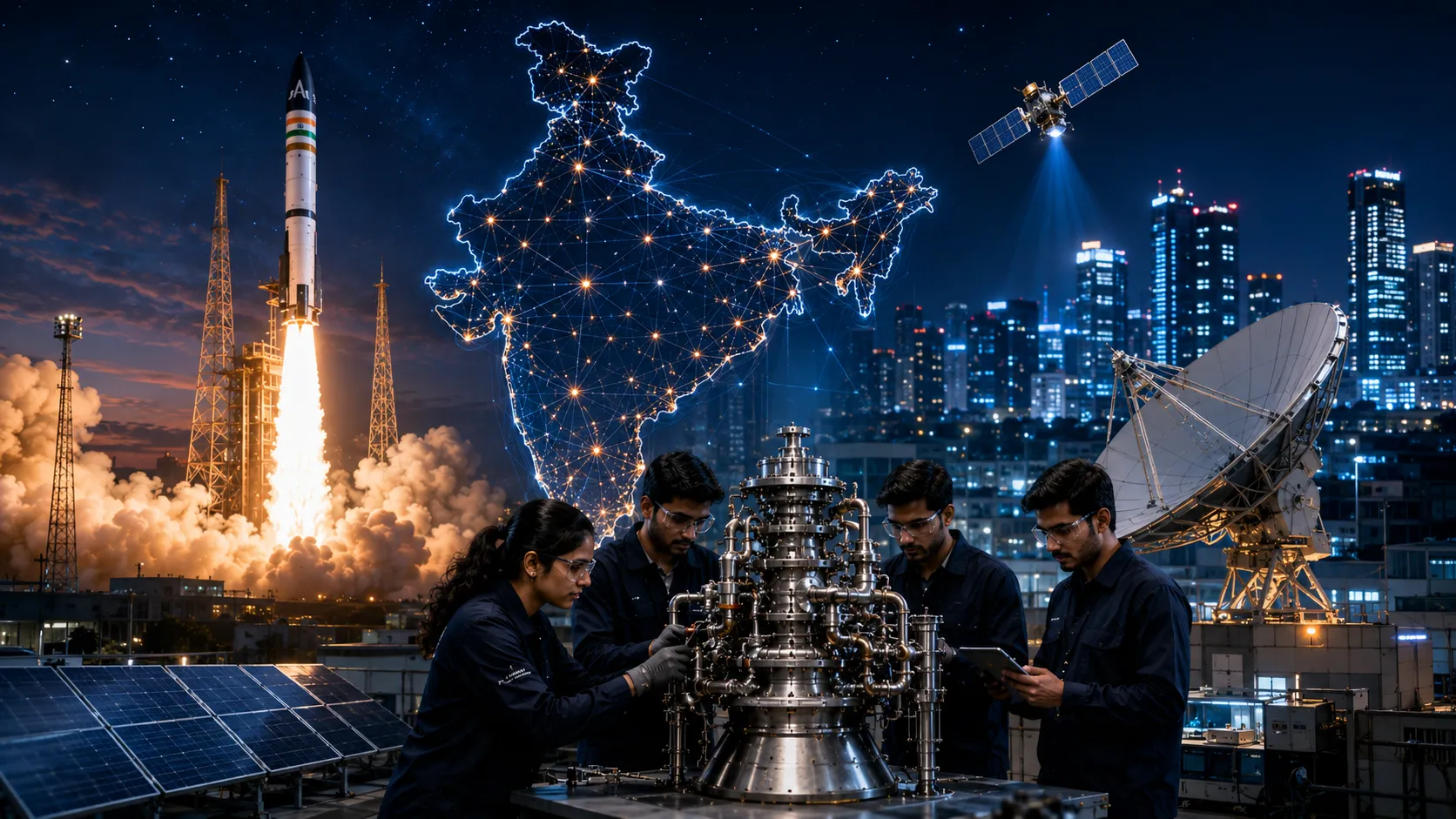
AgniKul’s funding story also arrives during a period of rapid change involving India’s broader spacetech ecosystem. For decades, India’s space ambitions largely remained associated with government institutions, particularly the Indian Space Research Organisation (ISRO). While India achieved significant milestones through public institutions, private participation historically remained comparatively limited.
That landscape changed substantially after reforms introduced in 2020 opened greater opportunities for private-sector participation across space technologies. The emergence of organizations such as IN-SPACe created frameworks allowing startups greater access to infrastructure, testing environments and broader collaboration opportunities.
The effects increasingly became visible across startup ecosystems.
Companies including AgniKul, Skyroot Aerospace and Pixxel increasingly emerged among India’s most closely watched deeptech businesses. Investors gradually increased exposure around spacetech categories while founders increasingly explored opportunities involving launch systems, satellites and aerospace infrastructure.
Importantly, India’s spacetech expansion increasingly appears linked to larger global developments. Commercial space economies continue expanding internationally as governments and businesses increase demand around satellites, communication systems and launch infrastructure. Industry projections increasingly suggest that global space economies may expand substantially over the coming decade, creating opportunities for emerging ecosystems capable of participating effectively.
State Governments Increasingly Appear Interested In Competing For Future Industries
One of the broader themes emerging beneath this development involves changing competition among Indian states themselves.
Historically, states frequently competed around manufacturing investments, industrial corridors and infrastructure projects. Increasingly, however, competition itself appears evolving. Technology ecosystems now increasingly influence regional economic strategies because future industries frequently create high-value employment opportunities and long-term innovation clusters.
States increasingly appear interested not only in attracting startups but also in becoming centers for specific sectors involving semiconductors, electric vehicles, artificial intelligence and deep scientific technologies.
Tamil Nadu already occupies a strong position across automotive manufacturing, electronics and industrial sectors. Supporting spacetech and deeptech ecosystems increasingly appears aligned with broader ambitions surrounding future economic positioning.The larger significance therefore may extend beyond one funding announcement.Increasingly, states themselves appear interested in becoming active participants in shaping future technology ecosystems rather than simply hosting them.
The Larger Story May Involve How India Builds Its Next Generation Of Innovation Infrastructure
The broader significance surrounding Tamil Nadu’s investment into AgniKul may ultimately involve what it reveals about changing assumptions surrounding innovation itself.
For years, startup ecosystems frequently depended heavily on private capital flows and traditional venture structures. Increasingly, however, sectors involving deep science and advanced technology appear creating new requirements involving patient capital, institutional participation and long-term ecosystem thinking.
India’s next generation of technology opportunities increasingly appears likely to involve sectors requiring significant infrastructure and extended research environments. Aerospace, semiconductors, quantum systems and advanced manufacturing frequently operate through timelines very different from traditional software startups.
Viewed through that lens, Tamil Nadu’s investment increasingly resembles more than financial support directed toward one startup.It increasingly appears connected to broader questions involving how future industries are funded and who participates in building them.
Because the next chapter of India’s startup ecosystem may not simply involve larger valuations.Increasingly, it may involve creating stronger foundations underneath future innovation itself.