A New Generation Of Startup Founders Is Beginning To Reach Investor Conversations Much Earlier Than Traditional Timelines
For years, India’s startup ecosystem frequently followed a relatively familiar founder journey. Entrepreneurs often accumulated years of industry experience before launching companies, while investors frequently preferred backing individuals with long professional track records and operational exposure. Startup narratives often involved experienced executives leaving established careers, identifying market gaps and gradually building businesses around expertise developed over time. As a result, age and experience frequently operated as informal signals influencing credibility and investor confidence.
Over recent years, however, another transition increasingly appears unfolding beneath India’s startup landscape. Younger founders increasingly seem entering entrepreneurial environments significantly earlier than previous generations, often building companies while still inside universities or immediately after graduation. Access to startup communities, creator ecosystems, founder networks and digital learning environments increasingly appears reshaping how entrepreneurial journeys begin. What once required years of industry access increasingly seems becoming available through communities, online ecosystems and mentorship environments operating much earlier in people’s lives.
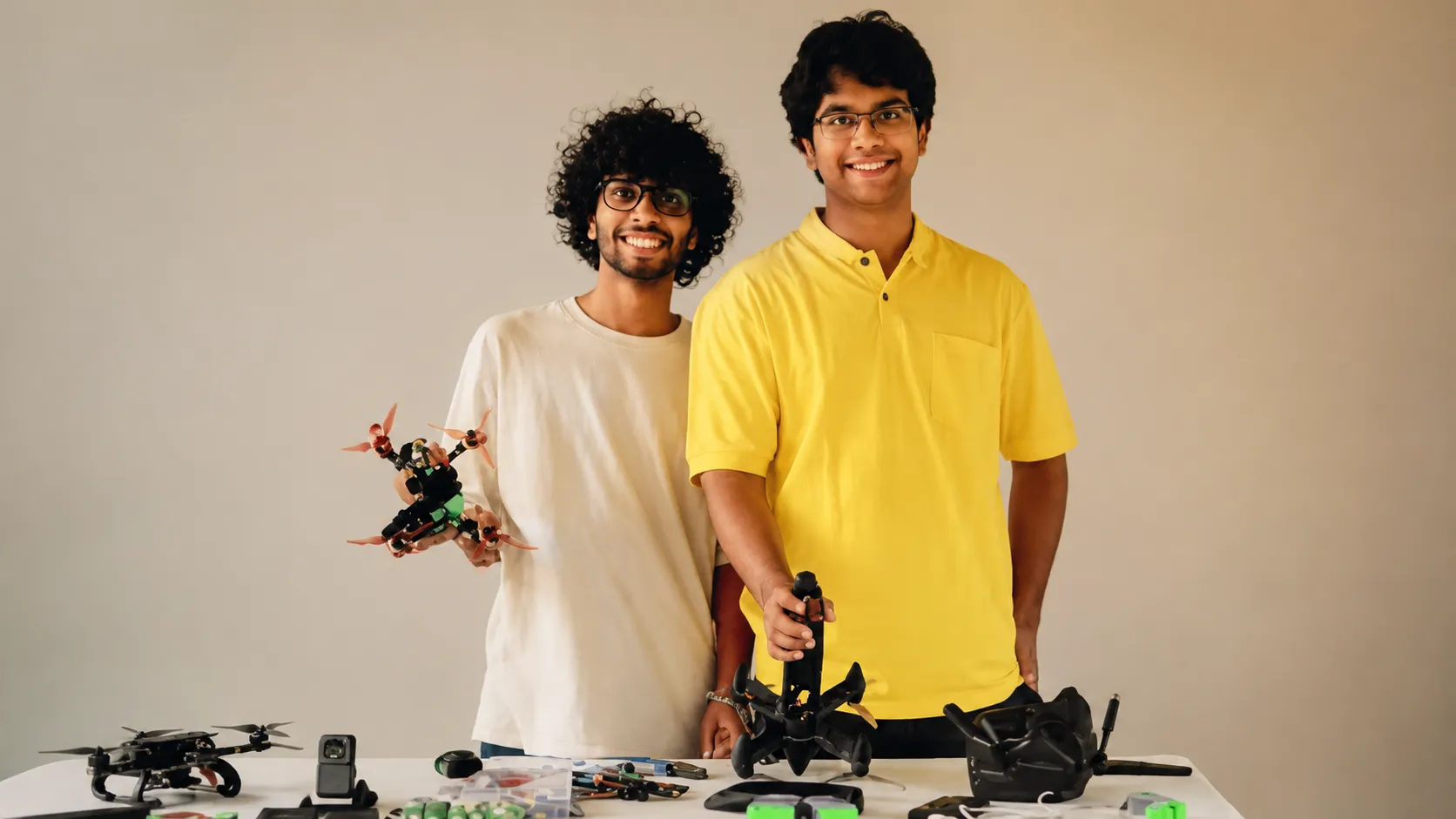
This broader shift recently gained stronger visibility through Apollyon Dynamics, a defense-tech startup founded by students from BITS Pilani, which raised approximately ₹4 crore shortly after launch. The company reportedly attracted backing from founders associated with Indian space and deep-tech ecosystems including leaders from Skyroot Aerospace, Dhruva Space and AgniKul Cosmos. The funding itself increasingly attracted attention not only because of the amount raised but because of what it appeared to represent: investors placing confidence around a company still at an extremely early stage of its journey.
Viewed independently, Apollyon’s round may initially appear like another early-stage startup announcement. Viewed through a broader funding and market lens, however, it increasingly resembles a larger story involving changing assumptions surrounding age, experience and who increasingly gains access to entrepreneurial opportunities.
Investor Confidence Increasingly Appears To Be Expanding Beyond Traditional Founder Profiles
Historically, startup investment frequently depended heavily upon founder backgrounds because experience itself often functioned as a visible signal reducing uncertainty. Investors frequently evaluated industry expertise, operational history and previous execution experience before placing substantial confidence around businesses still operating at highly uncertain stages.
Increasingly, however, investor behavior appears evolving. Capital environments increasingly seem recognizing that entrepreneurial capability frequently emerges through environments extending beyond traditional professional pathways. Students today increasingly operate inside startup communities, technology ecosystems and highly networked environments where learning, experimentation and mentorship occur earlier than previous generations experienced.
This transition increasingly matters because younger founders frequently approach problem-solving differently. They increasingly grow alongside rapidly changing technologies and frequently interact with emerging sectors before entering conventional career structures. As a result, investor confidence increasingly appears expanding beyond age itself and increasingly focusing on capability, access and founder environments.
The broader significance increasingly suggests startup ecosystems may increasingly evaluate readiness differently than earlier periods.
Deep-Tech Ecosystems Increasingly Appear To Be Creating New Mentorship Structures
Part of the significance surrounding Apollyon’s funding story increasingly involves who participated alongside the capital itself. Historically, startup ecosystems frequently operated through relatively separated layers where experienced founders and first-time entrepreneurs often existed inside different stages of development.
Increasingly, however, India’s deep-tech environment appears creating stronger founder ecosystems operating through mentorship and community relationships.
The reported involvement of founders from Skyroot Aerospace, Dhruva Space and AgniKul Cosmos increasingly appears meaningful because it reflects broader ecosystem maturity rather than isolated participation. The significance increasingly extends beyond financing itself and increasingly enters conversations involving how startup communities support future generations of founders.
This transition increasingly matters because entrepreneurial ecosystems frequently strengthen when experience itself becomes transferable rather than isolated.
Student Entrepreneurship Increasingly Appears To Be Entering More Complex Categories
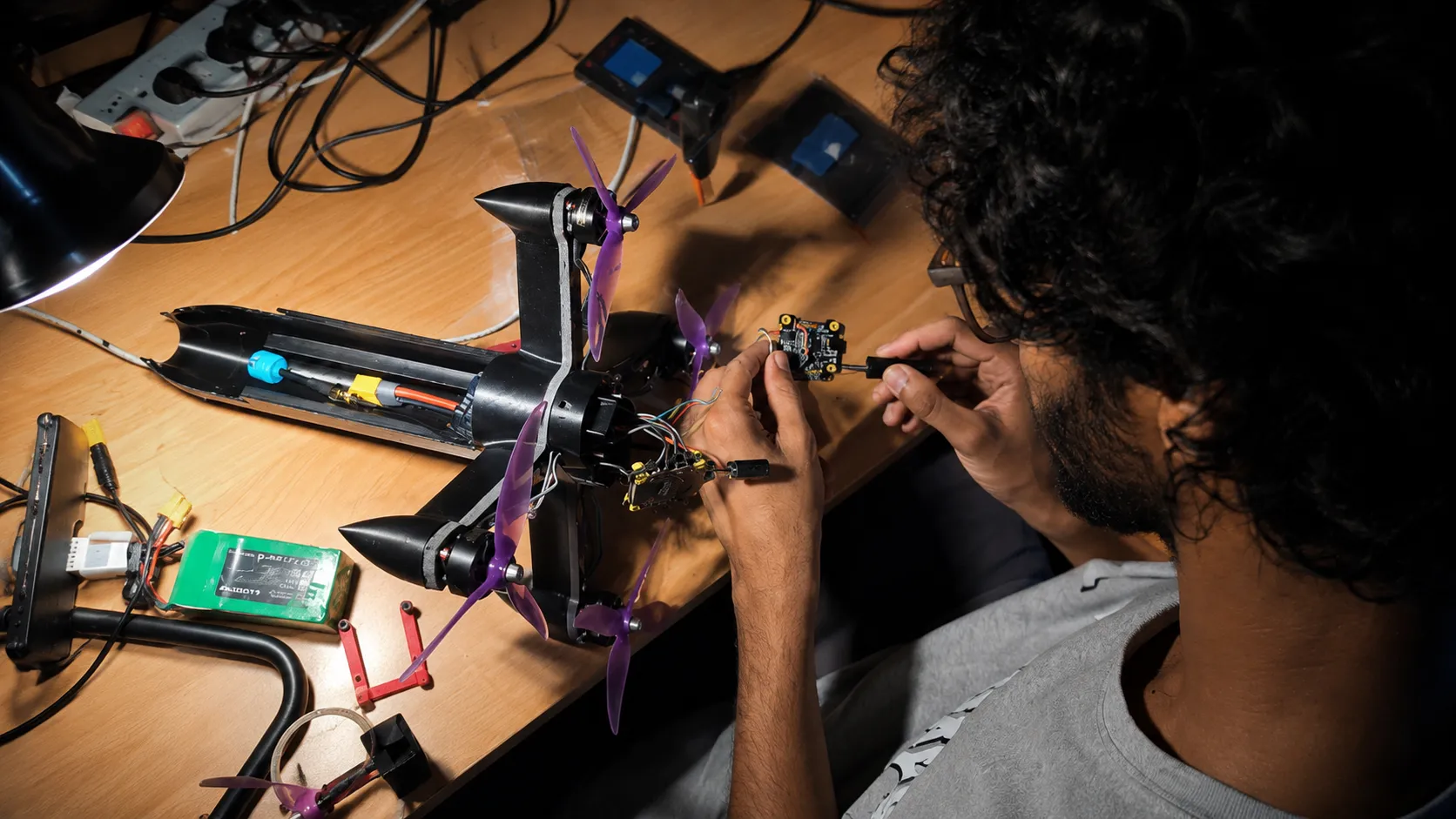
Another important dimension emerging beneath stories such as Apollyon increasingly involves changing assumptions surrounding sectors student founders themselves enter. Historically, younger entrepreneurs frequently concentrated around software applications or digital consumer products because barriers to entry often remained comparatively lower.
Increasingly, however, student-led businesses increasingly appear entering highly sophisticated sectors involving defense technology, aerospace, artificial intelligence and engineering-intensive environments.
This broader transition increasingly matters because deep-tech sectors frequently require long-term thinking, technical capability and institutional confidence simultaneously. The emergence of younger founders within these categories increasingly suggests broader changes involving education ecosystems, startup access and exposure environments capable of accelerating entrepreneurial participation earlier than previous generations experienced.
The broader significance increasingly suggests younger founders increasingly appear entering environments traditionally considered inaccessible during earlier stages of professional life.
The Larger Story Increasingly Extends Beyond One Funding Round Alone
The broader significance surrounding Apollyon Dynamics may ultimately involve what it reveals regarding how India’s startup ecosystem itself increasingly evolves. Historically, entrepreneurial pathways frequently followed relatively structured timelines involving education, employment and eventual business creation.
Viewed through a broader lens, however, stories involving student founders increasingly resemble more than startup announcements or funding milestones. They increasingly appear connected to larger realities involving access, mentorship and changing assumptions surrounding where entrepreneurial capability itself begins.
The larger funding story therefore may not simply involve a ₹4 crore round or another startup entering the defense-tech ecosystem. Increasingly, it may involve recognizing that India’s next generation of founders may not be waiting until later stages of their careers before entering startup environments. Increasingly, they appear beginning much earlier and investors increasingly seem willing to place confidence around that shift.