A New AI Funding Race Is Emerging Around The Infrastructure Powering Artificial Intelligence
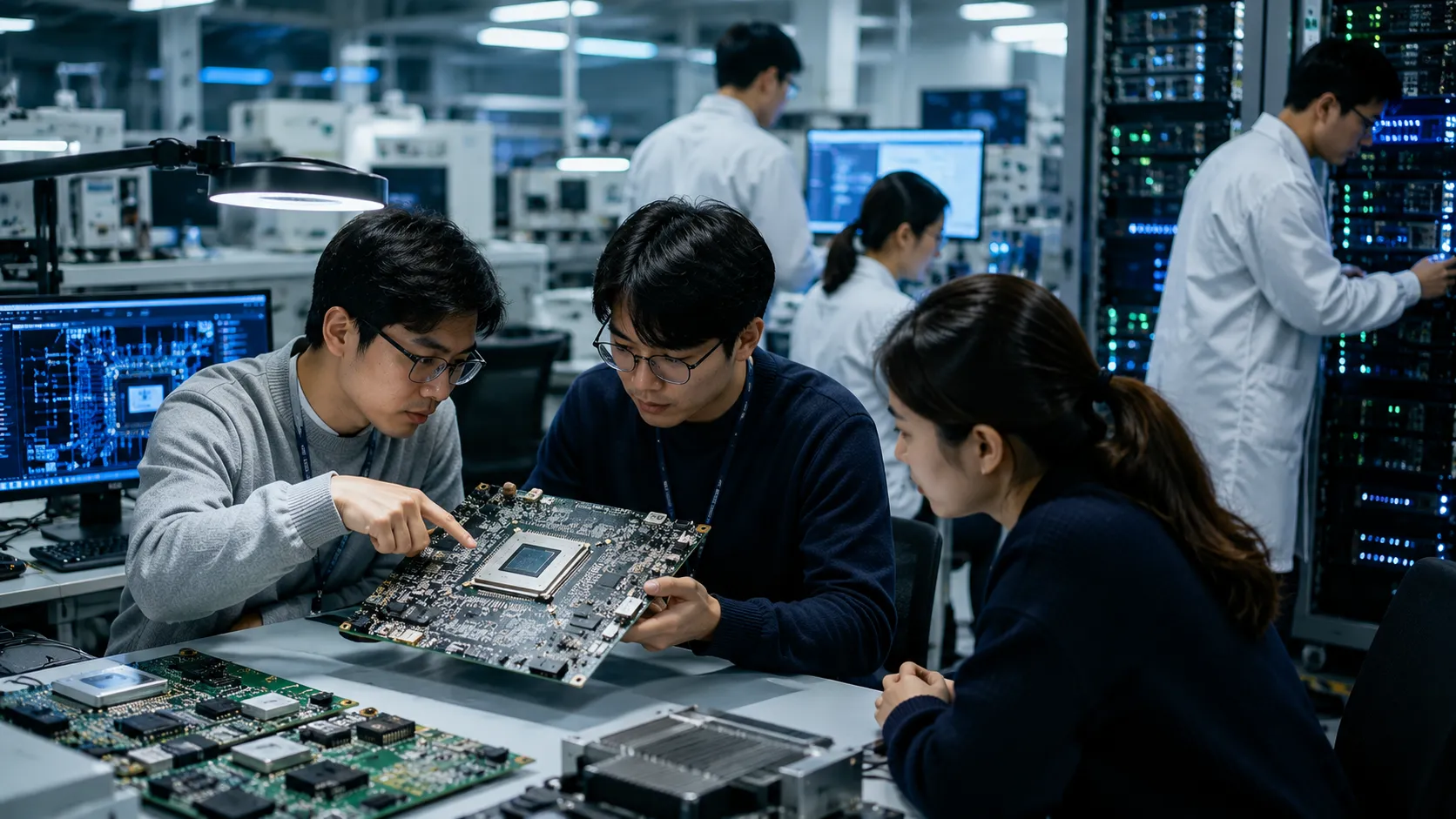
For much of the early artificial intelligence boom, public attention naturally gravitated toward visible products. Chatbots, AI assistants and generative platforms became the faces of a technological movement that rapidly entered mainstream conversations. Companies building applications attracted enormous investor attention because they represented the most visible layer of AI adoption. Yet beneath that excitement, another competition quietly accelerated in parallel — one focused not on applications but on the hardware infrastructure required to support them.
As artificial intelligence systems become increasingly sophisticated, the need for specialized computing power has expanded dramatically. Training and deploying AI models requires enormous processing capability, creating demand for advanced semiconductor technologies capable of supporting these environments efficiently. This shift has transformed AI chips from technical components into strategic assets increasingly central to technology competition itself.
That changing reality became more visible after South Korean AI semiconductor startup Rebellions announced a fresh $400 million funding round, valuing the company at approximately $2.34 billion. The investment round was backed by major institutions including Mirae Asset Financial Group and the Korea National Growth Fund, bringing the startup’s total funding to nearly $850 million. The funding itself reflects more than startup momentum. Increasingly, it signals investor confidence that AI infrastructure businesses may become among the most influential beneficiaries of the artificial intelligence era.
The AI Boom Is Quietly Creating A Different Set Of Winners
The first wave of artificial intelligence enthusiasm largely revolved around software. Companies raced to build conversational systems, automation tools and AI-powered applications capable of reaching millions of users. Increasingly, however, investors appear to be looking beneath those applications and examining the systems making those experiences possible.
Artificial intelligence does not operate through software alone. Data centers, cloud systems and AI applications depend on highly specialized hardware environments capable of processing enormous amounts of information continuously. As AI adoption accelerates across industries, infrastructure itself increasingly appears positioned as one of the most valuable layers of the ecosystem.
Rebellions has built its strategy around a particularly important segment of that market: AI inference chips. Unlike training systems used to build large models initially, inference systems support the operational side of AI by helping deployed models function efficiently in real-world environments. This distinction increasingly matters because AI applications ultimately create value not during training alone but during usage at scale. Every interaction involving AI assistants, recommendation systems and enterprise tools depends on hardware environments capable of supporting continuous activity.
Reports suggest Rebellions is increasingly targeting demand from telecommunications providers, cloud infrastructure businesses and government-backed AI environments. This positioning reflects a broader realization emerging across technology markets: the future AI race may increasingly involve who can deploy systems efficiently rather than simply who can build models first.
Asia Is No Longer Looking Only To Manufacture Technology
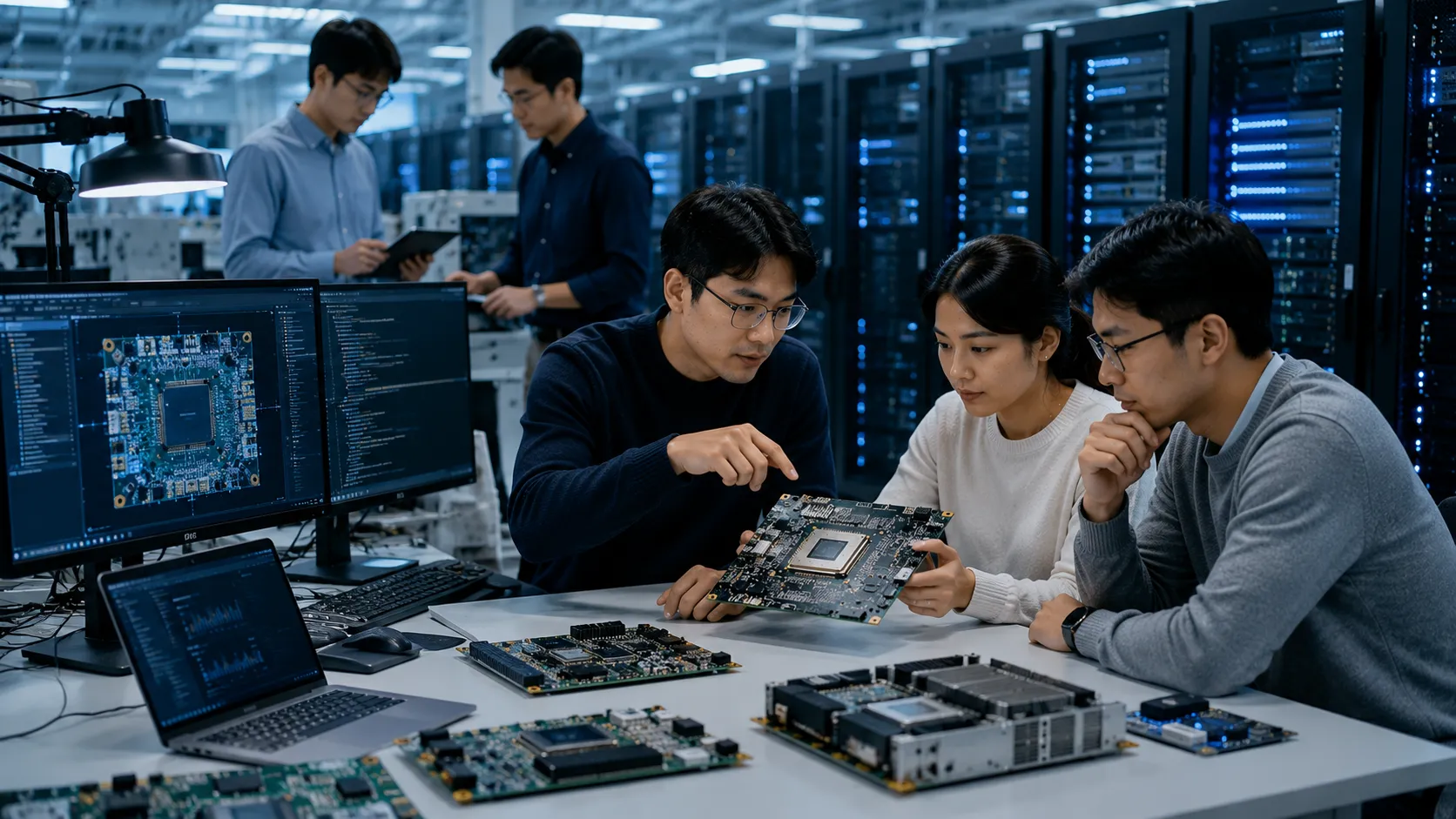
For decades, Asia occupied a critical position within global semiconductor ecosystems. Countries including South Korea, Taiwan and Japan became central manufacturing hubs supporting electronics supply chains worldwide. Their role frequently involved producing and supplying critical technologies that powered devices and industries globally.
Increasingly, however, ambitions appear to be evolving.
Governments across Asia are now investing aggressively in AI ecosystems, domestic semiconductor capabilities and broader technological independence strategies. The objective increasingly appears larger than manufacturing leadership. Countries now seek stronger positions across design, infrastructure and AI technology ecosystems themselves.
South Korea’s support surrounding Rebellions illustrates this broader shift clearly. Reports indicate that the Korea National Growth Fund contributed roughly 250 billion won through what represents one of the government's first major direct investments linked to broader efforts designed to create globally competitive AI chip businesses. The initiative itself reportedly forms part of South Korea’s larger "K-Nvidia" strategy, aimed at developing domestic alternatives capable of competing within global semiconductor markets.
The symbolism surrounding that effort appears significant because semiconductor discussions increasingly extend beyond business alone. Chips now influence economic competitiveness, national strategy and long-term technological resilience.Increasingly, semiconductors appear less like products.And more like infrastructure.
Semiconductor Competition Increasingly Reflects A Broader AI Power Shift
Historically, semiconductor development often represented one of technology’s most difficult sectors. Building advanced chips required extensive research cycles, immense capital requirements and highly specialized expertise. As a result, only a relatively small number of companies globally managed to establish meaningful positions within the industry.
Artificial intelligence appears to be changing that landscape.
Demand around AI systems continues expanding rapidly across industries. Cloud computing growth, enterprise AI deployment and government-backed digital initiatives increasingly require new categories of infrastructure capable of handling evolving workloads. This has created opportunities for startups developing highly specialized products optimized around specific AI requirements.
Rebellions recently outlined plans involving expansion into the United States while accelerating production linked to products including its Rebel100 AI platform, RebelRack and broader deployment infrastructure systems. Rather than operating only as a chip producer, the company increasingly appears interested in building larger AI infrastructure ecosystems capable of supporting enterprise environments at scale.
This distinction matters because artificial intelligence increasingly functions through interconnected systems rather than isolated products. Businesses capable of building surrounding ecosystems often create stronger long-term positions than companies competing only around hardware specifications.
Investors Increasingly Believe AI Infrastructure Represents A Long-Term Opportunity
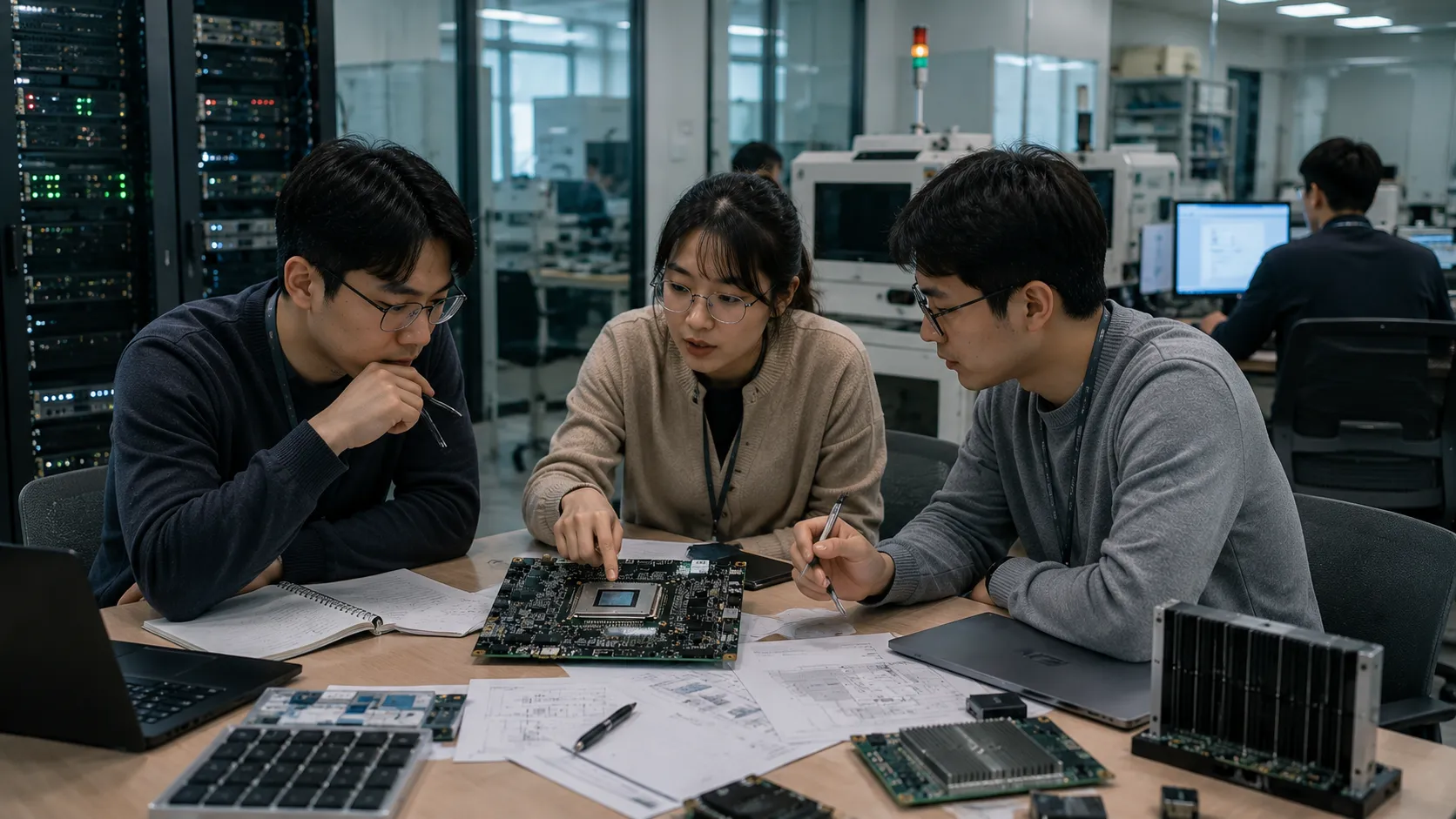
The scale of Rebellions’ latest funding round also reflects broader changes occurring within investment behavior itself. Venture capital firms and institutional investors increasingly appear willing to allocate substantial capital toward businesses supporting AI growth over long periods rather than focusing exclusively on short-term opportunities.
Rebellions reportedly raised nearly $650 million within roughly six months, a pace highlighting how rapidly investor attention around AI infrastructure continues accelerating. Funding activity at this scale often signals broader market assumptions regarding where future value creation may emerge.
Artificial intelligence demand continues expanding globally. Cloud infrastructure requirements continue increasing. Governments continue prioritizing digital competitiveness. Together, these trends create environments where infrastructure businesses increasingly appear positioned around long-term opportunities rather than temporary cycles.
Investors increasingly seem to believe that while applications may evolve rapidly, infrastructure frequently creates more durable advantages.
Why This Story Extends Beyond One Startup Funding Announcement
The larger significance surrounding Rebellions’ funding story may ultimately involve what it reveals about the future structure of AI competition itself.
Much of the early AI conversation centered around visible products and software experiences. Increasingly, however, attention appears shifting toward more foundational questions involving infrastructure ownership, semiconductor ecosystems and long-term technological independence.
Because the next chapter of artificial intelligence may not simply depend on who creates smarter software.It may increasingly depend on who builds the systems quietly powering everything underneath.