A Different Economic Story Is Beginning To Take Shape Across Saudi Arabia
For decades, Saudi Arabia’s economic identity remained closely connected to one industry. Oil revenues shaped national growth, influenced public spending and positioned the kingdom among the world’s most influential energy economies. Much of the international conversation surrounding Saudi Arabia frequently revolved around petroleum markets, energy policy and global supply dynamics. While economic diversification had periodically appeared within policy discussions, hydrocarbons remained the central force shaping both perception and long-term strategy.
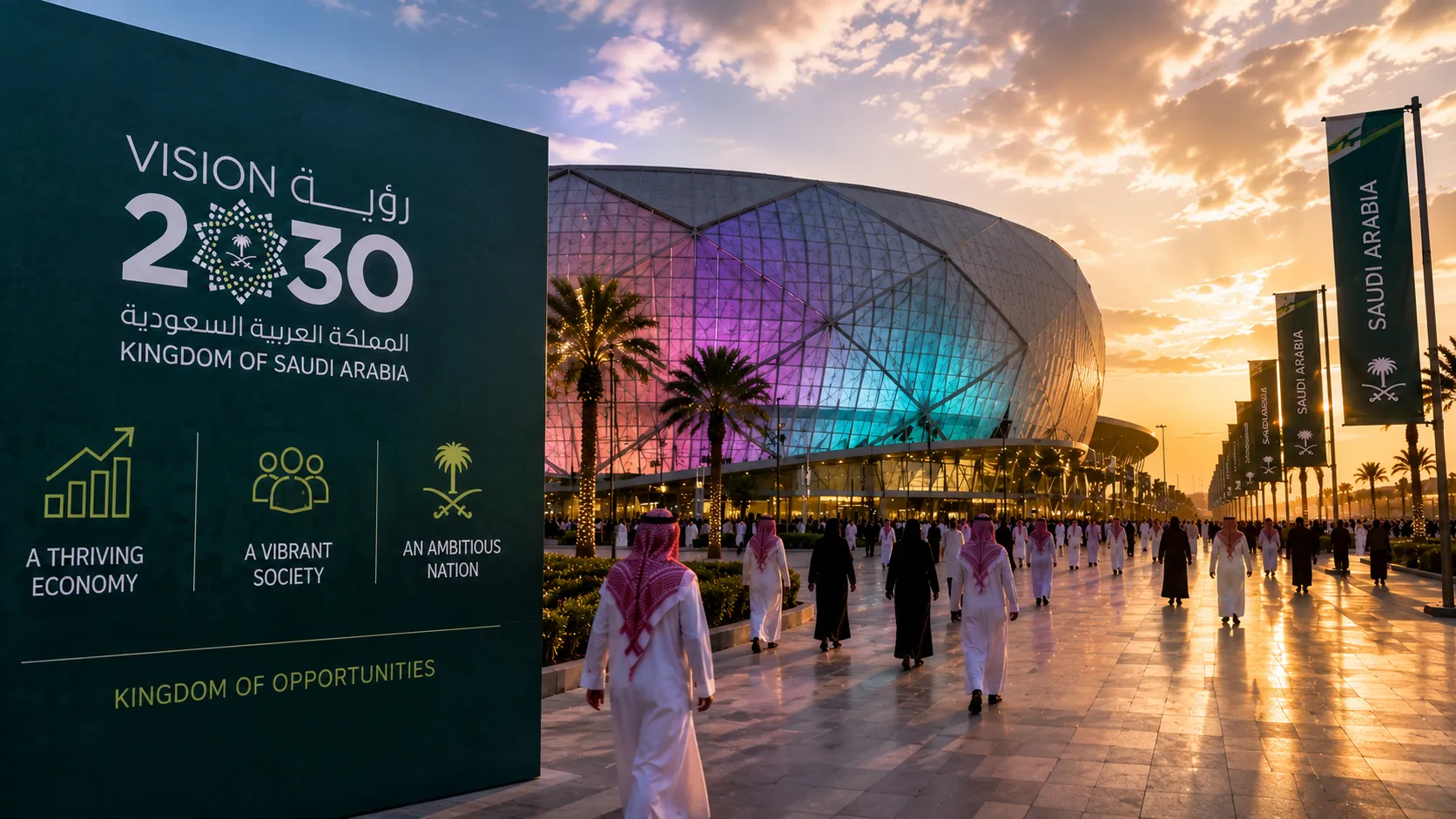
Over the last several years, however, a noticeably different story has begun emerging. Saudi Arabia increasingly appears engaged in one of the most ambitious economic transformation projects currently taking place anywhere in the world. Through Vision 2030, the kingdom introduced a long-term strategy intended to reduce dependence on oil revenues and create broader engines of economic activity capable of supporting future growth. Tourism, infrastructure, technology, logistics and private-sector expansion all became important components of that vision. Yet among these categories, sports and entertainment increasingly emerged as some of the most visible and internationally discussed investment priorities.
What initially appeared to many observers as isolated investments or headline-driven acquisitions increasingly resembles something larger and more coordinated. Investments involving football clubs, esports ecosystems, entertainment cities and global sporting partnerships now increasingly appear connected to broader ambitions surrounding economic diversification, global influence and domestic transformation. The scale itself reflects the seriousness of the effort. Saudi Arabia’s Public Investment Fund (PIF), one of the world’s largest sovereign wealth funds with assets estimated above $900 billion, continues operating as one of the primary vehicles supporting these initiatives. Increasingly, these investments appear designed not simply to create new industries but to reshape how Saudi Arabia positions itself within the global economy.
Sports Increasingly Appears To Be Operating As Economic Infrastructure Rather Than Entertainment Alone
Over recent years, Saudi Arabia’s presence within global sports expanded rapidly and often dramatically. Football partnerships, international tournaments, combat sports events, motorsport competitions and golf investments increasingly placed the kingdom at the center of global sports discussions. Major athlete signings and high-profile sponsorship agreements generated enormous visibility and frequently sparked debate regarding long-term objectives.
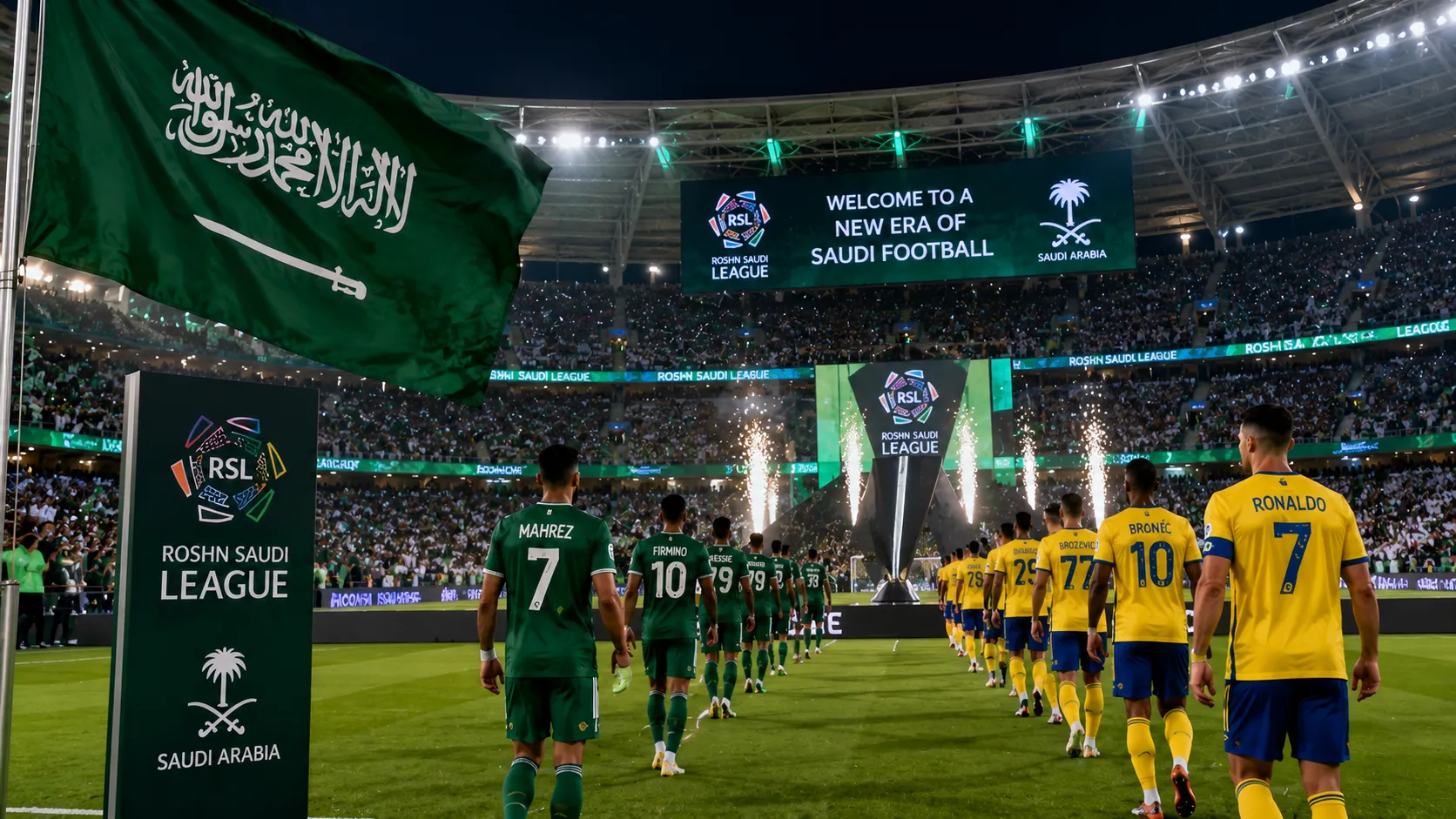
Public attention often focused heavily on the scale of spending itself. Discussions surrounding transfer fees and large investment commitments frequently dominated headlines. Yet beneath that attention, a broader strategy increasingly appears visible. Saudi Arabia increasingly seems to view sports not simply as entertainment categories but as economic ecosystems capable of generating broader activity across multiple industries simultaneously.
Globally, sports increasingly functions as a major economic sector influencing tourism, infrastructure, hospitality, broadcasting and consumer spending. Hosting large-scale sporting events frequently creates ripple effects extending far beyond stadiums and competitions themselves. New transportation systems emerge. Hospitality sectors expand. International tourism increases. Private investment opportunities often grow around surrounding ecosystems.
Saudi Arabia increasingly appears interested in this broader economic model. Sports investments increasingly align with larger objectives involving international visibility, tourism expansion and private-sector participation. Rather than functioning as isolated events, these investments increasingly appear connected to broader attempts to create sustainable economic activity capable of extending beyond traditional energy sectors. Reports surrounding Vision 2030 continue highlighting sports as an increasingly important contributor to economic diversification efforts and future growth planning.
Entertainment Is Becoming One Of Saudi Arabia’s Largest Economic Experiments
Alongside sports, entertainment increasingly appears central to Saudi Arabia’s broader transformation efforts. Historically, entertainment infrastructure within the kingdom remained relatively limited compared with many international markets. Over recent years, however, significant changes began reshaping that landscape. Cinemas reopened. International events expanded. Music festivals, cultural experiences and large-scale entertainment initiatives increasingly entered public life.
The transformation itself increasingly appears designed around more than consumer demand alone. Entertainment increasingly functions as an investment category connected to broader ambitions involving urban development, tourism ecosystems and long-term economic diversification. The kingdom increasingly appears interested in creating environments capable not only of serving domestic audiences but also attracting international visitors and broader regional participation.
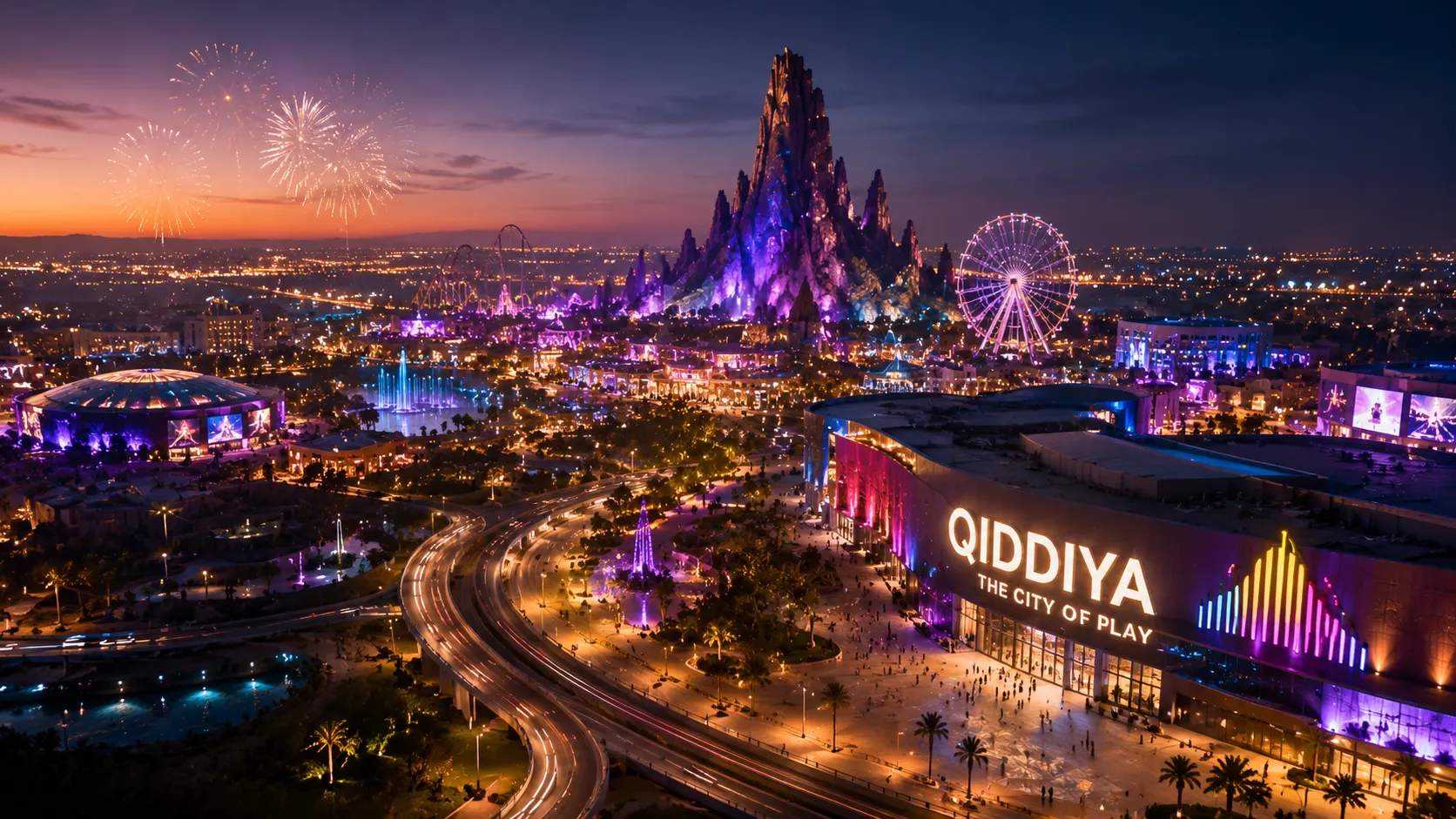
Projects such as Qiddiya, envisioned as a large-scale entertainment, lifestyle and sports destination, increasingly illustrate the scale of those ambitions. Plans involving entertainment districts, gaming experiences, sporting venues and tourism environments suggest that these initiatives are not operating as standalone developments. Increasingly, they appear designed as integrated ecosystems intended to support employment, hospitality industries and broader commercial activity over long periods.
Reports indicate that entertainment and tourism initiatives connected to Vision 2030 collectively involve investments reaching hundreds of billions of dollars. The scale reflects broader ambitions surrounding future economic structures. Rather than creating isolated attractions, Saudi Arabia increasingly appears interested in building entirely new categories of domestic industry capable of generating activity beyond oil markets themselves.
Gaming And Esports Are Quietly Becoming Another Major Investment Frontier
One of the more significant but comparatively less discussed aspects of Saudi Arabia’s diversification strategy increasingly involves gaming and esports. While global attention frequently focused on football and sporting investments, Saudi-backed entities simultaneously expanded substantial commitments involving gaming ecosystems and digital entertainment environments.
Recent years saw Savvy Games Group, supported by the Public Investment Fund, announce large-scale investment plans designed around establishing Saudi Arabia as a global gaming and esports center. These initiatives increasingly reflect changing assumptions surrounding entertainment itself. Gaming today no longer functions as a niche category limited to specific audiences. It increasingly operates as a major global industry influencing media consumption, technology development and digital communities.
Younger audiences globally increasingly spend substantial time within digital environments where gaming platforms function as social ecosystems and entertainment infrastructure simultaneously. The economic significance surrounding gaming therefore extends beyond software products alone. Competitive gaming environments, streaming ecosystems and broader digital communities increasingly create substantial commercial opportunities.
Saudi Arabia’s interest in gaming therefore increasingly appears connected to future behavioral shifts as much as present opportunities. The kingdom increasingly appears interested in sectors likely to shape future audience attention and cultural participation. As digital environments continue expanding globally, gaming increasingly functions not only as entertainment but as infrastructure surrounding future consumer ecosystems.
Saudi Arabia’s Broader Objective Increasingly Appears Connected To Reinvention Rather Than Diversification Alone
Much of the global discussion surrounding Saudi Arabia’s recent investments frequently centers around financial scale because the numbers themselves often attract attention. Billion-dollar investments naturally generate headlines and invite debate. Yet focusing exclusively on spending may overlook a larger transition occurring beneath these developments.
Historically, countries heavily dependent on natural resources often eventually confront broader questions involving long-term sustainability and economic resilience. Resource wealth frequently creates significant advantages while simultaneously introducing concerns surrounding diversification and future adaptability. Saudi Arabia increasingly appears engaged in one of the most significant attempts globally to address that challenge directly.
The broader transformation increasingly seems connected not simply to creating new industries but to reshaping the structure of future economic activity itself. Sports, entertainment, gaming and tourism increasingly appear linked to ambitions involving employment generation, domestic industry creation and changing international perception. These sectors increasingly function as mechanisms through which Saudi Arabia appears attempting to create entirely new foundations supporting future growth.
The transformation also increasingly reflects changing assumptions regarding national identity itself. Economies today frequently compete not simply around production capability or natural resources. Increasingly, they compete around talent attraction, cultural influence and global relevance. Countries increasingly seek positions within industries capable of influencing how they are perceived internationally and how future generations engage with economic opportunities.
Viewed through that broader lens, Saudi Arabia’s investment activity increasingly resembles something larger than a series of headline-making acquisitions. It increasingly appears connected to a long-term effort involving economic reinvention, strategic repositioning and attempts to build alternative futures capable of operating alongside energy wealth rather than depending entirely upon it.