A Food-Tech Category Once Built Around Consumer Acquisition Is Beginning To Attract Capital Through A Different Playbook
For years, India’s food-tech ecosystem frequently operated through a relatively familiar structure. Public conversations often revolved around consumer apps, delivery wars and high-frequency transaction businesses because food technology itself frequently became associated with ordering platforms and rapid customer acquisition. Venture funding frequently flowed toward businesses competing around scale, discounts and user growth because consumer-facing ecosystems often appeared capable of expanding rapidly. As a result, many investors frequently viewed food-tech primarily through B2C models where visibility and customer acquisition frequently dominated strategic thinking.
Over recent years, however, another transition increasingly appears unfolding beneath India’s broader startup landscape. Investors increasingly seem exploring food businesses operating behind consumer interfaces rather than directly in front of them. Infrastructure-led food models, supply systems and operating platforms increasingly appear attracting stronger attention because broader assumptions surrounding sustainability and profitability increasingly continue changing. What initially looked like isolated startup activity increasingly resembles a broader shift involving how capital itself increasingly evaluates economics within food ecosystems.
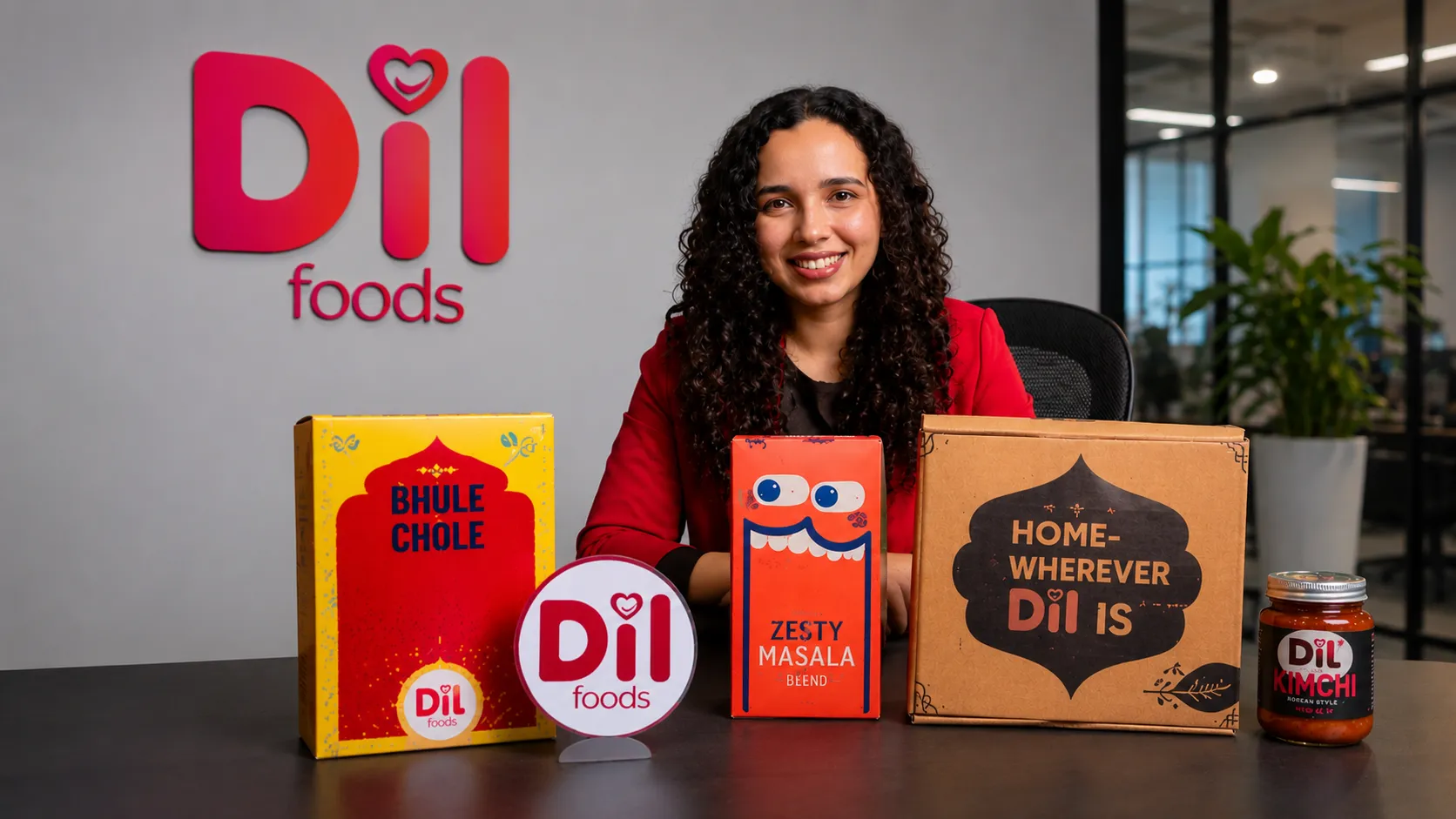
This broader movement recently gained stronger visibility after Dil Foods raised $7.7 million in a Series B round to expand its asset-light food infrastructure ecosystem. Founded by former Flipkart executive Raja Ganapathy, Dil Foods works with restaurants and cloud kitchens by enabling them to launch digitally native food brands through existing infrastructure rather than creating entirely new restaurant environments. Instead of building another consumer-facing app, the company increasingly appears constructing systems operating beneath existing food businesses. The funding itself increasingly appears significant because it arrives during a period where investor conversations increasingly seem questioning highly cash-intensive consumer models and searching for operational sustainability.
Viewed independently, Dil Foods’ latest raise may initially appear like another food-tech funding announcement. Viewed through a broader funding and market lens, however, it increasingly resembles a larger story involving how investors themselves increasingly rethink where durable opportunities inside food ecosystems may emerge.
Investor Priorities Increasingly Appear To Be Moving Beyond Consumer Acquisition Metrics
Historically, food-tech ecosystems frequently rewarded businesses capable of rapidly acquiring users and driving transaction growth. Visibility itself often became a major advantage because platforms operating directly with consumers frequently generated strong market attention and measurable growth narratives. Capital environments frequently favored scale because growth often appeared synonymous with future opportunity.
Increasingly, however, investor priorities appear evolving toward economics and operational sustainability. Markets increasingly seem asking different questions involving margins, repeatability and business resilience rather than customer acquisition alone. Backend infrastructure businesses frequently attract attention because they often create value without requiring constant consumer acquisition spending or highly aggressive promotional environments.
This transition increasingly matters because startup ecosystems frequently evolve once broader capital environments begin changing expectations. Investors increasingly appear recognizing that sustainable businesses frequently emerge not solely from customer-facing visibility but also from systems quietly enabling broader ecosystems. The broader significance increasingly suggests future startup opportunities may increasingly involve infrastructure and operational capability rather than interfaces alone.
Food Infrastructure Increasingly Appears To Be Becoming A Larger Startup Theme
Part of the significance surrounding Dil Foods increasingly involves broader changes occurring across food ecosystems themselves. Historically, restaurants and food operators frequently expanded through physical infrastructure and independently built operational systems because growth often depended heavily upon location expansion and consumer reach.
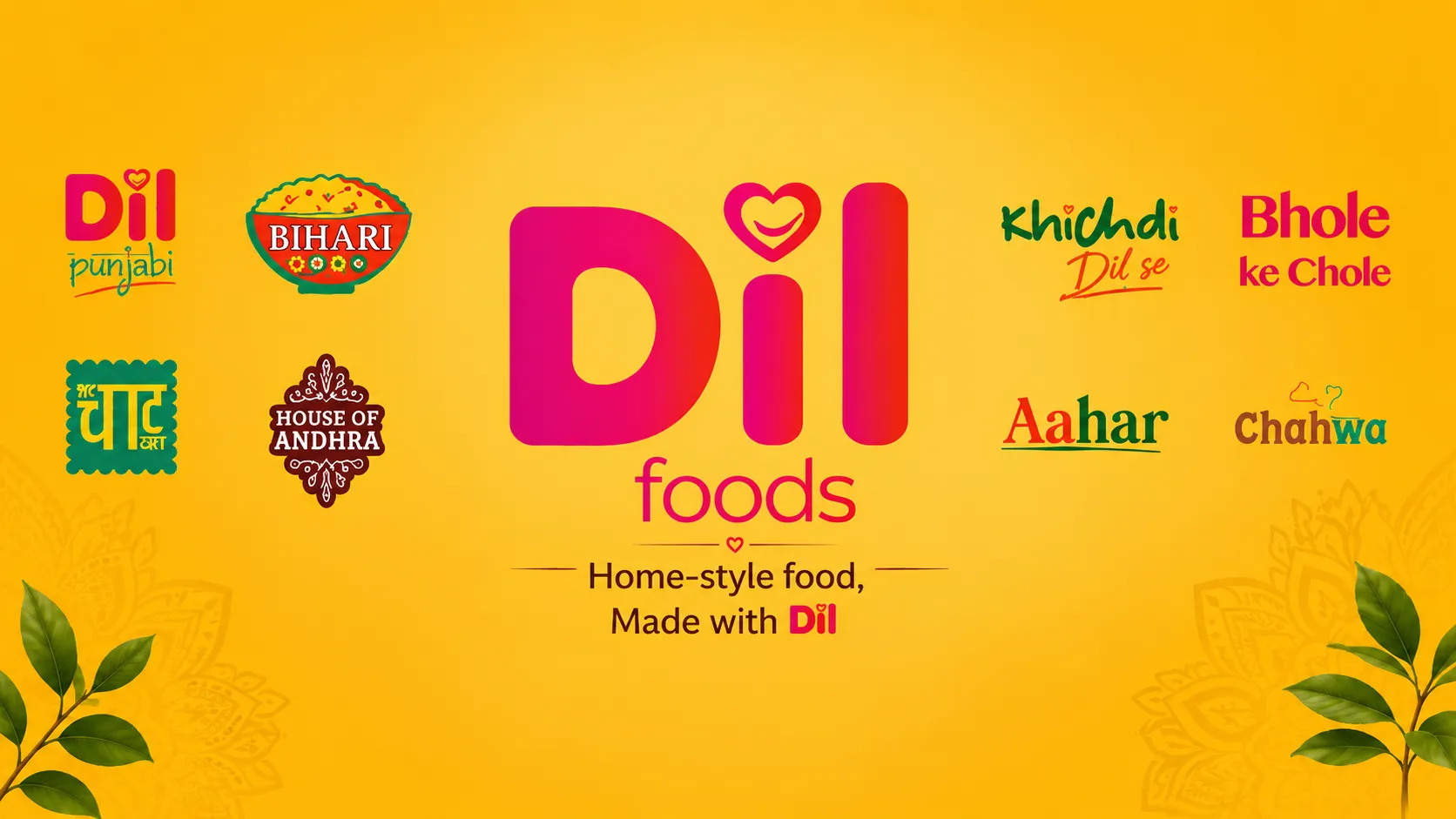
Increasingly, however, newer food businesses increasingly appear developing shared operating models where infrastructure itself becomes a service. Dil Foods enables restaurant partners to operate multiple digitally native food brands through existing kitchen environments rather than requiring entirely new setups. This increasingly matters because businesses increasingly appear creating efficiency through systems rather than expansion through duplication.
The broader transition increasingly suggests food technology itself increasingly extends beyond ordering behavior and increasingly enters conversations involving supply optimization, asset utilization and backend coordination. As food ecosystems become more competitive, operational systems increasingly appear becoming meaningful competitive advantages.
Capital Is Beginning To Reward Quiet Efficiency Over Visible Scale
Another important dimension emerging beneath Dil Foods’ latest raise increasingly involves changing assumptions surrounding venture capital itself. Historically, high-growth sectors frequently attracted substantial funding because expansion narratives frequently appeared highly compelling during periods of abundant capital availability. Visibility often became closely associated with confidence because companies operating directly with consumers frequently generated stronger market narratives.
Increasingly, however, broader investment environments appear operating differently. Investors increasingly seem prioritizing businesses demonstrating disciplined growth, stronger economics and models capable of sustaining themselves beyond short-term market enthusiasm. Categories once heavily influenced by customer growth metrics increasingly appear evaluated through operational durability and profitability potential.
This broader transition increasingly matters because capital frequently acts as an early indicator involving changing market thinking. Funding patterns often reveal where investors increasingly expect long-term value creation to emerge. The broader significance increasingly suggests future startup ecosystems may increasingly reward businesses capable of creating sustainable operating systems alongside visible growth.
Behind The Delivery App Economy, A Different Startup Layer Is Quietly Growing
The broader significance surrounding Dil Foods may ultimately involve what it reveals regarding how India’s startup ecosystem itself increasingly evolves. Historically, startup narratives frequently concentrated around customer-facing businesses because those categories often represented the most visible indicators of disruption and growth. Consumer apps frequently dominated headlines because users interacted with those products directly.
Viewed through a broader lens, however, Dil Foods increasingly resembles more than another Series B announcement. It increasingly appears connected to larger realities involving startup economics, operational sustainability and how ecosystems increasingly reorganize around efficiency rather than visibility alone. Some of the most meaningful business opportunities frequently emerge not through replacing visible systems but through strengthening the infrastructure operating beneath them.
The larger funding story therefore may not simply involve another $7.7 million Series B round or another food-tech startup attracting institutional capital. Increasingly, it may involve recognizing that some of India’s strongest startup opportunities may emerge not from businesses consumers see directly, but from the systems quietly operating behind the experiences they already use every day.