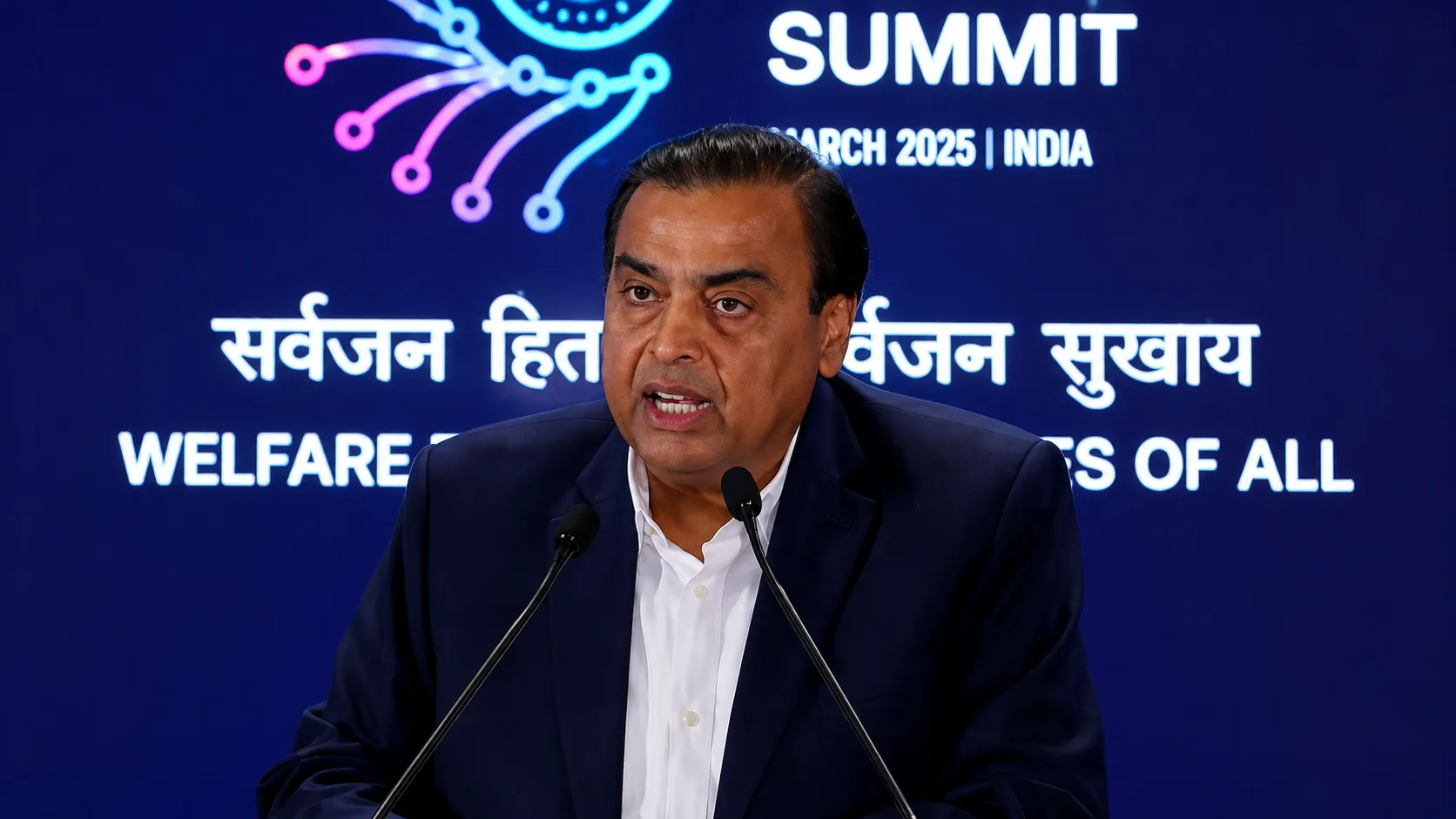
Every quarter, the Indian stock market pauses — briefly but unmistakably — for one company's earnings. Today, July 17, 2026, is that day for Reliance Industries Limited (RIL), as the Mukesh Ambani-led conglomerate's board of directors convenes to consider and approve the standalone and consolidated unaudited financial results for the quarter ended June 30, 2026 — the first quarter of financial year 2026-27 (Q1FY27). For a company that spans oil refining, petrochemicals, telecom, and retail, and that alone accounts for a meaningful slice of the Nifty 50's weight, this is not just another corporate disclosure. It is a bellwether moment for how analysts, investors, and policymakers read the health of the Indian economy in the months ahead.
Why This Quarter Matters More Than Usual
Reliance's conglomerate structure means its quarterly results function almost like a mini economic dashboard. The oil-to-chemicals (O2C) division tells you about global refining margins and petrochemical spreads. Jio tells you about telecom tariffs, data consumption, and digital penetration in the world's second-largest smartphone market. Retail tells you about urban and rural consumption patterns. And the upstream oil and gas business tells you about India's energy security calculus at a time when crude prices are elevated and geopolitical tensions are reshaping global energy flows.
This quarter arrives against a mixed backdrop. In the fourth quarter of FY26 (January–March 2026), RIL posted a 12.55% year-on-year decline in net profit to ₹16,971 crore, down from ₹19,407 crore in the same period the previous year. That decline was largely attributed to a drop in operating profit from the O2C segment — a segment that is inherently cyclical and sensitive to global refining margins, crude oil price differentials, and petrochemical demand, particularly out of China and Southeast Asia. A weak Q4 print naturally raises the stakes for Q1FY27: is this the start of a sustained margin compression cycle, or a temporary dip that reverses as refining economics normalize?
What Analysts Are Expecting
Ahead of today's announcement, sell-side analysts had published a range of estimates that, taken together, paint a picture of "resilience with pockets of pressure." One widely cited preview from Emkay Global projected a modest 2.8% year-on-year decline in net profit to approximately ₹17,567 crore, even as revenue was expected to jump nearly 39% year-on-year to around ₹3,38,420 crore — a divergence that itself tells a story. The same preview pegged EBITDA growth at roughly 4.9% year-on-year to about ₹45,013 crore, with EBITDA margins seen contracting by more than 400 basis points year-on-year.
Other estimates were somewhat more optimistic. A separate consensus compilation put sequential (quarter-on-quarter) consolidated revenue growth at around 2.4%, with commentary suggesting RIL could "kick off the new fiscal year on a positive note," driven primarily by an expected sequential improvement in O2C earnings.
Oil-to-Chemicals (O2C): Improved refining economics, stronger special economic zone (SEZ) refinery earnings, benefits from Reliance's US ethane-based petrochemical feedstock arrangement, and a weaker rupee were all cited as tailwinds.