A Startup Funding Story In Chennai Is Beginning To Reflect A Larger Industrial Shift Taking Shape Across Tamil Nadu
For years, startup funding discussions surrounding India’s electric-vehicle ecosystem frequently followed a relatively familiar pattern. Venture capital firms, private investors and global mobility funds often drove financing activity around emerging EV companies. Startups frequently depended on institutional investors and private capital because electric mobility businesses typically required significant investment across manufacturing, research and product development long before reaching commercial scale. While policy incentives frequently supported the broader ecosystem, direct state participation in startup funding itself remained comparatively uncommon.
Recent developments involving Chennai-based EV startup Raptee Energy increasingly suggest a different approach may be emerging.
The Tamil Nadu Industrial Development Corporation (TIDCO) recently approved a ₹25 crore investment into Raptee Energy under the Startup Investment Policy 2025, making the company one of the first recipients under the state-backed initiative. The investment arrives alongside a similar commitment toward spacetech startup AgniKul and reflects a broader strategy involving state participation in sectors considered strategically important for future industrial growth.
Viewed independently, the development may initially appear like another startup funding announcement inside India’s expanding EV ecosystem. Viewed through a broader funding lens, however, it increasingly appears connected to changing assumptions involving how future industries may be financed and how governments themselves increasingly participate within innovation ecosystems.
Electric Mobility Increasingly Appears To Be Entering A Manufacturing-Centered Phase
Part of the significance surrounding Raptee Energy’s funding story involves broader changes occurring within India’s EV landscape itself.
Early electric-mobility conversations frequently focused heavily around adoption rates, policy incentives and consumer acceptance. As the ecosystem matured, however, broader priorities increasingly appear shifting toward manufacturing capability, technological differentiation and long-term industrial positioning.
Electric vehicle ecosystems frequently require more than vehicle production alone. Battery systems, charging compatibility, component manufacturing and broader supply-chain infrastructure increasingly operate as interconnected environments. Companies capable of building technological depth frequently require patient capital because product development timelines often extend significantly beyond software-driven startup cycles.
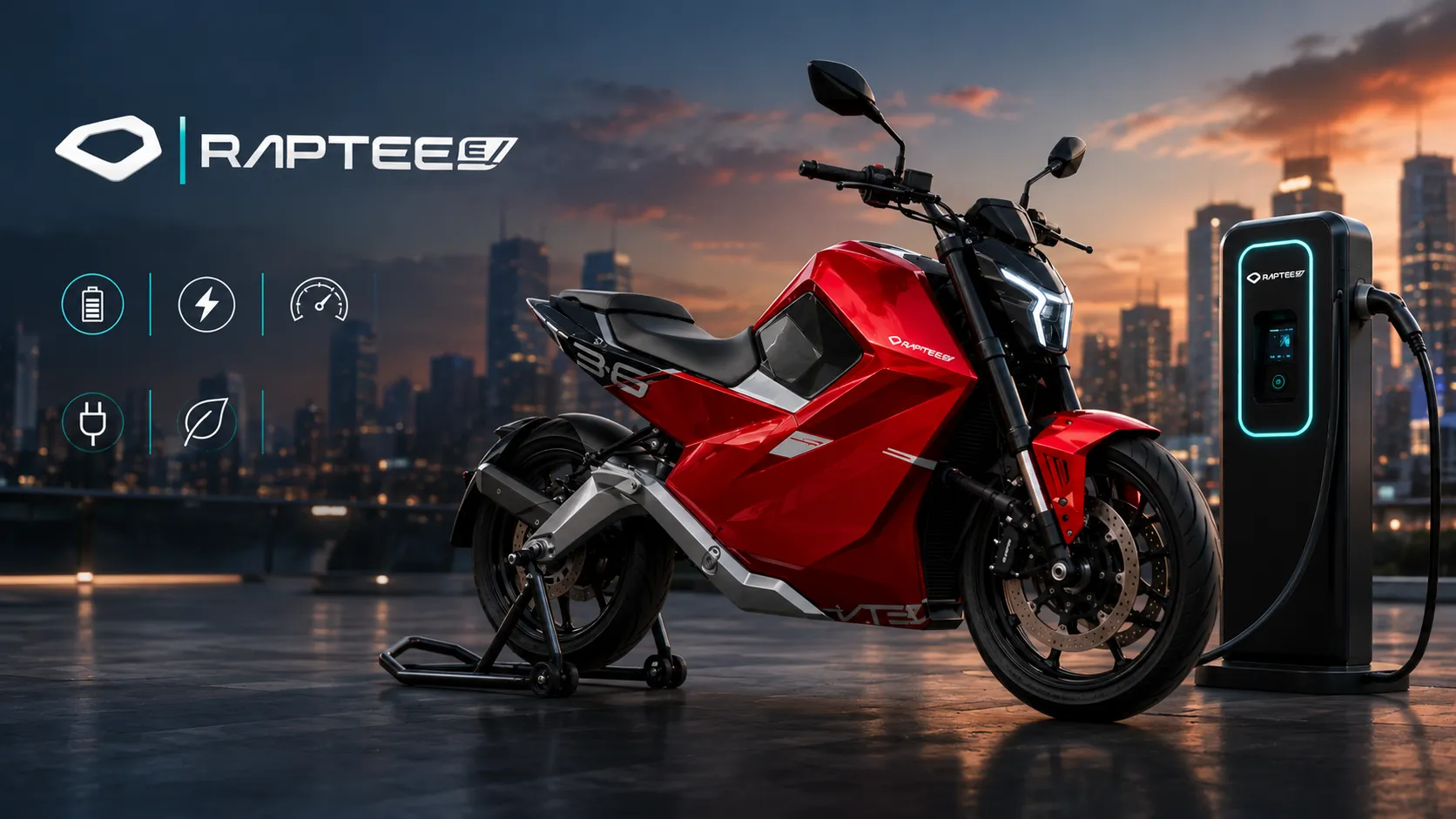
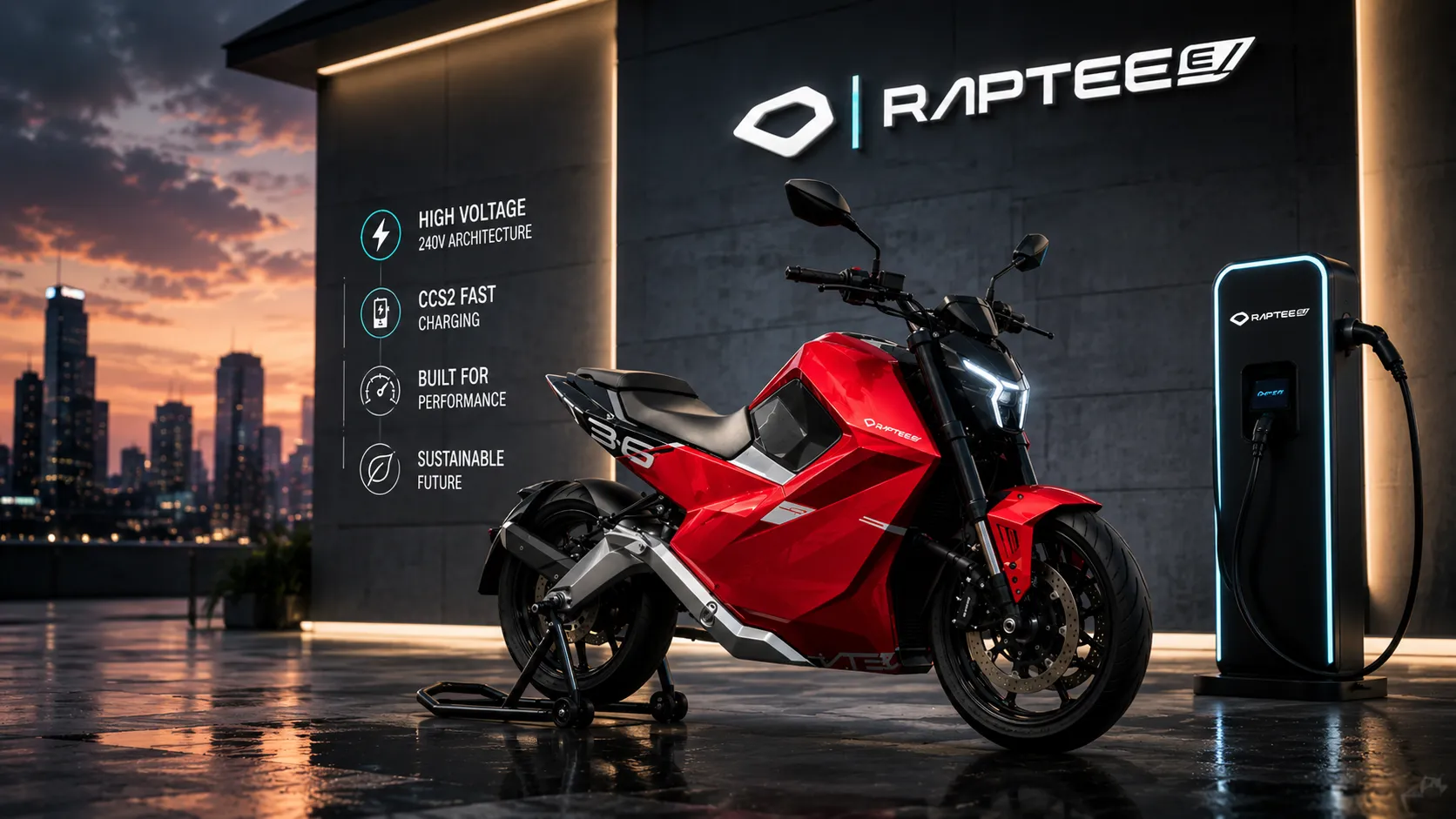
Raptee increasingly occupies an interesting position within this broader transition. The company attracted attention for developing high-voltage electric motorcycles designed around a 240V architecture and compatibility with existing CCS2 charging standards, allowing access to broader fast-charging infrastructure. Rather than adapting conventional two-wheeler structures, the company increasingly appears focused on developing differentiated EV systems from the ground up.
This distinction increasingly matters because electric mobility increasingly appears less like a consumer electronics category and more like an advanced manufacturing environment requiring long-term technological investment.
Tamil Nadu Increasingly Appears To Be Positioning Itself Beyond Incentives Alone
Historically, state governments frequently participated in industrial growth through land allocation, infrastructure support and manufacturing incentives intended to attract businesses and large-scale projects.
Increasingly, Tamil Nadu appears interested in operating differently.
The state’s Startup Investment Policy 2025 increasingly suggests an approach where government participation extends beyond enabling ecosystems and enters direct funding environments. Officials increasingly described the broader strategy as involving patient capital for deep-tech and advanced manufacturing sectors, categories where businesses often encounter long development cycles before reaching commercial scale.
This shift increasingly matters because sectors involving electric vehicles, aerospace, semiconductors and advanced technologies frequently require investment structures capable of supporting experimentation and infrastructure development over extended periods.
Traditional venture systems occasionally prioritize faster commercial pathways.
Manufacturing businesses frequently operate differently.
The broader transition increasingly suggests that Tamil Nadu may be attempting to build funding environments aligned with industrial timelines rather than purely startup timelines.
Funding Activity Increasingly Appears Connected To A Larger EV Manufacturing Ecosystem
Another important dimension surrounding Raptee’s funding story increasingly involves Tamil Nadu’s broader ambitions around electric mobility itself.
The state already occupies a significant position within India’s automotive and manufacturing ecosystem. Large automobile companies, component suppliers and industrial infrastructure environments increasingly positioned Tamil Nadu among the country’s most established manufacturing regions.
Over recent years, however, policymakers increasingly appeared interested in extending that position toward future industries including electric vehicles and advanced mobility systems.
This broader context matters because manufacturing ecosystems frequently strengthen through clustering effects. Vehicle makers, suppliers, battery systems, charging infrastructure and research environments often create stronger growth environments when operating within close geographic proximity.
The significance surrounding Raptee therefore increasingly extends beyond one startup funding round.
Because increasingly, state-backed capital appears connected to broader attempts involving ecosystem construction itself.
The Larger Story Increasingly Extends Beyond One EV Startup Alone
The broader significance surrounding Raptee Energy’s funding announcement may ultimately involve what it reveals regarding the next phase of industrial investment in India.
Historically, startup ecosystems frequently depended heavily on private capital and conventional funding structures. Increasingly, however, sectors involving deep technology and advanced manufacturing appear creating different requirements involving institutional participation and long-term support systems.
Viewed through that broader lens, Raptee’s funding story increasingly resembles more than a state-backed investment announcement.
It increasingly appears connected to larger questions involving how future industries are financed and who participates in building them.
The larger funding story therefore may not simply involve ₹25 crore entering one EV company.
Increasingly, it may involve understanding that future industrial ecosystems increasingly appear shaped by partnerships involving governments, startups and long-term capital moving together.