
India’s mobility sector is entering a decisive new phase, and Rapido has just placed one of its biggest bets yet. The Bengaluru-based ride-hailing platform has secured $240 million in fresh funding in a round led by Prosus, with participation from existing investors WestBridge Capital and Accel. The investment values the company at nearly $3 billion, strengthening Rapido’s position at a time when India’s transportation and urban mobility ecosystem is becoming one of the country’s most closely watched startup sectors.
What makes this funding significant is not just the size of the round, but what it signals about where investors believe India’s mobility industry is headed. Ride-hailing is no longer viewed simply as a convenience business built around booking rides through an app. Increasingly, mobility platforms are being seen as large-scale digital infrastructure businesses capable of influencing employment, transportation access, and everyday urban behavior. As cities become denser and commuting patterns evolve, mobility platforms are steadily becoming embedded in how modern India functions.
Founded by IIT graduates Aravind Sanka, Pavan Guntupalli and Rishikesh S.R. in November 2015, Rapido entered the market with a sharply differentiated approach. At a time when larger players were focused primarily on traditional cab services, the company identified an opportunity in bike taxis. Initially considered a niche category, bike taxis quickly evolved into a practical transportation alternative for millions of commuters seeking affordable and faster travel options, especially in traffic-heavy urban environments.
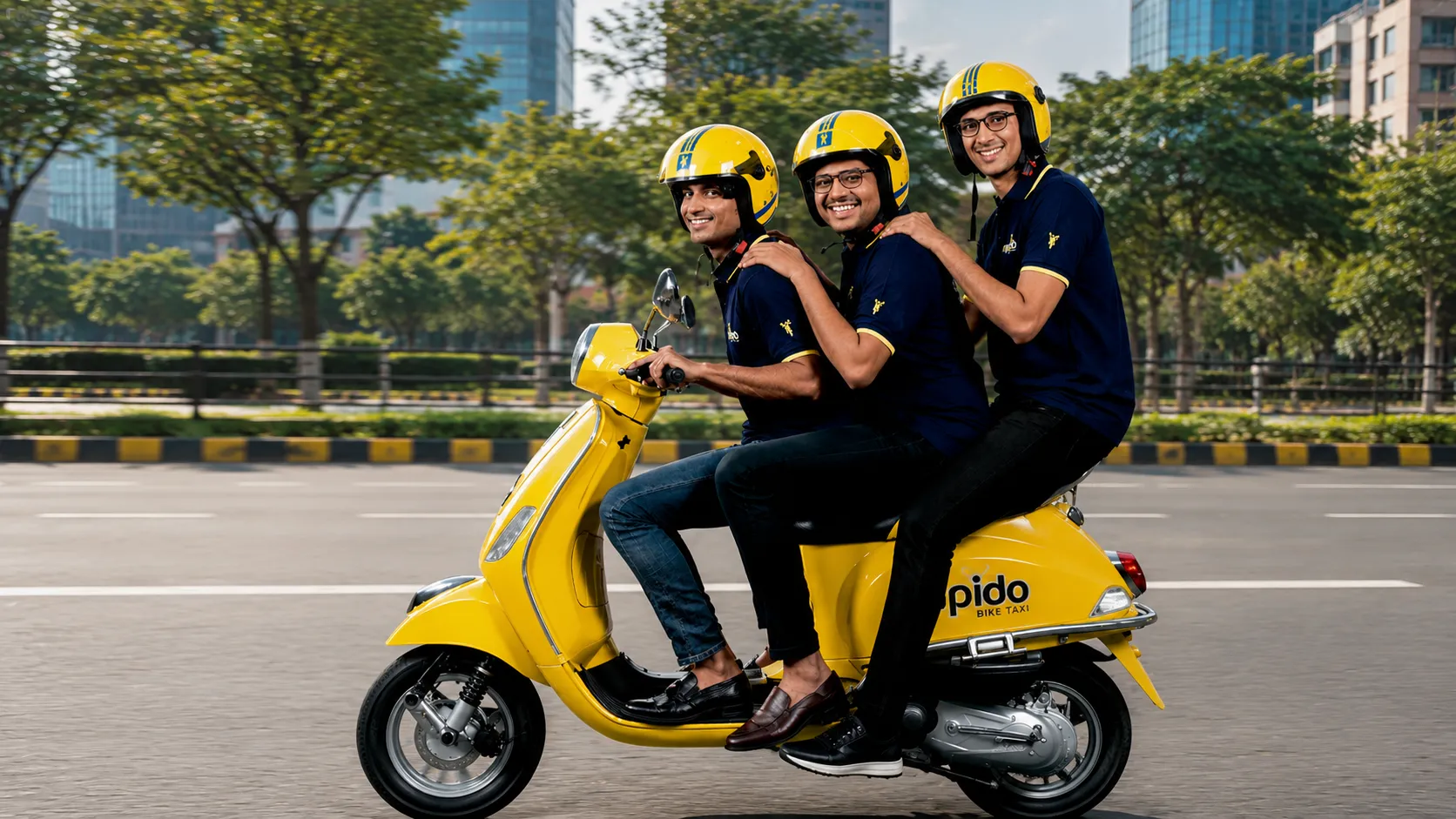
Over the years, Rapido’s ambitions expanded considerably. Today the company operates in hundreds of cities across India and has broadened its offerings beyond bike rides into auto-rickshaw and cab services. This expansion reflects a larger shift happening across India’s transportation landscape. While metropolitan cities once drove the majority of startup growth, many companies are now increasingly focusing on emerging urban centers and smaller cities where digital adoption is accelerating and transportation gaps continue to exist.
India’s Tier-2 and Tier-3 cities represent a particularly compelling opportunity. Rapid urbanization, changing work patterns, and rising smartphone penetration have created entirely new mobility demands. For many consumers in these markets, transportation is not simply about convenience; it is closely tied to economic participation, access to jobs, and everyday quality of life. Rapido’s model has increasingly aligned itself with this reality by attempting to build an ecosystem that serves both commuters and its network of captains.
The latest funding is expected to support multiple priorities, including technology investments, expansion into additional markets, and strengthening its driver-partner ecosystem. More importantly, it gives the company additional room to scale in a sector where competition is intensifying and operational execution often matters more than visibility. The challenge for mobility businesses today is no longer simply acquiring users. The larger challenge lies in building sustainable networks that balance customer affordability with driver earnings and long-term platform efficiency.
That balance may become one of the defining themes of India’s next mobility race. Platforms across the sector are increasingly competing around economics, supply quality, and service reliability rather than just discounts and customer acquisition. Companies are experimenting with new marketplace structures and incentive systems designed to create stronger earning opportunities for drivers while ensuring better ride availability for users.
For investors, this appears to be one of Rapido’s strongest advantages. Commenting on the investment, Ashutosh Sharma, Head of India Ecosystem Investments at Prosus, highlighted the broader importance of mobility in India’s digital economy. He emphasized that transportation platforms have the potential to create access and participation at scale, positioning mobility as a foundational layer of the country’s technology ecosystem rather than merely a consumer service category.
For co-founder Aravind Sanka, the funding round appears to represent something beyond financial expansion. It marks the beginning of a larger growth phase for the company. As mobility increasingly intersects with logistics, commerce, and urban infrastructure, transportation platforms are beginning to evolve into broader ecosystems rather than standalone services. The lines separating movement, delivery, and digital convenience are becoming increasingly blurred.
The implications extend beyond Rapido itself. At a time when global venture capital has become more cautious and investors are placing greater emphasis on profitability and sustainable growth, large funding rounds continue flowing toward businesses capable of building recurring consumer networks. Mobility remains one of the few sectors where frequency, scale, and long-term infrastructure relevance converge at a meaningful level.
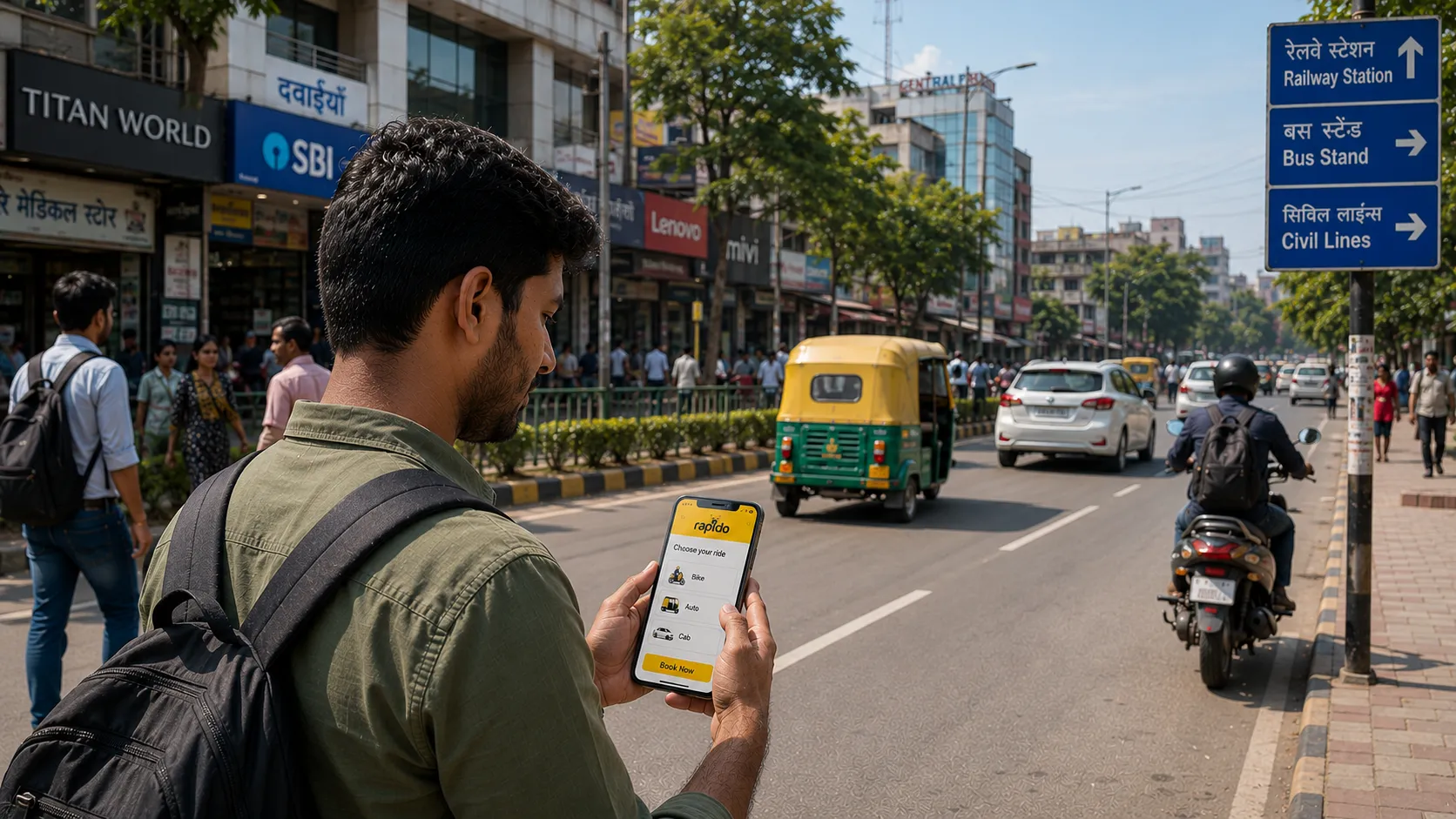
India’s transportation story is still being written, and the competition ahead is likely to intensify further. Yet this latest investment suggests that investors are not merely backing a ride-booking platform. They are backing a larger vision centered around how people move, work, and participate in a rapidly evolving economy. As India’s urban future takes shape, mobility companies may ultimately become far more than transportation providers. They may emerge as critical operating systems for modern city life itself.