Investors Are No Longer Funding Only Content Creators. They Are Increasingly Funding The Infrastructure Powering Digital Fandom, Communities And Online Influence
India’s startup ecosystem initially approached the creator economy through relatively straightforward business models. Investors backed influencer marketing platforms, short-video apps and social commerce startups because the first wave of internet creators largely revolved around audience growth, brand collaborations and digital entertainment. The assumption was simple: creators attracted attention, and startups could monetize that attention through advertising or commerce.
That creator economy is now becoming significantly more sophisticated.
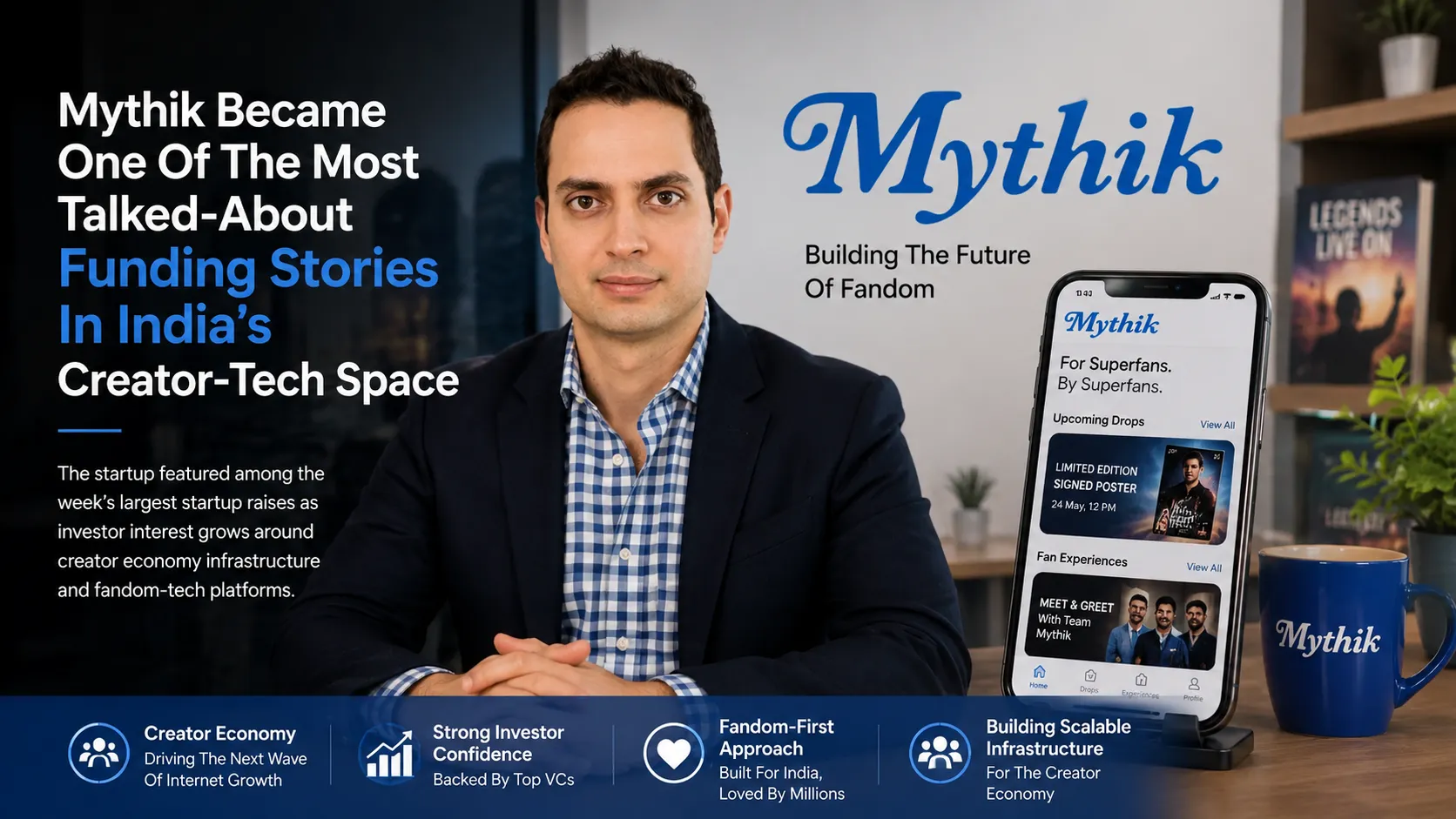
Mythik recently emerged as one of the week’s most discussed startup funding stories after appearing among the larger raises across India’s venture ecosystem. The attention surrounding the company reflects a much broader shift happening inside creator-tech investment where venture capital firms are increasingly focusing not just on creators themselves, but on the infrastructure powering fandoms, digital communities and audience engagement ecosystems.
This distinction matters because the economics of internet influence are evolving rapidly.The first generation of creator businesses depended heavily on platforms like YouTube, Instagram and TikTok because visibility itself drove monetization opportunities. Over time, however, creators realized that audience ownership, fan engagement and community loyalty often matter more than raw follower counts alone. Investors are now responding to that realization by backing startups building tools around fandom interaction, creator monetization, community experiences and digital identity infrastructure.
Mythik sits directly inside that emerging category.Rather than treating creators as isolated influencers producing content, the startup aligns with a growing ecosystem where fan culture itself becomes commercially valuable. Digital audiences today want deeper participation through communities, exclusive experiences, collectibles, memberships, interactions and emotionally immersive engagement because internet culture increasingly revolves around belonging rather than passive consumption. Fandom itself is becoming infrastructure.
That transformation is especially visible among younger audiences.
Gen Z and internet-native users consume entertainment very differently from previous generations because social media blurred the boundaries between celebrities, creators and audiences. Fans now interact continuously with public figures through livestreams, Discord groups, subscription communities, creator-led experiences and digital storytelling ecosystems. The emotional intensity of online fandoms therefore creates powerful economic opportunities beyond traditional advertising models.Investors globally are aggressively studying this behavior.

The creator economy already supports massive industries across subscriptions, digital collectibles, live commerce, gaming communities and fan-engagement platforms because audiences increasingly spend money not only on content itself but on participation and identity within digital communities. Startups building fandom infrastructure therefore represent a particularly attractive category because they potentially benefit from long-term engagement patterns rather than one-time viral moments.India’s internet scale makes this opportunity even larger.The country’s creator ecosystem has expanded dramatically across YouTube, Instagram, gaming, podcasts and regional-language content because smartphone penetration and cheaper data access created one of the world’s largest digitally active populations. Millions of creators now operate across entertainment, education, gaming, lifestyle and niche community categories. As creator competition intensifies, startups helping creators build stronger audience relationships naturally become more valuable.This is why funding activity around creator-tech infrastructure is accelerating.
Earlier venture capital cycles focused heavily on audience acquisition because internet growth itself was the primary goal. Today investors increasingly prioritize retention, engagement and monetizable communities because platform algorithms alone no longer guarantee sustainable creator businesses. Fandom-tech startups like Mythik therefore represent a second-generation creator economy strategy built around deeper audience participation.
The timing also reflects broader changes inside digital culture.Modern internet audiences increasingly seek emotional connection and identity-driven communities because online life itself has become fragmented across platforms, creators and niche subcultures. People no longer simply follow creators for entertainment alone. They often participate because fandom provides belonging, shared identity and social interaction. Technology platforms capable of strengthening those emotional ecosystems therefore attract significant strategic interest.
At the same time, the category remains highly competitive and unpredictable.Digital fandom behavior changes rapidly because internet culture itself evolves at extraordinary speed. Platforms rise and decline quickly, audience loyalty can shift dramatically and monetization models remain experimental in many creator-tech categories. Startups operating in this space therefore need to balance cultural relevance with sustainable business infrastructure a difficult challenge in constantly evolving digital ecosystems.
Still, investor enthusiasm continues growing because creator economies increasingly influence mainstream commerce, entertainment and media consumption globally.Creators today launch brands, shape purchasing trends, influence political discussions and drive cultural conversations because audience trust increasingly flows through personalities and communities rather than traditional institutions alone. Infrastructure supporting those ecosystems may therefore become one of the internet economy’s most valuable long-term layers.And Mythik’s funding visibility suggests Indian investors increasingly believe that future digital economies may not only revolve around creators producing content.They may revolve around millions of fans searching for places where they feel connected to something larger than the content itself.