A New Generation Of Indian Startups Is Betting That The Future Of Fashion May Exist Simultaneously Across Digital Worlds And Physical Reality
India’s fashion startup ecosystem has traditionally focused on familiar categories like e-commerce, D2C apparel, beauty brands and influencer-led lifestyle products because consumer demand largely revolved around physical retail and online shopping expansion. Investors preferred businesses tied to visible consumption patterns, scalable logistics and mass-market purchasing behavior because those models aligned naturally with India’s rapidly growing digital economy.
But a very different category is now beginning to attract attention.
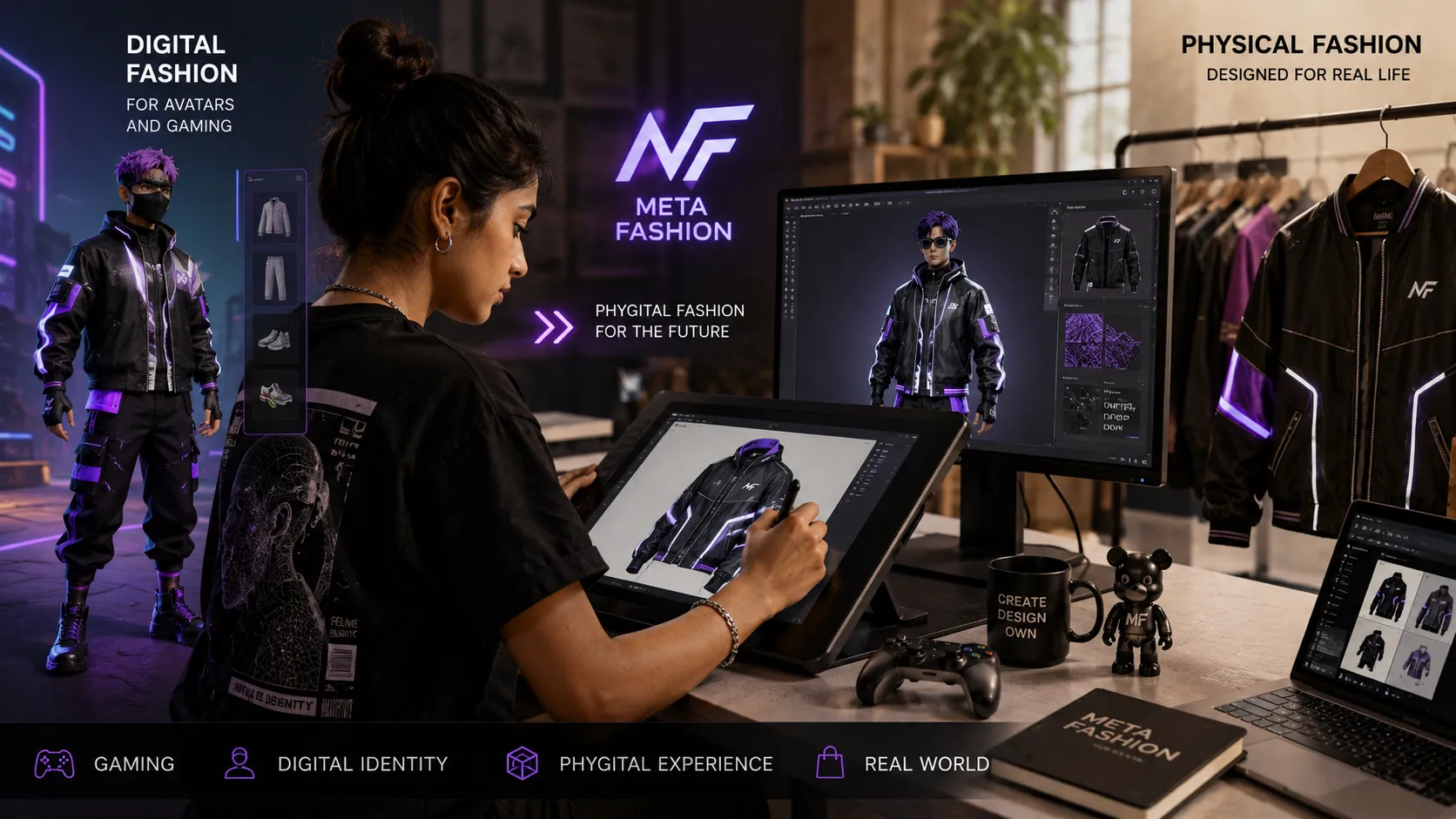
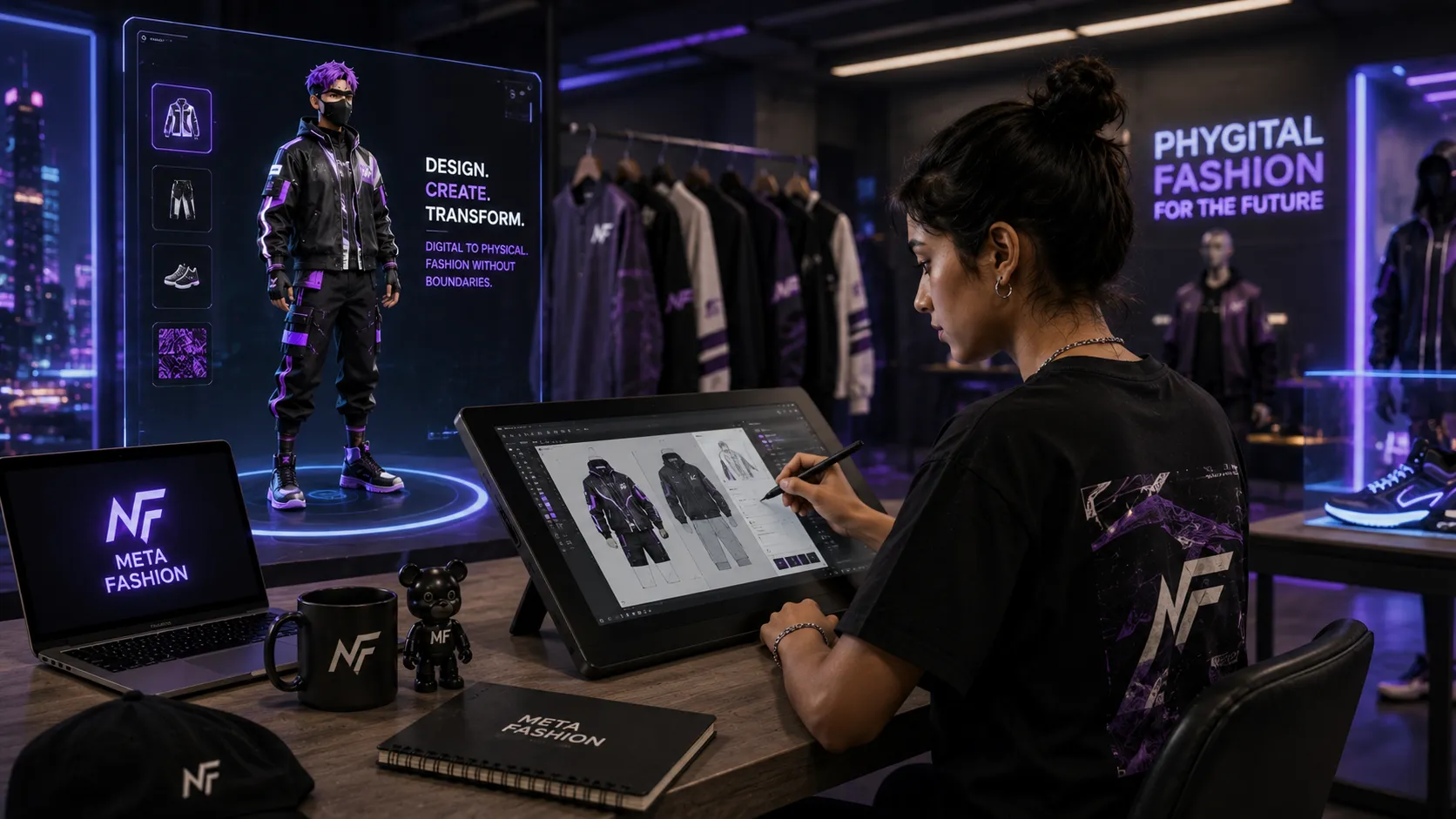
Meta Fashion is building what it describes as “phygital fashion” — a hybrid model where digital clothing designed for gaming environments, avatars and virtual identities can eventually translate into real-world wearable products. The concept sits at the intersection of gaming culture, digital identity, creator economies and fashion-tech innovation, creating a startup category that until recently barely existed inside India’s venture ecosystem.
The emergence of funding conversations around such startups signals something important: investors are beginning to treat digital identity itself as a commercial market.
For years, virtual fashion was largely associated with gaming skins, metaverse experiments or niche internet culture because digital appearance inside online worlds was often viewed as entertainment rather than economic infrastructure. That perception has changed dramatically over the last decade because younger users increasingly spend significant portions of their social lives online through games, virtual communities, creator platforms and digital ecosystems where identity is expressed visually.
Fashion naturally followed that shift.
Today millions of users globally spend real money customizing avatars, gaming characters and online personas because digital appearance increasingly functions like social identity in internet-native environments. Platforms like Roblox, Fortnite and other virtual ecosystems demonstrated that virtual fashion can generate massive economic value because younger audiences often view digital self-expression as emotionally meaningful rather than imaginary or secondary.
Startups like Meta Fashion are now attempting to adapt that logic for India’s evolving creator and gaming economy.
The company’s “phygital” approach is particularly interesting because it does not position virtual fashion as a replacement for physical clothing. Instead, it treats digital and real-world fashion as interconnected experiences where online identity influences offline consumption and vice versa. A design worn by a gaming avatar could eventually become a limited-edition physical product. A real-world fashion drop could simultaneously launch as a digital collectible or creator-driven virtual asset.
That convergence reflects how younger consumers increasingly experience culture itself.
Gen Z and digitally native audiences often move fluidly between gaming platforms, social media, creators, streaming ecosystems and physical lifestyle trends because digital identity now operates continuously rather than separately from real-world identity. Fashion brands globally are responding by experimenting with gaming collaborations, virtual launches and avatar-driven campaigns because younger consumers increasingly value immersive experiences alongside traditional ownership.
The rise of gaming culture in India makes this timing especially significant.
India’s gaming ecosystem has expanded dramatically over the last several years because cheaper smartphones, improved internet infrastructure and creator-driven gaming content have introduced millions of younger users to online interactive environments. What initially looked like casual entertainment is gradually evolving into a larger digital culture economy involving creators, streamers, virtual communities and identity-driven engagement. Fashion-tech startups naturally see opportunity inside that behavioral shift.
Funding interest in the category also reflects broader investor experimentation.
After years of aggressively backing mainstream consumer internet businesses, venture capital firms are increasingly exploring emerging sectors tied to AI, creator economies, immersive technology and digital infrastructure because future consumption patterns may evolve far beyond traditional e-commerce. Meta-fashion startups represent speculative but potentially high-upside bets on how younger generations may interact with products, identity and ownership over time.
At the same time, the space remains highly experimental.
The global metaverse hype cycle cooled significantly after initial enthusiasm because many companies struggled to translate futuristic virtual-world narratives into sustainable user behavior and scalable revenue. Investors today therefore approach digital-identity businesses more cautiously, focusing on practical use cases rather than abstract metaverse promises. Startups like Meta Fashion may succeed precisely because they anchor virtual identity to existing ecosystems like gaming, creators and fashion rather than depending entirely on speculative virtual worlds.
The “phygital” framing itself reflects this more grounded strategy.
Instead of arguing that digital life will replace physical reality, these startups assume the two will increasingly blend together commercially and culturally. Consumers may want experiences that exist across both spaces simultaneously because identity today already operates through overlapping online and offline personas.
That may ultimately become the larger story behind India’s emerging meta-fashion ecosystem.The future of fashion startups may no longer revolve only around fabric, retail stores or e-commerce logistics anymore.It may increasingly revolve around how people choose to represent themselves across screens, avatars, creators, communities and physical life all at once.