A Consumer Investment Story Is Quietly Taking Shape Beneath Broader Economic Uncertainty
Periods of economic slowdown have historically created relatively predictable responses across global markets. Consumer spending frequently becomes more cautious, discretionary purchases often slow and investors generally begin prioritizing sectors viewed as more resilient or essential. Luxury businesses, particularly those connected to aspirational spending, often attract additional scrutiny during uncertain periods because many observers assume premium purchases become more vulnerable when economic confidence weakens.
Recent developments, however, increasingly suggest a more layered reality. Across global consumer markets, several luxury groups continue expanding investments involving beauty businesses, premium wellness ecosystems and high-end consumer brands despite broader concerns surrounding economic slowdowns and changing spending patterns. What initially appears contradictory on the surface increasingly reflects a larger strategic shift taking place inside the luxury industry itself. Rather than viewing beauty and premium consumer categories as adjacent opportunities, several major companies increasingly appear treating them as long-term growth environments capable of supporting future expansion.
Over recent years, global luxury groups including LVMH, Kering, Puig, L’Oréal and other large consumer businesses continued pursuing acquisitions, strategic investments and partnerships involving beauty labels and premium lifestyle brands. Activity involving skincare businesses, fragrance companies, cosmetics ecosystems and high-growth premium consumer categories increasingly remained visible even during periods where broader consumer environments experienced greater caution. These developments increasingly suggest that parts of the luxury industry continue viewing beauty and premium consumer ecosystems as categories capable of sustaining long-term demand despite broader economic variability.
Viewed independently, individual investments may initially appear like ordinary expansion activity. Viewed through a broader funding and market lens, however, they increasingly suggest changing assumptions regarding where future consumer growth may emerge.
Beauty Increasingly Appears To Be Operating Through Different Consumer Dynamics
Part of the significance surrounding this trend involves how beauty categories frequently behave differently from broader luxury environments.
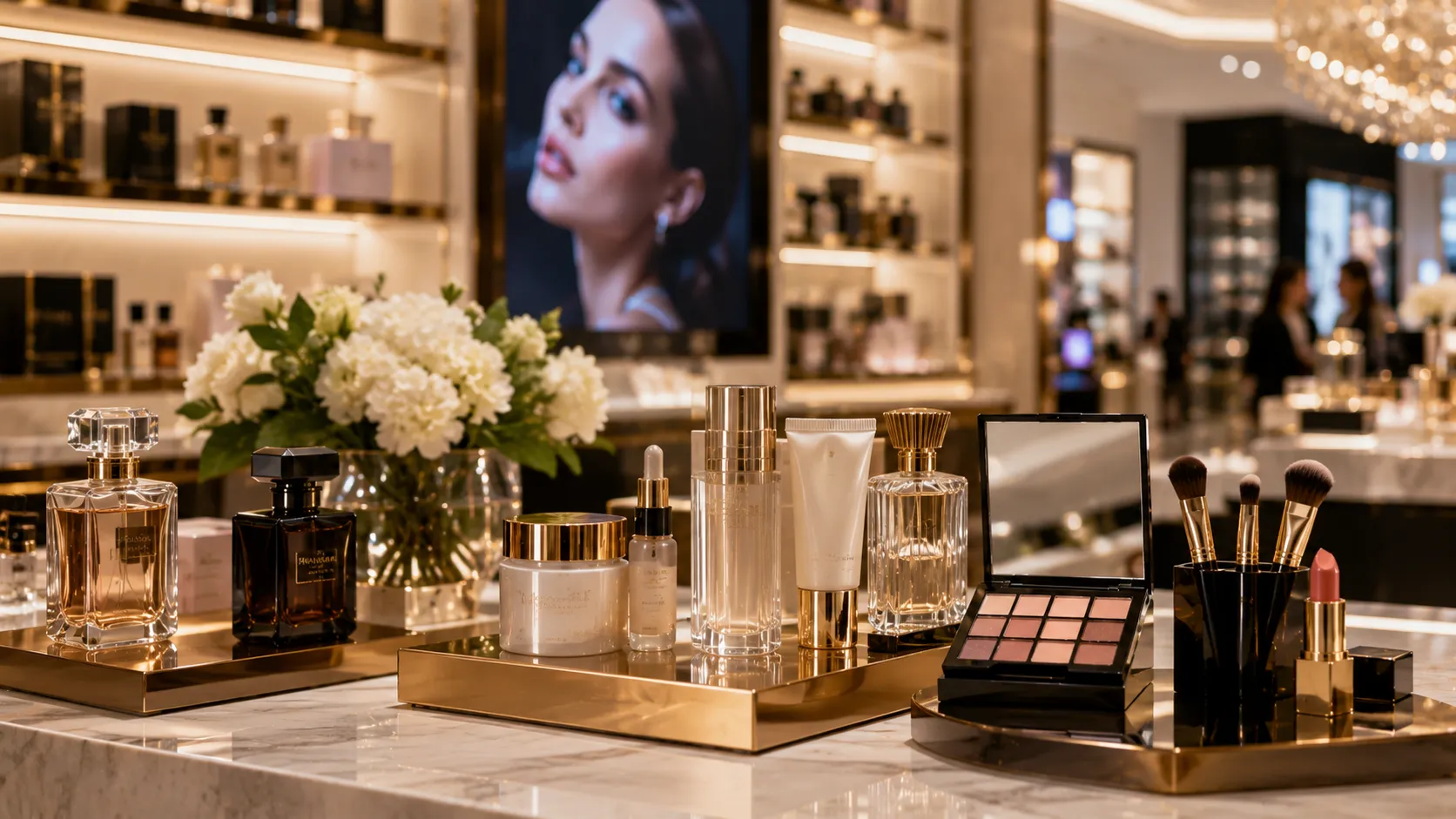
Historically, luxury industries often relied heavily on high-ticket purchases involving fashion, accessories and large discretionary spending decisions. Beauty ecosystems frequently operate differently because products often exist at multiple price points and frequently attract broader consumer participation.
Consumers may postpone major luxury purchases during uncertain economic periods while continuing spending around skincare, fragrance and personal-care environments. Premium beauty products frequently occupy spaces where aspiration and accessibility intersect simultaneously. As a result, beauty ecosystems often create opportunities capable of reaching wider audiences while preserving premium positioning.
This distinction increasingly matters because consumer resilience frequently emerges differently across categories.
Several industry observers continue pointing toward what is often described as the “lipstick effect,” where consumers occasionally maintain spending on smaller premium products even during uncertain economic periods. While the theory itself remains debated and does not universally explain behavior, broader beauty demand frequently appears comparatively resilient during changing economic cycles.
The broader movement increasingly suggests that beauty increasingly operates not simply as an extension of luxury ecosystems but as a strategic category with distinct market characteristics.
Investors Increasingly Appear Interested In Long-Term Brand Ecosystems
Another important dimension surrounding recent activity increasingly involves changing assumptions surrounding consumer brands themselves.
Historically, acquisitions frequently centered around immediate market expansion or product growth opportunities. Increasingly, however, premium consumer environments appear connected to broader ecosystem thinking involving long-term engagement and customer relationships.
Beauty businesses frequently create repeated consumer interaction through products purchased regularly over extended periods. Compared with larger luxury purchases occurring less frequently, beauty environments often allow companies to remain connected with consumers continuously.
This creates opportunities extending beyond sales itself.
Brands increasingly operate through communities, digital ecosystems and broader lifestyle environments where customer relationships continue developing across multiple touchpoints. Investors increasingly seem interested not simply in products but also in brand environments capable of supporting long-term engagement and stronger consumer ecosystems.
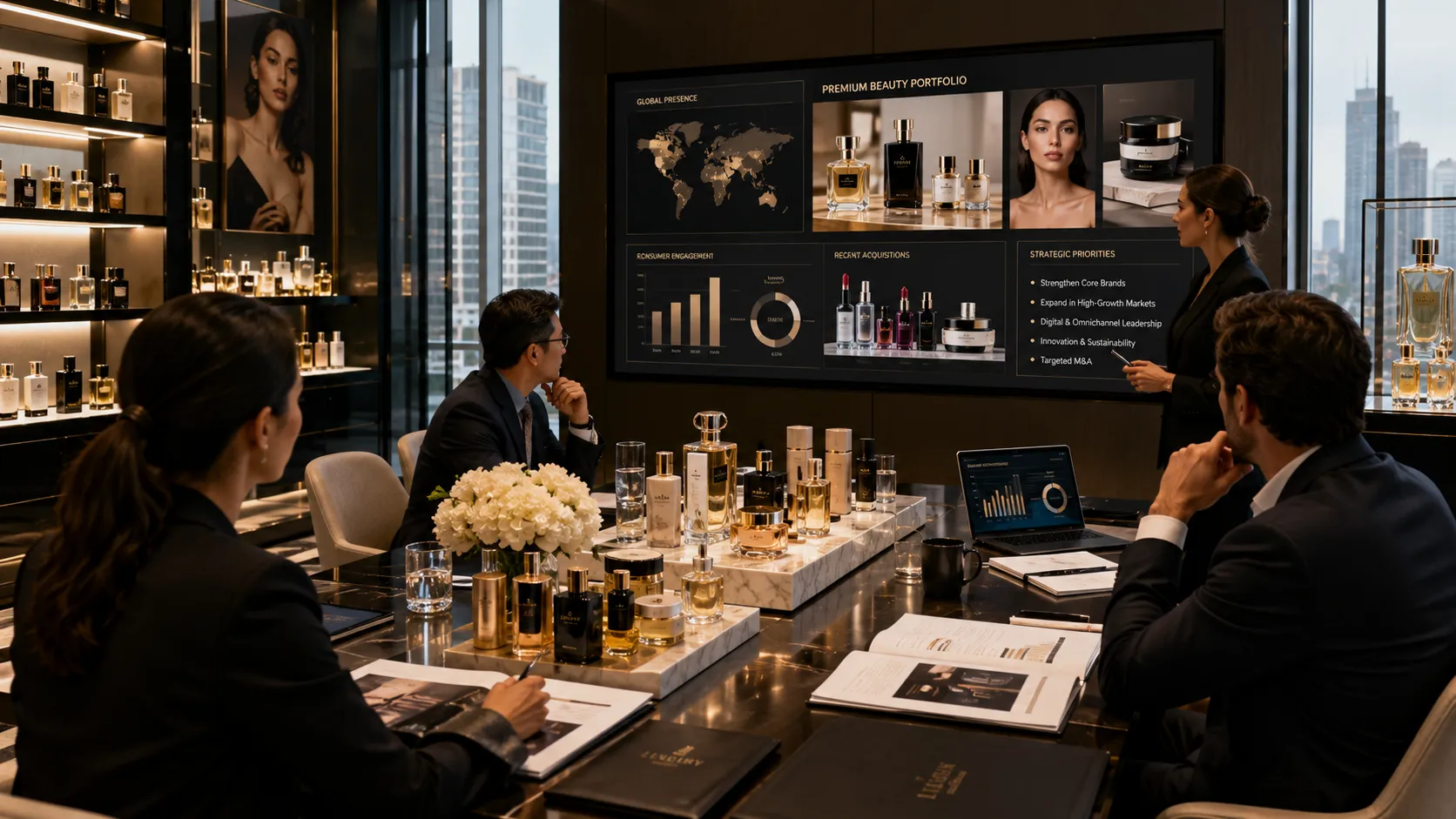
Recent acquisition activity involving premium beauty and lifestyle businesses increasingly reflects this broader perspective. Luxury groups increasingly appear interested in creating diversified portfolios capable of supporting future resilience and expanding participation across multiple categories simultaneously.
Premium Consumer Categories Increasingly Appear Connected To Broader Lifestyle Shifts
Part of the larger significance surrounding investment activity also involves changing consumer behavior itself.
Over recent years, categories involving wellness, self-care, skincare and personal identity increasingly entered broader consumer discussions globally. Consumers increasingly appear approaching beauty and premium products not simply through traditional definitions involving appearance or status but through broader ideas involving lifestyle, wellbeing and personal expression.
This shift increasingly creates opportunities extending beyond conventional product categories.
Beauty increasingly intersects with healthcare, wellness, digital communities and broader cultural trends influencing purchasing behavior. Premium consumer businesses increasingly appear positioned inside environments where identity and experience increasingly influence long-term engagement.
As a result, investment strategies increasingly appear shaped not simply around immediate spending patterns but around assumptions involving larger behavioral shifts likely to influence future demand.
The broader movement increasingly suggests that premium categories increasingly operate through ecosystems rather than isolated products alone.
The Larger Story Increasingly Extends Beyond Beauty Alone
The broader significance surrounding luxury investment activity may ultimately involve what it reveals regarding how global consumer businesses increasingly think about growth itself.
Historically, expansion frequently centered around geography and scale. Increasingly, however, future growth environments appear influenced by resilience, diversification and deeper consumer relationships.
Viewed through that broader lens, current investment activity increasingly resembles more than beauty-sector enthusiasm. It increasingly appears connected to broader strategic thinking surrounding how companies create multiple pathways toward future growth while adapting to changing consumer behavior.
The larger funding story therefore may not simply involve acquisitions involving beauty brands or premium products. Increasingly, it may involve understanding that in uncertain environments, companies frequently search for categories capable of creating both resilience and relevance simultaneously.