For decades, Jaguar Land Rover stood as a symbol of premium automotive excellence. Built on British engineering heritage and a portfolio of luxury vehicles, the company established itself as a brand associated with performance, prestige and stability. Luxury carmakers have traditionally been viewed as more insulated from market volatility, benefiting from loyal customers and stronger pricing power. Yet recent developments suggest that even premium manufacturers are not immune to larger global forces.
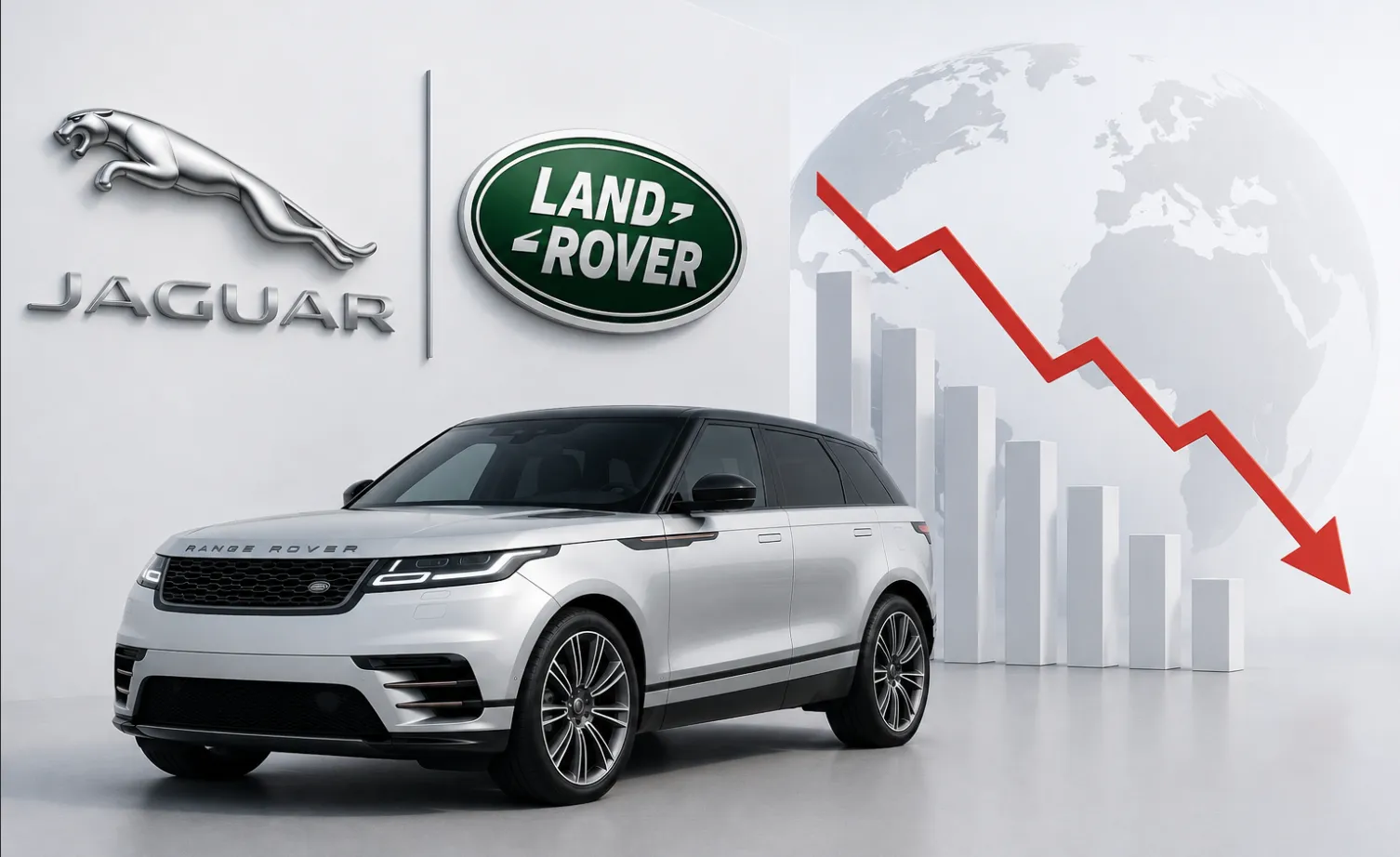
Jaguar Land Rover, owned by Tata Motors, recently reported a sharp decline in profitability, with profit before tax and exceptional items falling from approximately £2.5 billion to £14 million. The figures immediately drew attention across the business world. However, the story behind those numbers extends far beyond a difficult financial year. It reflects a changing business environment where operational disruption, global policy shifts and economic uncertainty increasingly shape corporate performance.
The company’s challenges did not arise from one isolated event. Instead, multiple pressures emerged simultaneously. Jaguar Land Rover faced disruption linked to a cyberattack, pressure from U.S. tariff policies, softer conditions in China and ongoing strategic transitions within the Jaguar brand. Individually, each challenge may have been manageable. Combined, they created a difficult operating environment.
Among the most significant disruptions was the cyber incident that affected operations and production. Modern automobile companies rely heavily on interconnected technology systems where manufacturing, logistics and supply chains function through digital infrastructure. Cyber incidents today are no longer viewed merely as technical disruptions. They can affect production efficiency, create operational delays and carry direct financial consequences across an organization.
External economic conditions added another layer of complexity. The United States remains one of Jaguar Land Rover’s most important markets, particularly for premium models such as Defender and Land Rover vehicles. Tariff-related pressures introduced additional uncertainty, influencing pricing structures and margin performance. Trade decisions often appear distant from day-to-day business activity, but they can rapidly affect global manufacturers dependent on international production and exports.
At the same time, China presented another challenge. For years, it represented one of the strongest growth opportunities for luxury automotive companies. Today, however, increasing competition, stronger domestic manufacturers and changing consumer preferences have created a more demanding landscape. International brands are finding it increasingly difficult to maintain growth at previous levels.
The company has also been navigating a broader transition within Jaguar itself. As it prepares for future products and greater electrification efforts, strategic changes have affected product positioning and volumes. Such transformations are common within the automotive sector, but managing change becomes significantly more difficult during periods of operational and economic uncertainty.
What makes Jaguar Land Rover’s experience particularly important is that it reflects broader trends affecting the automotive industry worldwide. Manufacturers today are balancing investments in electrification, cybersecurity, software capabilities and supply-chain resilience while navigating geopolitical uncertainty and shifting consumer behavior.
Jaguar Land Rover’s recent performance may ultimately be remembered as more than a difficult financial period. It serves as a reminder that in today’s business environment, engineering excellence and brand reputation alone may no longer guarantee stability. Increasingly, resilience itself has become one of the most important measures of long-term success.