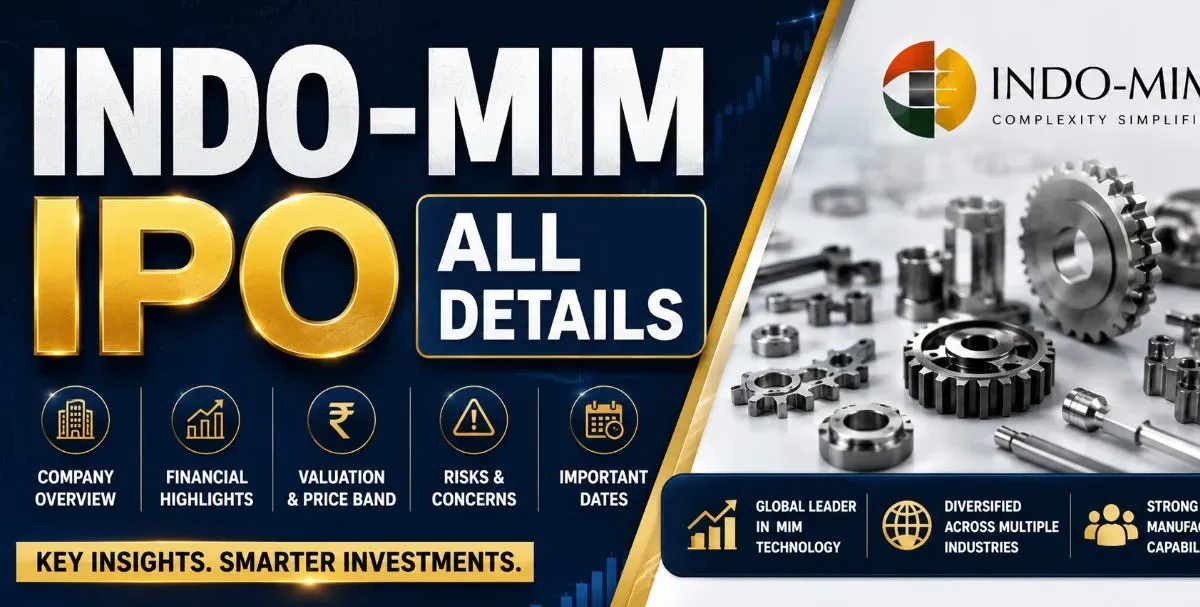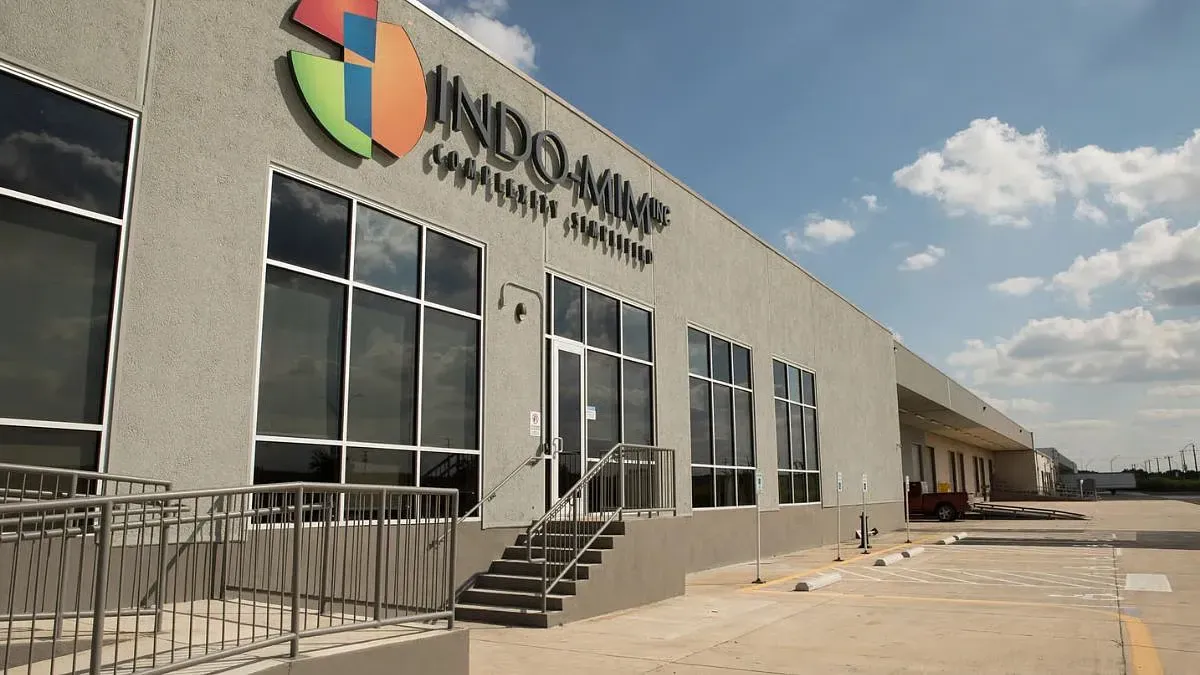
Indo MIM, a specialist in metal injection moulding technology serving global automotive, industrial, and consumer end markets, opened its ₹3,811 crore initial public offering for subscription on July 23, with the issue set to remain open through July 27 on both the BSE and the NSE. The offering, which includes a ₹500 crore fresh equity component alongside a larger offer-for-sale portion from existing shareholders, has reportedly commanded a striking 42 per cent premium in the grey market — the informal, unregulated pre-listing trading venue where shares change hands ahead of formal exchange listing — signalling considerable investor enthusiasm for the offering well ahead of its eventual stock market debut.
For readers less familiar with the underlying technology, metal injection moulding is a specialised manufacturing process that combines the design flexibility typically associated with plastic injection moulding with the strength and material properties of metal components, allowing manufacturers to produce complex, precision-engineered metal parts at scale with considerably less material waste and machining requirement than traditional metal-forming techniques like casting or machining from solid stock. The technology has found increasingly broad application across automotive components, firearms, medical devices, consumer electronics, and a range of other industrial categories requiring small, geometrically complex, high-strength metal parts produced in high volumes with tight tolerances.
Indo MIM has built its business substantially around serving global export markets, positioning the company within a broader, closely watched narrative around India's emergence as an increasingly credible manufacturing and export hub for precision-engineered components, benefiting from a combination of competitive labour and operational costs, growing technical manufacturing capability, and the broader global supply-chain diversification trend that has seen many international companies actively seek to reduce over-concentration in any single manufacturing geography since the disruptions experienced during the pandemic era. Companies like Indo MIM, occupying specialised, technically demanding manufacturing niches with genuine global export relevance, have increasingly attracted investor attention as India's capital markets have sought exposure to this broader precision-manufacturing and China-plus-one supply-chain diversification theme.
The grey market premium — a figure that, while informal and not always a reliable predictor of actual listing-day performance, nonetheless offers a real-time, market-driven read on pre-listing investor sentiment — at 42 per cent suggests considerable anticipated demand for the stock once it formally lists, assuming that premium holds or even partially persists through the subscription period and into actual listing. Grey market activity of this nature typically reflects a combination of factors: the perceived quality and growth trajectory of the underlying business, the attractiveness of the IPO's pricing relative to comparable listed peers, and the broader sentiment prevailing in India's primary market at the time of the offering, which has, this particular week, remained notably robust even as secondary market sentiment has been considerably more subdued amid crude-oil volatility and currency pressure.
The offering's structure, combining a modest ₹500 crore fresh equity component with a larger offer-for-sale portion, suggests the primary purpose of the listing centres on providing existing shareholders — likely including early institutional investors and possibly promoter family members — a pathway to partial monetisation and liquidity, while the fresh equity raised will presumably support the company's ongoing capacity expansion, technology investment, or working capital needs as it continues scaling its precision manufacturing operations to serve growing international customer demand. That kind of hybrid offering structure, blending fresh capital raising with existing shareholder monetisation, has become an increasingly standard template for India's mid-to-large-cap industrial and manufacturing IPOs over recent years.
This listing arrives amid what has been a genuinely active week for India's primary capital markets more broadly, with Indo MIM's offering running concurrently alongside several other significant public market transactions — including a large road-infrastructure InvIT closing for subscription, and the recent premium listing of a major asset management company's IPO. That cluster of primary market activity, occurring even as India's benchmark equity indices have extended a losing streak into a fourth consecutive session amid crude-price and currency pressures, reinforces the extent to which India's IPO and capital-raising machinery has continued functioning robustly, with investor appetite for new issuances apparently holding up considerably better than broader secondary-market sentiment during this particular stretch.
For investors evaluating the offering, key considerations typically centre on Indo MIM's customer concentration and diversification across end markets and geographies, the durability of its technological and manufacturing-process advantages relative to both domestic and international competitors in the metal injection moulding space, and the company's capacity utilisation and expansion plans relative to anticipated demand growth from its core automotive, industrial, and consumer end-market customer base. Precision manufacturing businesses of this nature typically command investor interest based on the defensibility of their technical capabilities and customer relationships, given the meaningful switching costs and qualification timelines that characterise supplier relationships in industries like automotive components, where customers typically require extensive quality certification and testing before qualifying a new component supplier.
India's broader specialty and precision manufacturing export sector has been the subject of substantial government policy attention in recent years, with production-linked incentive schemes and other manufacturing-competitiveness initiatives specifically targeting the kind of technically sophisticated, export-oriented manufacturing capability that companies like Indo MIM represent. That policy tailwind, combined with the structural global supply-chain diversification trend already discussed, has created a genuinely supportive macro backdrop for India's precision manufacturing sector, even as company-specific execution — around quality, cost competitiveness, and customer relationship management — ultimately remains the more decisive factor in determining which individual companies within this broader thematic space succeed in capturing outsized market share and investor returns over the medium to long term.