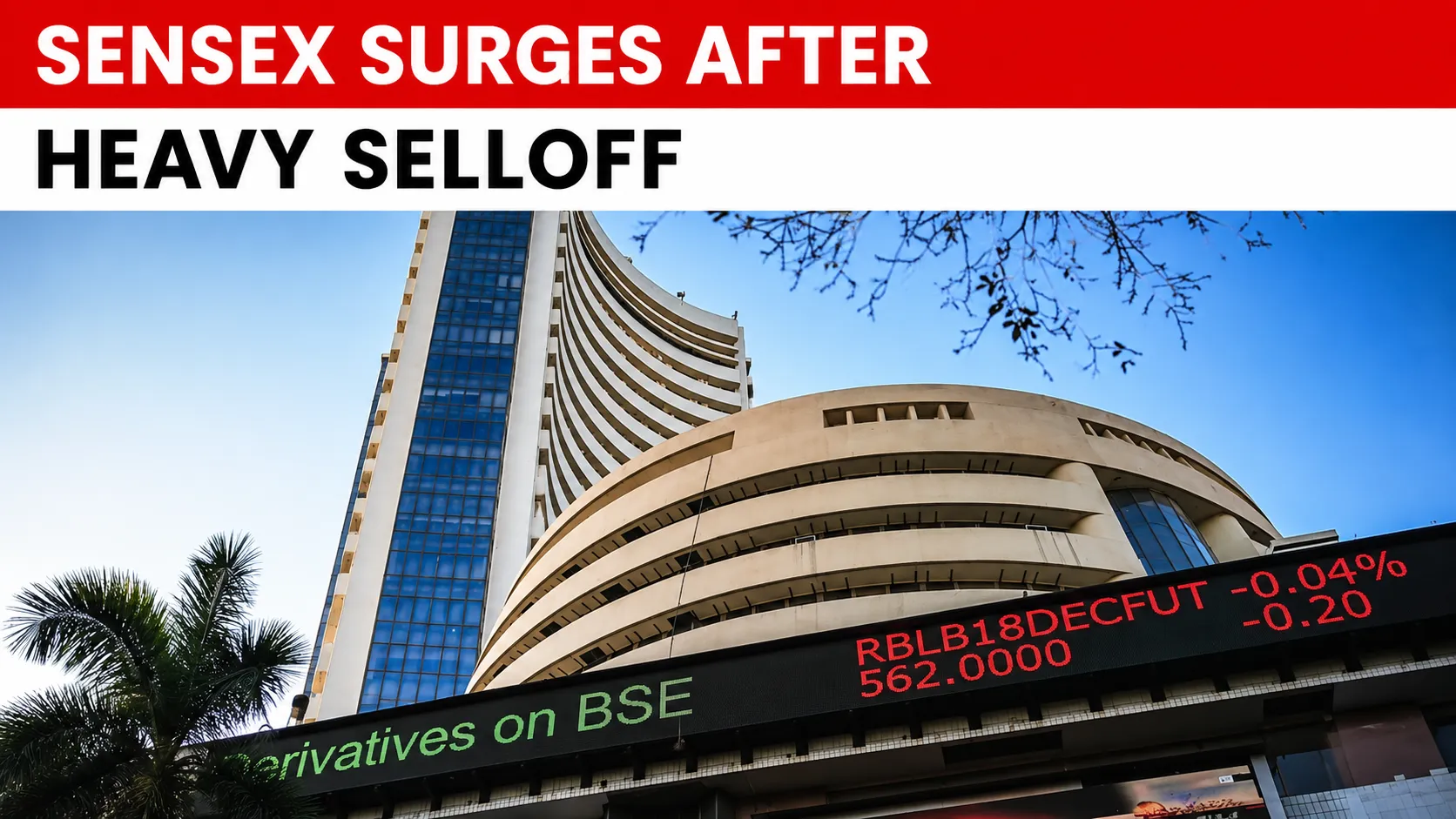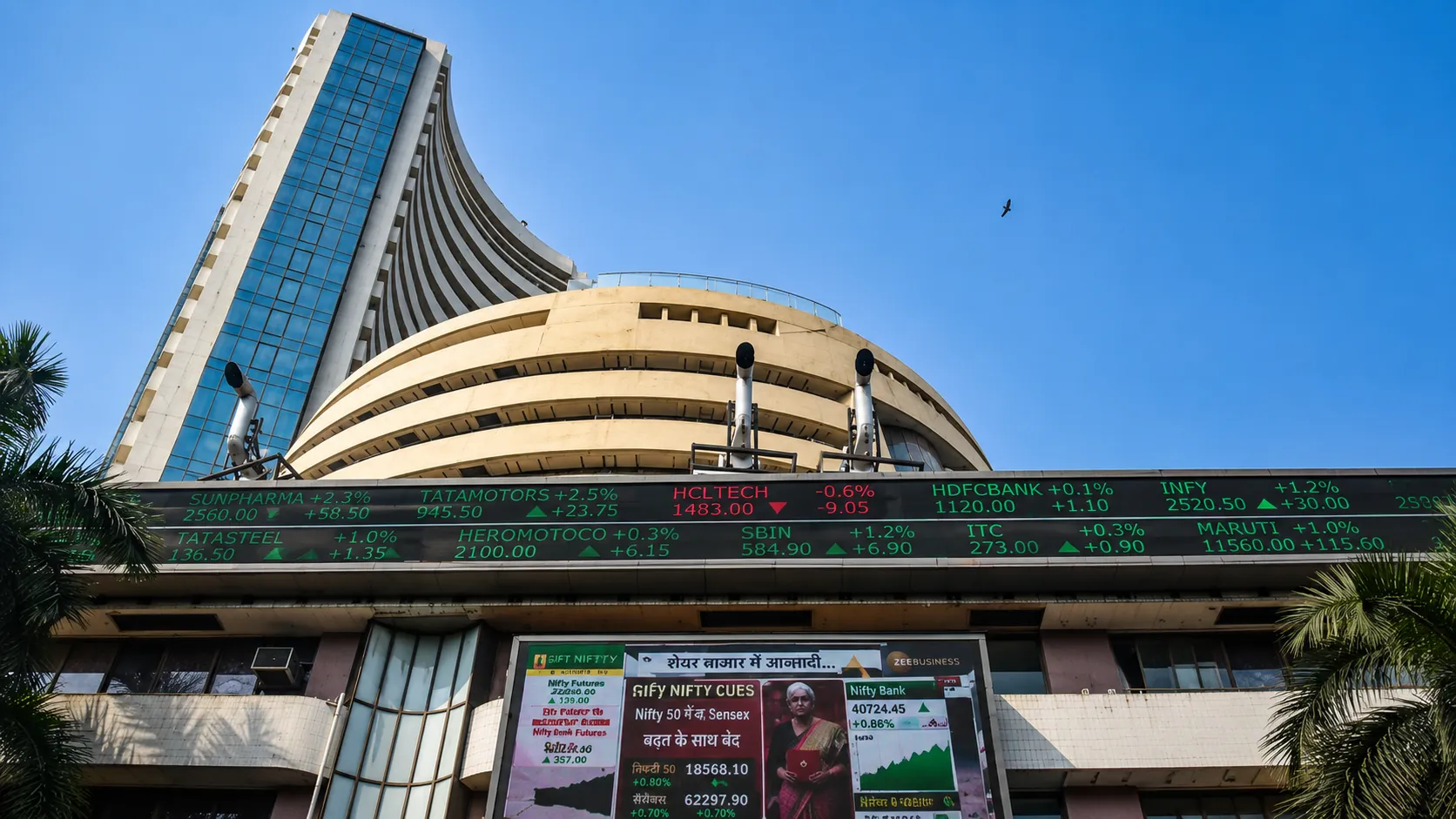
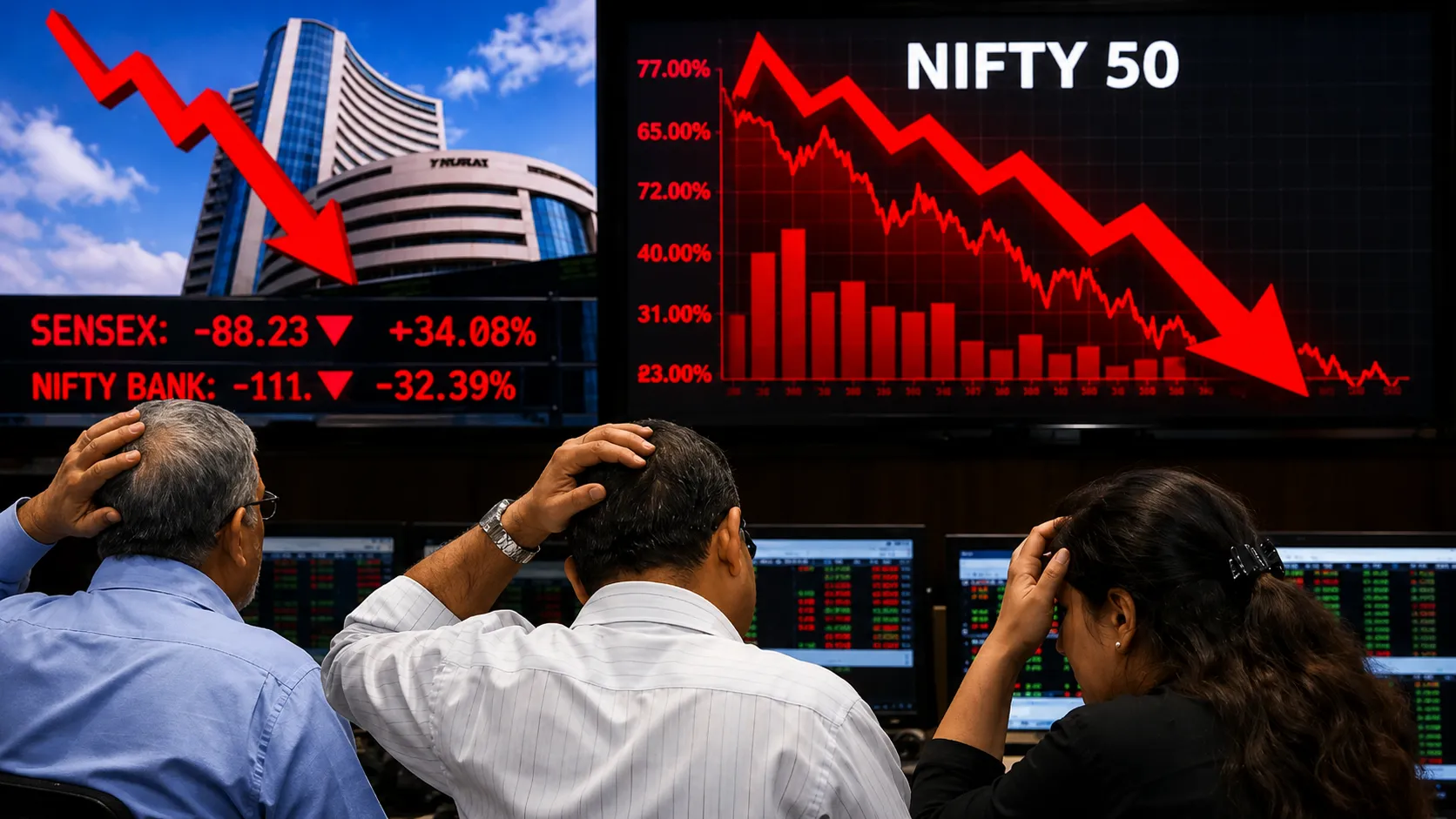
Tuesday, July 14, 2026 stood out as one of the weaker trading sessions of the past few weeks for Indian equity markets, with the BSE Sensex opening roughly 344 points lower and ultimately closing down 0.58% for the day — a decline that, while not dramatic by the standards of genuine market crashes, was notable enough to set a cautious tone for trading sessions in the days that followed, including today. Understanding what actually drove that specific session's weakness, and why its effects have continued rippling through subsequent trading days, offers a useful window into how Indian markets have been processing a complex mix of global and domestic signals throughout mid-July 2026.
What Happened That Day
On July 14, the Sensex's weak opening and continued decline through the session reflected what market commentary at the time characterized broadly as 'weak global sentiment' — a somewhat catch-all descriptor that, in practice, typically reflects some combination of soft overnight cues from major global markets (particularly US and European indices, whose overnight performance heavily influences the following day's Asian and Indian market open), unfavorable currency or commodity price movements, or broader risk-off positioning among global investors reducing exposure to riskier assets including emerging market equities.
Within this broadly weak session, however, the market's internal composition told a more nuanced story than the simple headline index decline would suggest. Healthcare and pharmaceutical stocks notably outperformed the broader market that day, a pattern that market technicians often interpret as reflecting a defensive rotation — investors moving capital away from more cyclical, economically-sensitive sectors and toward sectors like healthcare and pharmaceuticals that are traditionally viewed as more resilient to broader economic uncertainty, given the relatively inelastic demand for healthcare products and services regardless of the broader economic cycle. This kind of sector rotation pattern, where a weak overall index masks meaningful divergence in performance across different sectors, is a common feature of genuinely uncertain, cautious market environments rather than sessions driven by a single, universally negative catalyst.
The Broader Week's Context
Placing July 14's selloff in the context of the broader trading week that followed helps explain why its effects continued to be felt in subsequent sessions. The market entered the following days still processing several overhanging uncertainties: the unresolved India-US trade tariff negotiations, with a deadline looming around July 22-24, 2026; ongoing volatility in global crude oil prices linked to geopolitical tensions; and the beginning of what would become a dense Q1 FY27 corporate earnings season, with major companies including Reliance Industries scheduled to report results. In this kind of environment, a single weak trading session doesn't simply reverse itself the following day — it tends to establish a cautious baseline sentiment that subsequent sessions build upon or gradually work to overcome, depending on whether new information arriving in the following days is incrementally positive or negative.