India's Startup Funding Story Is Changing — And That's Not Necessarily Bad News
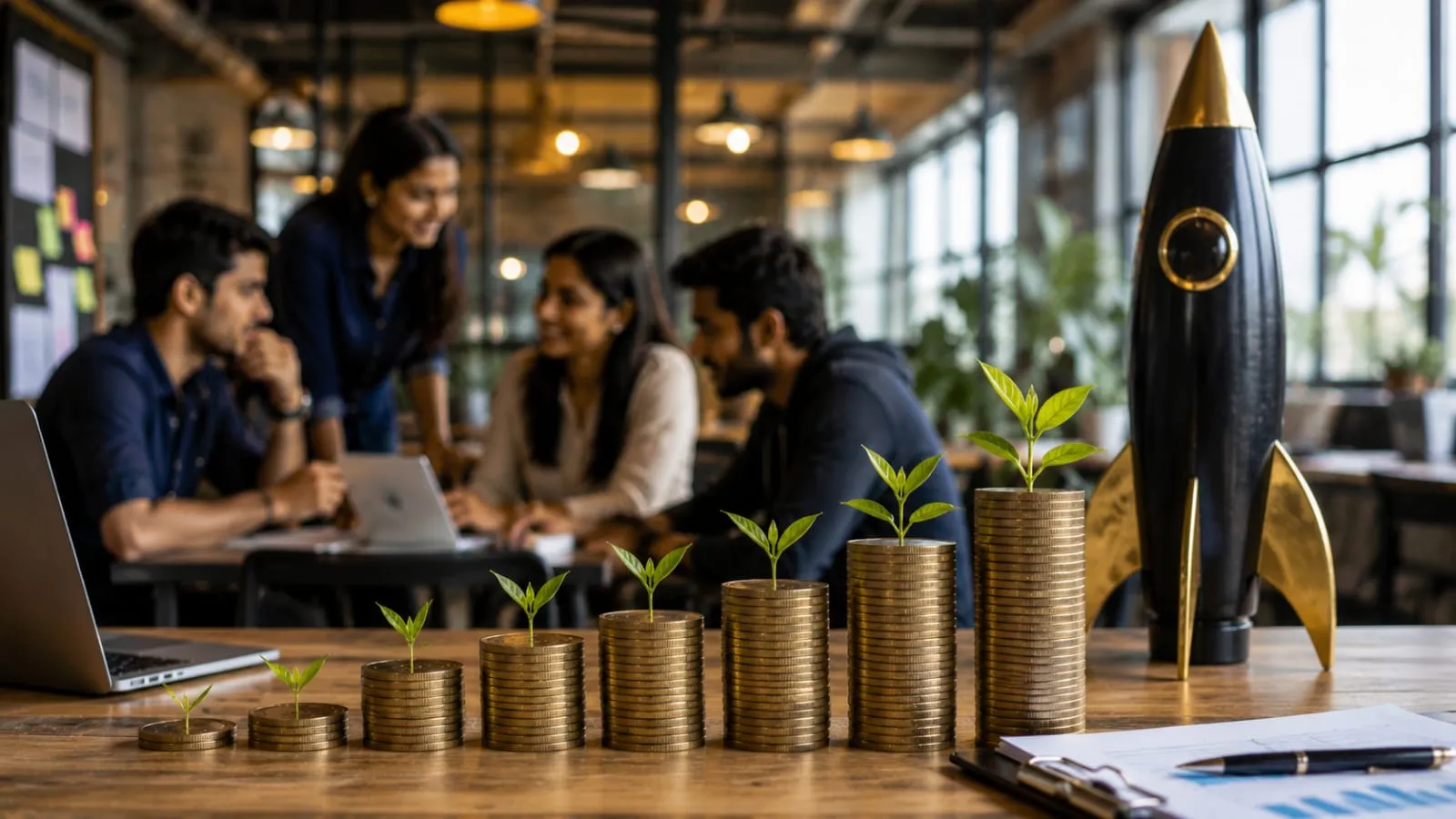
For years, startup success in India was measured by a simple number: how much money was raised.
Every week seemed to produce another mega-round. Every month brought fresh unicorn announcements. Venture capital flooded into every imaginable category, from quick commerce and food delivery to social media and consumer apps.
Then the funding boom cooled.
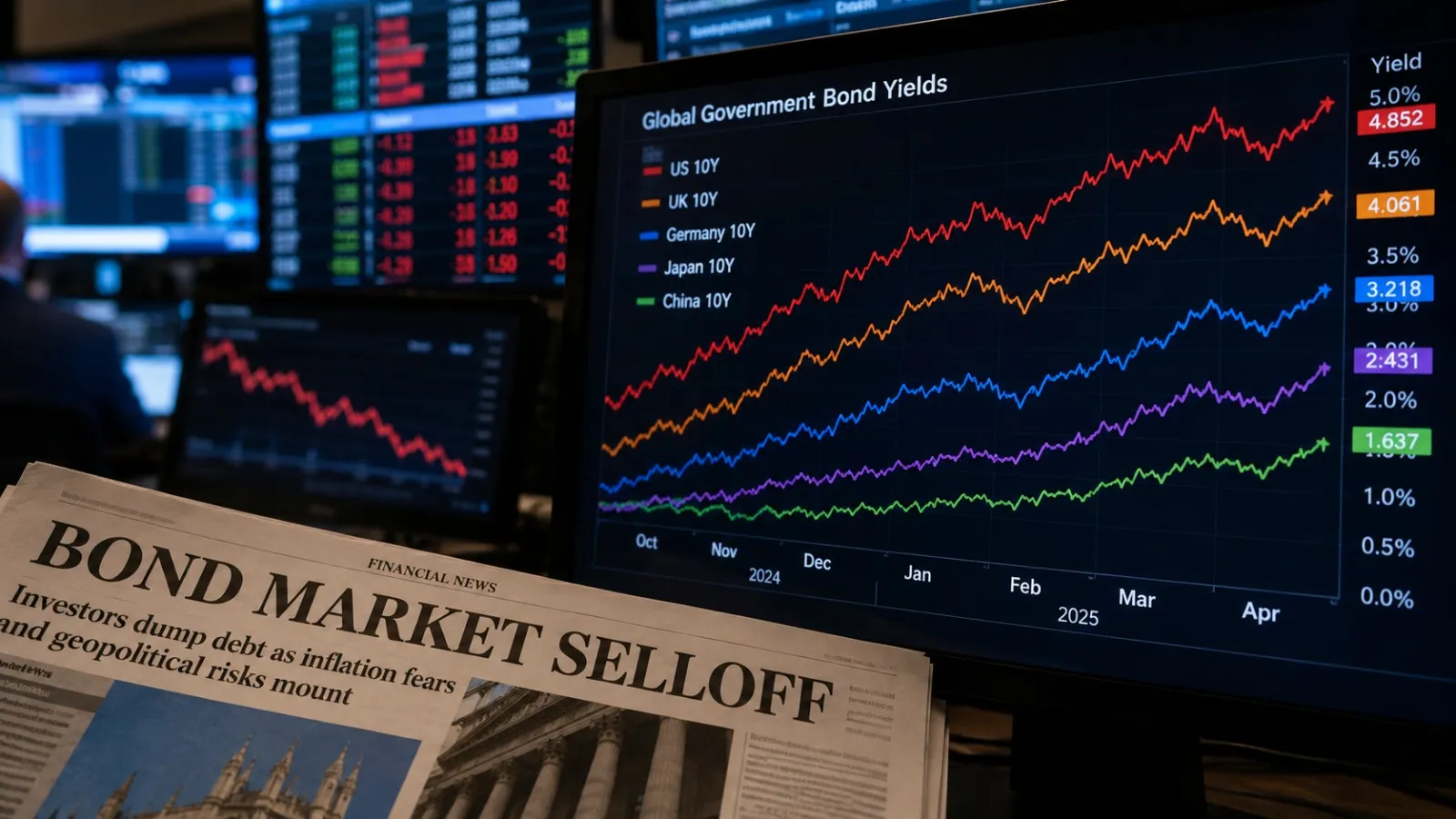
Global interest rates rose. Investors became more cautious. Growth-at-all-costs stopped being fashionable. Suddenly, startups were expected to show something many had neglected during the boom years — sustainable business fundamentals.
And yet, despite all the headlines about a venture capital slowdown, India's startup ecosystem remains remarkably resilient.
In 2026, Indian startups raised approximately $8.09 billion across 806 funding rounds, making India one of the world's most active startup markets. While that figure represents an estimated 18% decline from the highs seen in 2025, the numbers tell a more nuanced story than simple contraction.
The money hasn't disappeared.
It's becoming more selective.
Quality Is Replacing Quantity
The biggest shift in India's startup landscape is not the amount of capital being deployed but where that capital is going.
During the previous funding cycle, consumer internet startups often dominated investor attention. Fast growth, user acquisition, and market share expansion drove funding decisions.
Today's investors are asking different questions.
Can the technology create defensible advantages?
Does the startup solve a strategic national problem?
Can the business scale globally?
Is there a pathway to profitability?
The startups receiving the largest funding rounds increasingly have convincing answers.
As a result, sectors like deeptech, artificial intelligence, semiconductor manufacturing, climate technology, robotics, aerospace, and industrial innovation are attracting significantly more investor interest than they did just a few years ago.
The ecosystem is evolving from consumption-driven innovation toward technology-led value creation.
Deeptech Becomes India's New Funding Magnet
Perhaps the most important story inside the funding numbers is the rise of deeptech.
Historically, deeptech startups faced significant challenges in India. Development cycles were longer. Capital requirements were higher. Commercialisation took years rather than months.
Most investors preferred faster returns from software businesses.
That mindset is changing rapidly.
Advances in artificial intelligence, robotics, aerospace engineering, defence technology, advanced manufacturing, and semiconductor design have created entirely new opportunities for Indian founders.
Investors increasingly recognise that the next generation of globally competitive Indian companies may emerge from laboratories, engineering facilities, and research ecosystems rather than consumer apps alone.
The funding flowing into deeptech reflects that belief.
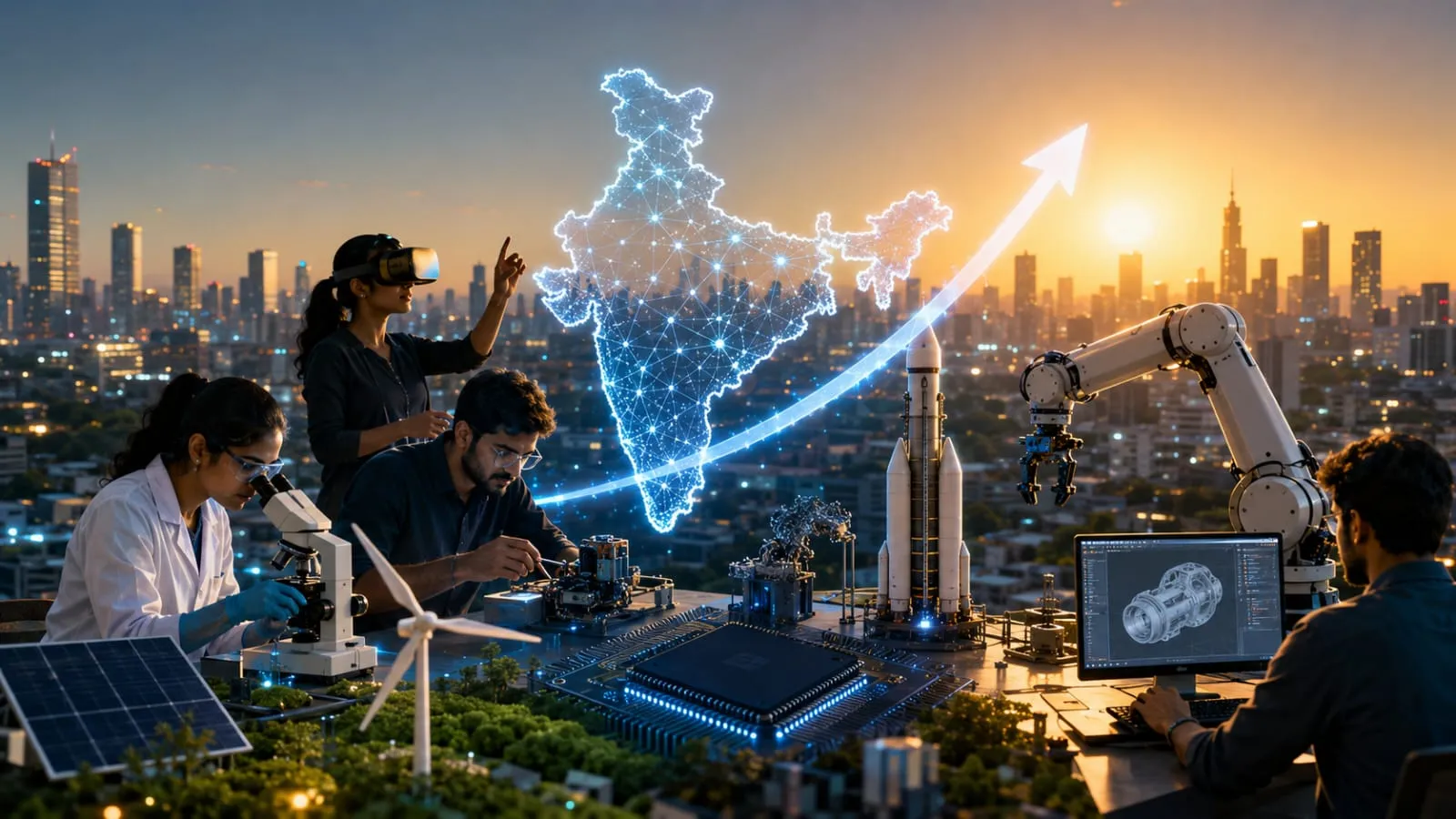
Many of India's most significant rounds in 2026 have gone to startups building core technologies rather than convenience platforms.
The AI Race Is Reshaping Investment Priorities
No conversation about startup funding in 2026 is complete without discussing artificial intelligence.
The global AI boom has transformed investor behaviour.
Indian founders are building AI products across healthcare, education, financial services, manufacturing, logistics, cybersecurity, and enterprise software. Investors see AI not as a standalone category but as a foundational capability that can improve productivity across industries.
As a result, AI-focused startups are commanding larger valuations and attracting stronger investor competition than many traditional software businesses.
The trend mirrors global capital flows, but with an important distinction.
Indian AI startups increasingly focus on solving uniquely local challenges while building products that can compete internationally.
That combination of domestic relevance and global scalability is proving attractive to investors.
Climate-Tech and Semiconductors Enter the Mainstream
Two sectors that barely featured in funding discussions a decade ago are now among the most closely watched.
Climate technology is benefiting from growing awareness that sustainability represents one of the largest business opportunities of the coming decades.
Startups working on clean energy, battery technology, carbon management, waste recycling, water technology, sustainable materials, and energy efficiency are attracting significant investor attention.
At the same time, semiconductor startups are experiencing unprecedented momentum.
Government initiatives, geopolitical shifts, supply-chain diversification, and India's ambition to become a global manufacturing hub have created new opportunities for founders building chip design, semiconductor equipment, and advanced electronics businesses.
Investors increasingly view these sectors not merely as startup categories but as strategic national priorities.
Why Fewer Deals May Actually Be Healthier
At first glance, an 18% decline from peak funding levels might appear concerning.
But many investors argue that the correction has strengthened the ecosystem.
During periods of excessive capital availability, startups can become dependent on fundraising rather than customer revenue. Valuations sometimes become disconnected from business fundamentals.
The current environment rewards discipline.
Founders are focusing more on profitability, operational efficiency, customer retention, and sustainable growth.
Investors are conducting deeper due diligence and supporting businesses with stronger long-term prospects.
The result is an ecosystem that may be smaller in volume but stronger in quality.
In many ways, India's startup market is growing up.
The Bigger Picture
The most important takeaway from India's $8.09 billion funding story is not the total amount raised.
It is what the funding reveals about the country's future.
Capital is increasingly flowing toward sectors that can enhance India's technological capabilities, strengthen industrial competitiveness, improve sustainability, and position the country as a global innovation hub.
The startups attracting funding today are building artificial intelligence systems, semiconductor technologies, climate solutions, robotics platforms, aerospace technologies, and advanced manufacturing capabilities.
These are not just startups.
They are pieces of the infrastructure that will shape India's economic future.
The Road Ahead
The era of easy money may be behind us.
But the era of meaningful innovation appears to be accelerating.
India's startup ecosystem is no longer judged solely by how many unicorns it creates or how much capital it raises. Increasingly, it is being measured by the quality of technology it develops and the problems it solves.