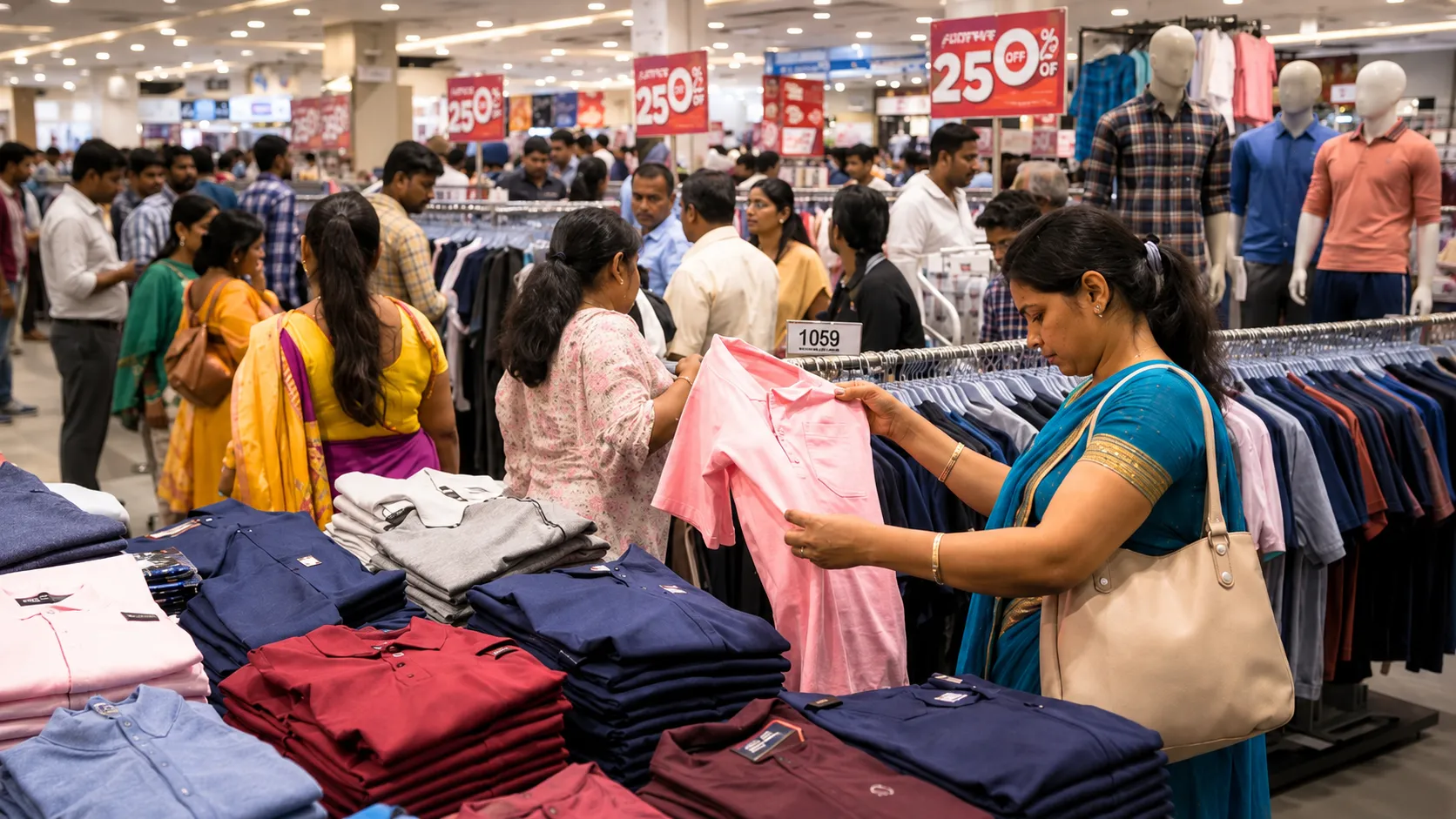
NEW DELHI — India's organised retail real estate sector delivered a robust performance through the first half of 2026, with retail leasing activity climbing 20% year-on-year to 3.9 million square feet, according to data released by the India Brand Equity Foundation (IBEF) — a growth trajectory that industry trackers attribute primarily to surging demand from fashion and apparel retailers, supported by a steadily expanding pipeline of Grade A retail infrastructure across the country's major metropolitan and tier-two markets.
The 20% growth figure represents a meaningfully strong performance for a real estate sub-sector that has, over the years, proven considerably more cyclical and demand-sensitive than its office or residential real estate counterparts, given retail space absorption's close linkage to discretionary consumer spending, brand expansion strategies, and the broader health of India's organised retail and e-commerce ecosystem. That the sector posted double-digit growth in the current environment — one that has seen periodic bouts of market volatility tied to global trade tensions, currency fluctuations and shifting interest rate expectations — suggests underlying consumer demand and retailer confidence in India's growth story have remained resilient through the first half of the year.
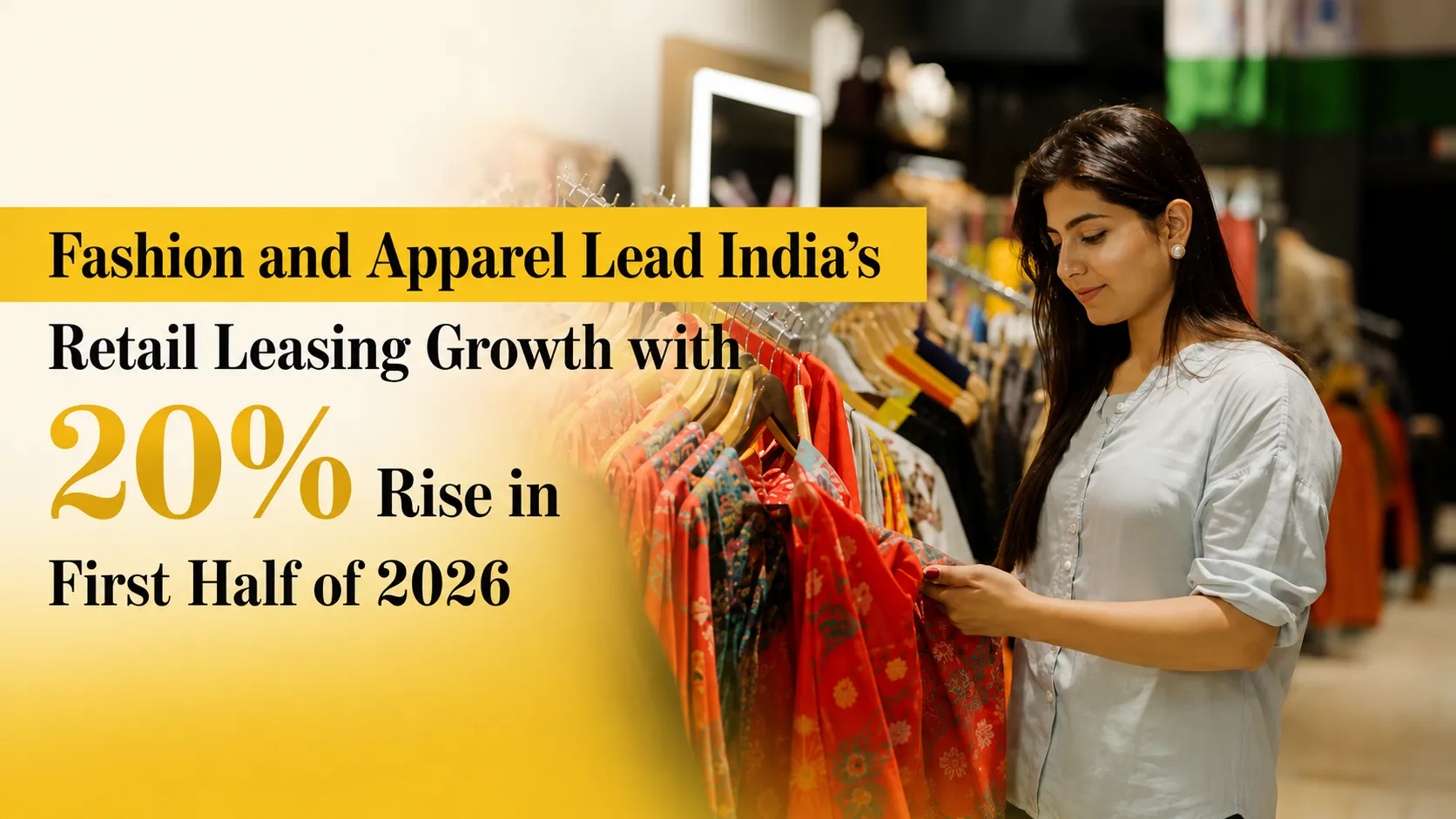
Fashion and apparel retailers have emerged as the standout demand driver behind this leasing surge, reflecting a combination of factors that have long characterized India's retail evolution: rising disposable incomes across an expanding middle class, continued urbanization bringing more consumers within reach of organised retail formats, and the ongoing shift in consumer preference from unorganised, standalone retail outlets toward branded, mall-based and high-street retail experiences that offer greater product assortment, quality assurance and shopping experience consistency. International and domestic fashion brands alike have continued to pursue aggressive store expansion strategies across India's major cities, viewing the country's large and increasingly brand-conscious consumer base as a priority growth market even as some other global markets have shown more mature, slower-growing retail demand patterns.
The supply side of the equation has proven equally important in enabling this leasing growth. India's retail real estate development pipeline has, over the past several years, increasingly shifted toward higher-quality, professionally managed Grade A retail infrastructure — malls and high-street developments built to international design, safety and operational standards, offering the kind of consistent footfall, tenant mix management and customer experience that large national and international retail brands increasingly demand as a prerequisite for signing long-term lease commitments. This expanding Grade A supply pipeline has, in effect, created the physical infrastructure necessary to accommodate and sustain the kind of robust leasing demand reflected in the first-half 2026 data.
Geographically, India's organised retail leasing activity has historically concentrated around the country's major metropolitan markets — the Delhi National Capital Region, Mumbai, Bengaluru, Hyderabad, Chennai, Pune and Kolkata — though industry analysts tracking the sector have noted a gradual but meaningful expansion of Grade A retail development into tier-two cities over recent years, as developers and retail brands alike look to capture consumer demand in smaller but rapidly growing urban centers where organised retail penetration has historically lagged well behind the major metros, representing significant untapped growth potential for both developers and retail tenants willing to establish an earlier presence in these emerging markets.
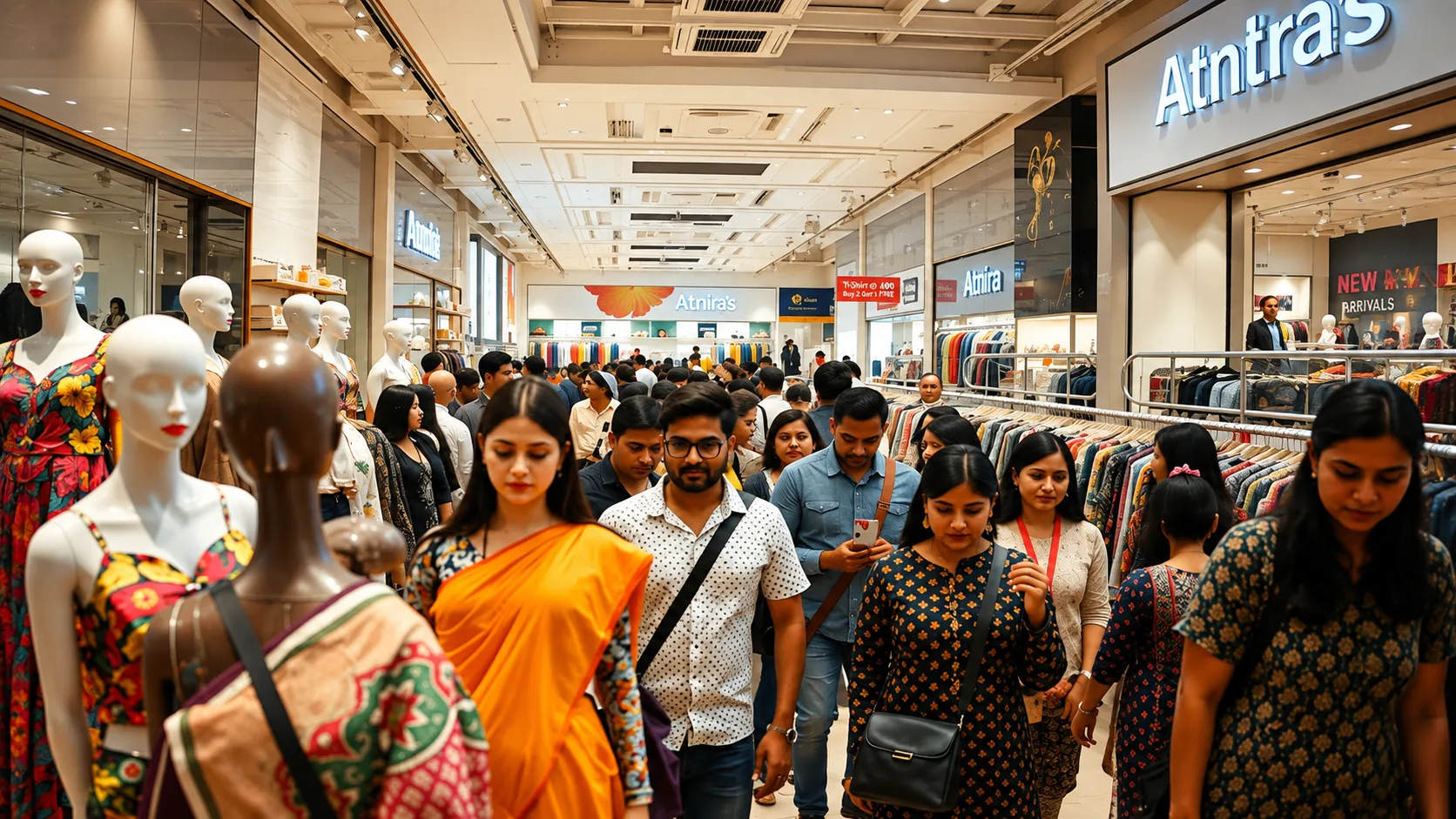
The retail leasing growth data arrives as a useful complementary data point within the broader mosaic of India's consumer economy performance through the first half of 2026, offering tangible, ground-level evidence of retailer confidence and expansion appetite that runs alongside — and to some degree corroborates — other consumer-facing indicators tracked across India's markets this year, from festive and wedding-season spending patterns to broader retail sales and consumer discretionary spending trends reported by listed consumer goods and retail companies through their own quarterly earnings disclosures.
For real estate developers and real estate investment trusts (REITs) with meaningful exposure to India's retail property segment, the first-half leasing data offers an encouraging signal regarding occupancy trends, rental rate trajectories, and the overall health of the retail leasing pipeline heading into the second half of 2026 — a period that typically includes India's crucial festive shopping season spanning Navratri, Dussehra and Diwali, historically the single most important sales and leasing window for India's organised retail sector, when both existing tenants and prospective new entrants often finalize expansion decisions in time to capture peak seasonal consumer spending.
The broader Indian retail sector's evolution toward organised formats also carries significant employment and economic formalization implications beyond the immediate real estate leasing metrics. Organised retail development, by its nature, tends to generate more formal, documented employment relationships compared to India's still-substantial unorganised retail sector, while also expanding the tax base and improving supply chain transparency across the broader retail and consumer goods value chain — outcomes that align closely with the government's broader economic formalization and Goods and Services Tax (GST) compliance objectives pursued over the past several years.
As India's retail real estate sector moves into the second half of 2026, industry watchers will be tracking whether the strong first-half leasing momentum can be sustained through the crucial festive season and beyond, whether the current fashion-and-apparel-led demand pattern broadens to encompass a wider mix of retail categories including food and beverage, entertainment, and experiential retail formats that have gained increasing prominence in mall tenant strategies globally, and whether the continued expansion of Grade A retail infrastructure supply keeps pace with what current data suggests remains a genuinely robust underlying demand environment across India's organised retail landscape.