India’s Energy Transition Story Is Beginning To Evolve Beyond Climate Goals Alone
For years, India’s clean-energy narrative frequently revolved around familiar themes involving solar capacity expansion, renewable infrastructure growth and broader climate commitments. Public conversations often focused heavily on electricity generation targets, carbon reduction ambitions and the country’s efforts to expand renewable energy ecosystems at scale. Solar parks, wind installations and clean-energy capacity additions increasingly became visible symbols of India’s transition strategy. While these developments fundamentally reshaped the country’s energy landscape, another category has gradually begun moving toward the center of industrial and investment discussions: green hydrogen.
Over recent years, green hydrogen increasingly emerged as one of India’s most ambitious long-term energy priorities. Produced using renewable energy sources rather than fossil-fuel-dependent methods, green hydrogen is increasingly viewed globally as a technology capable of influencing sectors where direct electrification often remains difficult. Industries involving steel manufacturing, fertilizers, shipping, heavy transport and industrial processing increasingly appear central to conversations surrounding hydrogen’s future role. As a result, governments and private industries globally continue evaluating hydrogen ecosystems not simply as environmental initiatives but also as long-term industrial opportunities.
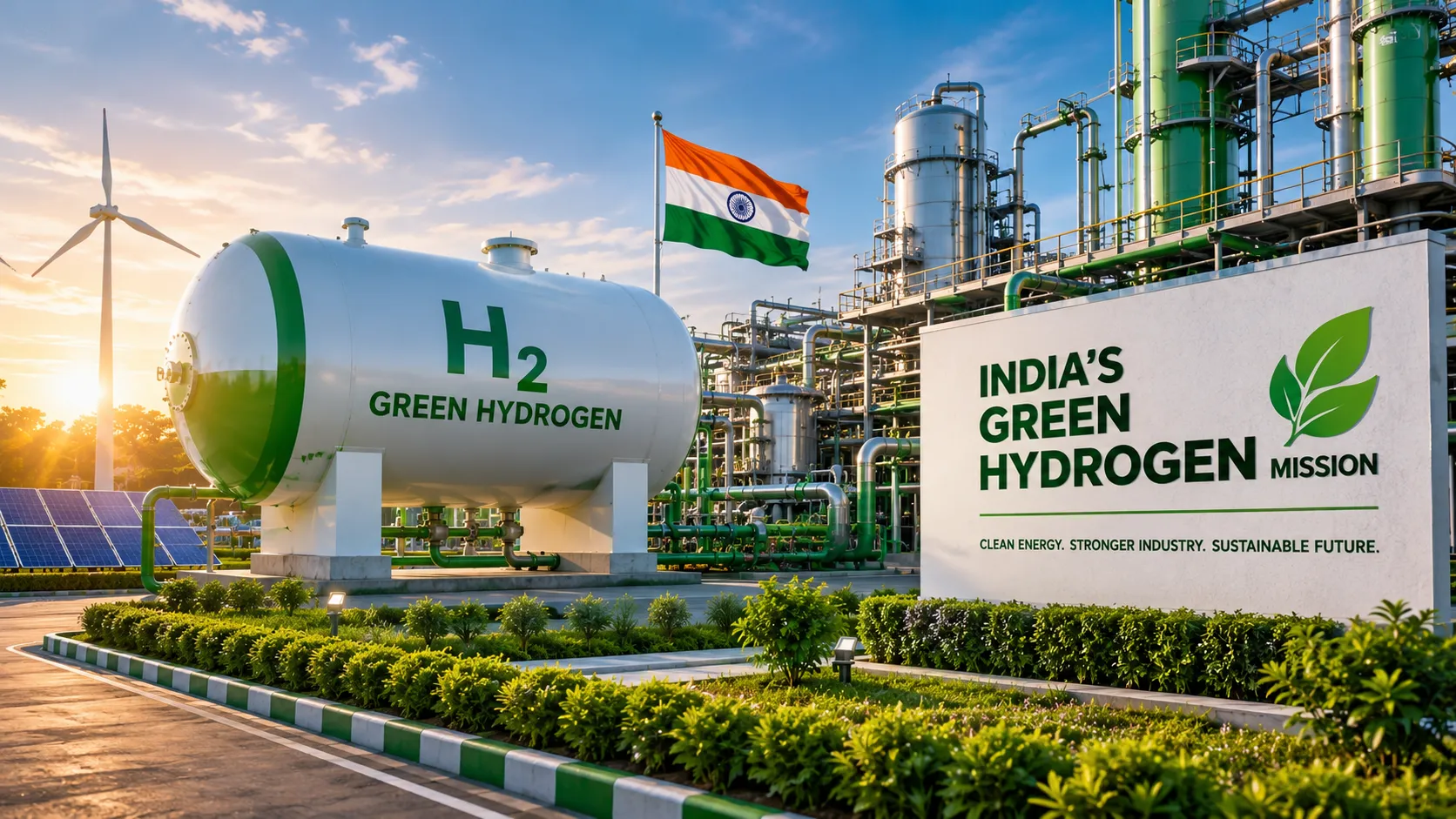
India increasingly appears positioning itself aggressively within this transition. Through the National Green Hydrogen Mission, the government introduced large-scale ambitions designed around creating domestic production capability, reducing dependence on imported energy systems and establishing India as a meaningful participant within future hydrogen economies. What initially appeared as a clean-energy policy discussion increasingly seems connected to something broader involving industrial infrastructure, manufacturing ecosystems and capital deployment at scale.
Viewed independently, green hydrogen frequently appears discussed through climate narratives. Viewed through a funding and industrial lens, however, another story increasingly becomes visible beneath the surface.
Industrial Groups Increasingly Appear To Be Treating Green Hydrogen As A Long-Term Investment Category
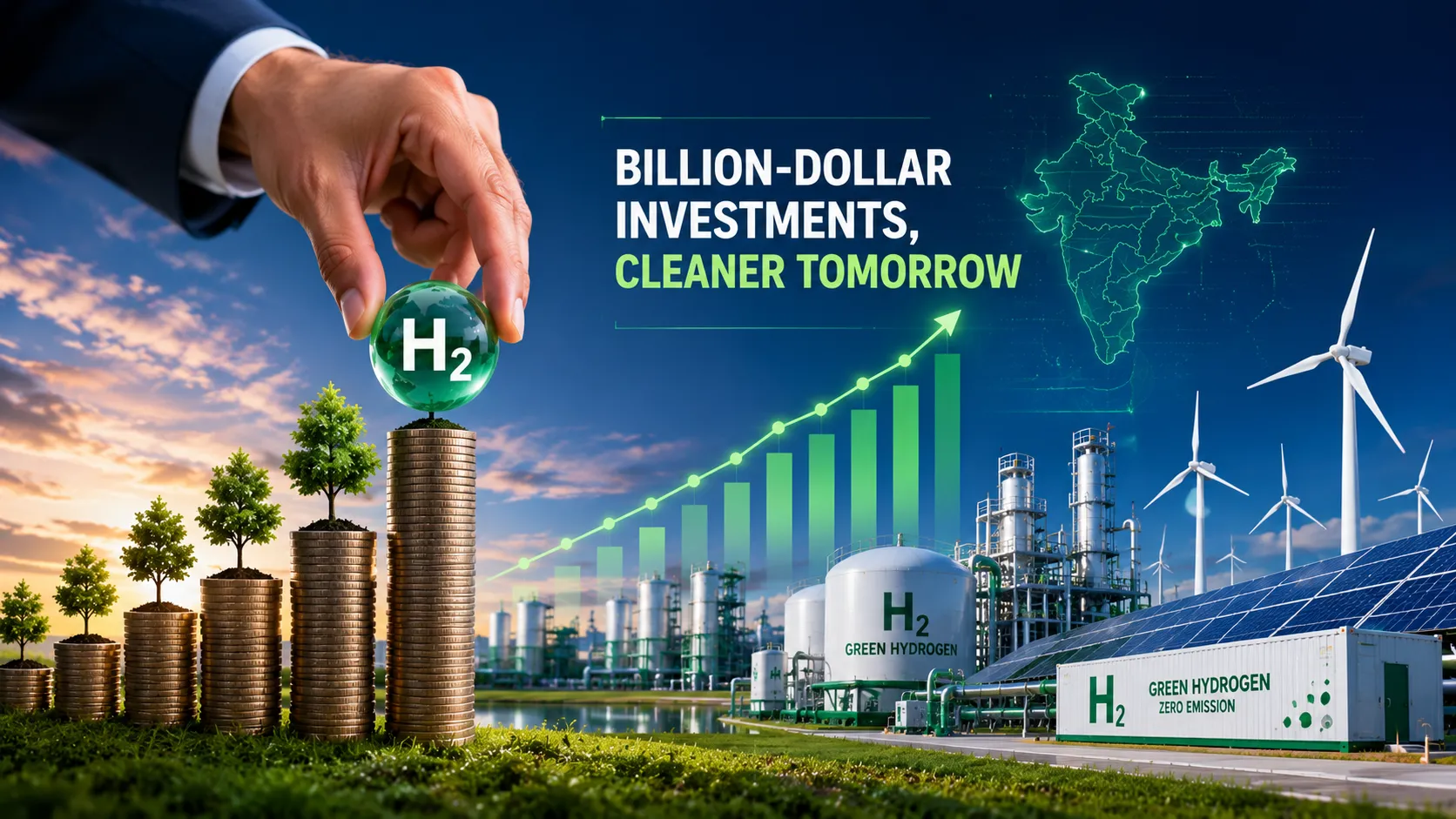
Part of the significance surrounding India’s hydrogen push involves the scale of investment activity increasingly emerging around it. Over recent years, several large industrial groups announced ambitious plans involving hydrogen production ecosystems, integrated infrastructure projects and large-scale renewable energy environments intended to support future hydrogen capacity.
Companies including Reliance Industries, Adani Group, Indian Oil Corporation, NTPC and multiple energy and industrial businesses increasingly introduced plans involving green hydrogen initiatives and related infrastructure environments. While timelines and project structures vary substantially, the broader direction increasingly appears consistent. Green hydrogen increasingly seems viewed not simply as an experimental technology category but as a long-term industrial investment environment capable of influencing future competitiveness.
The financial scale surrounding these developments frequently extends into billions of dollars. Several announcements increasingly involve integrated ecosystems linking renewable energy assets, electrolyzer manufacturing, transportation systems and industrial applications simultaneously. Rather than isolated pilot projects, many initiatives increasingly appear designed around larger industrial ecosystems capable of supporting future capacity expansion.
This shift increasingly matters because infrastructure transitions frequently accelerate only when large capital systems begin participating meaningfully.
And increasingly, industrial capital appears entering hydrogen conversations with greater confidence.
Funding Activity Increasingly Suggests Hydrogen Is Becoming More Than An Energy Story
Historically, many emerging energy technologies often experienced periods where optimism significantly exceeded investment commitment. Technologies occasionally attracted attention but struggled attracting large-scale industrial participation because commercial pathways remained uncertain.
Green hydrogen increasingly appears entering a different phase.
Recent years increasingly witnessed stronger participation involving institutional investors, industrial businesses and infrastructure ecosystems willing to commit long-term capital toward hydrogen environments. Funding discussions increasingly involve manufacturing ecosystems, industrial partnerships and large infrastructure commitments rather than smaller experimental activity.
Importantly, the broader transition increasingly appears connected to economics as much as sustainability.
Hydrogen discussions frequently intersect with concerns surrounding industrial competitiveness, future export opportunities and energy security itself. Countries globally increasingly seek alternatives capable of supporting future industrial systems while reducing long-term dependence on conventional energy structures.
As a result, investment activity increasingly reflects assumptions extending far beyond environmental considerations alone.
The broader movement increasingly suggests hydrogen itself may gradually become integrated within larger industrial strategies rather than operating as a standalone energy category.
States Increasingly Appear To Be Competing Around Future Industrial Ecosystems
Another important development increasingly emerging beneath India’s hydrogen ambitions involves state-level participation.
Historically, industrial competition across states often centered around manufacturing corridors, automotive ecosystems and infrastructure projects. Increasingly, however, future-oriented sectors involving semiconductors, renewable systems and hydrogen ecosystems appear influencing broader regional strategies.
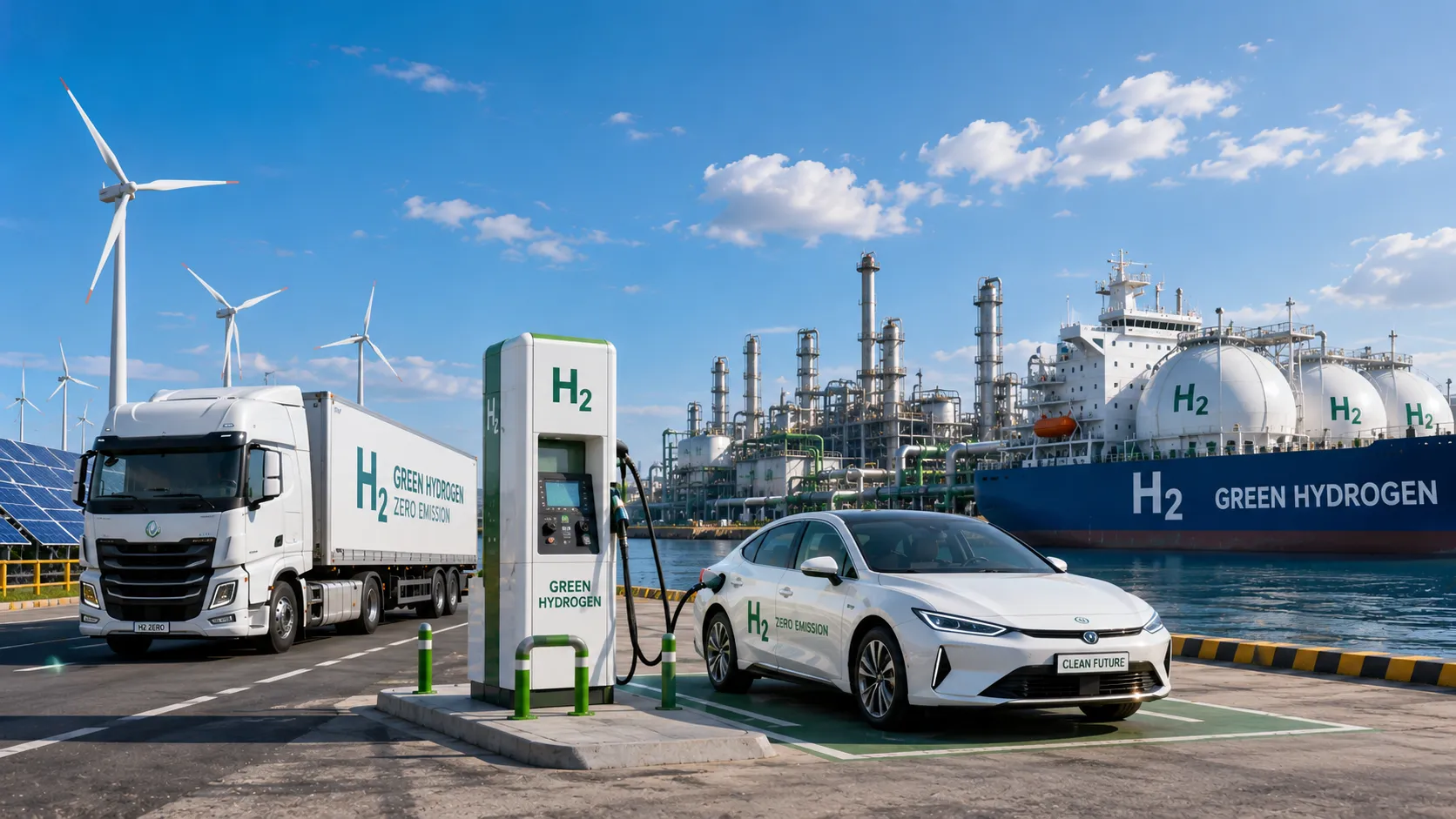
States including Gujarat, Odisha, Andhra Pradesh and Tamil Nadu increasingly introduced discussions and agreements surrounding renewable energy infrastructure and hydrogen-linked opportunities. Industrial projects frequently involve ports, logistics systems and manufacturing environments capable of supporting large-scale deployment.
The significance surrounding this shift increasingly extends beyond individual investment announcements themselves.
Hydrogen ecosystems frequently require interconnected infrastructure involving renewable generation capacity, industrial facilities, storage systems and transportation environments. As a result, regions increasingly compete not simply for projects but also for long-term industrial positioning.
The broader movement increasingly suggests that future economic competition may involve ecosystems rather than standalone facilities.
The Larger Story Increasingly Extends Beyond Clean Energy Alone
The broader significance surrounding India’s green hydrogen ambitions may ultimately involve what they reveal regarding the next phase of industrial investment itself.
Historically, energy transitions frequently operated primarily through environmental or policy discussions. Increasingly, however, green hydrogen appears entering conversations involving industrial competitiveness, manufacturing capability and long-term economic strategy.
Viewed through that broader lens, current investment activity increasingly resembles more than a clean-energy story. It increasingly appears connected to broader questions involving who builds future infrastructure, where industrial ecosystems emerge and how countries position themselves inside evolving global energy environments.
The larger funding story therefore may not simply involve hydrogen facilities or renewable projects entering new regions. Increasingly, it may involve understanding that large industrial systems appear beginning to organize themselves around assumptions involving future energy structures and long-term strategic capability.