The Education That Pain Provided
India's public markets have received, over the past four years, an education in startup investing that was necessary, sometimes brutal, and ultimately valuable. The companies that listed in the first wave of new-age technology IPOs — Zomato, Nykaa, Paytm, PolicyBazaar, CarTrade, PB Fintech — provided retail and institutional investors alike with a masterclass in the gap between a compelling narrative and a business that generates sustainable returns.
Some of those companies have subsequently vindicated their IPO valuations and their investors' confidence. Zomato's journey from a post-IPO slump to genuine profitability and strong sustained performance has been one of the more instructive stories in Indian public markets — evidence that the business model was fundamentally sound even if the initial public pricing was optimistic. Nykaa's consistent performance has validated Falguni Nayar's thesis about the Indian beauty retail market and about the sustainability of an omnichannel brand-driven model.
Others have been more humbling. Paytm's post-IPO trajectory — a dramatic decline from its listing price, regulatory interventions from the Reserve Bank of India, and a prolonged period of strategic uncertainty — has been the clearest illustration of the risk that comes with listing a company before its business model has been stress-tested against the demands of public market accountability.
The education that these trajectories have provided has changed the Indian public market investor's relationship with startup IPOs. The retail investor who lost money in a post-IPO decline is more skeptical. The institutional investor who experienced the mark-to-market pain of holding positions in companies that needed years to grow into their IPO valuations is more demanding. The result is a market that is significantly more rigorous in evaluating the startups that come to it for capital — a market that rewards demonstrated profitability, clear path to sustained earnings growth, and honest accounting of the competitive risks that every technology company faces.
The Class of 2026: Profitability as the Entry Ticket
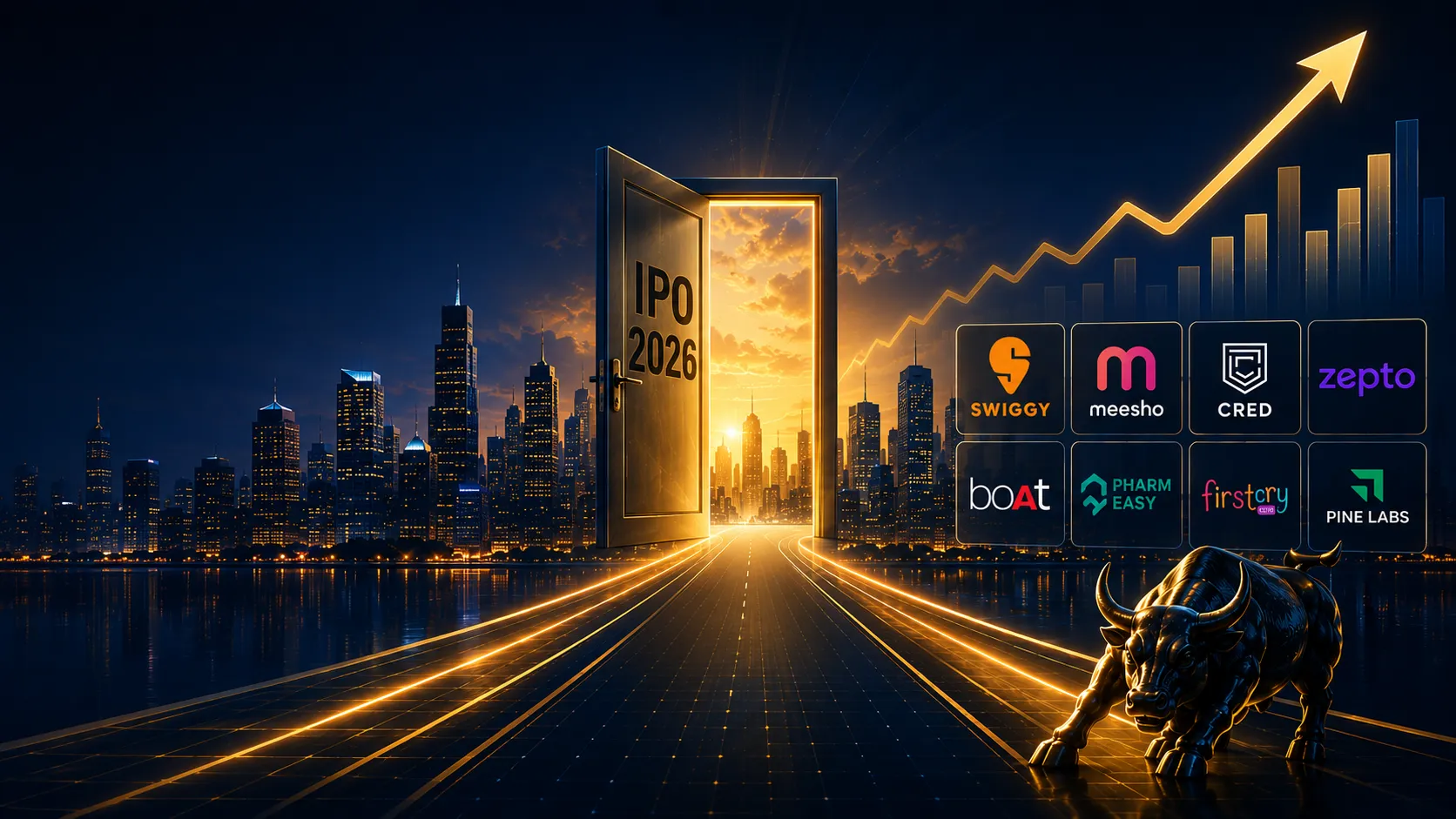
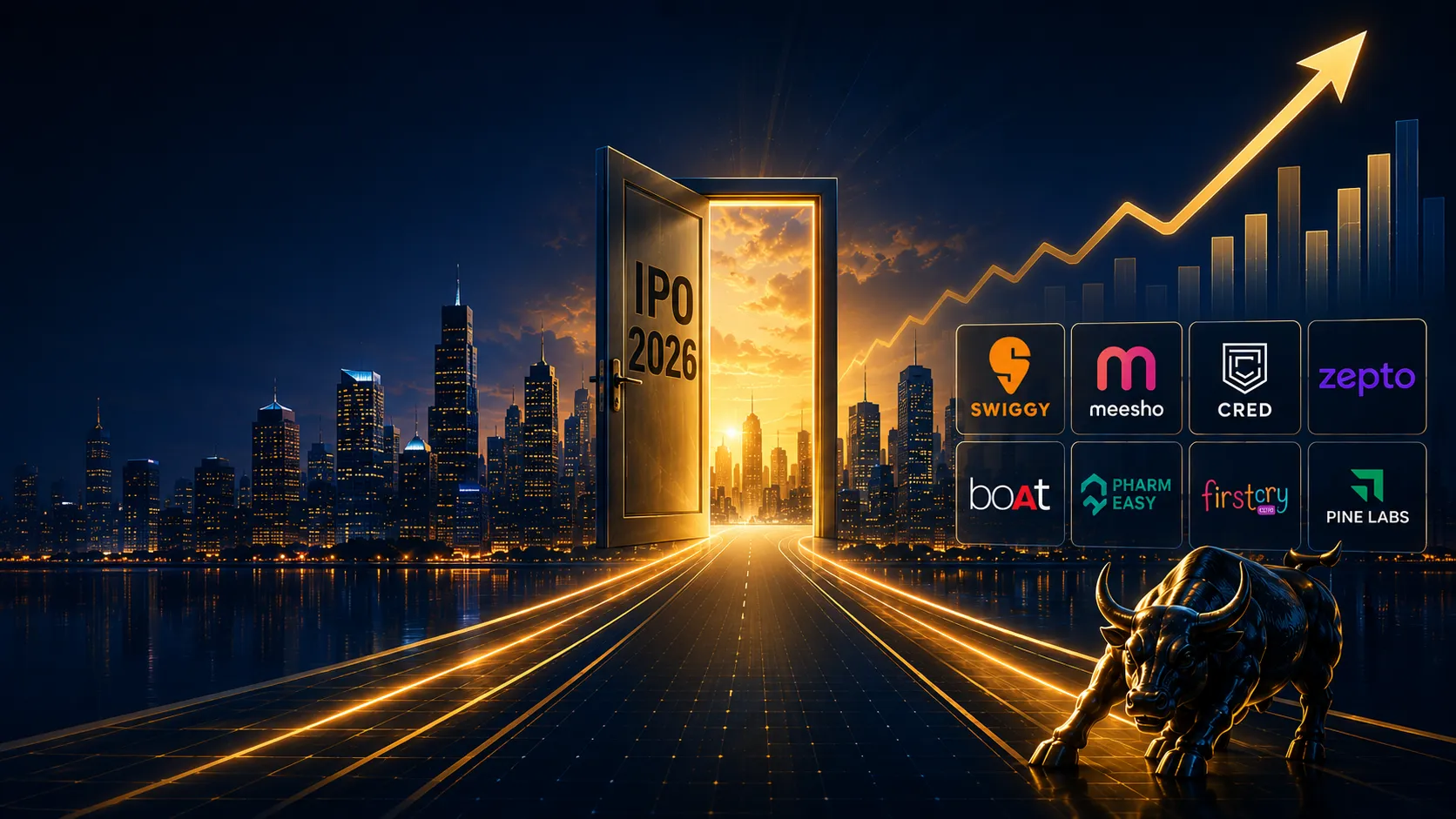
The 24 startups that have filed DRHPs with SEBI and the 26 more preparing to file represent the first cohort of Indian technology IPO candidates to have been substantially shaped by the more demanding market that the 2021-2022 IPO experience created. This shows in their financial profiles in ways that are genuinely different from the previous cohort.
The most significant difference is the prevalence of profitability, or at least clear and near-term paths to EBITDA neutrality, across the 2026 pipeline. Companies that would previously have listed on the strength of revenue growth trajectories and market size narratives are now presenting unit economics that show genuine positive contribution margins, cost structures that have been rationalized through years of operational improvement, and cash conversion cycles that demonstrate the business model's ability to generate rather than consume capital at scale.
This is not a triumph of investor sophistication alone. It is also the result of the operational experience that five more years of company building has provided to management teams. The founders and executives leading the 2026 IPO candidates have had more time to understand their businesses deeply — to identify the product lines and customer segments that generate profitable economics and to wind down or restructure the ones that do not. This operational maturity is visible in the quality of their DRHP disclosures and in the confidence with which their management teams discuss their financial models.
Atomberg and RentoMojo: Two IPO Theses Worth Understanding
Atomberg and RentoMojo represent two of the more interesting IPO theses in the 2026 pipeline — interesting not just because of the companies themselves but because of what they reveal about the directions in which the Indian consumer economy is evolving.
Atomberg's story is about energy efficiency as a value proposition, not just a regulatory requirement. The company's energy-efficient fans and home appliances — designed to consume significantly less electricity than conventional equivalents while delivering equivalent or superior performance — have found a market that has proven more price-inclusive than the typical premium segment consumer brand. Energy savings, for an Indian household that pays its own electricity bill, are not abstract. They are visible on a monthly statement. When a premium-priced product pays for itself in electricity savings within a year or two, the value calculation changes fundamentally, and the addressable market expands significantly beyond the premium-willing consumer.
Atomberg's IPO filing reflects a business that has found this intersection — of genuine technological differentiation, clear consumer value, and sustainable margin structure — and has built it to the scale where public market access is both possible and appropriate. The backing of Steadview Capital, Jungle Ventures, and A91 Partners provides investor credibility, and the company's reported financials suggest a business that has learned to grow without excessive capital intensity.
RentoMojo's IPO thesis is more explicitly about behavioral change — about the proposition that the next frontier of Indian consumer spending is access rather than ownership. The company's rental platform for appliances and furniture operates in a market that is early in development but that has clear structural tailwinds: urbanization producing mobile young professionals who move frequently and resist the capital commitment of furnishing owned homes; a secondary market for used goods that remains underdeveloped in India, making ownership less economically rational; and a growing Gen Z cohort for whom the access-over-ownership philosophy is a genuine preference rather than a financial compromise.
The financial profile that RentoMojo presents in its DRHP reflects the challenges as well as the opportunities: the asset-heavy nature of a rental business, the working capital requirements of a fleet that must be serviced, repaired, and eventually replaced, and the unit economics at different stages of asset life that determine whether the model generates sustainable returns. Public market investors will scrutinize these economics carefully, and RentoMojo will need to demonstrate with precision that the model works at the scale it is targeting.
The 2026 IPO Class and What It Predicts for the Next Decade
The recalibration that defines the 2026 IPO class — toward fundamentals over narrative, toward demonstrated profitability over projected growth, toward honest disclosure over optimistic framing — is precisely what India's public markets needed to establish the credibility that will allow them to function as an effective exit mechanism for India's startup ecosystem over the long term.
A public market that has lost retail investor trust — through a series of post-IPO declines driven by overpromising and underdelivering — cannot effectively serve the ecosystem. It cannot price risk accurately. It cannot provide the liquidity that allows investors to recycle capital into new ventures. And it cannot serve as the mechanism through which the wealth created by startup growth is distributed to the broader investor public, including the retail investors who represent the ultimate source of capital for the ecosystem's long-term health.
The more demanding market that the 2021-2022 experience created, while painful for those who experienced the losses it required, has served the long-term interest of the ecosystem by forcing the 2026 cohort to be better — better prepared, more financially disciplined, more honest in their disclosures, and more realistic in their valuations. The companies that list in 2026 and perform well will restore the retail investor trust that their predecessors strained. And the restoration of that trust will expand the capital available to India's startup ecosystem more than any government policy or investor conviction alone can achieve.
For The Impactful Global Indian, the 2026 IPO pipeline is one of the most consequential stories in Indian technology. The companies that emerge from this pipeline as successful public entities will define the landscape of Indian consumer and enterprise technology for the next generation. The discipline they have built, the business models they have refined, and the investor relationships they have cultivated will serve as the foundation for the next phase of Indian innovation. The first decade was about building. The second decade will be about sustaining — and the IPO class of 2026 is the test of whether India's startup ecosystem has built the kind of companies that deserve to be sustained.