FundingAnalysis11 MIN READ

Thirty-Five Years After 1991: What India's Liberalisation Delivered, and What It Still Owes

As the country marks over three decades since the reforms that reshaped its economy, commentators are offering a more sober reckoning — celebrating dramatic growth while pointing to weak public services and stalled job creation as unfinished business

By Shaym Kumar · Author29 July 2026Feature
Thirty-Five Years After 1991: What India's Liberalisation Delivered, and What It Still Owes

Thirty-five years after a balance-of-payments crisis forced India's government to abandon decades of inward-looking economic policy and open the country's economy to global trade, investment, and competition, 2026 has brought with it a wave of retrospective commentary attempting to reckon honestly with what the 1991 liberalisation reforms actually delivered — and, just as importantly, what they have still failed to deliver more than three decades on. The resulting picture, as painted by economists, policymakers, and business leaders marking the anniversary, is neither the triumphant success story that liberalisation's most enthusiastic proponents might prefer to tell, nor the wholesale failure that its most persistent critics sometimes suggest, but something considerably more nuanced: a genuine, transformative economic success story that has nonetheless left substantial and, in some respects, deeply consequential unfinished business.

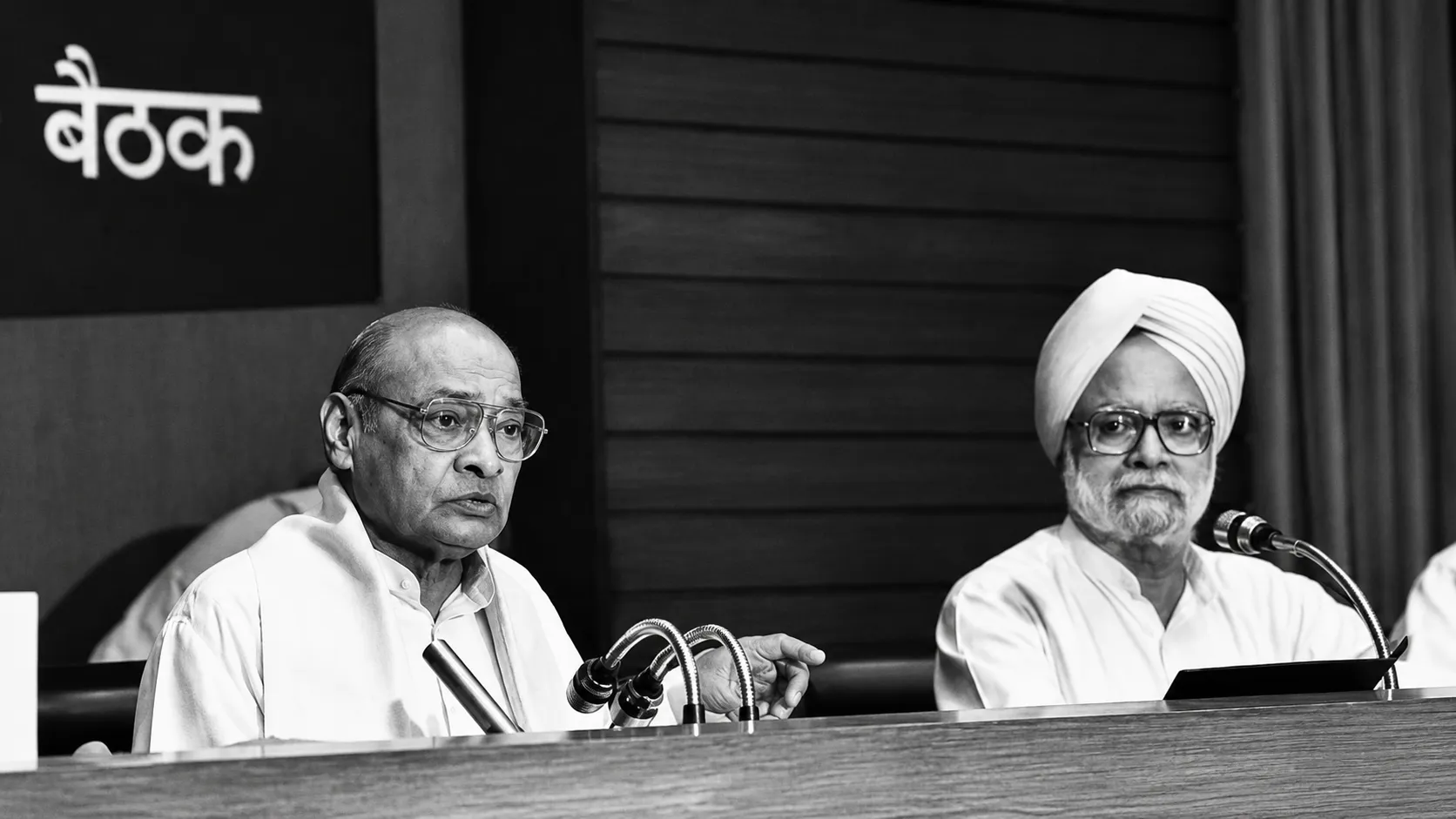
The scale of India's economic transformation since 1991 is, by almost any reasonable measure, difficult to overstate. The India of 1991 was an economy operating under an extensive licensing regime — often derisively termed the License Raj — that required government permission for even routine business decisions like capacity expansion, product diversification, and pricing, an economy largely closed to foreign investment and trade, and one that had, in the years immediately preceding the reforms, come perilously close to defaulting on its international payment obligations, forcing the government to physically airlift gold reserves to secure emergency loans from international lenders. The India of 2026, by contrast, stands as one of the world's largest and fastest-growing major economies, home to a vibrant and globally competitive technology services sector, an increasingly sophisticated manufacturing base attracting investment from multinational corporations seeking alternatives to Chinese manufacturing capacity, and financial markets sophisticated enough to support the kind of dynamic, multi-billion-dollar corporate activity — from IPOs to complex financial services innovation — that would have seemed entirely fantastical to observers of India's pre-liberalisation economy.
ChatGPT Image Jul 29, 2026, 04_55_34 PM.png

Growth statistics alone tell a compelling part of this story. India's economy has expanded many-fold in real terms since 1991, transforming the country from a relatively minor player in global trade and investment flows into an economy whose growth trajectory and consumer market potential feature prominently in the strategic calculations of virtually every major global corporation and investment institution. Per capita income, while still leaving India classified as a developing economy by international standards, has grown substantially, lifting hundreds of millions of Indians out of extreme poverty over the decades since liberalisation began, even as debates continue about the precise pace, distribution, and sustainability of this poverty reduction achievement.

The sectoral transformation of the Indian economy since 1991 offers perhaps the most visible testament to liberalisation's impact. India's information technology and IT-enabled services sector, which barely existed in any globally significant form in 1991, has grown into a globally dominant industry generating hundreds of billions of dollars in export revenue and employing millions of Indians directly, alongside the broader ecosystem of ancillary industries and urban development that has grown up around India's major technology hub cities. This sector's emergence, built substantially on the foundation of liberalisation-era policy changes that opened India's economy to global trade and investment while simultaneously allowing Indian entrepreneurs and companies the freedom to build and scale businesses without the suffocating licensing constraints of the pre-1991 era, stands as arguably the single most consequential economic success story to emerge from India's liberalisation journey.

Financial sector development represents another area where liberalisation's impact has proven genuinely transformative. India's stock markets, banking sector, and broader financial services industry have evolved from a comparatively underdeveloped, heavily regulated system into a considerably more sophisticated, market-driven financial ecosystem capable of supporting complex corporate finance activity, a vibrant venture capital and private equity industry funding the country's growing startup ecosystem, and increasingly, a base of retail investors participating directly in equity markets at a scale that would have been unimaginable in the pre-liberalisation era, when Indian household savings were channeled almost exclusively toward physical assets like gold and real estate, or toward low-yielding, government-directed banking deposits.

Yet alongside this genuine transformation, the anniversary commentary emerging in 2026 has been notably candid about the substantial unfinished business that remains. Weak public services represent perhaps the most frequently cited area of continued concern, with critics pointing to India's continued struggles in areas including public healthcare infrastructure, the quality and accessibility of public education, particularly at the primary and secondary levels in many parts of the country, and the broader state of public infrastructure including water supply, sanitation, and urban planning in many of India's rapidly growing cities. The argument frequently advanced by critics is that liberalisation's focus on unleashing private sector dynamism was not accompanied by an equally ambitious, sustained effort to build the kind of high-quality public services and social infrastructure that have historically accompanied successful economic development in other countries that have navigated comparable transitions from lower-income to middle-income economic status.

Job creation has emerged as perhaps the single most persistent and politically consequential area of unfinished business highlighted in anniversary retrospectives. Despite India's substantial GDP growth over the past 35 years, the pace of formal, well-paying job creation has, by most economic analyses, consistently lagged what the country's rapidly growing working-age population would require to be fully and productively absorbed into the formal economy. This job creation shortfall has manifested in various ways, including persistently high levels of underemployment and informal, precarious employment, continued heavy reliance on agriculture as an employment sector even as agriculture's contribution to overall GDP has declined substantially, and periodic instances of enormous applicant pools competing for a comparatively small number of formal government or private sector job openings — a pattern that has, at various points, generated significant public and political attention around the adequacy of India's job creation trajectory relative to its demographic and economic growth story.

Infosys co-founder N R Narayana Murthy, among the most closely watched and influential voices in Indian industry, has been particularly vocal in recent commentary about the continued need for further reform, arguing that India can no longer afford to be complacent about protectionist tendencies and that the country's vast MSME sector in particular needs to be freed from what he has characterised as excessive regulatory and inspection burdens if it is to become a more meaningful and dynamic contributor to India's continued economic growth and job creation. This perspective, echoed by numerous other business leaders and economists in various forms, points to a persistent critique that India's liberalisation journey, however transformative in its first several decades, remains genuinely incomplete in important respects, particularly concerning the ease of doing business for smaller enterprises that, in aggregate, represent the largest potential source of the kind of broad-based job creation India's economy continues to need.
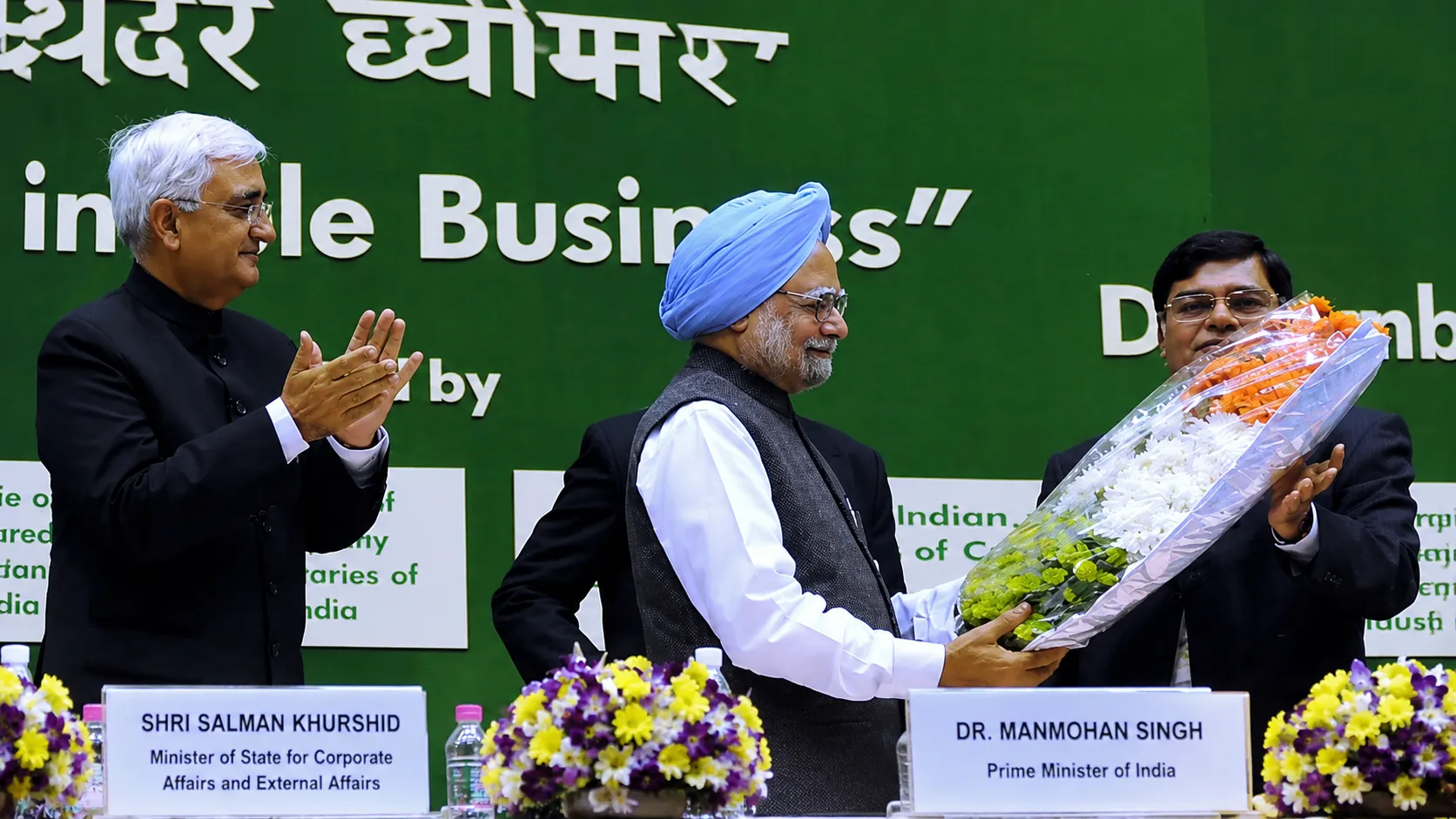

Thirty-five years is long enough to declare victory or admit failure — India's economy has instead done neither, delivering genuine, dramatic transformation while leaving enough unfinished business to fill another three decades of reform debate.
Business Desk, The Impactful Global Indian

The regulatory and bureaucratic burden facing India's MSME sector specifically has become a recurring theme in this broader unfinished-business narrative. Despite the dramatic reduction in licensing requirements for larger industrial enterprises that formed the centrepiece of the original 1991 reforms, smaller businesses have, by many accounts, continued to face a disproportionate burden of regulatory compliance, inspection requirements, and bureaucratic friction relative to their scale and capacity to absorb such costs, a dynamic that critics argue has constrained the ability of India's enormous population of small and medium enterprises to scale, formalise, and generate the kind of sustained employment growth that a more genuinely liberalised, low-friction regulatory environment might support.

Trade policy tensions add a further dimension to the contemporary reckoning with India's liberalisation legacy, particularly given the ongoing complexities in India's trade relationship with the United States, including the recently clarified Section 301 tariff arrangement, alongside India's own historically cautious approach to fully opening its markets through comprehensive free trade agreements with major economies including the European Union. Critics argue that India's continued maintenance of tariff and non-tariff barriers across various sectors represents an incomplete embrace of the liberalisation logic that supposedly animated the 1991 reforms, even as defenders of India's more cautious trade policy approach point to legitimate concerns about protecting strategically important domestic industries and ensuring reciprocal market access from trading partners rather than pursuing unilateral trade opening without corresponding benefits for Indian exporters.

The generational dimension of this anniversary retrospective also deserves mention, since 2026 marks a moment when a substantial and growing proportion of India's population has now lived their entire lives within the post-liberalisation economic era, having no direct personal memory of the License Raj constraints and closed-economy conditions that defined India's pre-1991 economic experience. This generational shift carries implications for how the liberalisation legacy is understood and evaluated, with younger Indians perhaps more inclined to judge the current economy against contemporary aspirations and international comparisons rather than against the considerably more constrained economic conditions that prevailed before 1991 reforms began — a comparison that, almost by definition, tends to generate a more critical, less automatically celebratory assessment of the current economic status quo.

Looking ahead, the 35-year anniversary commentary has generally converged on a shared conclusion, even among voices with otherwise quite different political and economic perspectives: that India's liberalisation journey, however transformative its achievements over the past three and a half decades, cannot be treated as a completed project. Continued reform efforts across areas including public service delivery, regulatory simplification particularly for smaller enterprises, trade policy modernisation, and sustained investment in human capital development through improved education and healthcare systems all feature prominently in the reform agenda that anniversary commentators argue remains necessary if India is to fully translate its impressive macroeconomic growth achievements into broadly shared prosperity and adequate employment opportunities for its still-rapidly-growing population.

As India continues to navigate its economic development journey well into its fourth decade since the original 1991 reforms, this anniversary moment offers a useful opportunity for the kind of honest, comprehensive reckoning that anniversary commentary in 2026 appears to have substantially delivered — celebrating genuine, transformative achievement while refusing to shy away from the significant unfinished business that continues to constrain how fully and broadly India's considerable economic growth over the past 35 years has translated into improved living standards, quality employment, and public service delivery for the country's more than 1.4 billion citizens.

ChatGPT Image Jul 29, 2026, 04_59_10 PM.png

State-level variation in liberalisation's benefits also features prominently in more nuanced anniversary retrospectives, with commentators noting that the gains from India's post-1991 economic transformation have been distributed quite unevenly across the country's various states and regions. States that moved early and aggressively to attract private investment, build supportive infrastructure, and streamline local regulatory processes — including Maharashtra, Karnataka, Tamil Nadu, and Gujarat among others — have generally captured a disproportionate share of the investment, industrial growth, and associated employment generation that liberalisation enabled, while other states, often those that maintained more restrictive local regulatory environments or lacked comparable infrastructure investment, have lagged considerably in translating national-level liberalisation into local economic transformation.

The banking and financial sector's own post-liberalisation journey offers a particularly instructive microcosm of the broader reform narrative under discussion in this anniversary retrospective. As detailed in recent commentary around public sector banks crossing ₹283 lakh crore in aggregate business, India's banking system has undergone its own multi-decade transformation since 1991, moving from a heavily state-directed, inefficient lending system through a painful bad-loan crisis and recapitalisation period, toward what current data suggests is a considerably healthier, more dynamic banking sector today. This trajectory — genuine crisis, painful but necessary reform, and eventual, hard-won recovery — mirrors in miniature the broader pattern that characterises India's overall liberalisation story: real progress, but rarely in a straight line, and never without significant intervening setbacks that had to be worked through rather than avoided.

Education policy reform represents another frequently cited area where anniversary commentators argue India's liberalisation journey remains incomplete. While India has produced world-class institutions and a globally competitive pool of engineering and technical talent that has, as discussed extensively in coverage of the country's booming global capability centre ecosystem, become one of the nation's most significant economic assets, critics point out that this achievement coexists with a broader public education system that continues to struggle with quality and access challenges for a very large proportion of India's population, suggesting the liberalisation era's human capital development has been considerably more successful at the elite and upper-middle tiers of the education system than at its broader base.

Looking specifically at how this anniversary moment intersects with contemporary policy debates, several of the themes explored throughout this year's retrospective commentary connect directly to live, ongoing policy discussions — from the continued negotiation of India's trade relationship with the United States under the Section 301 tariff framework, to debates about how aggressively India should continue opening its markets through free trade agreements with partners including the European Union, to ongoing efforts to reduce regulatory burdens on India's MSME sector. In this sense, the 35-year liberalisation anniversary functions less as a purely historical retrospective and more as a lens through which many of India's most pressing contemporary economic policy debates can be usefully understood and contextualised.

TagsLiberalisation35IndianEconomyEconomicReforms1991ReformsIndiaGrowthStoryEconomicPolicyJobCreationIndiaMakeInIndiaIndiaAt35PolicyReform

Reader reviews

Sign in to rate and review this article.
Loading reviews…