FundingAnalysis10 MIN READ

Why Brokerages Are Still Bullish on HUL: Inside the 18-24 Per Cent Upside Call That Followed a Headline Profit Miss

A closer look at the analyst math behind Hindustan Unilever's post-results rally, and what it reveals about how professional investors read through accounting base effects

By Aravind Kumar · Author29 July 2026Analyst Call
Why Brokerages Are Still Bullish on HUL: Inside the 18-24 Per Cent Upside Call That Followed a Headline Profit Miss

When Hindustan Unilever's shares climbed roughly 4 per cent in the sessions following its Q1 FY27 results — a set of numbers that, on the surface, missed Street expectations on profit growth — the move puzzled casual market observers even as it made complete sense to the analysts and portfolio managers who had spent the hours after the results announcement building out their revised models. Several major brokerages moved quickly to reiterate or upgrade their price targets on the stock, with projections pointing to further upside in the range of 18 to 24 per cent from prevailing levels, a call that deserves closer examination both for what it reveals about HUL's underlying business trajectory and for what it illustrates about how professional equity research actually works beneath the simplified headline numbers that dominate casual market coverage.

The starting point for understanding this bullish call is the specific accounting dynamic that drove HUL's headline profit growth below Street estimates in the first place. In the corresponding quarter a year earlier, the company's reported profit had benefited from a one-off tax credit that inflated the base against which this year's April-June quarter results were being measured. Analysts who build detailed quarterly models understand this kind of base effect distortion well, and the more sophisticated among them had likely already flagged the risk of a headline miss in their pre-results previews, precisely because they understood the prior year's tax credit would make like-for-like profit comparison misleading without adjustment.
ChatGPT Image Jul 29, 2026, 04_45_01 PM.png

This is where the distinction between headline and underlying analysis becomes critical to understanding brokerage behaviour. A financial analyst's job, in its most fundamental form, involves stripping away one-off, non-recurring items to arrive at a clearer picture of a company's sustainable, ongoing earnings power. When HUL's headline profit missed expectations primarily because of a prior-year tax credit rather than because of any deterioration in the company's actual operating performance, the appropriate analytical response is not to mark down the stock in line with the headline miss, but to look through that miss to the metrics that actually reflect the health of the underlying business — and on that front, HUL's quarter offered considerably more encouraging signals.

Net sales growth of 10 per cent year-on-year, and perhaps even more importantly, underlying volume growth of 5 per cent, represented the metrics that analysts building bullish cases around the stock have leaned on most heavily. Volume growth in particular carries outsized analytical weight for FMCG companies specifically because it cannot be manufactured through pricing actions or premiumisation strategies — it requires genuine, incremental units of product moving off shelves and into consumers' homes. A 5 per cent volume growth figure, arriving after a period during which many FMCG analysts had grown accustomed to more sluggish, low-single-digit volume trends across the sector, represented a genuinely meaningful acceleration that the more sophisticated segment of the analyst community appears to have read as the true headline of the quarter, effectively more important than the profit growth figure that dominated more casual, headline-only coverage of the results.

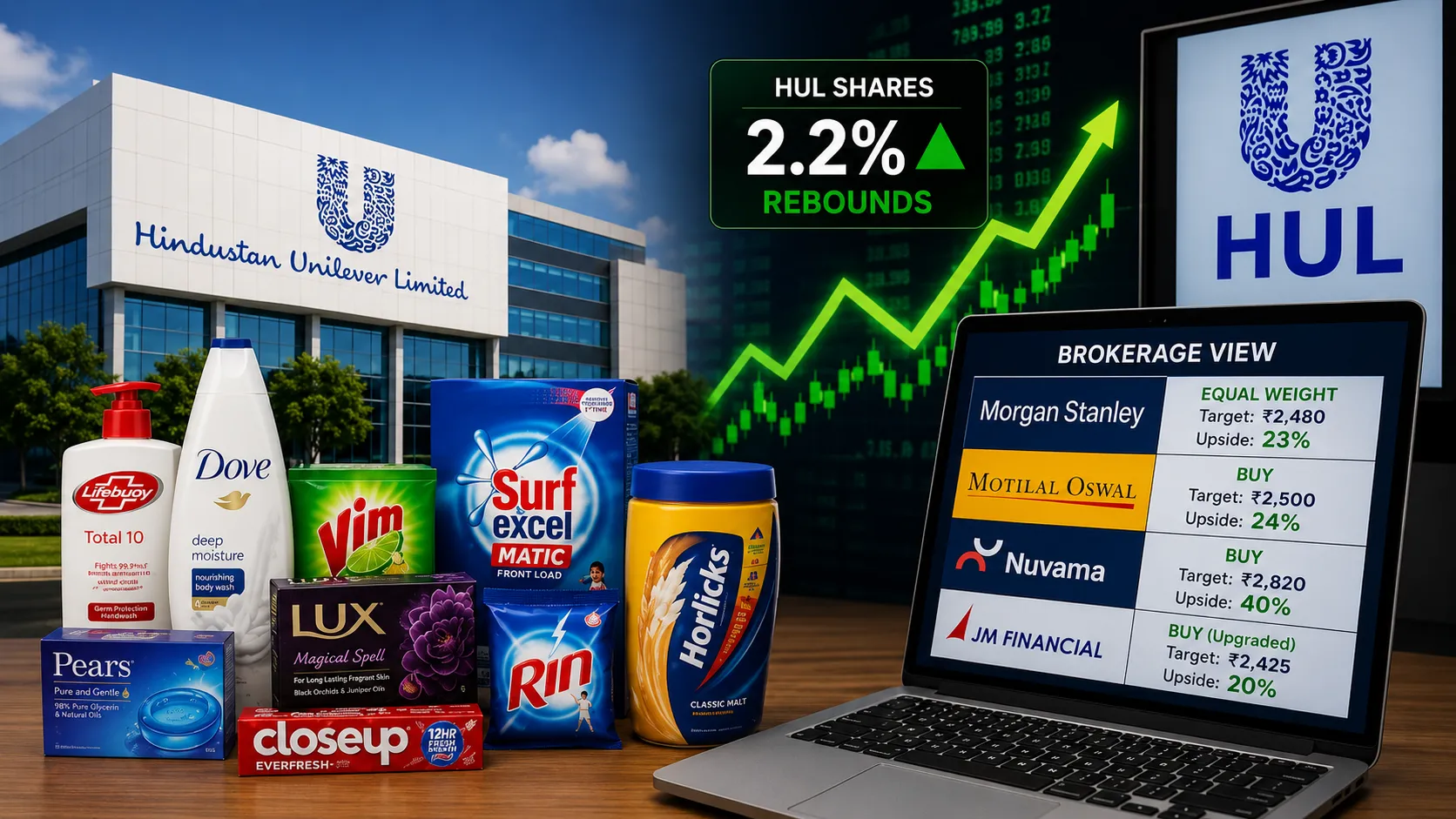
Motilal Oswal, alongside several other major domestic and international brokerages covering the stock, moved to reiterate bullish ratings in the aftermath of the results, with specific price target revisions implying the 18 to 24 per cent upside range that has since been widely cited in market commentary. This kind of tight clustering of price target ranges across multiple independent research houses, rather than wide divergence, typically signals a reasonable degree of consensus among professional analysts regarding both the interpretation of the specific results and the appropriate valuation framework to apply going forward — a meaningfully different situation than would prevail if brokerages had issued widely scattered, conflicting price targets reflecting genuine disagreement about how to read the quarter.

The mathematics underlying an 18 to 24 per cent upside call typically involves analysts modelling forward earnings growth assumptions, informed by the current quarter's volume and sales trends, and applying what they judge to be an appropriate price-to-earnings or other valuation multiple to those forward earnings estimates, then comparing the resulting implied fair value to the stock's current trading price. For analysts to arrive at upside estimates in this range immediately following a quarter with a headline profit miss suggests they are working from meaningfully improved forward earnings assumptions relative to what they held prior to the results — precisely the kind of forward-looking recalibration that would be expected if analysts genuinely believe the volume acceleration visible in this quarter represents a durable trend rather than a one-off blip.

It's worth examining what specifically might be driving analysts' confidence in the durability of HUL's volume recovery. Rural demand trends feature prominently in this analysis, given that rural India represents a disproportionately large share of volume consumption for HUL's core categories including soaps, detergents, and packaged tea, even though average price realisations in rural markets tend to run lower than in urban centres. Analysts who have grown more constructive on HUL's volume trajectory have generally pointed to signs of a more durable rural demand recovery, supported by improving agricultural conditions and rural income growth, as a key underpinning for their confidence that this quarter's volume acceleration can be sustained rather than proving a temporary, quarter-specific anomaly.

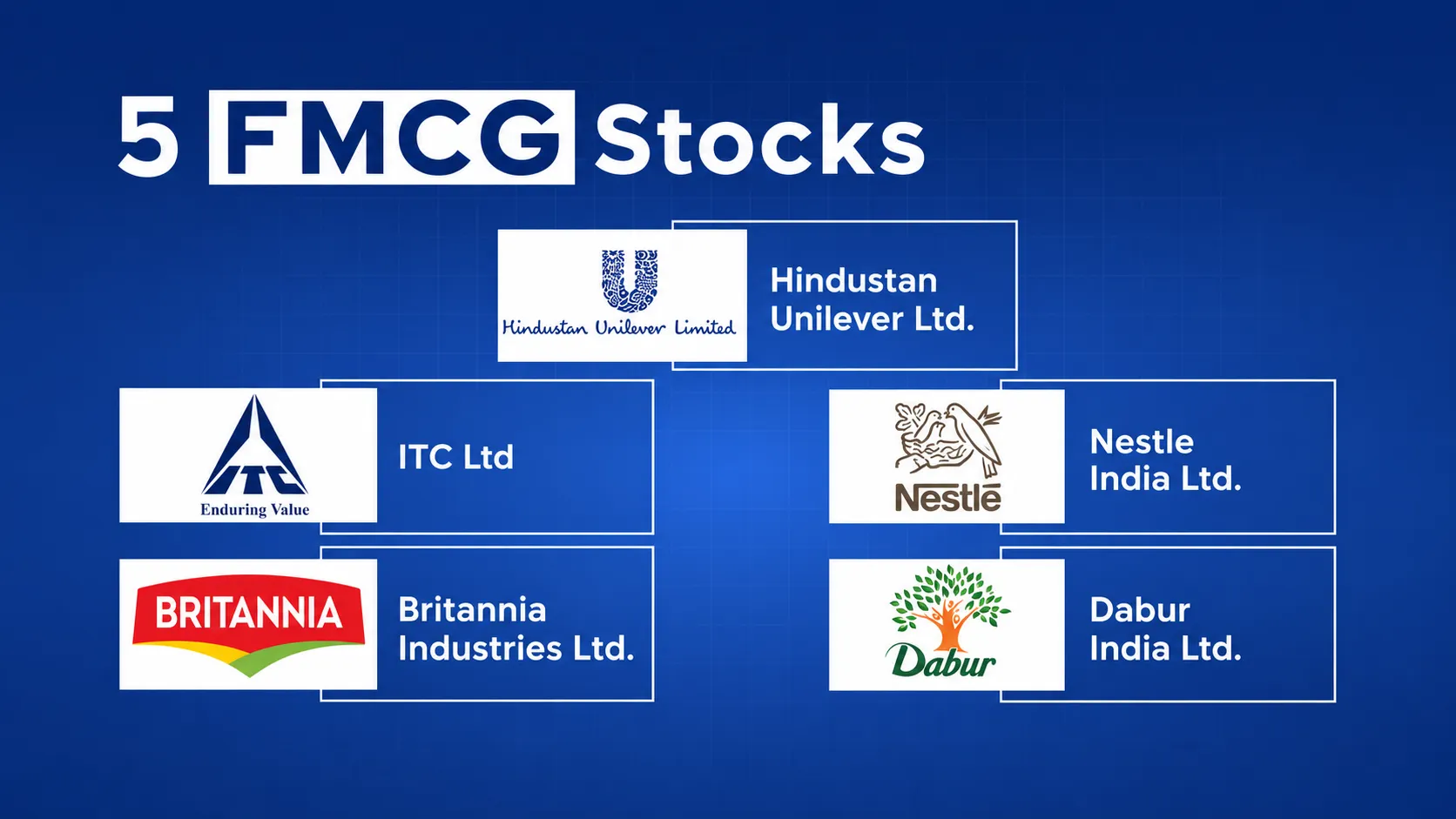
Comparative sector positioning also factors into the bullish analyst case for HUL specifically, as distinct from FMCG stocks more broadly. As India's largest listed FMCG company with an extensive, diversified portfolio spanning home care, personal care, foods, and refreshment categories, HUL's scale and distribution reach give it structural advantages in capturing any broad-based improvement in Indian consumer demand that smaller, more narrowly focused FMCG competitors may struggle to replicate to the same degree. This scale advantage, combined with the company's demonstrated ability to grow both volumes and average realisations simultaneously this quarter — a genuinely difficult balance to strike, since aggressive pricing can suppress volume growth even as it lifts revenue — has reinforced analyst confidence in the durability of the company's competitive positioning.

Valuation considerations also play into the specific magnitude of the upside estimates being floated. HUL, like many large-cap Indian FMCG stocks, has historically traded at premium valuation multiples relative to the broader market, reflecting investors' willingness to pay up for the stability, brand strength, and dividend-paying consistency that a company of HUL's scale and market position typically offers. Analysts building bullish cases following this quarter's results appear to be arguing that the stock's current valuation does not yet fully reflect the improved volume growth trajectory suggested by this quarter's numbers, creating the valuation gap that the 18 to 24 per cent upside estimates are attempting to quantify.

An 18 to 24 per cent upside call issued the same day as a headline profit miss is not a brokerage being contrarian for its own sake — it is a brokerage telling you, in the clearest language available, that the miss was noise and the volume number was signal.
Business Desk, The Impactful Global Indian

Risk factors that could complicate this bullish thesis deserve equal consideration, in the interest of a balanced assessment. Input cost volatility, particularly relating to palm oil and various other agricultural and crude-linked raw materials central to HUL's cost structure, represents an ongoing variable that could pressure margins even if volume growth continues to accelerate as analysts currently anticipate. Additionally, competitive intensity within India's FMCG sector has generally increased in recent years, with both nimble digital-first challenger brands and increasingly ambitious regional players competing for market share across several of HUL's core categories, a dynamic that could complicate the company's ability to sustain simultaneous volume and pricing growth over a more extended period.

The broader market context in which this bullish HUL call emerged also merits brief consideration. HUL's results and the resulting analyst commentary arrived during a week when Indian markets broadly rallied, led initially by information technology stocks before broadening into other sectors including FMCG and metals by the middle of the trading session. This generally constructive market backdrop likely provided a more receptive environment for analysts to issue bullish calls than would have been the case during a more defensive, risk-averse market phase, though the fundamental, company-specific logic underlying the HUL upside call — rooted in the volume growth and tax base effect analysis discussed above — would presumably hold regardless of the broader market's mood on any given trading day.

For retail investors trying to make sense of a situation where a stock rallies following a headline profit miss, HUL's case offers a genuinely instructive lesson in the importance of looking beneath simplified headline numbers to the underlying metrics that professional analysts actually weight most heavily in their models. Volume growth, sales growth, and forward earnings trajectory frequently matter more to sophisticated market participants than a single quarter's reported profit figure, particularly when that figure has been distorted by a well-understood, one-off accounting base effect — a distinction that, once understood, makes HUL's seemingly counterintuitive post-results rally considerably easier to explain.

As subsequent quarters unfold and the tax base effect distortion rolls off HUL's year-on-year profit comparisons, the market will have a clearer, less complicated basis for assessing whether this quarter's volume growth acceleration proves durable, confirming the bullish thesis that has driven brokerages to project 18 to 24 per cent upside for the stock, or whether it proves to have been a more transient improvement that fails to sustain itself at the same pace through the remainder of FY27.

Category-level granularity, once fully disclosed through HUL's detailed results filings and management commentary, will offer analysts a further opportunity to test the durability of their bullish thesis. HUL's portfolio spans heavyweight categories including fabric wash, personal wash, and packaged tea alongside smaller but faster-growing segments like premium skincare and health food drinks, and a volume recovery that shows genuine breadth across this diverse category mix would offer considerably more confidence than one narrowly concentrated in just one or two segments, where company-specific promotional activity or channel-stuffing dynamics might account for a disproportionate share of the reported improvement.

The peer read-through from other FMCG results reported around the same time also factors into how durable analysts judge HUL's specific volume story to be. With Dabur India and Colgate-Palmolive India both reporting their own Q1 FY27 results in the same crowded results week, any consistent pattern of volume acceleration across these otherwise quite different consumer portfolios would meaningfully reinforce the broader sector-wide demand recovery thesis that underpins the bullish HUL price targets currently circulating among analysts, rather than leaving that thesis dependent on HUL's own numbers in isolation.

ChatGPT Image Jul 29, 2026, 04_43_13 PM.png

Institutional positioning ahead of and following the results also merits brief mention, since HUL's standing as one of the most widely held large-cap stocks among both domestic mutual funds and foreign institutional investors means shifts in analyst sentiment toward the stock tend to translate relatively quickly into portfolio rebalancing decisions across a broad swathe of India-focused equity funds. A consensus shift toward greater bullishness, of the kind reflected in this week's cluster of upgraded price targets, often produces a self-reinforcing dynamic where increased institutional buying interest itself contributes to the very price appreciation the upgraded targets anticipated.

It is worth noting that not every analyst covering HUL has necessarily embraced the full 18 to 24 per cent upside range with equal conviction, and a healthy degree of dispersion typically exists even among broadly bullish research houses regarding the precise magnitude of upside they consider justified. Some analysts have historically preferred a more conservative approach, waiting for at least one additional quarter of confirmatory volume growth data before fully embracing the more aggressive end of the upside range, a reasonably cautious stance given that a single quarter's volume acceleration, however encouraging, does not on its own guarantee a multi-quarter trend has firmly taken hold.

The dividend yield dimension of HUL's investment case also factors into how some analysts frame the stock's total return potential beyond pure price appreciation. As a mature, cash-generative FMCG business, HUL has historically maintained a policy of returning a substantial portion of its earnings to shareholders through dividends, meaning the stock's total return profile for long-term holders typically combines both the capital appreciation potential reflected in analyst price targets and a steady, recurring dividend income stream — a combination that has long made HUL a core holding for income-oriented as well as growth-oriented institutional portfolios.

Ultimately, the divergence between HUL's headline profit miss and the market's enthusiastic, bullish response offers a broader lesson in how sophisticated analysis of quarterly results requires looking well beyond the single most prominently reported number. For a stock as widely tracked and extensively covered as HUL, the fact that the analyst community moved so quickly and so consistently to look past the tax-driven profit shortfall toward the healthier underlying sales and volume trends suggests a genuine, shared conviction that this quarter's results marked a meaningful inflection point in the company's demand trajectory, rather than merely a favourable accounting quirk obscuring an otherwise unremarkable quarter.

TagsHULStockBrokerageCallsHindustanUnileverStockUpsideFMCGStocksAnalystRatingIndianMarketsEquityResearchStocksToWatchNiftyFMCG

Reader reviews

Sign in to rate and review this article.
Loading reviews…