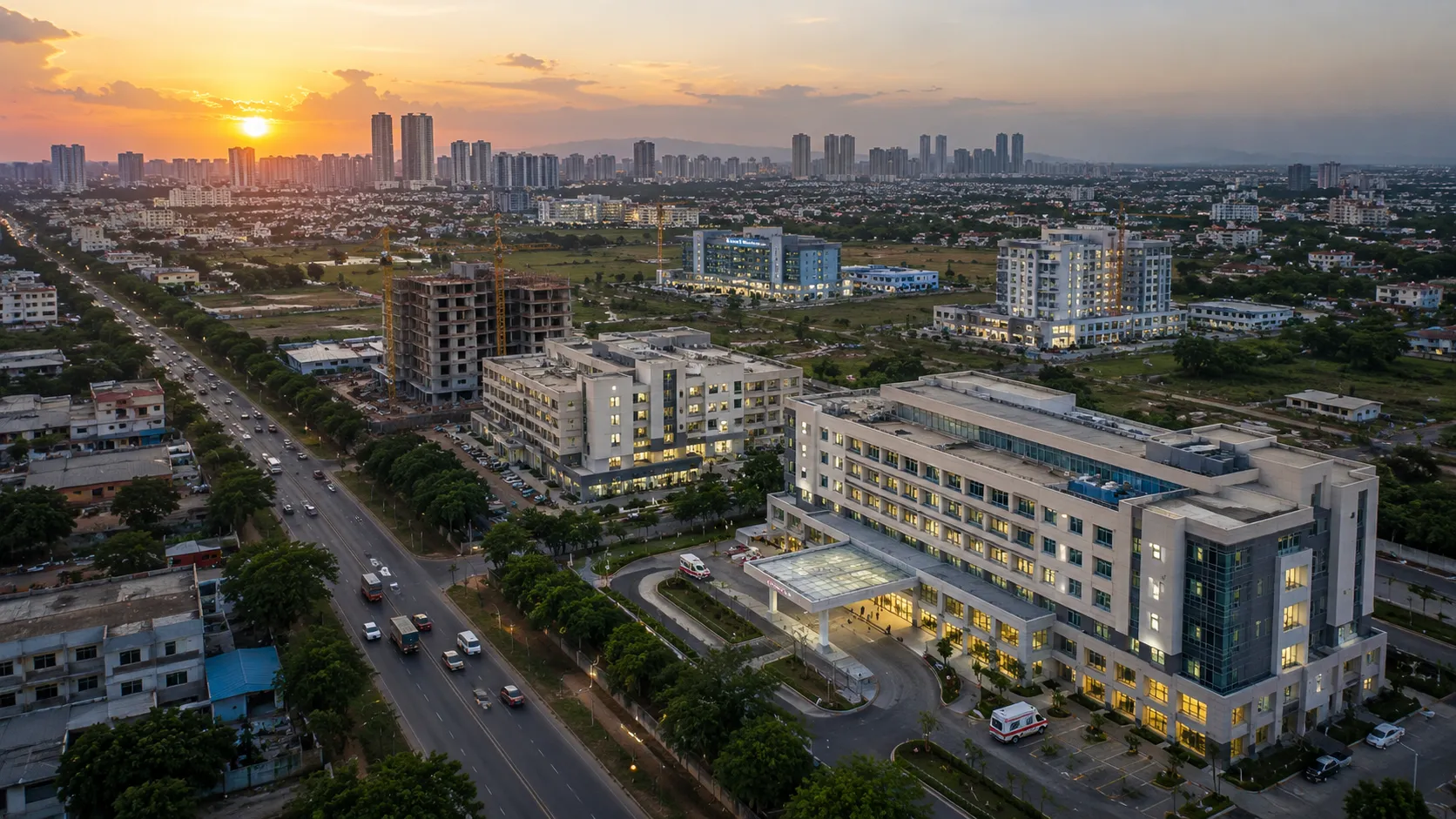
India’s Healthcare Investment Story Is Beginning To Shift Beyond Familiar Urban Centers
For years, large healthcare investment stories in India frequently followed a recognizable geographic pattern. Major hospital expansion plans, institutional healthcare funding and infrastructure investments often remained concentrated around metropolitan centers such as Mumbai, Delhi, Bengaluru, Chennai and Hyderabad. These cities naturally emerged as healthcare anchors because they offered stronger specialist ecosystems, larger patient volumes and infrastructure environments capable of supporting advanced medical services. Private healthcare providers frequently prioritized expansion within these markets because demand visibility and commercial viability often appeared stronger and more predictable.
Over time, however, broader changes gradually began reshaping the healthcare landscape itself. Population growth outside traditional metropolitan regions, increasing insurance penetration, rising disposable incomes and stronger healthcare awareness increasingly started influencing where future demand appeared likely to emerge. Simultaneously, healthcare access gaps remained visible across many Tier-2 and Tier-3 cities where advanced treatment infrastructure often continued lagging behind patient demand. As economic activity expanded beyond large urban centers, healthcare expectations increasingly expanded alongside it.
Recent developments increasingly suggest healthcare providers and investors are beginning to respond differently. Several major healthcare groups including Apollo Hospitals, Narayana Health, Max Healthcare and other private hospital operators have continued announcing capacity additions, expansion plans and investment strategies extending beyond conventional metro markets. Recent healthcare reports and corporate announcements increasingly indicate growing interest around cities previously considered secondary healthcare destinations. What initially appears like ordinary hospital growth increasingly seems connected to a larger shift involving where healthcare investment itself is beginning to flow.
Viewed independently, these announcements may initially resemble routine infrastructure expansion stories. Viewed through a broader funding and market lens, however, they increasingly suggest that India’s healthcare investment map itself may be entering a different phase.
Healthcare Investors Increasingly Appear To Be Looking At Demand Through A Wider Lens
Part of the significance surrounding this shift involves changing assumptions regarding where future healthcare demand may originate. Historically, healthcare investment models frequently concentrated around major cities because urban environments often offered stronger specialist ecosystems and more established patient demand patterns. Yet over recent years, demographic and economic realities increasingly appear to be reshaping those assumptions.
Tier-2 and Tier-3 cities today increasingly represent environments experiencing expanding middle-class populations, rising healthcare spending and improving infrastructure ecosystems. Patients increasingly seek access to specialized surgeries, advanced diagnostics and tertiary care facilities closer to where they live. Historically, many families frequently traveled toward larger metropolitan regions for treatment because advanced care infrastructure often remained concentrated in major cities. Increasingly, however, healthcare providers appear recognizing that demand itself may no longer remain confined within those traditional geographic patterns.
This shift increasingly matters because healthcare demand frequently emerges before infrastructure catches up. Population changes often create pressure gradually until systems begin adapting around them. Investors and healthcare operators increasingly seem to recognize that emerging urban centers may represent environments where unmet healthcare demand already exists at meaningful scale.
The broader transition increasingly suggests that healthcare capital itself may be following population realities rather than historical assumptions surrounding where growth opportunities traditionally existed.
Funding Activity Increasingly Reflects Confidence Around Healthcare Infrastructure Growth
Another important dimension surrounding this transition increasingly involves capital flows themselves. Healthcare infrastructure frequently attracts investment because many underlying demand drivers operate through long-term structural trends rather than shorter economic cycles. Population growth, chronic disease burdens, insurance penetration and rising healthcare expectations often create persistent demand environments capable of supporting long-term expansion strategies.
Recent years increasingly witnessed stronger investor interest across hospital networks, diagnostics businesses and broader healthcare infrastructure platforms. Institutional investors, private equity firms and strategic healthcare participants increasingly continued deploying capital toward healthcare environments viewed as capable of supporting sustained growth. Several healthcare businesses simultaneously pursued expansion strategies involving capacity additions and regional infrastructure development, reflecting broader confidence surrounding future demand patterns.
Importantly, investors increasingly appear interested not only in hospitals themselves but also in broader healthcare ecosystems surrounding them. Diagnostics infrastructure, outpatient environments, specialty-care facilities and digital health systems increasingly operate as interconnected components within larger healthcare growth strategies.
As a result, current healthcare activity increasingly resembles more than isolated hospital expansion.
Increasingly, it appears connected to broader infrastructure development surrounding how healthcare ecosystems themselves evolve.
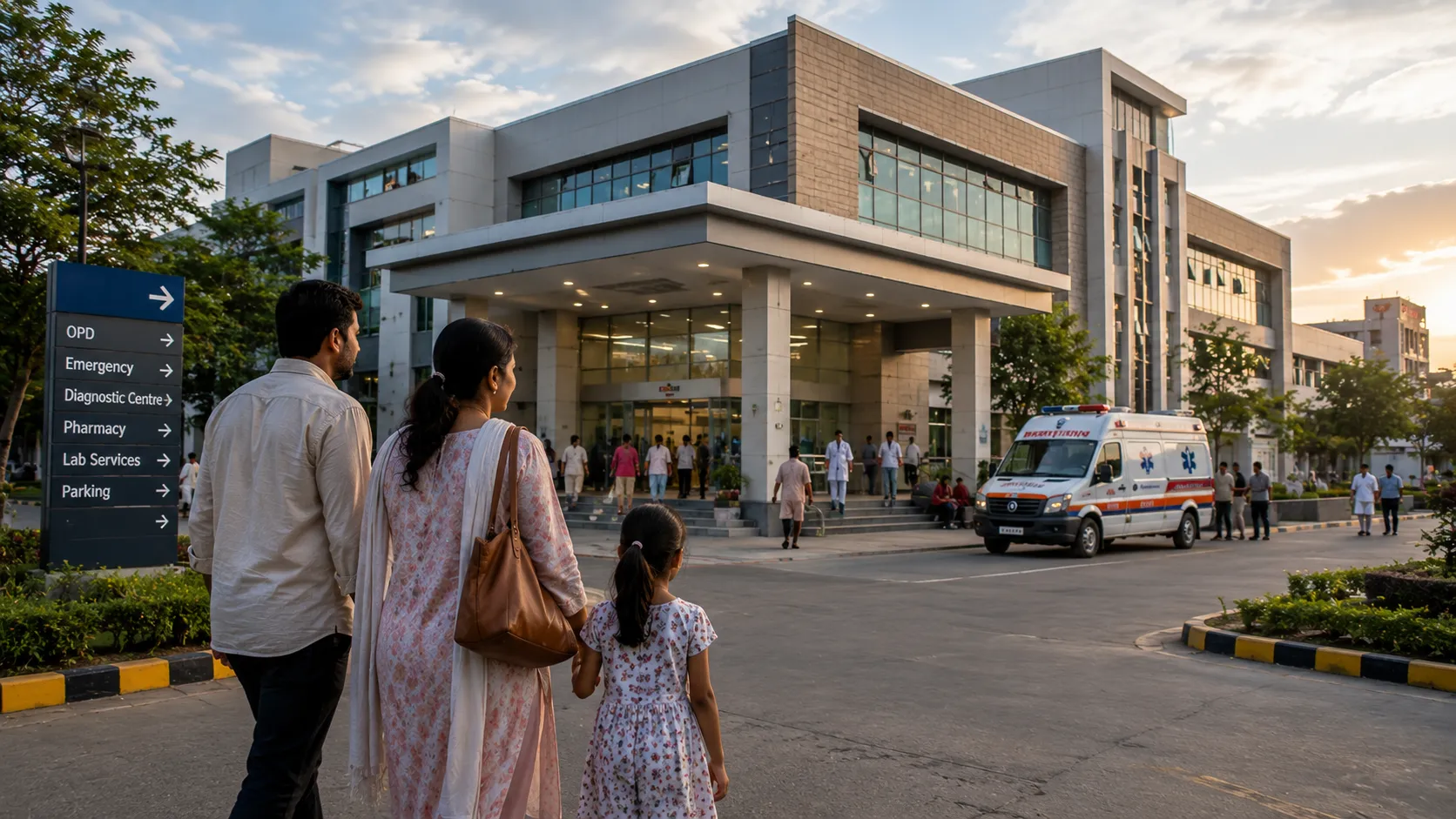
Healthcare Expansion Increasingly Appears Connected To Accessibility As Much As Scale
Historically, healthcare conversations frequently emphasized scale through metrics involving bed counts, hospital capacity and infrastructure additions. While these measures remain important, another dimension increasingly appears entering investment discussions: accessibility.
For patients living outside major urban centers, specialized treatment historically often required substantial travel involving additional financial and social costs. Medical treatment frequently extended beyond healthcare expenses themselves and often included accommodation, transportation and broader logistical burdens affecting entire families. Healthcare access therefore frequently involved more than medical infrastructure alone.
As a result, expansion into emerging cities increasingly appears connected not simply to business opportunity but also to reducing friction surrounding care access itself.
Healthcare systems frequently become stronger when infrastructure moves closer to communities requiring it. Hospital expansion therefore increasingly appears tied not only to scale but also to distribution. Healthcare accessibility frequently shapes outcomes because proximity itself often influences how and when people seek care.
The significance increasingly extends beyond construction activity because infrastructure location frequently determines who ultimately benefits from healthcare growth.
The Larger Story Increasingly Extends Beyond Hospital Expansion Alone
The broader significance surrounding India’s evolving healthcare investment landscape may ultimately involve what it reveals regarding the next phase of infrastructure growth itself. Historically, industries frequently expanded through concentrated urban ecosystems before gradually broadening toward wider regional networks. Healthcare increasingly appears to be entering a similar transition where future opportunities may depend not simply on strengthening established hubs but also on building ecosystems where demand continues existing without equivalent infrastructure support.
Viewed through that broader lens, hospital expansion increasingly resembles more than a healthcare business story. It increasingly appears connected to changing assumptions involving how healthcare systems evolve alongside population growth, economic development and changing expectations surrounding access itself.
The larger funding story therefore may not simply involve additional hospitals entering new cities. Increasingly, it may involve healthcare capital becoming more geographically distributed as providers and investors identify opportunities extending beyond traditional metropolitan boundaries and begin participating in a broader transformation involving where India’s future healthcare infrastructure may ultimately take shape.