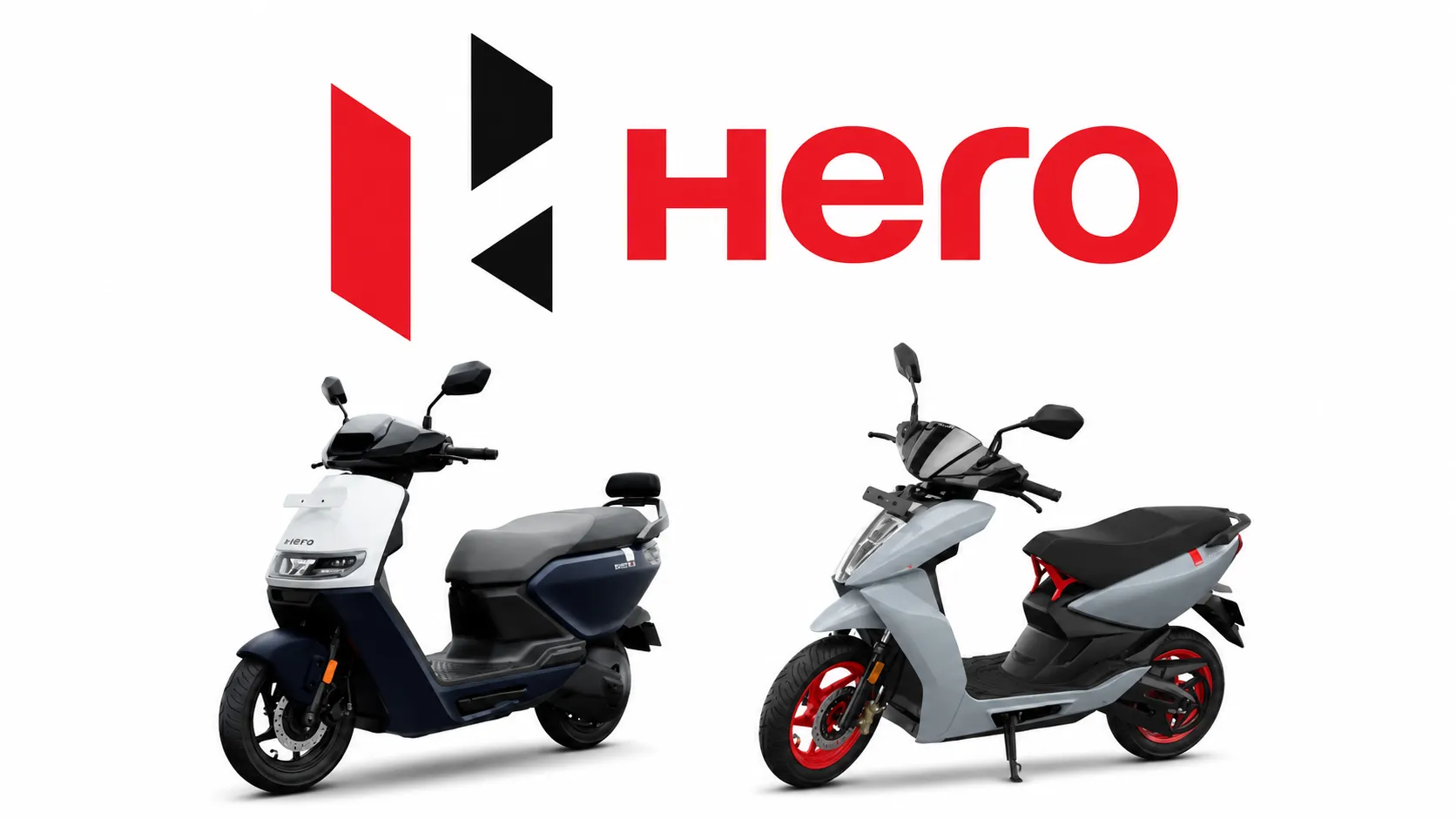
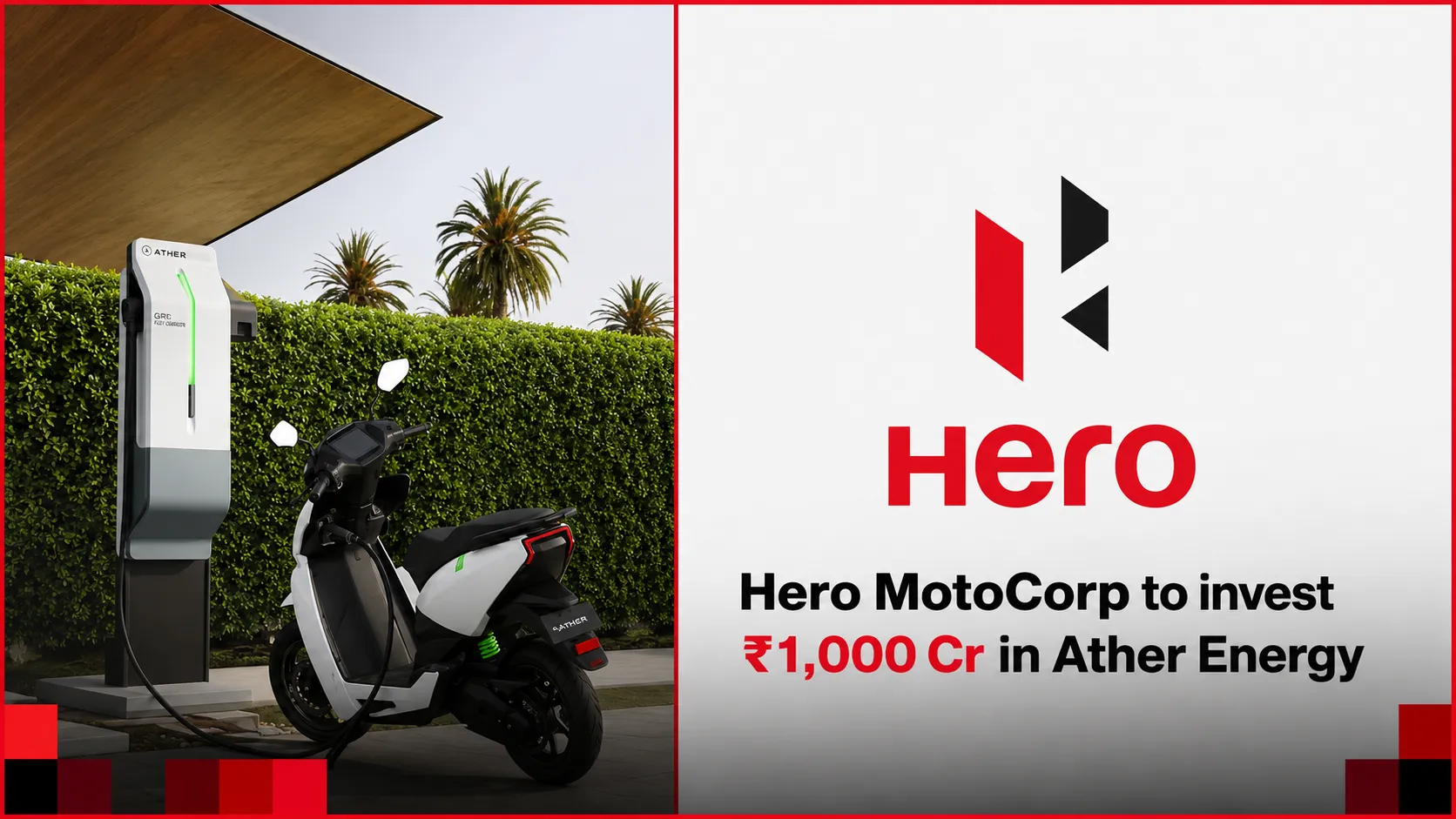
Hero MotoCorp, India's largest two-wheeler manufacturer by volume, has approved an additional investment of up to ₹1,000 crore in Ather Energy, the electric scooter maker in which Hero already holds a significant stake, according to a decision made at the company's board meeting held on July 14, 2026. The move deepens what has already been one of the more consequential strategic partnerships in India's rapidly evolving electric two-wheeler market, and signals Hero's continued commitment to securing a meaningful position in the EV transition even as the broader Indian two-wheeler market continues to be dominated, in absolute volume terms, by traditional internal combustion engine vehicles.
The History Behind the Partnership
Hero MotoCorp's relationship with Ather Energy dates back several years, with Hero having been an early strategic investor in the electric scooter startup well before Ather's eventual public market listing. This history is notable because it reflects a somewhat unusual dynamic in India's EV startup ecosystem: rather than treating electric vehicle startups purely as competitive disruptors to be watched warily from a distance, Hero — as an incumbent internal combustion engine market leader with decades of manufacturing scale, dealer network depth, and brand recognition — chose instead to build a direct strategic and financial relationship with one of the more credible EV-native challengers in the two-wheeler space, effectively hedging its own transition risk by having meaningful skin in the game of a company built EV-first from inception.
This latest additional investment, approved at Hero's July 14 board meeting, represents a continuation and deepening of that strategic bet rather than an entirely new relationship. The scale of the commitment — up to ₹1,000 crore — signals that Hero's board views continued capital support for Ather as a meaningful priority within its broader capital allocation strategy, even as Hero simultaneously continues developing and scaling its own in-house electric vehicle offerings under its own brand, creating a somewhat unusual dual-track EV strategy that combines organic product development with continued strategic investment in an operationally independent but financially intertwined EV specialist.
Why India's Two-Wheeler EV Race Matters So Much
India's two-wheeler market is, in global terms, enormous — the country represents one of the largest two-wheeler markets in the world by volume, reflecting the vehicle category's central role in Indian personal transportation across both urban and rural geographies, where two-wheelers often serve as the primary or sole household vehicle for tens of millions of families. This scale makes the two-wheeler segment a particularly consequential battleground for India's broader electric vehicle transition: unlike passenger cars, where EV adoption in India has been comparatively slower and more concentrated among urban, higher-income buyers, electric two-wheelers have seen meaningfully faster adoption curves, driven by a combination of lower upfront price points relative to electric cars, genuine total-cost-of-ownership advantages given India's relatively high petrol prices, and increasingly capable products from both EV-native startups like Ather and Ola Electric, and established incumbents like Hero, Bajaj, and TVS that have been racing to launch competitive electric offerings.