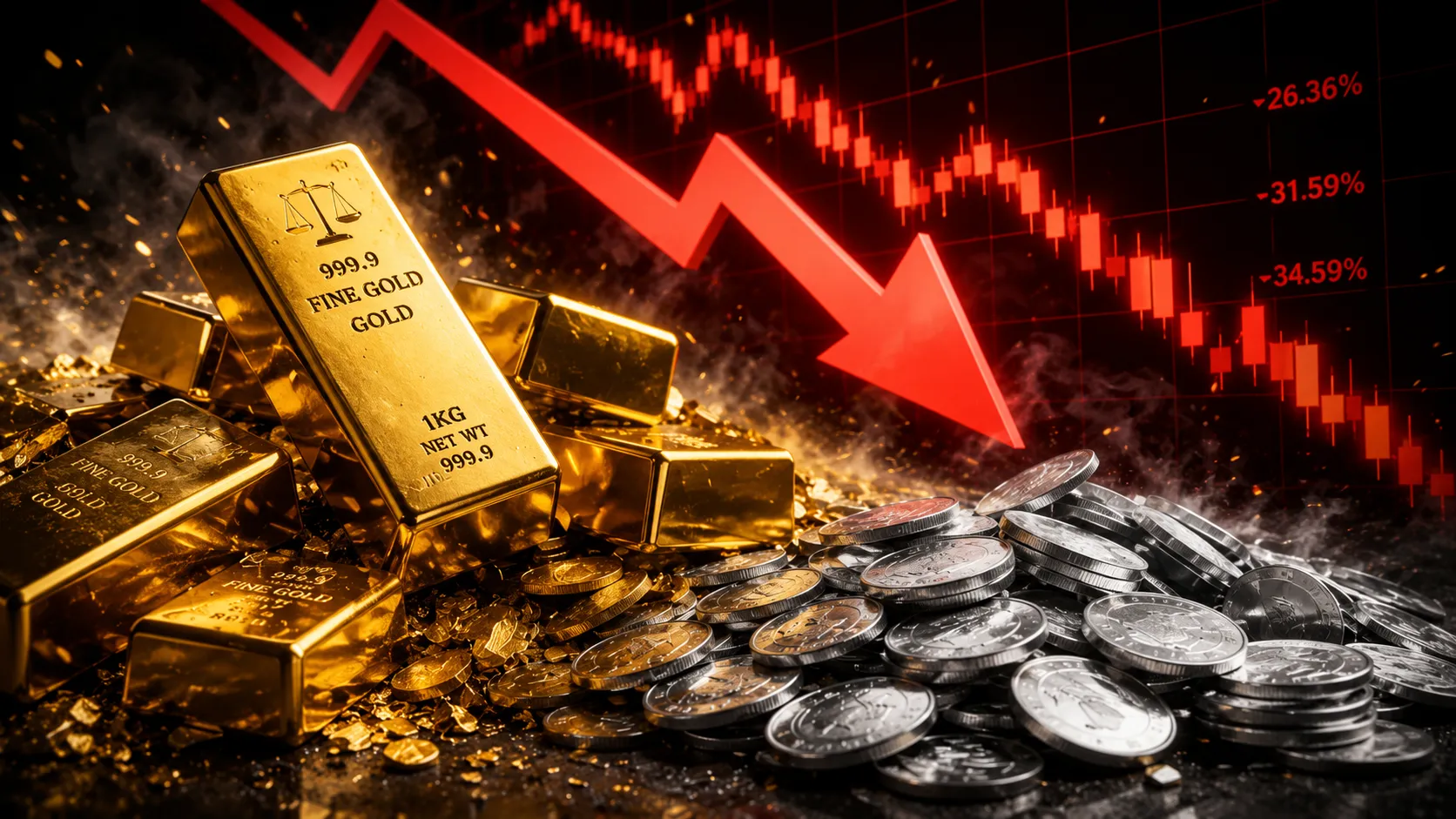
Precious metals markets settled into a distinctly cautious, directionless trading pattern on Wednesday, July 29, 2026, with both gold and silver futures moving in mixed fashion as investors collectively held their breath ahead of the US Federal Reserve's imminent policy decision — a wait-and-see posture that, while unremarkable on its surface, offers a useful window into how thoroughly precious metals markets remain hostage to the rhythms of global monetary policy, even amid a week when Indian equity markets themselves were staging one of their strongest rallies in weeks.
The specific dynamic driving Wednesday's mixed bullion trading centred on the genuine uncertainty surrounding the Federal Reserve's upcoming rate announcement. According to data from CME FedWatch, a widely tracked gauge of market expectations derived from federal funds futures pricing, roughly seven in ten traders were pricing in an outcome where the US central bank holds its benchmark interest rate steady within its current target range of 3.75 to 3.50 per cent. While a seven-in-ten probability represents a meaningful majority view, it nonetheless leaves a genuine, non-trivial minority of market participants positioned for either a rate cut or, less commonly anticipated, a rate hike — a split of expectations that tends to produce exactly the kind of range-bound, directionless trading that characterised Wednesday's gold and silver markets.
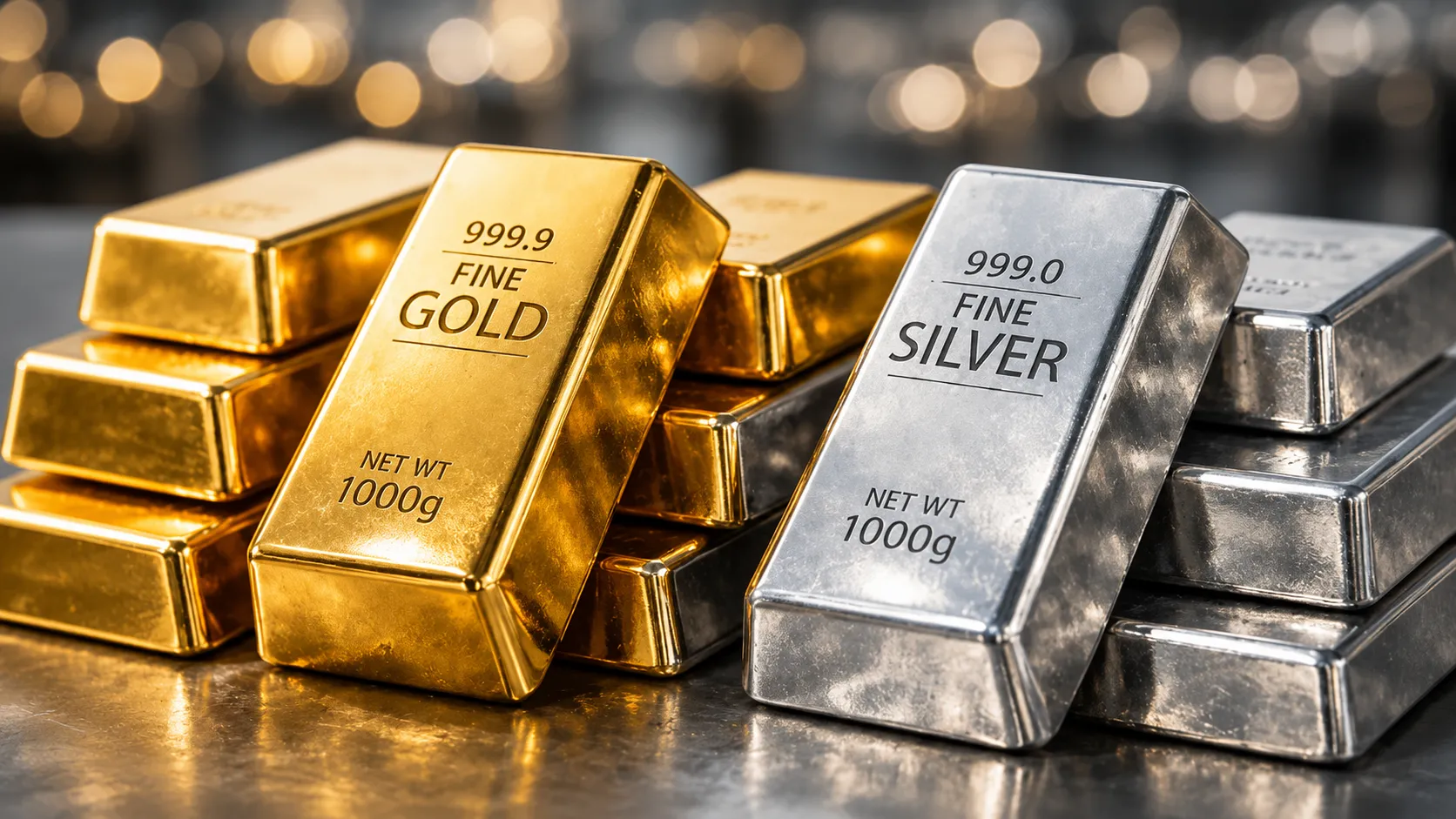
Understanding why Federal Reserve policy carries such outsized influence over gold and silver pricing requires appreciating the fundamental relationship between interest rates and precious metals as an asset class. Gold and silver, unlike interest-bearing assets such as government bonds or bank deposits, generate no yield or income simply from being held. This means that when interest rates rise, the opportunity cost of holding non-yielding precious metals increases correspondingly, since investors forgo the interest income they could otherwise earn by holding interest-bearing assets instead — a dynamic that typically makes higher interest rate environments less favourable for gold and silver prices, all else being equal. Conversely, when interest rates fall or are expected to fall, the relative attractiveness of precious metals as a store of value tends to improve, since the opportunity cost of holding non-yielding assets diminishes.
This inverse relationship between interest rate expectations and precious metals pricing explains why gold and silver traders pay such close attention to Federal Reserve policy signals, often more closely than they track many of the other macroeconomic variables that might seem, on the surface, more directly relevant to physical gold and silver supply and demand fundamentals. A Fed decision to hold rates steady, as the market majority currently anticipates, would generally be read as a moderately supportive, if not dramatically bullish, signal for precious metals, since it would remove the downside risk associated with a potential rate hike while not delivering the more emphatically positive catalyst that an actual rate cut would represent.
The broader macro backdrop against which this Fed decision is being awaited adds further layers of complexity to how precious metals traders are positioning ahead of the announcement. Crude oil prices have recently experienced significant volatility, having fallen roughly 14 per cent over three sessions amid the escalation and partial de-escalation of tensions between the United States and Iran, before staging a partial rebound. This kind of geopolitical volatility typically has its own, somewhat independent influence on gold prices specifically, given gold's long-established role as a traditional safe-haven asset that investors often turn to during periods of heightened geopolitical uncertainty, a dynamic that can, at times, work in tension with or reinforce the interest-rate-driven trading patterns discussed above, depending on the specific sequencing and magnitude of geopolitical versus monetary policy news flow.
For Indian precious metals markets specifically, domestic price levels reflect not just global gold and silver pricing trends but also the rupee-dollar exchange rate, since India imports the overwhelming majority of its gold and silver requirements, and import duty and taxation policy, which the government periodically adjusts as part of its broader trade and fiscal policy toolkit. With 22-karat gold trading around ₹13,370 per gram and silver around ₹2,40,000 per kilogram in recent market data, Indian bullion prices continue to reflect a combination of these global and domestic factors, meaning Indian gold and silver investors need to track not just Federal Reserve policy but also rupee movements and any potential shifts in India's own gold import and taxation framework to fully understand near-term price dynamics.
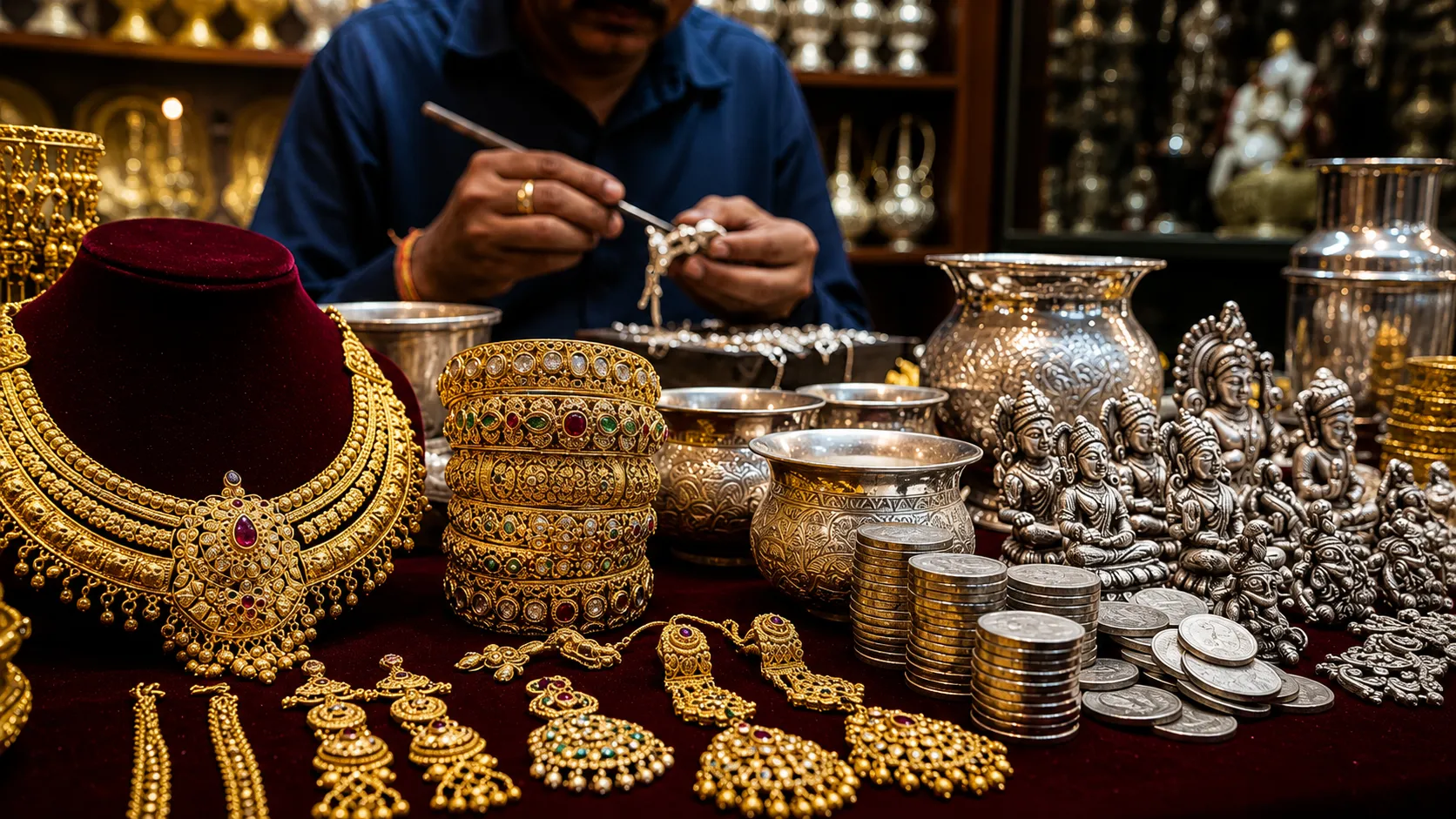
India's cultural and economic relationship with gold specifically adds a further dimension worth considering when assessing precious metals market dynamics within the Indian context. Gold holds deep cultural significance in India, tied closely to wedding purchases, festival gifting traditions, and a long-standing role as a preferred store of household savings and wealth, particularly in rural and semi-urban India where formal financial market participation has historically been lower than in urban centres. This cultural demand component means Indian gold demand patterns can, at times, diverge somewhat from the purely investment-driven trading dynamics that dominate gold price discovery in global futures markets, particularly around specific seasonal periods including the wedding season and major festivals like Diwali and Akshaya Tritiya, when physical gold buying demand in India typically surges independent of the prevailing global price trend or interest rate environment.
Silver's price dynamics, while broadly correlated with gold given their shared status as precious metals, carry their own distinct set of demand drivers that differentiate silver from gold in ways relevant to understanding Wednesday's mixed trading pattern. Unlike gold, which is overwhelmingly held for investment, jewellery, and central bank reserve purposes, silver carries substantial industrial demand components, particularly given its use in electronics manufacturing, solar panel production, and various other industrial applications. This means silver prices can, at times, be influenced by industrial demand trends and global manufacturing activity indicators in ways that don't equally apply to gold, adding a further layer of complexity to interpreting any given session's silver price movements relative to gold.
The solar panel manufacturing connection specifically deserves mention given India's own rapidly expanding domestic solar manufacturing sector, discussed extensively in coverage of companies like Waaree Energies that have benefited from India's renewable energy policy push. As global and Indian solar panel manufacturing capacity continues to expand, the associated industrial demand for silver, a key input material in solar cell manufacturing, has grown correspondingly, adding a structural, long-term demand tailwind for silver that exists somewhat independently of the more cyclical, interest-rate-driven investment demand dynamics that dominate near-term gold and silver price discussion of the kind driving Wednesday's mixed trading pattern.