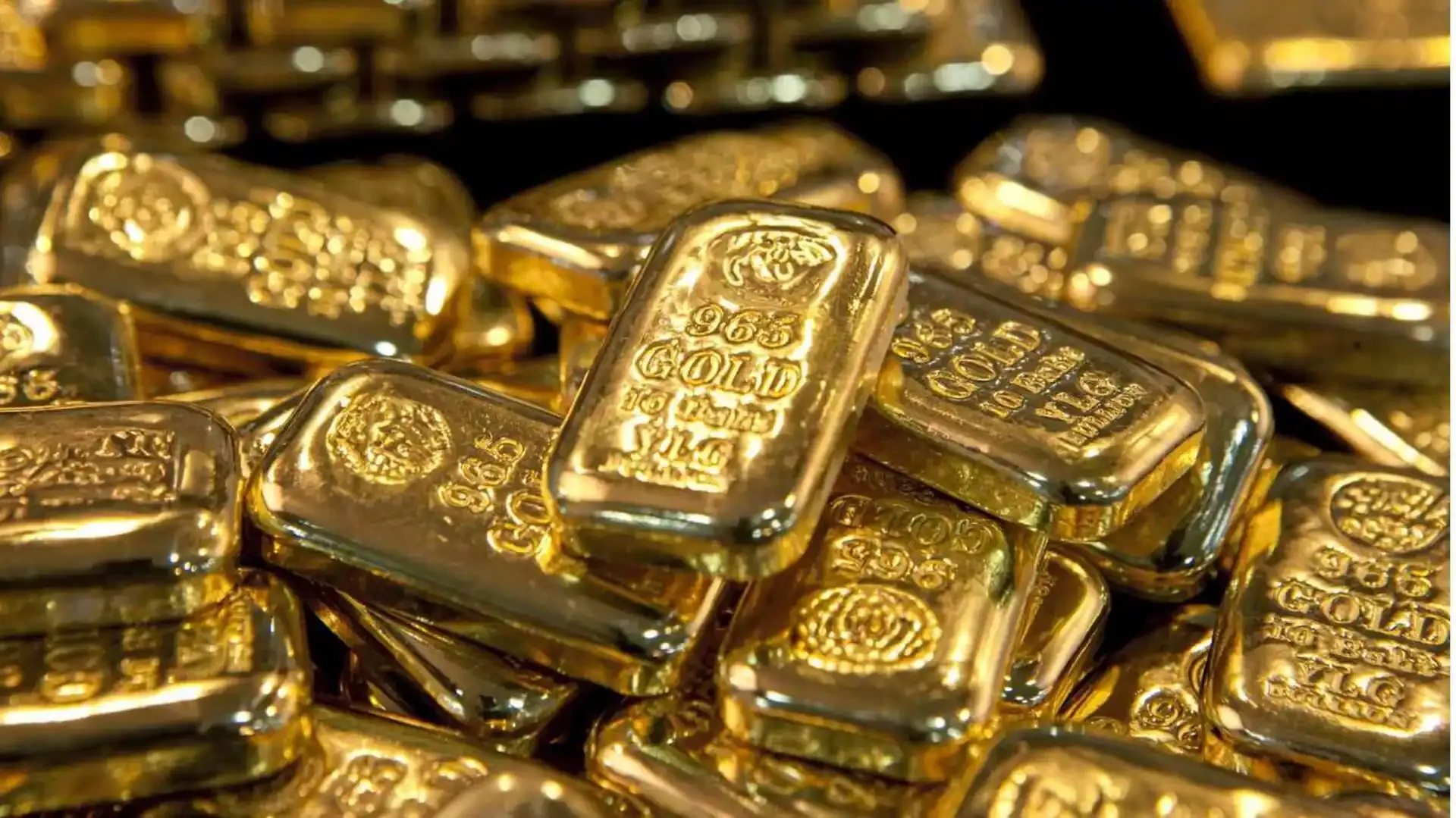
For a metal often described in textbooks as a boring, low-volatility store of value, gold has spent the better part of July 2026 behaving like anything but. On Friday, July 24, gold prices across India pulled back for the second consecutive session, with national rates for 24-karat gold slipping to ₹1,46,170 per 10 grams — a fall of ₹350 from Thursday's level of ₹1,46,520. Twenty-two karat gold, the purity most commonly used in Indian jewellery, eased to ₹1,33,990 per 10 grams, down ₹320, while 18-karat gold dropped ₹260 to settle at ₹1,09,630 per 10 grams. On the surface, a two-day pullback of this magnitude might look like the start of a cooling trend. Bullion dealers and market analysts tracking the metal closely, however, have been quick to caution against reading too much into a couple of down sessions, framing Friday's dip instead as a routine pause for breath after an extraordinary run just days earlier.
That run is worth revisiting in detail, because it is the real story behind this week's gold price action. Earlier in the week, on Wednesday, gold prices in India skyrocketed to record highs, surging by nearly ₹968 in a single session — a genuinely extraordinary one-day move for a metal that, historically, tends to move in far smaller daily increments outside of periods of acute financial or geopolitical stress. Thursday's session, by contrast, was comparatively muted, with prices rising just ₹10 across all three purity levels as the market consolidated near its newly established peak, before Friday's modest pullback set in. Taken together, the week's price action traces a now-familiar pattern in gold markets during periods of geopolitical stress: a sharp, panic-driven spike, followed by a period of consolidation and partial profit-booking, even as the underlying structural drivers of the rally remain firmly intact.
Those structural drivers are not difficult to identify, and they are, almost without exception, the same forces that have been roiling Indian equity and currency markets through the same period. Escalating tensions in West Asia — specifically the intensifying Iran-US crisis that has also been driving crude oil prices sharply higher this month — have pushed global investors toward gold in its time-honoured role as the ultimate safe-haven asset, the store of value investors reach for precisely when confidence in currencies, equities, and geopolitical stability all wobble simultaneously. Globally, gold prices have hovered near $4,050 per ounce in recent sessions, up more than 21 per cent compared to the same period a year earlier — a remarkable annual gain for an asset class that, in calmer years, might move in the high single digits.
The domestic Indian gold price story, however, layers an additional, distinctly local variable on top of the global safe-haven dynamic: the rupee. India imports the overwhelming majority of its gold, and domestic gold prices are therefore a direct function of two variables multiplied together — the international dollar price of gold, and the rupee-dollar exchange rate at which that dollar-denominated price gets converted into rupee terms for the domestic market. With the rupee sliding through July toward its record low near 97 to the dollar, driven by the very same crude-oil-and-geopolitics cocktail that has been pressuring equities, Indian gold prices have effectively been getting a double tailwind this month: rising global dollar prices for gold, compounded by a weakening rupee that makes each of those dollars worth more in domestic currency terms. This is precisely the dynamic that has, in past cycles of rupee weakness — including the rupee's earlier slide past the 69-to-the-dollar mark several years ago — reliably pushed Indian gold prices to fresh nominal records even when global dollar-denominated gold prices were rising by a comparatively smaller margin.
Looking ahead, bullion market participants have flagged two specific catalysts that are likely to determine gold's near-term trajectory from here, and both happen to be converging within the same short window. The first is the ongoing Iran-US crisis itself: any further escalation over the coming days — reports of expanded military action, threats to shipping through the Strait of Hormuz, or disruption to regional energy infrastructure — would likely reignite the kind of sharp safe-haven buying that drove Wednesday's near-₹1,000 single-session surge, potentially pushing prices to fresh record highs beyond what was seen earlier this week. Conversely, any sustained cooling in tensions, whether through diplomatic de-escalation or a ceasefire of some kind, could see today's modest pullback extend into a more meaningful correction, as some of the acute safe-haven premium currently embedded in gold prices unwinds.
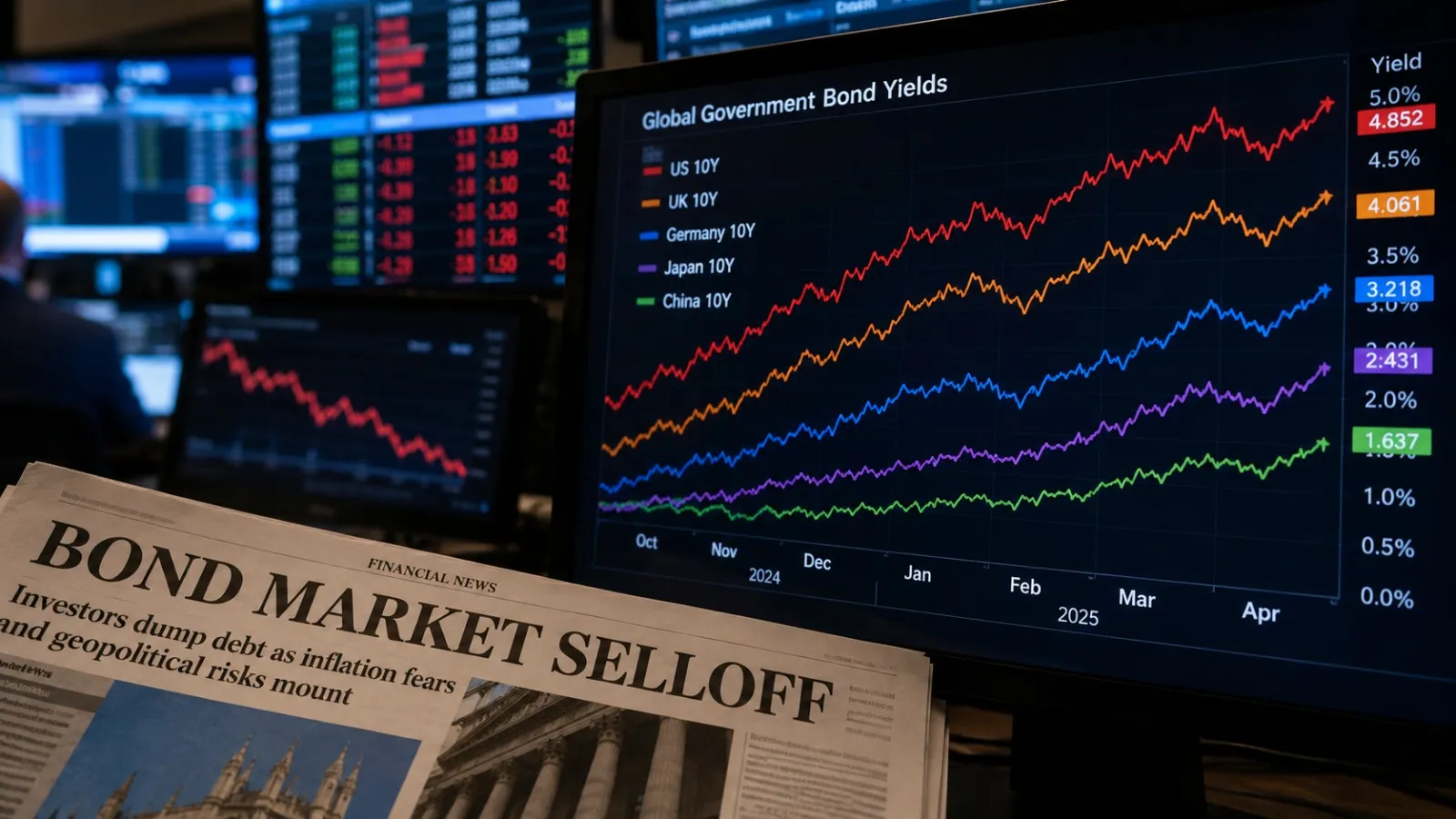
The second catalyst dealers are watching closely is monetary policy out of the United States. Markets are awaiting commentary from the US Federal Reserve on interest rates at its upcoming meeting, with investors currently pricing in a meaningful probability — reportedly around 80 per cent by some market estimates — of a rate move later in the year, even as the Fed is widely expected to hold rates steady at its immediate upcoming meeting. Higher US interest rates typically weigh on gold prices, because gold, unlike bonds or bank deposits, pays no yield, making it relatively less attractive to hold when interest-bearing alternatives offer higher returns; conversely, expectations of rate cuts tend to support gold prices by reducing that opportunity cost. The interplay between rate expectations and the acute, oil-and-geopolitics-driven safe-haven bid currently in play means gold traders are, in effect, having to weigh two very different sets of signals simultaneously — one macro-monetary, one geopolitical-emotional — in trying to call the metal's next move.
For Indian consumers and investors, this week's gold price volatility carries several distinct, practical implications depending on which side of the transaction one sits on. For households planning wedding-season jewellery purchases — a category of demand that remains deeply embedded in Indian cultural and financial life regardless of short-term price swings — the elevated price environment has been a persistent source of sticker shock through much of 2026, with several industry surveys noting a shift in consumer preference toward lighter-weight jewellery designs, lower-karat purity options, and increased interest in gold exchange schemes that allow older jewellery to be traded in against new purchases, all as coping mechanisms for record-high prices. For investors, on the other hand, the same price environment has reinforced gold's credentials as a portfolio diversifier and inflation hedge, with financial advisors increasingly steering clients toward Gold Exchange Traded Funds and Sovereign Gold Bonds as more liquid, storage-free alternatives to physical gold for those looking to gain exposure to the ongoing rally without the making charges, storage concerns, and purity verification hassles associated with physical bullion or jewellery.