Europe’s Security Conversation Is Beginning To Shift In Unexpected Ways
Only a few years ago, few people would have predicted that defense technology would become one of Europe’s fastest-growing investment categories. For much of the past decade, European startup conversations largely revolved around software platforms, fintech, climate technology and digital consumer businesses. Venture capital ecosystems often treated defense differently. Historical sensitivities, regulatory concerns and long-standing investment hesitations frequently kept military-related technologies outside mainstream startup enthusiasm, particularly in countries such as Germany where historical context often shaped public and investor attitudes around defense spending.
Today, however, the conversation increasingly looks very different. Across Europe, defense technology is moving from the margins into the center of strategic investment discussions. Startups building autonomous systems, artificial intelligence tools, cybersecurity platforms and next-generation defense infrastructure are attracting unprecedented investor attention. Germany in particular increasingly appears to be emerging as an important center within this transformation. The larger shift is not simply about military spending. It reflects changing assumptions around security itself and a growing realization that technological capability may increasingly influence geopolitical resilience.
Recent reports suggest that dual-use and defense-related technologies accounted for roughly 17% of Germany’s venture investment ecosystem in 2025, a substantial increase compared with previous years. That shift highlights more than startup momentum. Increasingly, it reflects changing investor beliefs around which sectors may shape Europe’s future priorities.
The War In Ukraine Quietly Changed Europe’s Technology Priorities
Major geopolitical events often reshape investment trends in ways that become visible only gradually. Russia’s invasion of Ukraine appears to have become one of those moments for Europe. Beyond military consequences, the conflict fundamentally altered conversations surrounding preparedness, technological capability and strategic independence.
For decades, many European countries operated within environments where defense planning frequently focused on traditional procurement systems and long-term military structures. The conflict increasingly revealed the importance of technologies operating very differently. Autonomous drones, battlefield intelligence systems, AI-supported analytics and rapidly deployable digital platforms demonstrated how modern security environments increasingly depend on technology ecosystems capable of evolving quickly.This realization influenced investors as much as policymakers.
The conflict exposed a broader reality: future security environments may not rely exclusively on traditional hardware systems involving tanks and aircraft. Increasingly, software, artificial intelligence and autonomous technologies appear central to modern defense capability. As a result, startup ecosystems suddenly became relevant in ways many had not anticipated.
Investor attention gradually followed this shift because defense technology increasingly appeared less like a specialized military category and more like an infrastructure ecosystem capable of influencing broader resilience strategies.
Germany Is Beginning To Produce A Different Generation Of Technology Companies
Perhaps no company illustrates this transformation more clearly than Helsing, one of Germany’s most closely watched defense technology startups. Founded only a few years ago, the company initially focused on artificial intelligence systems designed to support battlefield intelligence and military decision-making processes. Since then, Helsing expanded significantly into AI-enabled defense platforms, autonomous systems and broader technology environments supporting military operations.The company increasingly became symbolic of a larger transition taking place across Europe’s technology landscape.
Recent reports indicated Helsing secured approximately €600 million in funding, among the largest defense-related startup investments in Europe. The funding reportedly valued the company near €12 billion, positioning it among Europe’s most valuable startups.The significance surrounding funding rounds at this scale extends far beyond one company. Historically, Europe rarely produced defense startups operating with such visibility or investor enthusiasm. Companies like Helsing increasingly suggest that entirely new categories of European technology businesses may now emerge around security infrastructure itself.
Investors Increasingly See Defense Technology As Long-Term Infrastructure
One of the most important developments surrounding Europe’s defense technology growth involves changing investor behavior.
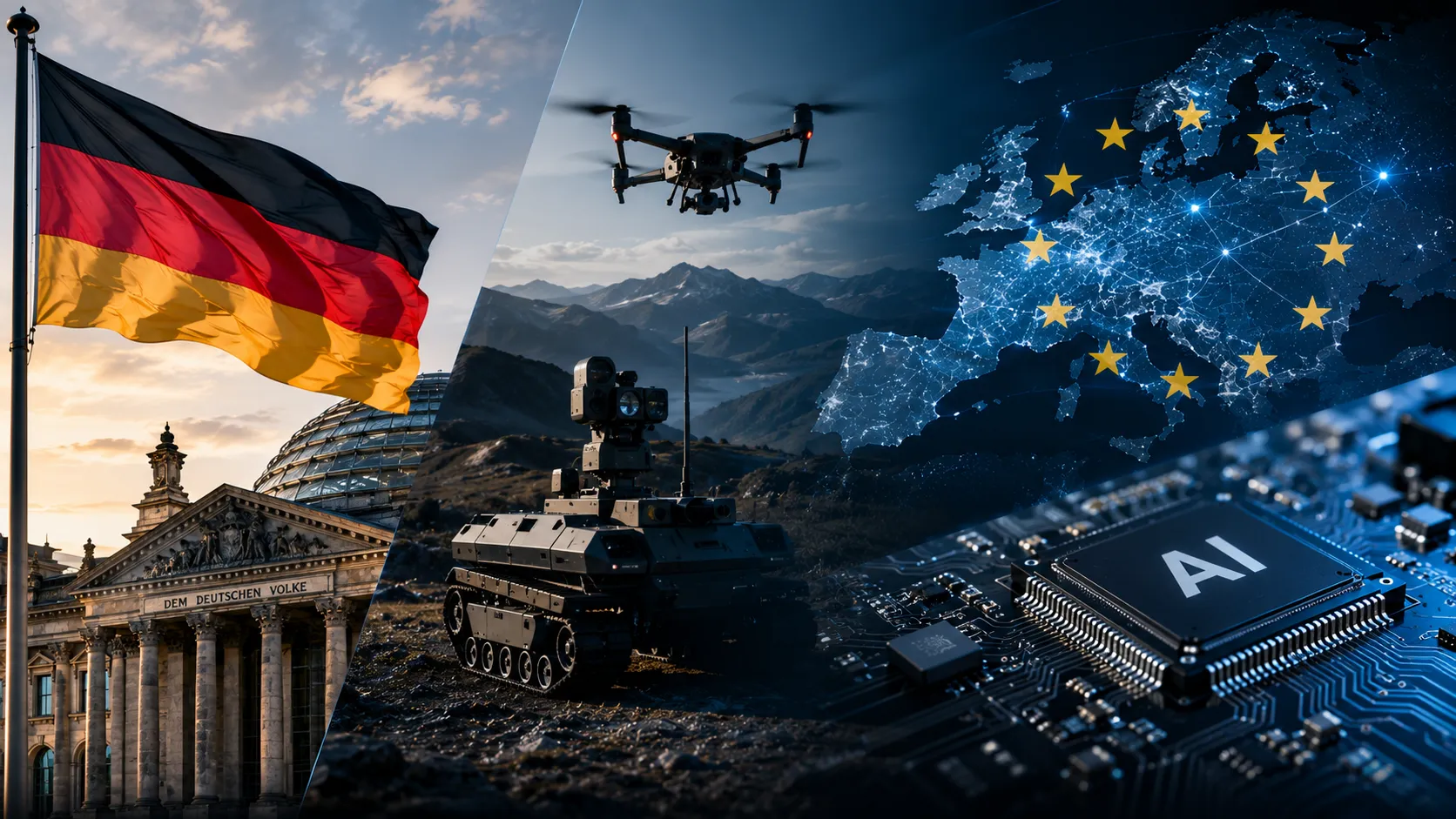
Historically, many venture capital firms approached defense cautiously because military-related technologies frequently carried reputational, ethical and institutional complexities. Certain ESG frameworks often created additional barriers, making participation difficult for investors uncertain about how defense aligned with broader investment philosophies.Increasingly, however, those assumptions appear to be changing.Rather than viewing defense startups exclusively through military frameworks, investors increasingly seem to approach them through broader infrastructure perspectives. Technologies involving artificial intelligence, cybersecurity systems, autonomous platforms and satellite environments frequently possess applications extending well beyond defense alone.
Many systems developed initially for security environments eventually influence broader industries involving logistics, communications and infrastructure resilience. This creates investment opportunities that increasingly appear more commercially viable and strategically relevant than earlier assumptions suggested.
Recent data indicates Europe’s defense and resilience startup ecosystem collectively raised record levels of funding over the last year, while specialized venture firms increasingly created dedicated investment vehicles focused specifically on defense innovation. These trends suggest investors increasingly believe security technology represents a long-term category rather than a temporary reaction to geopolitical uncertainty.
Europe’s Larger Goal Increasingly Appears Connected To Independence
Beyond startup funding and investor enthusiasm, a broader strategic theme increasingly appears to sit beneath Europe’s expanding defense technology ecosystem: sovereignty. Over the last several years, policymakers across Europe gradually began confronting a difficult reality involving technological dependence. Critical infrastructure systems, supply chains and advanced technologies increasingly relied on external networks and international partnerships that occasionally exposed strategic vulnerabilities during periods of geopolitical uncertainty. Conversations that once centered primarily around economic efficiency increasingly shifted toward resilience and self-sufficiency.
Recent global events accelerated these concerns significantly. Supply-chain disruptions during the pandemic, geopolitical tensions and broader security uncertainty highlighted how deeply interconnected technological systems had become. Governments increasingly recognized that future competitiveness may depend not only on access to technologies but also on the ability to develop and control them domestically. Artificial intelligence, satellite infrastructure, cybersecurity environments and autonomous technologies gradually moved beyond commercial categories and became issues connected to national strategy itself.
Germany’s emerging defense startup ecosystem increasingly appears connected to these broader ambitions. Companies such as Helsing and other next-generation security technology ventures increasingly represent more than startup success stories. They increasingly function as examples of Europe attempting to create stronger domestic capabilities around sectors considered strategically important. Governments across the region continue introducing investment programs, procurement reforms and funding initiatives designed to accelerate technology ecosystems viewed as essential for future resilience.
Reports suggest Germany and several European nations continue expanding investment commitments involving AI-enabled defense systems, digital infrastructure and next-generation technologies. Unlike previous periods where security investments often centered around traditional military equipment alone, emerging priorities increasingly involve software systems, intelligence platforms and autonomous environments capable of adapting rapidly. The broader message increasingly appears clear: Europe’s security strategy no longer seems focused solely on military strength. Increasingly, it also appears focused on technological capability.
Why This Story Extends Beyond Startup Funding
The larger significance surrounding Germany’s defense-tech funding wave may ultimately involve what it reveals about broader shifts taking place across Europe itself. Startup ecosystems frequently act as indicators of changing societal priorities. The industries attracting capital often reveal what governments, investors and institutions increasingly believe will shape future economies and public systems.
A decade ago, very few observers would have predicted that defense technology would become one of Europe’s fastest-growing investment categories. Conversations surrounding startup ecosystems at the time frequently revolved around ecommerce, mobility and digital consumer platforms. Defense remained relatively distant from mainstream venture discussions because many investors viewed the category as highly specialized and difficult to scale.
Today, however, those assumptions increasingly appear transformed. Security discussions increasingly involve artificial intelligence, autonomous systems and startup ecosystems capable of moving more quickly than traditional procurement structures historically allowed. Technology itself increasingly appears central to broader conversations surrounding resilience and geopolitical influence.
Importantly, this shift does not simply suggest that Europe is spending more on defense. The larger story may involve changing definitions surrounding what security itself means. Security increasingly appears connected not only to borders and conventional infrastructure but also to software systems, data environments and technological ecosystems capable of adapting to uncertainty.
Because the next chapter of Europe’s technology story may not simply be about building bigger companies.That broader transition may ultimately explain why defense technology is attracting attention far beyond military circles.Because what appears today as a funding wave may actually represent something larger.A redesign of how Europe increasingly thinks about resilience itself.