In a corner of the Indian IPO market that rarely draws the same attention as its mainboard counterparts, Sotefin Bharat — a Howrah, West Bengal-based provider of mechanised and automated parking solutions — delivered one of the more satisfying listing-day performances of the month when it made its debut on the BSE SME platform on July 23, 2026. The stock listed at ₹205, a 9.63 per cent premium over its issue price of ₹187, before climbing further during the session to hit its 5 per cent upper circuit, trading between ₹205 and ₹215.25, with roughly 19.69 lakh shares changing hands on the counter over the course of the day.
The IPO itself was a modest one by the standards of India's broader primary market, raising ₹89.76 crore — commonly rounded to ₹90 crore in market commentary — through the sale of 48,00,000 equity shares, each with a face value of ₹10. The issue comprised entirely a fresh issue of shares, meaning all proceeds flow directly to the company itself rather than to existing shareholders selling down their stakes, a structure that typically signals a company genuinely seeking to raise growth capital rather than providing an exit avenue for early investors or promoters. The offer was priced within a band of ₹178 to ₹187 per share, with the final issue price set at the top end of that range, reflecting healthy demand during the book-building process.
Investor appetite for the offering, while respectable, was measured rather than exuberant by SME IPO standards, with the issue receiving an overall subscription of 3.78 times during its bidding window, which ran from July 16 to July 20, 2026. The offer's allocation structure reserved 50 per cent of shares for qualified institutional buyers, 15 per cent for non-institutional or high-net-worth investors, and the remaining 35 per cent for retail investors — a fairly standard split for an SME-platform listing of this size. For retail participants, the minimum lot size was set at 600 shares, translating to a minimum investment requirement of approximately ₹2,24,400 at the upper end of the price band for a standard one-lot application, a threshold considerably higher than typical mainboard retail minimums, reflecting the generally larger lot sizes and correspondingly higher entry barriers characteristic of India's SME exchange platforms.
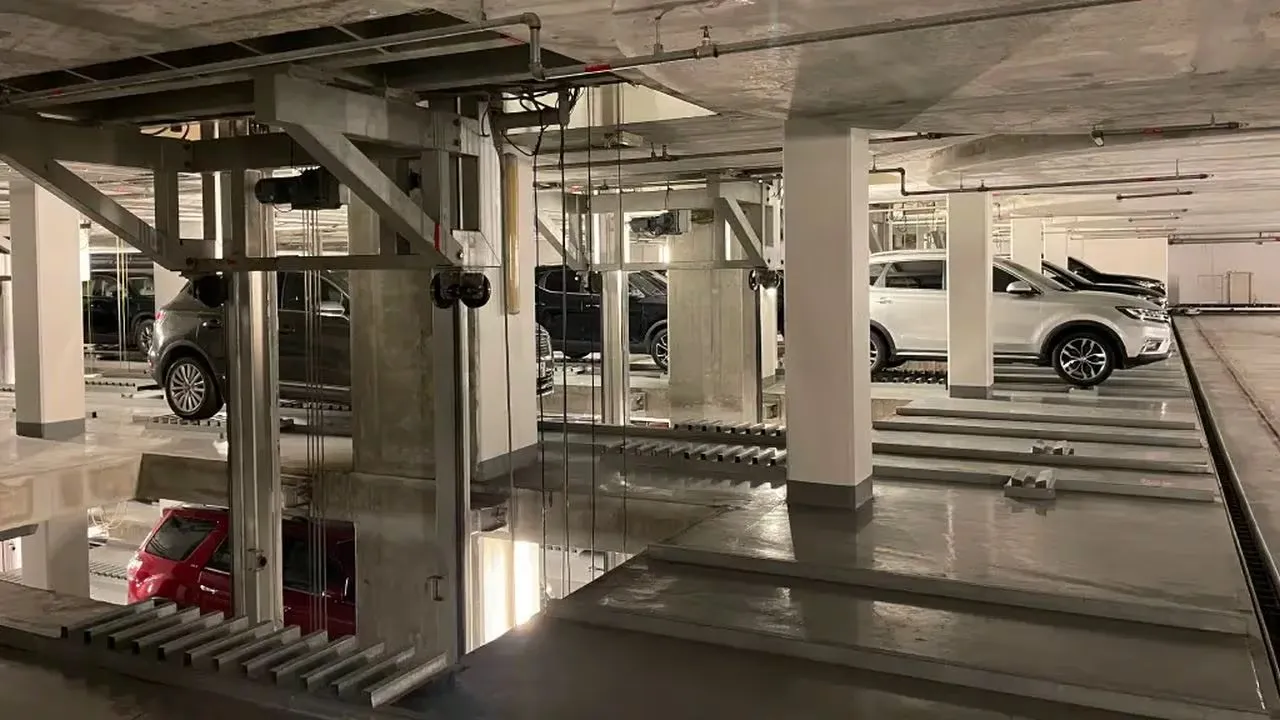
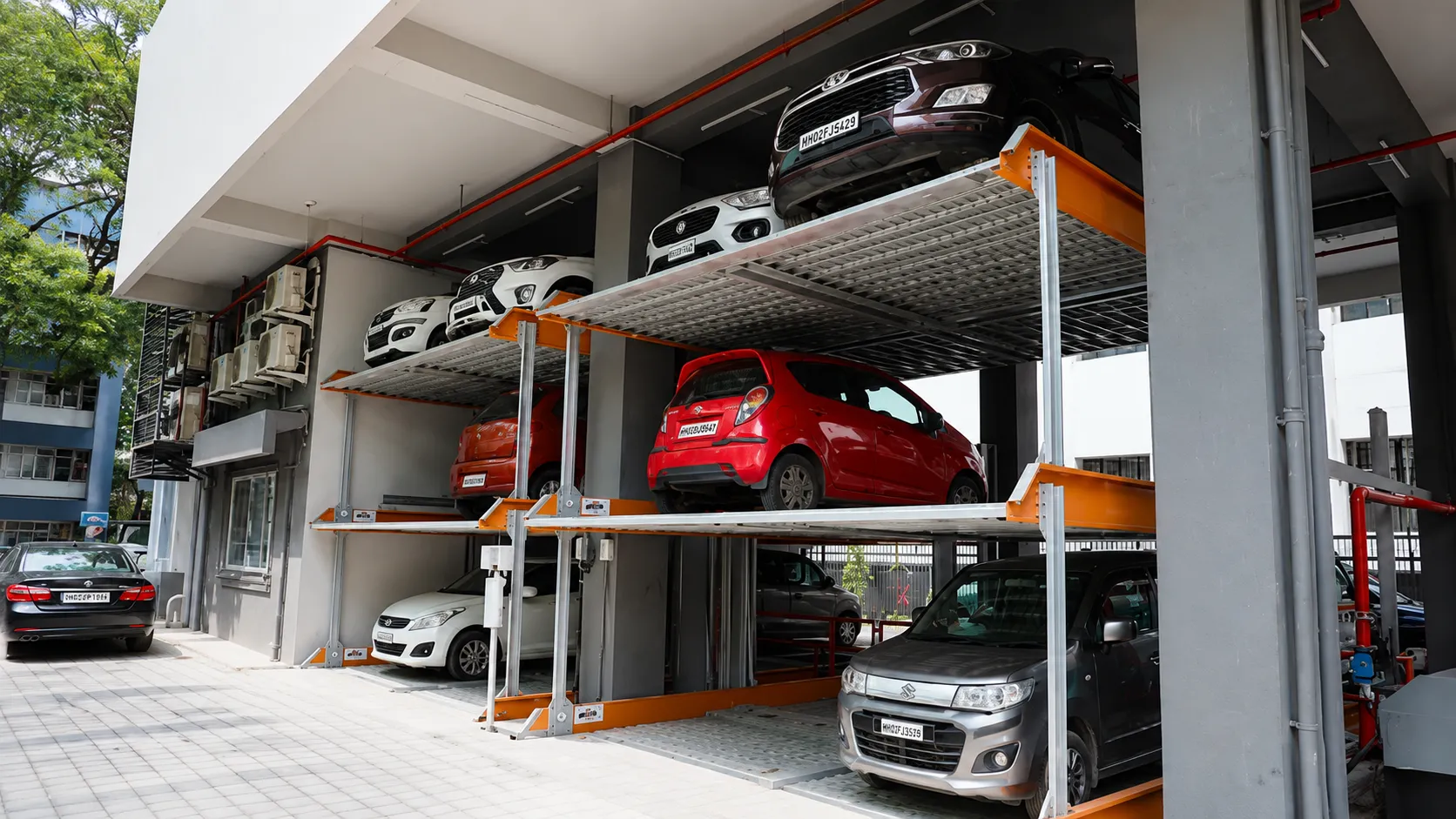
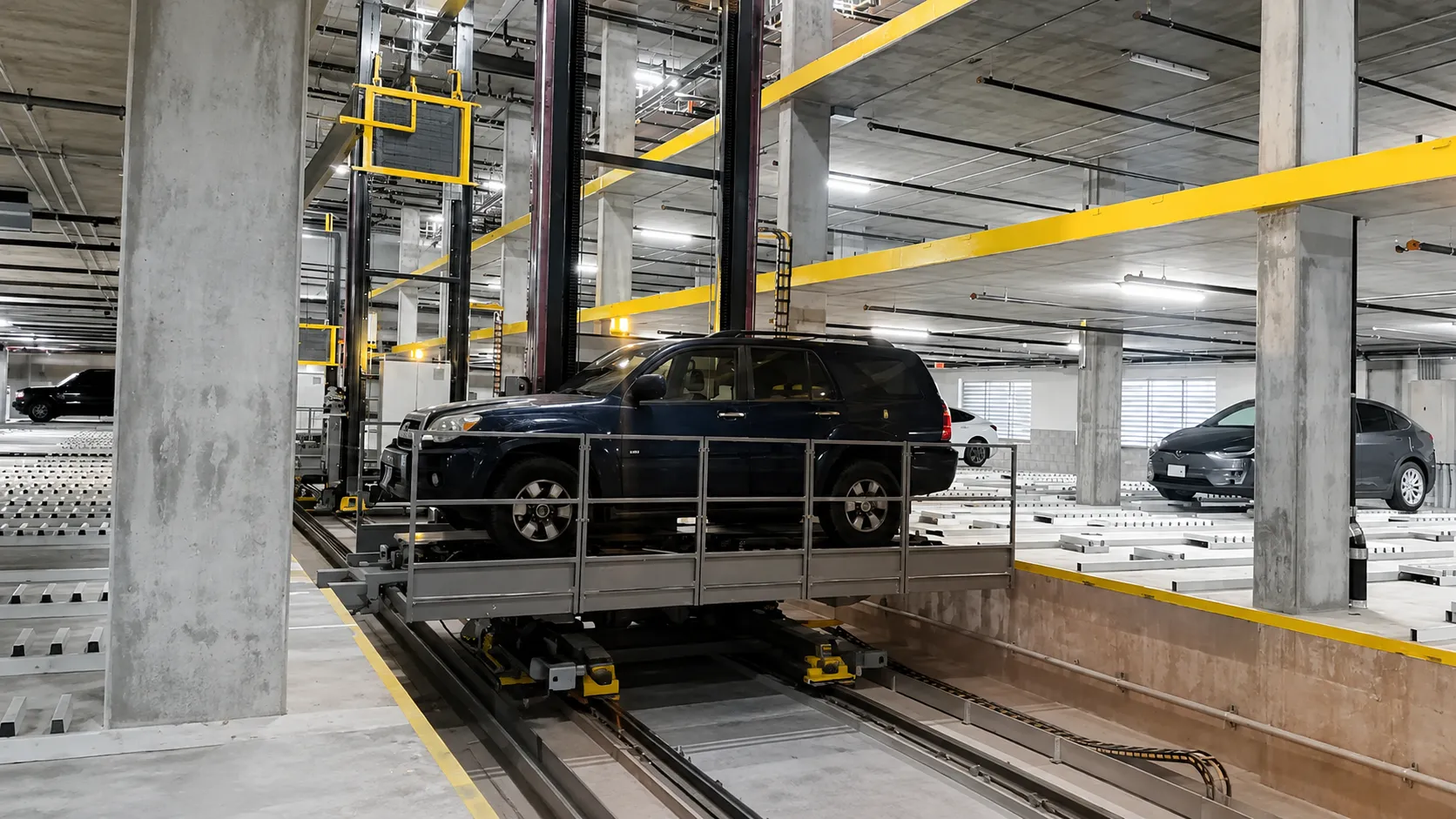
Understanding what Sotefin Bharat actually does helps explain both the investor interest in the offering and the company's specific growth ambitions. The company operates in the business of providing mechanised and automated parking solutions on a turnkey basis, integrating advanced automated parking technologies with the necessary supporting infrastructure to deliver complete, end-to-end project execution for its clients — a business model that positions the company at the intersection of two structural trends shaping Indian urban infrastructure: the rapidly rising cost and scarcity of urban land, which makes vertical, automated parking solutions increasingly economically attractive relative to conventional flat parking lots, and the broader push toward technology-enabled urban infrastructure as Indian cities continue their rapid growth. The company currently operates under a technical partnership with Switzerland-based Sotefin SA, which provides the underlying core technology for its automated parking systems, with its existing manufacturing base located in Howrah, West Bengal.
The company's financial trajectory heading into the IPO offered a reasonably compelling growth story to prospective investors. For the fiscal year ending March 2026, Sotefin Bharat reported net profit of ₹17.4 crore, representing a 53.6 per cent increase compared to the prior year, while revenue for the same period stood at ₹116.7 crore, reflecting 24.5 per cent year-on-year growth — figures that, taken together, point to a company achieving profit growth meaningfully outpacing its already healthy top-line expansion, a combination that typically points toward improving operating leverage and margin expansion as the underlying business scales. As of March 31, 2026, the company's order book stood at ₹534.40 crore, providing a substantial pipeline of contracted future revenue relative to its current annual turnover, and offering investors reasonable visibility into near-term growth even as broader questions about longer-term demand sustainability for automated parking solutions across Indian cities remain, inevitably, harder to assess with precision at this early stage of the sector's development in the country.