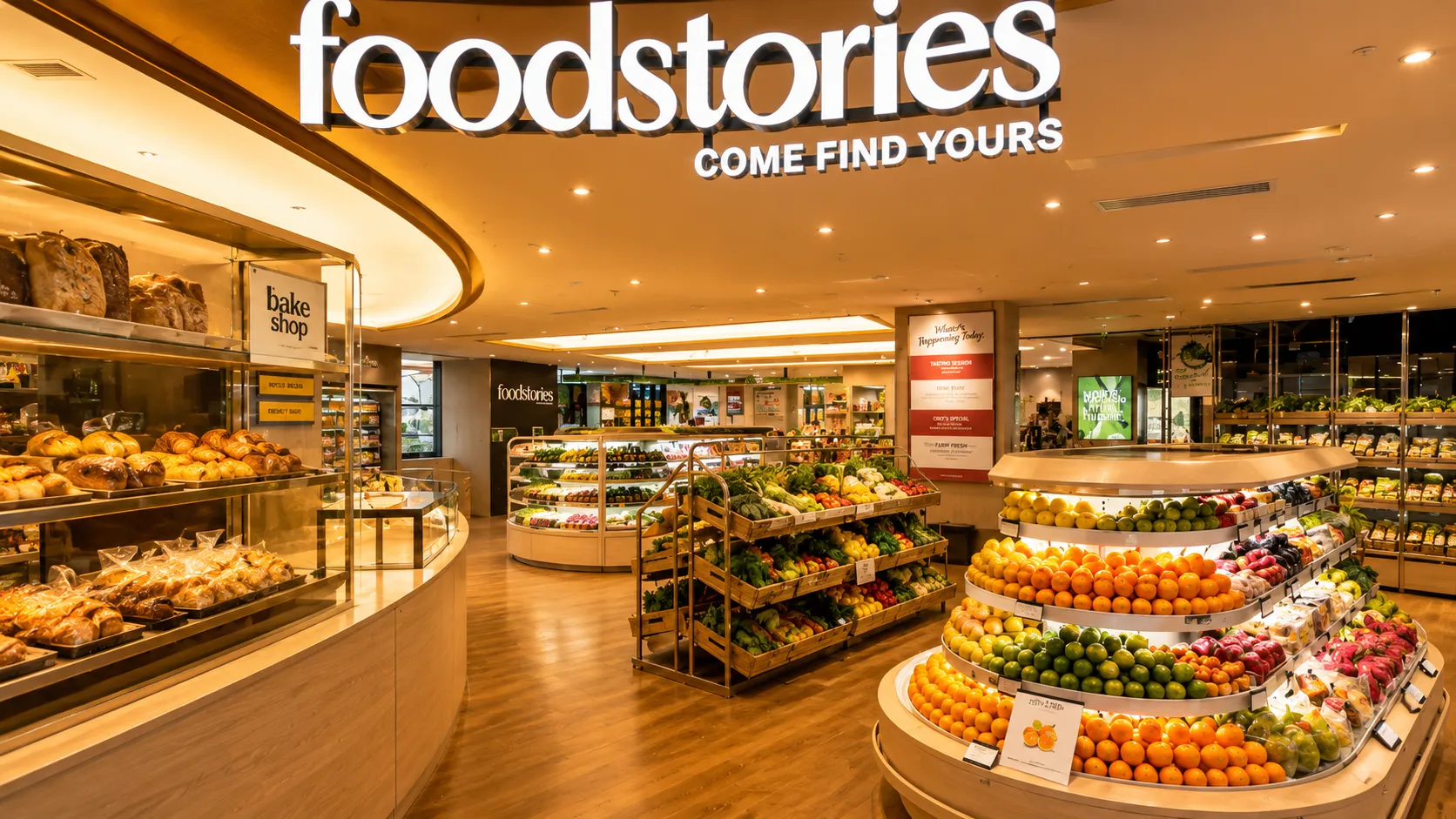
Backed By Nikhil Kamath, Foodstories Has Secured Fresh Capital To Expand Its Food And Lifestyle Ecosystem. The Deal Highlights A Major Shift In Consumer Behaviour: Indians Are No Longer Just Buying Food. They're Buying Experiences, Discovery And Identity.
For decades, food businesses were relatively straightforward.
Restaurants served meals, grocery stores sold ingredients and packaged-food companies competed on price, convenience and distribution. Success largely depended on product quality, operational efficiency and the ability to reach consumers at scale. While branding certainly mattered, food was still viewed primarily as a necessity. Consumers purchased products to satisfy hunger, and companies focused on delivering those products as effectively as possible.
Today's consumer landscape looks very different.
Food has increasingly become a lifestyle category. Consumers are no longer simply looking for something to eat. They are searching for experiences, recommendations, stories and communities that align with how they see themselves. Social media, digital commerce and changing consumption habits have transformed food into a form of self-expression. The brands winning attention are often those that successfully combine content, discovery and commerce rather than focusing exclusively on products.
That shift helps explain why Foodstories has attracted fresh investor interest.
The food and lifestyle platform recently raised ₹50 crore in a funding round led by Nikhil Kamath. While the capital will support growth and expansion, the larger significance lies in what investors are betting on. Foodstories operates at the intersection of food, culture, experiences and digital discovery—an increasingly attractive space as consumers spend more time engaging with lifestyle content before making purchasing decisions.
The funding reflects a broader trend visible across India's consumer economy.
Investors are increasingly backing businesses that build communities rather than merely sell products. The strongest consumer brands today often function as media platforms, recommendation engines and lifestyle ecosystems simultaneously. Foodstories appears to be positioning itself within exactly that category.
Food Is Becoming Content
One of the biggest changes in consumer behaviour over the past decade is the relationship between food and media.
People no longer discover restaurants, recipes or food products exclusively through traditional advertising. Instead, recommendations increasingly emerge from social media, creators, influencers and digital communities. A restaurant can become popular because of a viral video. A niche food product can become a national sensation through online recommendations. Discovery itself has become a valuable business opportunity.
This has fundamentally changed how food brands grow.
Visibility is no longer determined solely by location or distribution. It is influenced by storytelling, content creation and digital engagement. Consumers often interact with food brands long before making purchases, following creators, saving recommendations and exploring experiences online. The customer journey begins with inspiration rather than transaction.
Platforms like Foodstories benefit from this evolution.
By combining food discovery with lifestyle content and curated experiences, they position themselves at the beginning of the consumer decision-making process. Instead of competing only for purchases, they compete for attention and trust.
In the digital economy, those assets can become extraordinarily valuable.
Investors Are Chasing Community-Led Businesses
The funding also reflects a larger shift in venture capital thinking.
For years, investors focused heavily on companies that optimized transactions. The goal was often to make purchasing faster, cheaper or more convenient. While those opportunities remain attractive, many investors now recognize that long-term value increasingly comes from building communities around shared interests and identities.
Food is particularly well suited to this model.
Unlike many consumer categories, food naturally creates conversations, recommendations and social experiences. People enjoy sharing meals, discovering new restaurants and discussing culinary trends. These behaviours generate engagement that extends far beyond individual transactions. Businesses capable of capturing that engagement can build deeper relationships with customers.
Foodstories appears to be leveraging this dynamic.
Its model goes beyond simply facilitating purchases. It creates an ecosystem where consumers engage with food culture, experiences and discovery. This type of engagement often produces stronger loyalty and more opportunities for monetization over time.
Investors increasingly view community as a competitive advantage.
And food remains one of the strongest community-building categories available.
Nikhil Kamath's Consumer Thesis
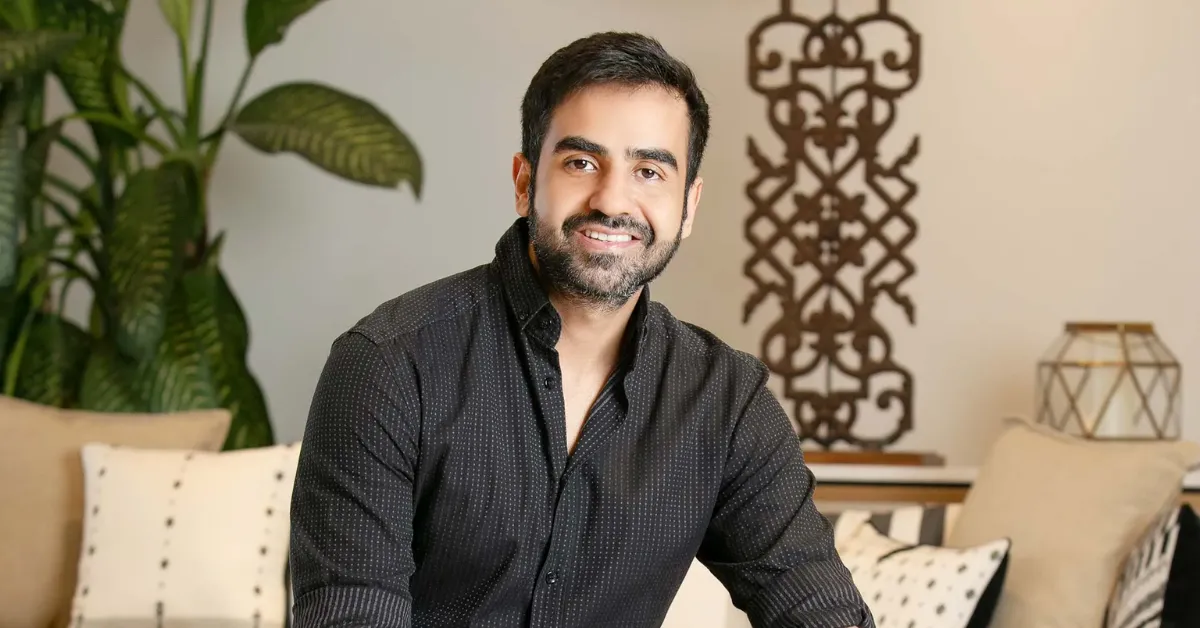
Nikhil Kamath's participation is notable because it aligns with broader investment themes he has frequently supported.
Many of today's most successful consumer businesses are not defined by products alone. They are defined by ecosystems. The strongest brands often own relationships with consumers across multiple touchpoints, creating recurring engagement rather than isolated transactions.
This philosophy is becoming increasingly influential across startup investing.
Consumers today expect brands to provide more than functionality. They want discovery, personalization and experiences. Companies capable of delivering these elements often achieve stronger retention and greater customer lifetime value than businesses focused solely on sales.
Foodstories fits neatly into this framework.
It occupies a space where content, commerce and lifestyle intersect. As consumer spending shifts increasingly toward experiences and identity-driven purchasing, platforms operating in these categories become more attractive investment opportunities.
The bet is not merely on food.
It is on the future of how people discover, engage with and consume food.
India's Lifestyle Economy Is Expanding Rapidly
The rise of businesses like Foodstories reflects broader changes across India's consumer market.
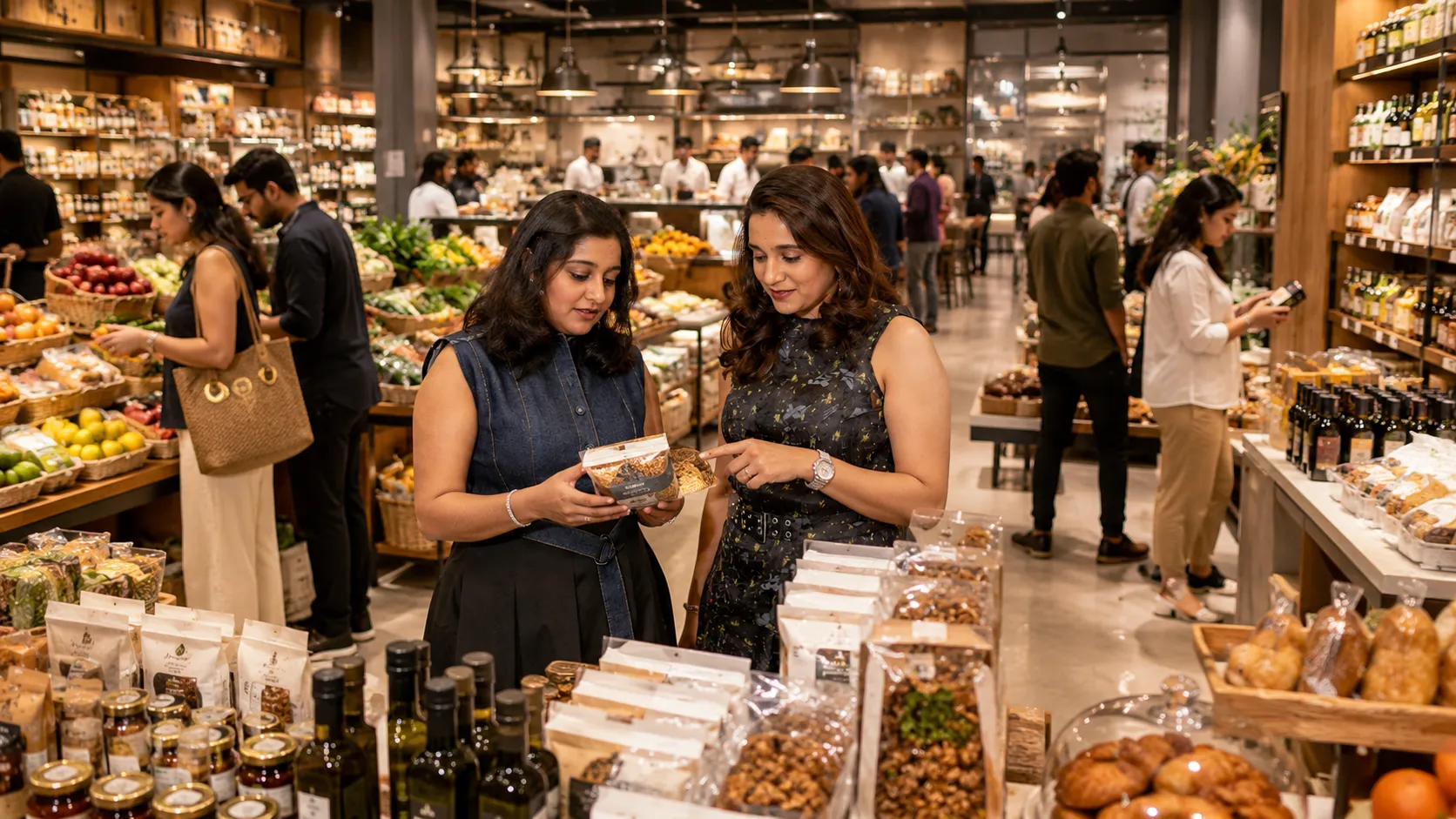
A growing middle class, rising disposable incomes and increasing digital adoption are creating demand for more curated experiences. Consumers are becoming more selective about where they spend money and more interested in brands that align with their interests and aspirations. This trend extends across categories including travel, wellness, fashion and food.
Food occupies a particularly important position within this evolution.
It is universal, emotional and highly shareable. Unlike many categories, food naturally lends itself to storytelling and community-building. As a result, platforms that successfully combine discovery, recommendations and experiences have the potential to create powerful consumer ecosystems.
The opportunity continues expanding as younger consumers enter the market.
Digital-native audiences increasingly rely on recommendations, creators and curated platforms when making purchasing decisions. Their behaviour is creating entirely new business models that would have been difficult to imagine a decade ago.
Foodstories is emerging within precisely this environment.
And investors clearly believe the opportunity is still in its early stages.
The Bigger Story
Viewed narrowly, Foodstories' ₹50 crore funding round is another consumer-tech investment.
Viewed more broadly, it signals a shift in how value is being created within the food industry. The future may belong less to businesses that simply sell products and more to those that influence discovery, shape preferences and build communities. Food is evolving from a transactional category into a lifestyle category, and companies capable of navigating that transformation stand to benefit significantly.
The rise of platforms like Foodstories highlights how consumer behaviour continues changing.
People increasingly seek experiences rather than products, recommendations rather than advertisements and communities rather than marketplaces. Businesses that understand these shifts are attracting both customers and capital.