A Consumer Category Once Driven Primarily By Distribution Is Beginning To Attract A Different Kind Of Capital Story
For years, India’s food and beverage sector frequently followed a relatively familiar business structure. Large legacy brands often dominated visibility through extensive retail distribution networks, television advertising and deeply embedded consumer recognition. Building successful food businesses frequently required significant capital because scale itself depended heavily on manufacturing reach and physical distribution strength. While startup activity certainly existed across niche categories, food businesses often remained outside conversations surrounding high-growth technology environments and venture-backed expansion stories.
Over recent years, however, another transition increasingly appears unfolding beneath India’s broader consumer economy. Food and beverage brands increasingly continue attracting stronger investor interest as changing consumer behavior, digital commerce and premiumization trends reshape how businesses are built. Categories involving healthy snacks, packaged foods, protein products, beverage innovation, regional brands and direct-to-consumer food ecosystems increasingly appear drawing participation from venture funds, strategic investors and consumer-focused capital environments. What initially looked like isolated startup rounds increasingly resembles a broader funding pattern involving changing assumptions around consumption itself.
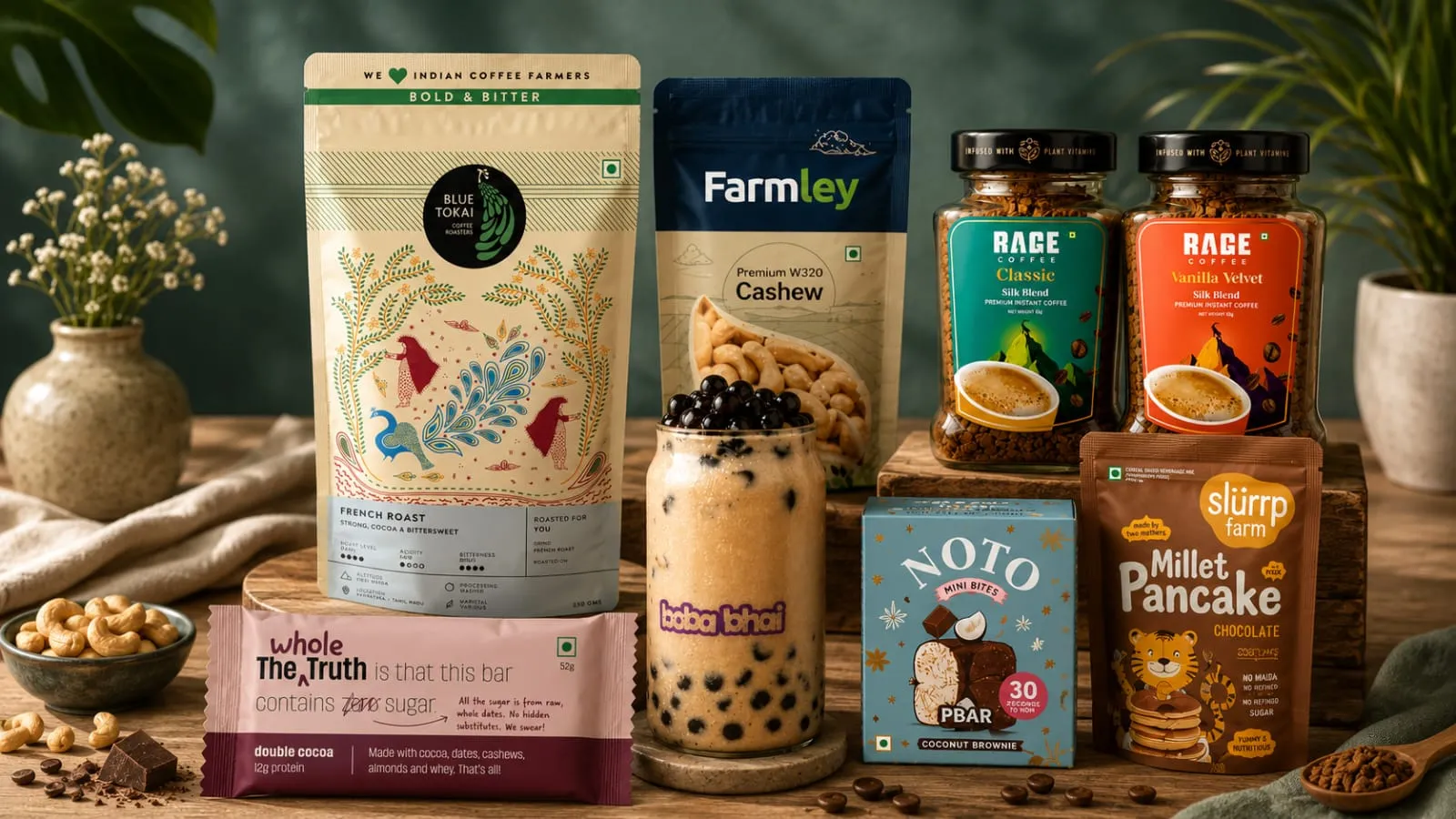
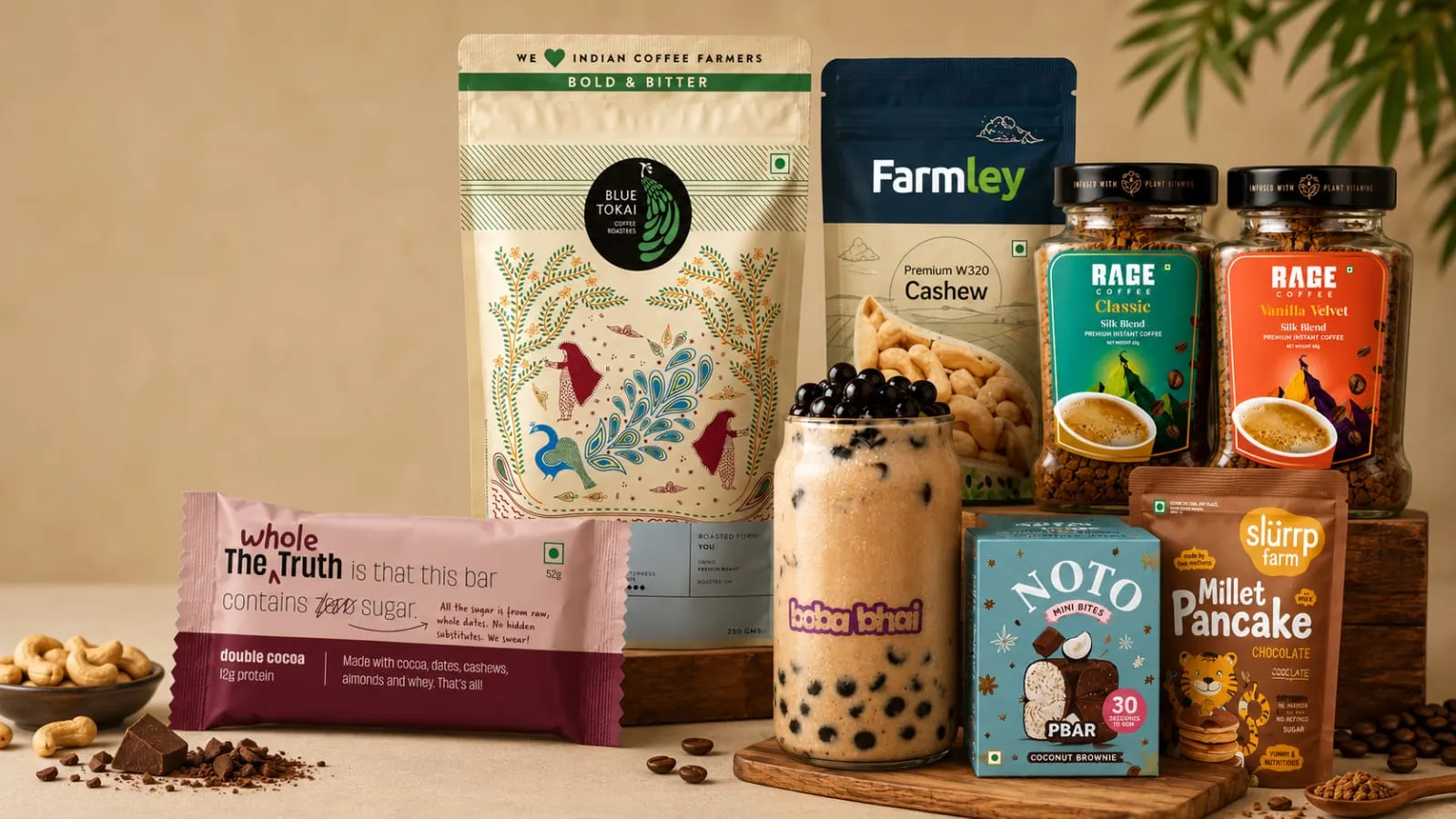
This broader shift increasingly matters because recent investment activity appears reinforcing that momentum. Companies across India’s consumer ecosystem including The Whole Truth, Blue Tokai, Slurrp Farm, Rage Coffee, Boba Bhai, Noto, Farmley and multiple emerging food startups increasingly attracted institutional funding over recent years as investors expanded participation across categories extending beyond traditional packaged foods. Simultaneously, broader industry data increasingly suggests India’s food and beverage market itself continues expanding alongside changing urban lifestyles and digital consumption environments.
Viewed independently, these developments may initially appear like another startup cycle involving consumer brands. Viewed through a broader funding and market lens, however, they increasingly suggest a larger transition involving how investors increasingly understand food businesses and where future consumer opportunities may emerge.
Consumer Behavior Increasingly Appears To Be Reshaping What Investors Find Attractive
Historically, food businesses frequently scaled through relatively straightforward assumptions involving affordability, shelf visibility and mass-market appeal. Product categories often succeeded through broad distribution and familiarity because consumer behavior itself evolved gradually over long periods of time. Investors frequently approached the category conservatively because differentiation often appeared difficult and growth frequently depended upon operational scale.
Increasingly, however, consumer environments appear operating differently. Urban lifestyles increasingly influence eating behavior, work patterns and purchasing decisions in ways previous generations experienced differently. Health-conscious consumption increasingly enters everyday decision-making. Younger consumers increasingly seek convenience, ingredient transparency and category experimentation. Digital ecosystems increasingly expose audiences to newer products and brands capable of building visibility rapidly without depending exclusively on conventional distribution pathways.
This transition increasingly matters because investor behavior frequently follows changing consumer behavior itself. Businesses capable of identifying emerging consumption patterns often create opportunities extending beyond products alone. Categories involving protein-focused foods, healthier alternatives, premium beverages and specialized consumer niches increasingly attract attention because they frequently reflect larger lifestyle transitions already occurring across urban environments.
The broader significance increasingly suggests that future food businesses may increasingly be built around community, identity and consumer behavior rather than scale alone.
Funding Activity Increasingly Appears To Reflect Long-Term Confidence Around Consumer Brands
Part of the significance surrounding India’s food and beverage momentum increasingly involves what recent funding activity appears signaling regarding investor confidence. While technology startups historically attracted a disproportionate share of visibility within startup conversations, consumer brands increasingly appear receiving stronger institutional participation across multiple stages of growth.
Over recent years, companies operating across packaged foods, healthy snacks, coffee ecosystems and digitally native brands increasingly secured capital through venture funds, family offices and strategic investors. Funding environments increasingly suggest that investors no longer appear viewing food businesses merely through traditional manufacturing frameworks. Increasingly, these businesses appear evaluated through broader lenses involving brand communities, repeat behavior and long-term customer relationships.
Importantly, several newer brands increasingly operate through highly differentiated pathways. Rather than competing directly through scale at the earliest stages, many businesses frequently build around specific consumer identities and lifestyle preferences before gradually expanding product ecosystems. This increasingly matters because consumer categories often become stronger when businesses create emotional familiarity alongside product demand.
Viewed through that broader lens, funding itself increasingly appears functioning not simply as expansion capital but also as a signal involving institutional confidence surrounding India’s changing consumer story.
Digital Commerce Increasingly Appears To Be Changing How Food Brands Grow
Another important dimension emerging beneath this broader funding trend increasingly involves changing infrastructure environments surrounding commerce itself. Historically, food brands frequently depended upon physical retail systems because distribution itself determined visibility and consumer reach. New businesses often faced substantial barriers because entering large-scale retail environments required considerable resources and operational capability.
Increasingly, however, digital ecosystems increasingly appear reshaping those pathways. Direct-to-consumer models, quick-commerce platforms and social-media-driven discovery environments increasingly create opportunities allowing brands to reach consumers earlier and more efficiently. Visibility itself increasingly appears distributed across creator ecosystems, online communities and highly targeted customer environments.
This transition increasingly matters because infrastructure frequently influences innovation itself. Businesses today increasingly experiment faster because market feedback often arrives more quickly. Consumer relationships increasingly develop through digital interaction rather than solely through traditional retail experiences. As a result, food brands increasingly appear operating more like modern consumer platforms than conventional product companies.
The broader significance increasingly suggests that technology may increasingly influence food businesses not by replacing products themselves but by reshaping how products find audiences.
The Larger Story Increasingly Extends Beyond Food Alone
The broader significance surrounding India’s food and beverage funding momentum may ultimately involve what it reveals regarding how consumer economies increasingly evolve. Historically, successful consumer businesses frequently depended upon distribution scale and operational strength. While those factors remain enormously important, newer environments increasingly appear rewarding businesses capable of understanding behavior, building communities and identifying emerging lifestyle transitions.
Viewed through that broader lens, India’s food and beverage funding wave increasingly resembles more than a category-specific startup trend. It increasingly appears connected to broader realities involving how younger consumers live, spend and build everyday habits. What investors increasingly seem funding may not simply be food products themselves but the behaviors and routines developing around them.
The larger funding story therefore may not simply involve another snack company, beverage startup or packaged-food brand raising capital. Increasingly, it may involve recognizing that some of India’s most active consumer opportunities may emerge from understanding how everyday life itself continues changing — because when consumption patterns evolve, entirely new business ecosystems frequently begin evolving alongside them.


