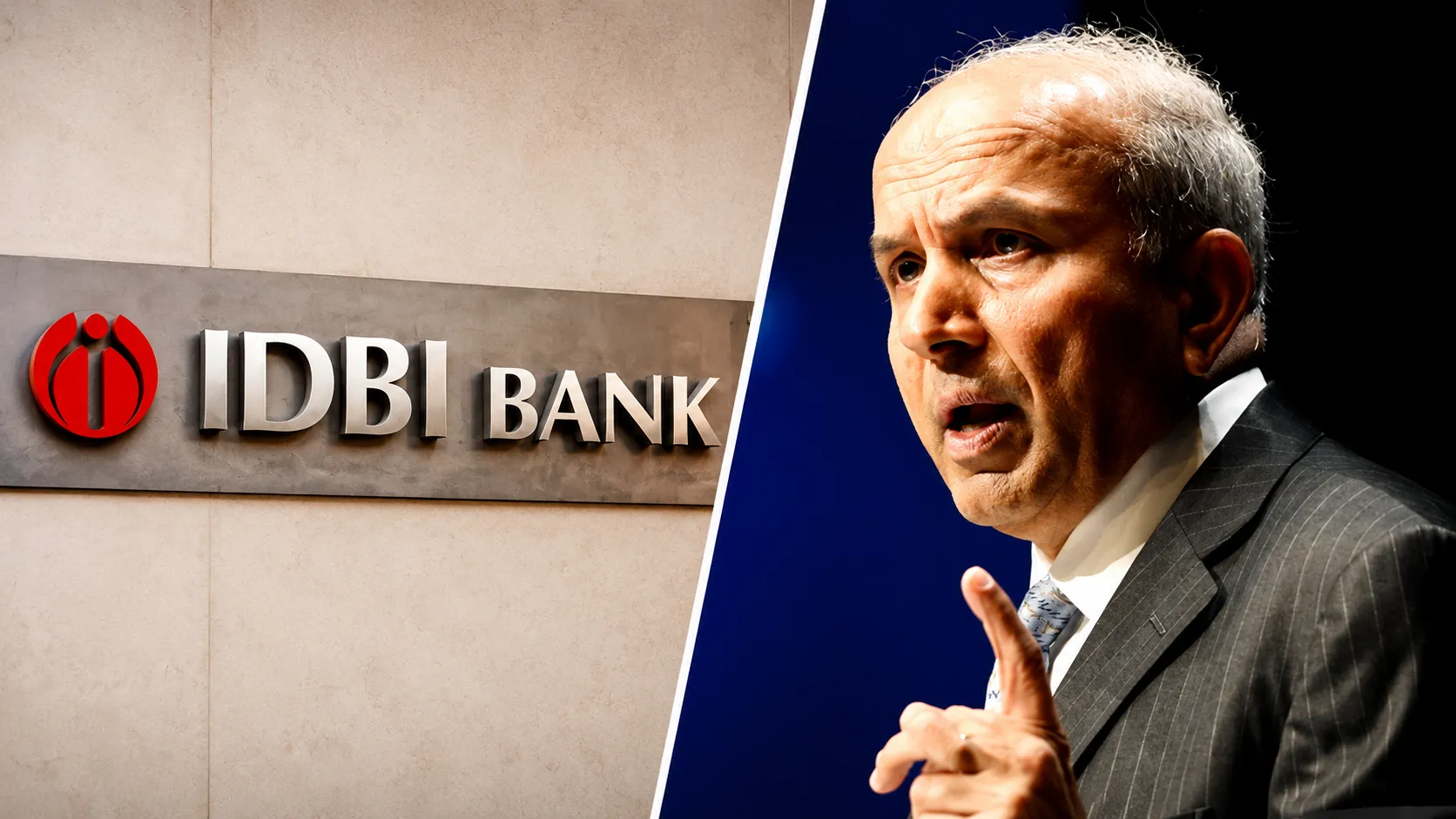
Mumbai: After nearly four years of fits and starts, India's most closely watched bank privatisation is finally approaching the finish line, with Canada-based Fairfax Financial Holdings, led by Indian-origin billionaire Prem Watsa, emerging as the clear frontrunner to acquire the government and LIC's combined controlling stake in IDBI Bank. People familiar with the matter describe the talks as advanced, with Fairfax now positioned ahead of rival bidders in a process that could culminate in the single largest foreign investment India's banking sector has ever seen.mThe scale of the transaction is difficult to overstate. The Government of India and the Life Insurance Corporation of India together hold a 60.72 per cent stake in IDBI Bank — 30.48 per cent held directly by the Centre and 30.24 per cent by LIC — along with effective management control of the lender. At current market prices, that combined stake has been valued at approximately $8 billion, a figure that would make the deal the biggest single instance of foreign capital entering an Indian bank to date, surpassing previous benchmark transactions in the sector by a wide margin.
The roots of this transaction stretch back to October 2022, when the government and LIC first announced their intention to sell their joint stake in IDBI Bank as part of the Centre's broader strategic disinvestment agenda. What followed, however, was a protracted and at times frustrating process for all parties involved. The transaction has repeatedly stalled over regulatory approvals, extended due diligence timelines, and most critically, a persistent gap between what prospective bidders were willing to pay and what the government considered an acceptable valuation for one of the country's oldest development finance institutions.
That valuation gap came to a head earlier this year. According to multiple reports, Fairfax's initial bid fell short of the government's undisclosed reserve price, prompting a temporary pause in proceedings around March 2026 as the Centre weighed whether to restart the privatisation process from scratch or continue negotiating with the Canadian firm. In the event, negotiations continued, and Fairfax has since returned to the table with a meaningfully improved offer.
According to a report in The Economic Times, Fairfax has raised its per-share offer to ₹81, up from the ₹75 per share it had proposed the previous year — a sweetened bid that reportedly followed a fresh round of meetings between Fairfax representatives and India's finance ministry. IDBI Bank shares themselves have responded positively to the news flow, closing 2.9 per cent higher on the BSE at ₹86.50 in one recent session, as investors priced in growing confidence that a deal is close to being finalised.
Separately, other reporting citing sources close to the process has pointed to a slightly different structure, describing a revised all-cash transaction expected to fetch approximately ₹50,000 crore, or just over $5 billion, for the government and LIC combined, with the government aiming to conclude the sale within the current financial year, FY27, and targeting proceeds in the broader range of ₹50,000 crore to ₹55,000 crore from the overall transaction. The precise final structure and pricing will only become clear once definitive agreements are signed and disclosed, but the direction of travel across multiple independent reports is consistent: a deal with Fairfax is now considered significantly more likely than not.
Under the terms being discussed, Fairfax has proposed making IDBI Bank its anchor investment in India's financial services sector — a notable strategic commitment for a firm that has, over more than a decade, built one of the more substantial and diversified foreign investment portfolios in the country. Fairfax's existing Indian holdings span travel and tourism through a majority stake in Thomas Cook India, financial services via a position in IIFL Holdings, infrastructure through a stake in Bangalore International Airport, and chemicals manufacturing via Sanmar Chemicals, among other investments built up steadily since Watsa first began deploying capital into India more than a decade ago.
One structural complication that will need to be resolved before any deal can close involves Fairfax's existing banking exposure in India. The group already holds a stake in CSB Bank, a South India-based private sector lender. Under the Reserve Bank of India's single banking licence norm, an investor is generally not permitted to hold controlling or significant stakes in more than one banking licence simultaneously in India, meaning that should the IDBI transaction go through, Fairfax will likely need to divest its position in CSB Bank to remain compliant with RBI regulations — a requirement reports suggest the firm has already factored into its planning.
Any final transaction will also need to clear a demanding set of regulatory hurdles beyond the commercial negotiation itself. The deal requires formal clearance from the Reserve Bank of India, which must assess Fairfax's fitness to acquire and operate a bank of IDBI's systemic significance, as well as approval from the Competition Commission of India on antitrust grounds, and ultimately, sign-off from the Union Cabinet given the scale and strategic sensitivity of the transaction. Each of these approval layers carries its own timeline and potential for delay, meaning that even with the commercial terms largely settled, the path to formal completion could still extend over several more months.
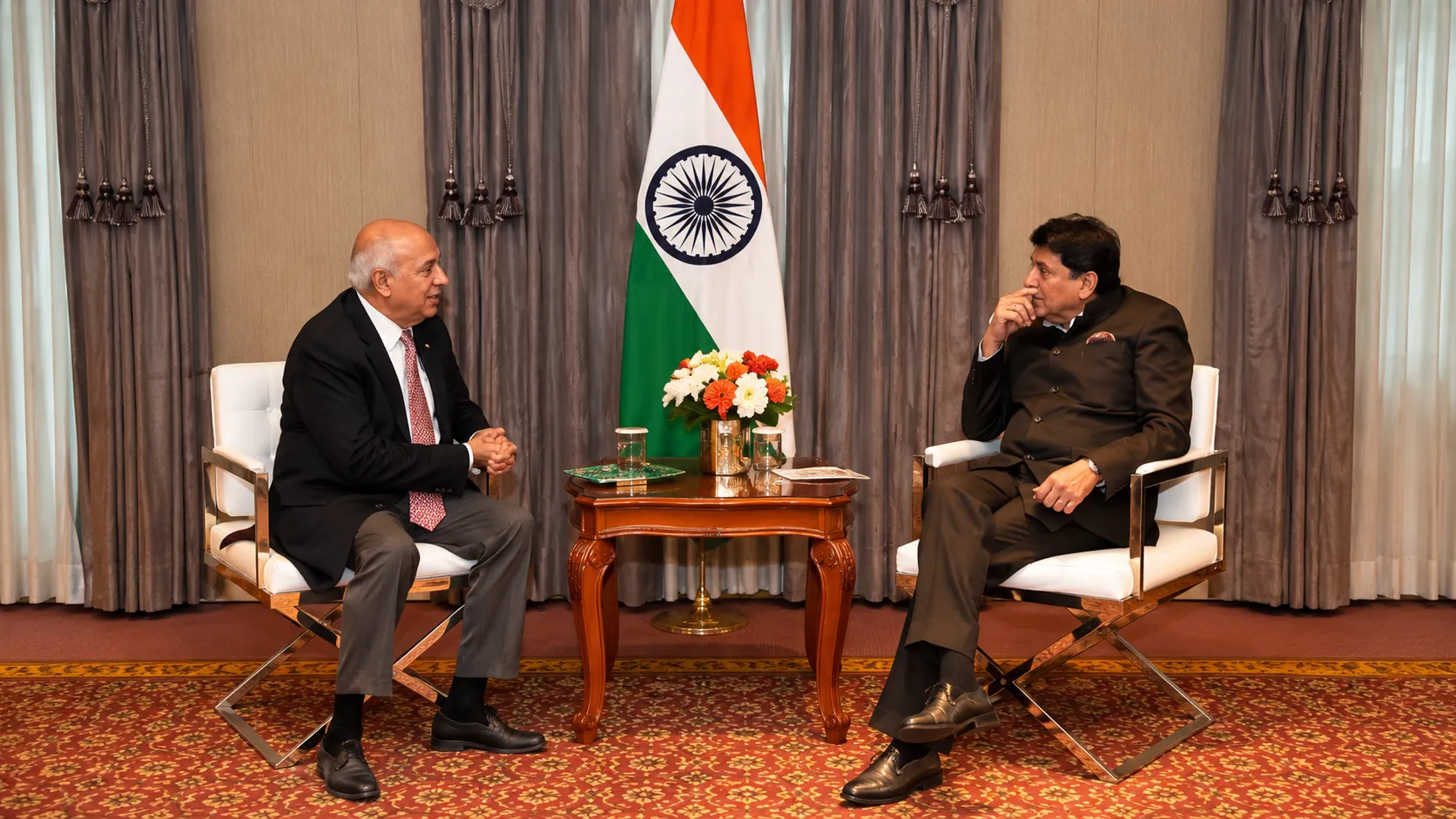
The proposed sale has not been without controversy. The United Forum of IDBI Officers and Employees, representing the bank's workforce, has publicly expressed what it described as profound concern over the Centre's reported decision to proceed with the strategic disinvestment in favour of Fairfax, and has formally sought a parliamentary review of the proposed transaction. In a statement, the forum argued that the development was not merely a commercial transaction, but one that concerned the ownership and control of one of India's strategically important financial institutions, and therefore raised questions touching upon constitutional governance, economic sovereignty and parliamentary accountability.
The employees' forum has urged the government to place the complete details of the proposed transaction before Parliament for scrutiny before proceeding further, arguing that a bank with IDBI's history as a development finance institution — one that played a foundational role in financing India's industrialisation and infrastructure build-out over the decades — warrants a higher degree of public and legislative oversight than a routine strategic sale might otherwise receive.
The government, for its part, has continued to signal its intent to proceed, framing the transaction as part of its broader disinvestment strategy aimed at reducing the state's direct exposure to banking sector risk while unlocking value for both the exchequer and LIC's policyholders, whose insurance fund has held its IDBI stake since the original transaction structure was put in place. Officials have consistently maintained that any final agreement will be subject to the full range of statutory and regulatory approvals, and that no transaction will be concluded without those safeguards being satisfied.
For Watsa personally, an IDBI acquisition would mark the culmination of a distinctly patient, multi-decade approach to building out his firm's presence in India. Since his earliest India investments — including the landmark 2012 acquisition of a majority stake in Thomas Cook India for ₹817 crore — Watsa has consistently described himself as a long-term believer in India's growth story, repeatedly reinvesting returns from earlier successful bets into new opportunities across sectors ranging from travel and financial services to infrastructure and chemicals. An anchor position in a full-service commercial bank of IDBI's scale would represent by far the largest and most consequential of these bets to date.
For India's banking sector more broadly, a successful conclusion to the IDBI transaction would carry significance well beyond the specific institution involved. It would represent a rare instance of a foreign, non-strategic financial investor taking a controlling stake in a full-service Indian commercial bank, a category of transaction that has historically faced considerable regulatory caution given the sensitivity around foreign control of systemically important financial institutions. A successful, well-executed transaction could therefore serve as an important reference case for how India's banking regulators and policymakers approach similar large-scale foreign investment proposals in the sector going forward.
Market participants and banking analysts will now be watching closely for the next formal milestones in the process: confirmation of final pricing terms, the sequence and timing of RBI and Competition Commission clearances, and ultimately, Cabinet approval, each of which will offer clearer signals as to whether the long-anticipated IDBI Bank divestment is finally set to reach completion after nearly four years of on-again, off-again negotiations.
With Fairfax's revised bid reportedly under active review and both sides said to be moving toward alignment on price, the coming weeks are expected to be pivotal in determining whether one of India's most-watched and longest-running privatisation sagas is finally about to reach its conclusion.
The IDBI transaction also needs to be understood against the backdrop of India's broader disinvestment programme, which has, over the past decade, delivered a mixed record of successes and setbacks. Previous attempts to privatise state-owned enterprises have occasionally stalled over similar valuation disagreements, regulatory complexity or shifting political priorities, making the IDBI process something of a bellwether for how effectively the current government can execute large, complex strategic sales of financial institutions specifically, a category that carries additional layers of regulatory sensitivity relative to disinvestment in non-financial public sector enterprises.
For LIC specifically, a successful conclusion to the sale carries its own distinct significance. As India's largest life insurer and a company with its own vast base of retail policyholders, LIC's 30.24 per cent stake in IDBI Bank represents a substantial financial asset whose eventual monetisation, at an appropriate valuation, would directly benefit the insurer's overall balance sheet and, by extension, the interests of its policyholders. LIC's own leadership has previously indicated support for an eventual exit from the IDBI investment, viewing it as a legacy holding better suited to being unlocked for value than retained indefinitely as a strategic position.
IDBI Bank's own history adds a layer of institutional weight to the transaction that is somewhat unusual among Indian bank privatisation candidates. Originally established as a development finance institution rather than a conventional commercial bank, IDBI played a foundational role over several decades in financing India's industrialisation drive, providing long-term project finance to infrastructure and manufacturing ventures at a time when India's banking sector was far less developed than it is today. The bank's later conversion into a full-service commercial banking entity, and its subsequent financial difficulties that necessitated the original 2019 capital infusion and management change that brought LIC in as majority owner, form an important part of the institutional backstory that employee representatives have cited in arguing for greater parliamentary scrutiny of the current sale process.
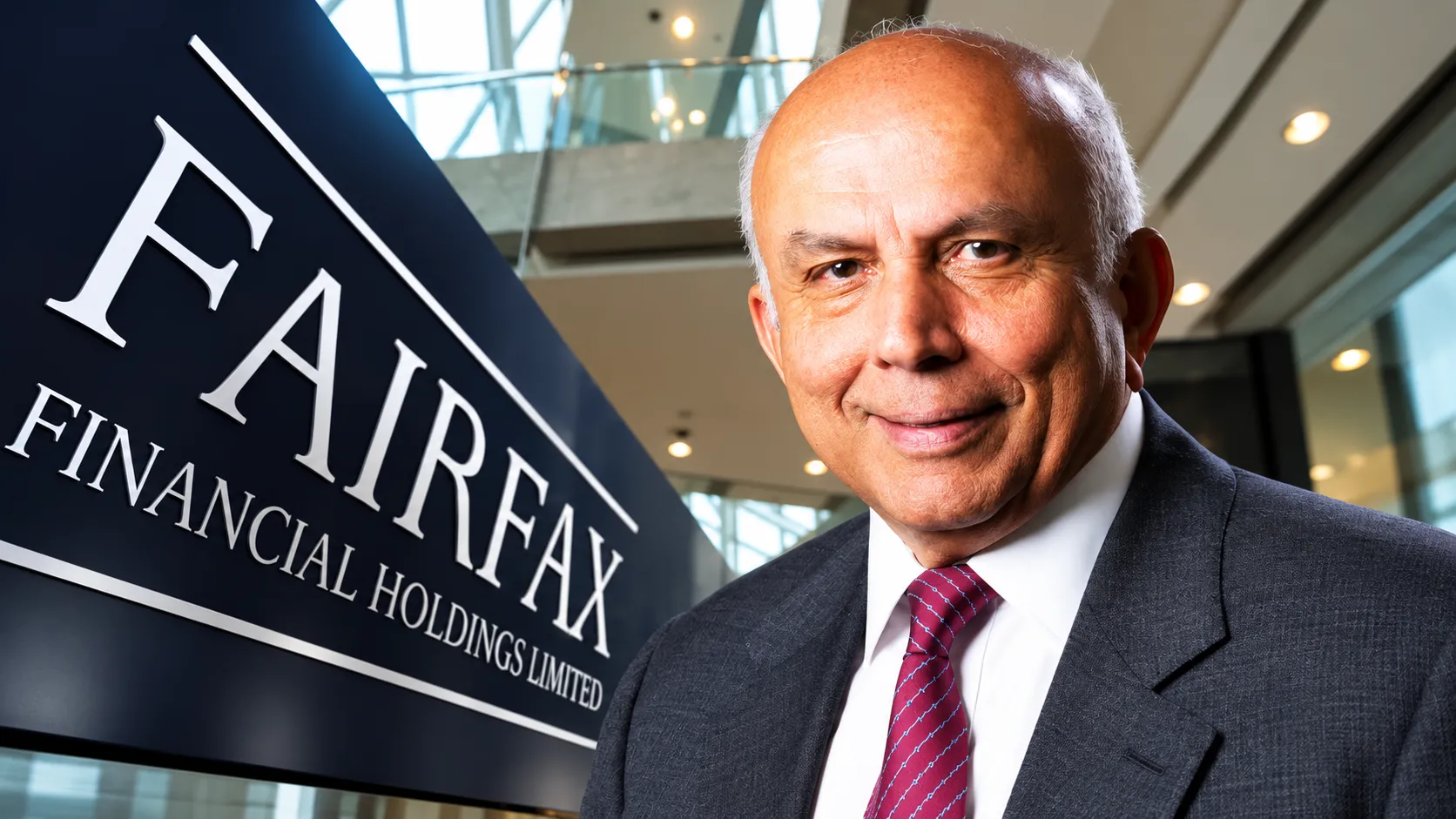
Banking sector analysts note that the eventual outcome of the IDBI transaction could carry implications well beyond the specific institution. Should the sale to Fairfax proceed successfully through its remaining regulatory approvals, it would offer a concrete, real-world test case for how India's banking regulatory framework handles large-scale foreign acquisition of control in a systemically significant domestic lender — a template that could influence how future similar transactions, whether involving IDBI-scale institutions or smaller private banks, are structured and evaluated by regulators going forward.
The stock market's own reaction to the steady drumbeat of IDBI-related news flow over recent months offers a useful real-time gauge of how investors are pricing the probability of the deal's eventual completion. Periods of positive news flow — reports of narrowing valuation gaps, renewed government engagement, or signals of regulatory progress — have tended to coincide with meaningful upward moves in IDBI Bank's own share price, while periods of stalled negotiations or reported setbacks have generally seen the stock give back some of those gains, reflecting a market that remains genuinely uncertain about final deal terms and timing even as the broader direction of travel appears increasingly favourable toward eventual completion.
Rival bidders who had earlier featured in the process, including Emirates NBD — which has separately already completed a majority acquisition of private lender RBL Bank — appear to have receded from serious contention as Fairfax's position has strengthened, though neither IDBI Bank nor the government has issued any formal confirmation regarding the final composition of the bidder field. Until definitive agreements are signed, market participants continue to treat the transaction as probable rather than certain, tempering enthusiasm with an awareness of just how many previous milestones in this four-year saga have come and gone without producing a concluded deal.