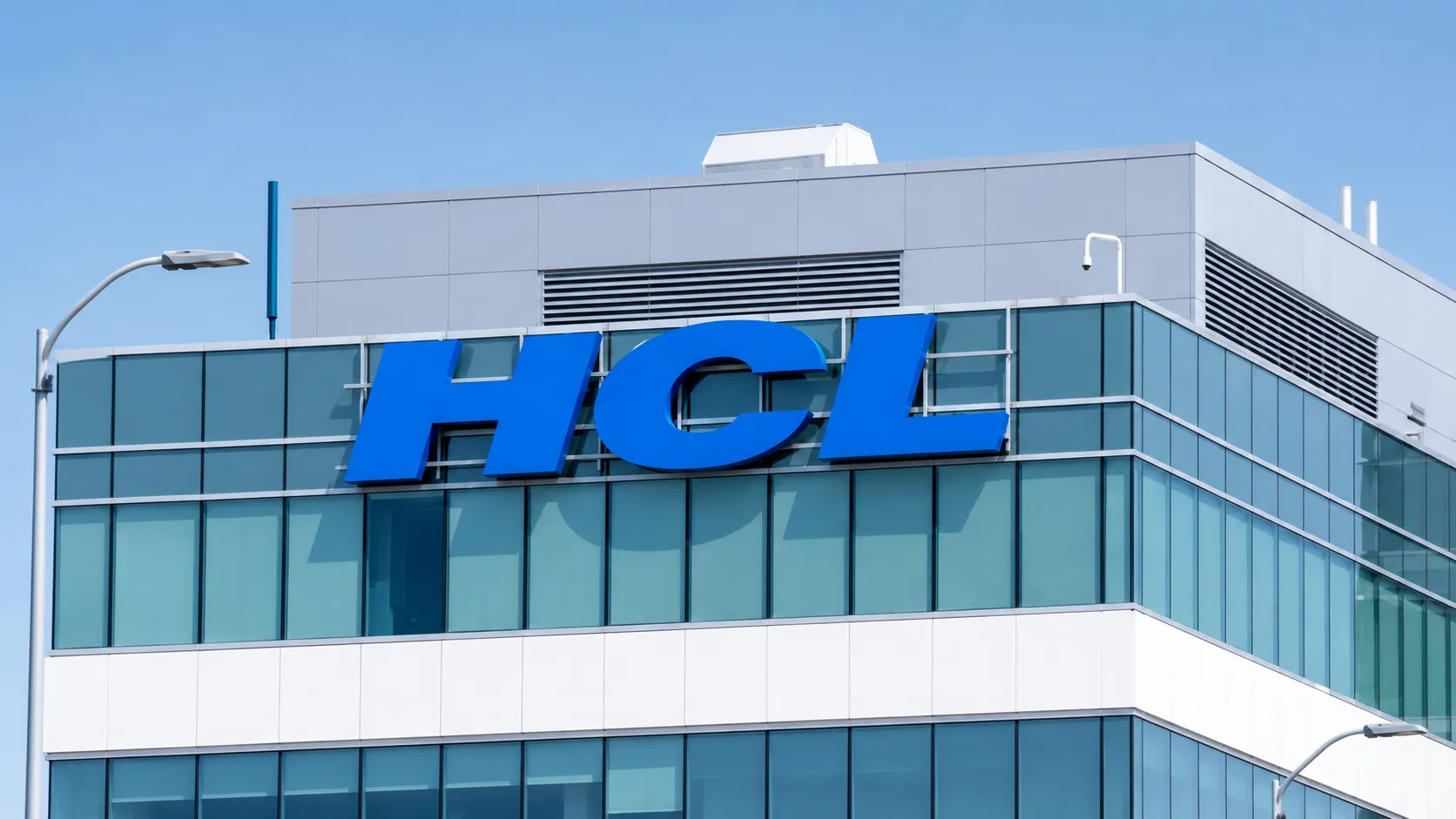
A cluster of well-known Indian companies — HCL Technologies, MRF, Honeywell Automation, Shree Cement, Cummins India, and Pfizer — are all trading ex-dividend today, July 17, 2026, determining which shareholders remain eligible for the dividend payouts these companies have announced. For investors less familiar with the mechanics of dividend investing, ex-dividend dates can seem like a minor technical footnote buried in market reports. In practice, they carry real, immediate financial implications for anyone holding, buying, or selling shares in these companies around this specific date.

What Does 'Ex-Dividend' Actually Mean?
When a company's board declares a dividend, it sets two key dates: a record date, which determines exactly which shareholders on the company's books are entitled to receive the dividend payment, and an ex-dividend date, which — in India's T+1 settlement system — typically falls on the same day as, or one business day before, the record date. Any investor who purchases shares on or after the ex-dividend date will not receive the upcoming dividend payment for that particular declaration; the right to that dividend remains with the seller. Conversely, anyone who already owned the shares before the ex-dividend date, and continues to hold them through the record date, will receive the dividend regardless of whether they sell the shares shortly afterward.
This mechanic explains a commonly observed, if somewhat counterintuitive, market phenomenon: on the ex-dividend date, a stock's opening price is typically adjusted downward by approximately the dividend amount, reflecting the fact that the company's cash reserves will shortly decrease by the total payout, and new buyers on that date are no longer entitled to that specific dividend. This is not a market malfunction or a sign of company weakness — it is simply the market mechanically pricing in the fact that a portion of the company's value is about to leave the balance sheet in the form of cash distributed to existing shareholders.
Today's Ex-Dividend Roster
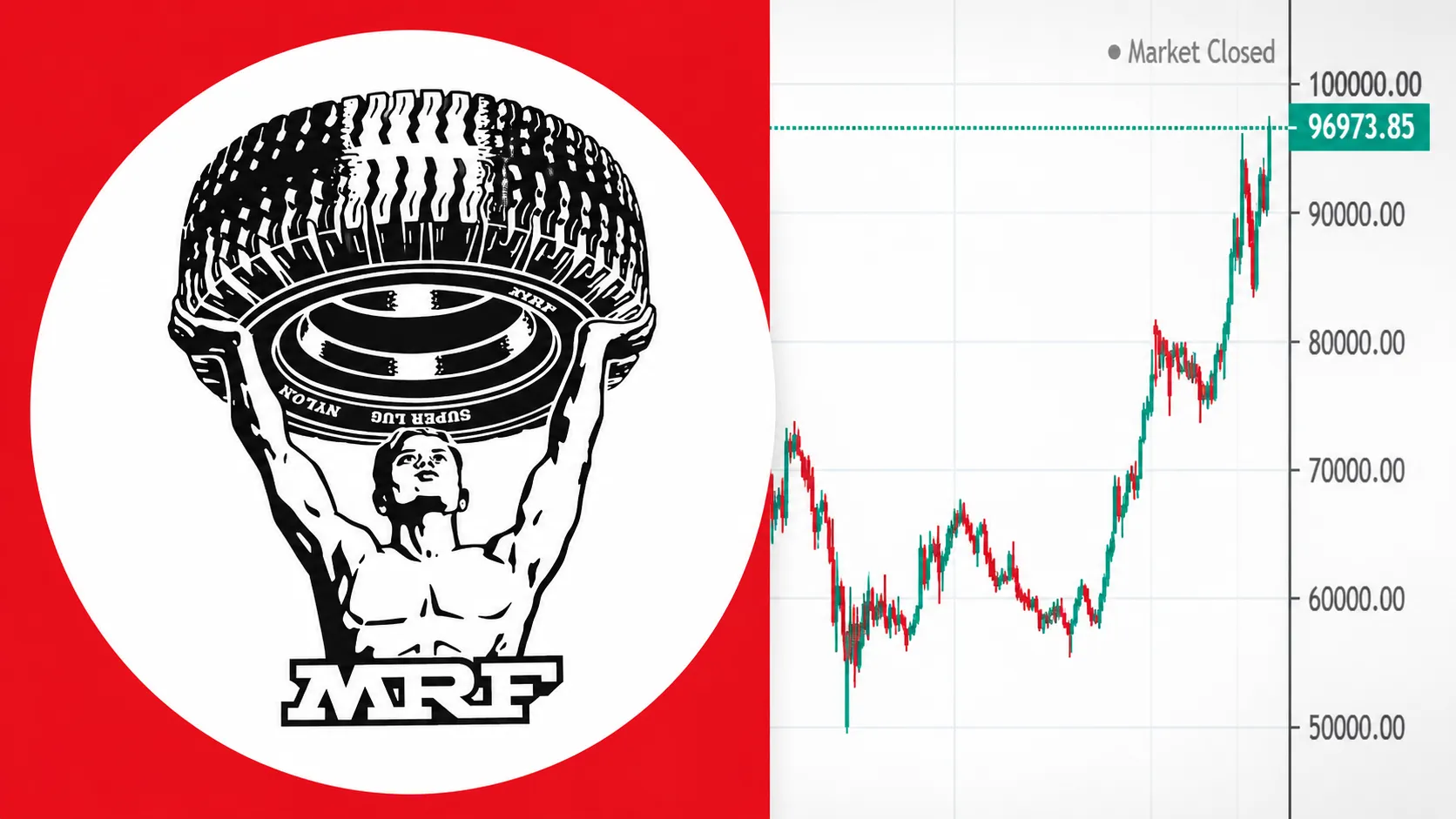
The specific companies trading ex-dividend today span a diverse range of sectors, illustrating how dividend announcements cluster around particular points in the corporate reporting calendar rather than following any single industry pattern. HCL Technologies, one of India's largest IT services exporters, has a track record of paying regular dividends, often including special or interim dividends tied to strong quarterly cash generation — reflective of the IT services sector's generally asset-light, cash-generative business model. MRF, India's largest tyre manufacturer by market capitalization and famously one of the highest-priced stocks on the Indian exchanges on a per-share basis, similarly has a long history of dividend payments tied to its manufacturing cash flow cycle.
Honeywell Automation India, a subsidiary of the US-based industrial and technology conglomerate, represents the industrial automation and controls segment, while Shree Cement brings exposure to India's cement and building materials sector — an industry closely tied to infrastructure spending and real estate cycles. Cummins India, part of the global engine and power generation systems manufacturer, offers exposure to industrial and power equipment demand, and Pfizer's Indian listed entity represents the pharmaceutical sector, historically known for relatively stable, defensive earnings profiles that often support consistent dividend policies.
Why Dividend Timing Matters for Different Types of Investors
For long-term, buy-and-hold investors who already own shares in these companies, today's ex-dividend date is largely a non-event from a decision-making perspective — they will receive their dividend regardless of today's price movement, and the theoretical price adjustment doesn't change the underlying value of their total holding (share price plus the cash dividend they're entitled to receive). For active traders and those specifically pursuing dividend-capture strategies — buying shares shortly before the ex-dividend date specifically to collect the payout, then potentially selling afterward — the mechanics are more directly relevant, though dividend-capture strategies carry their own risks and tax considerations that make them less straightforward than they might initially appear, particularly once transaction costs and potential price underperformance in the days following the ex-dividend adjustment are factored in.
For prospective new investors considering purchasing shares in any of these companies, today's date is a relevant, if minor, consideration: buying today or afterward means missing this particular dividend cycle, though it has no bearing on eligibility for future dividend declarations the company may make in subsequent quarters or the following fiscal year.
The Broader Dividend Investing Context in India
India's dividend investing culture has historically been somewhat less prominent than in more mature markets like the US or UK, with many Indian companies — particularly in high-growth sectors like technology and consumer internet — preferring to reinvest profits into growth rather than distribute them as dividends. However, a meaningful cohort of large, cash-generative Indian companies, particularly in sectors like IT services, FMCG, and select industrials, have built strong reputations as consistent dividend payers, attracting a dedicated base of income-focused investors, including retirees and conservative portfolio managers seeking steady cash yield alongside potential capital appreciation.
The Practical Takeaway
For most retail investors, the practical lesson from today's cluster of ex-dividend stocks is less about any specific trading strategy and more about understanding a basic mechanic of equity ownership: dividends are not "free money" that appears out of nowhere, but rather a distribution of a company's existing value from its balance sheet to its shareholders, with share prices adjusting mechanically to reflect that transfer. Investors holding any of today's ex-dividend names as part of a long-term portfolio can expect their dividend payments to process in the normal course, typically within a few weeks of the record date, without needing to take any specific action.