
Most Beauty Brands Promise Perfection. Antinorm Is Betting That The Next Generation Of Consumers Is Tired Of Being Told They Need Fixing. Investors Just Backed That Bet With A ₹28 Crore Seed Round Led By Fireside Ventures.
For years, the beauty industry has operated on a remarkably simple premise: convince people they have a problem and then sell them the solution. Wrinkles needed correcting. Skin needed brightening. Hair needed taming. Every advertisement, product launch and influencer campaign reinforced the same message—that beauty was something to chase rather than something to define for yourself. The formula worked spectacularly well. Global beauty became a multi-billion-dollar industry built around aspiration, transformation and, at times, insecurity. But consumer behavior is changing, particularly among younger audiences who have grown increasingly skeptical of traditional beauty narratives.
That shift is creating opportunities for a new generation of brands willing to challenge the industry's playbook.
Consumers today are not simply buying products. They are buying values, identities and communities. They want brands that reflect how they see themselves rather than how marketers think they should look. This cultural shift has helped create some of the fastest-growing consumer companies of the past decade. Businesses that understand identity often build stronger emotional connections than businesses focused solely on functionality. In beauty, where emotional connection is everything, that advantage can be particularly powerful.
That is the opportunity Antinorm appears to be pursuing.
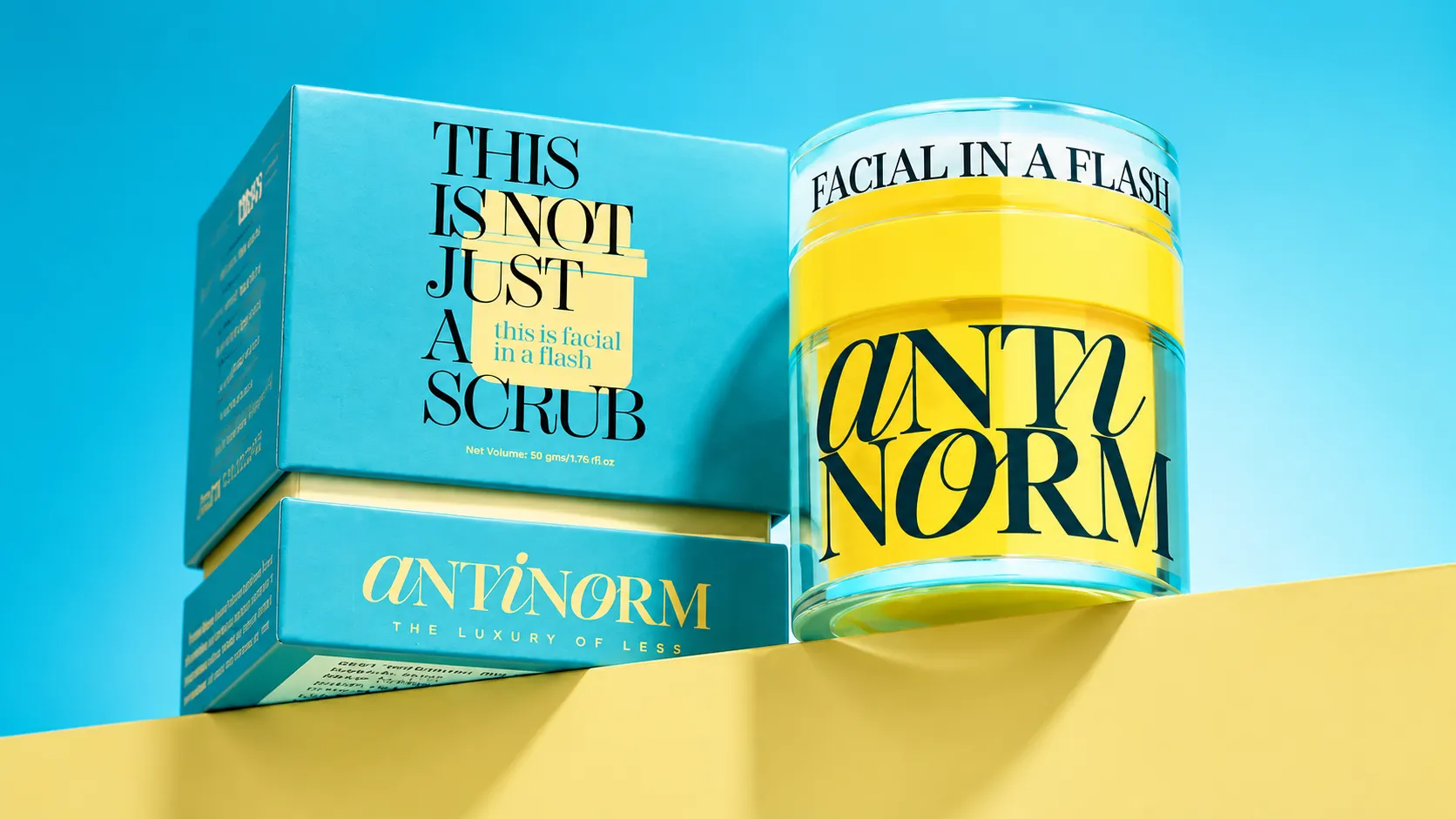
Founded by Aparna Saxena, the beauty brand has raised ₹28 crore in a seed funding round led by Fireside Ventures. On the surface, the announcement looks like another consumer-brand funding story. But the larger significance lies in what investors are backing. Antinorm is entering one of the most crowded categories in the startup ecosystem, yet it is attempting to differentiate itself not through ingredients, packaging or celebrity endorsements, but through positioning. The brand's very name signals a willingness to challenge conventional beauty expectations.
The timing could be ideal.
India's beauty and personal-care market is undergoing a significant transformation as younger consumers increasingly seek authenticity over perfection. They are more likely to question established norms, experiment with emerging brands and support companies that align with their personal values. This environment creates space for brands capable of standing for something larger than the products they sell.
The New Beauty Consumer Wants More Than Products
One of the biggest changes in the beauty industry is the evolving relationship between consumers and brands.
Previous generations often purchased products based on advertising, celebrity endorsements or retail visibility. Today's consumers are significantly more selective. They research ingredients, evaluate brand values and pay close attention to how companies communicate. Social media has made brand behavior far more visible, creating expectations that extend beyond product performance. Consumers increasingly want to know what a company stands for before deciding whether to support it.
This has fundamentally changed how beauty brands are built.
The strongest modern brands often begin with a narrative rather than a product. They create communities before creating scale. They establish emotional resonance before expanding distribution. In many cases, the story becomes as important as the formulation itself. Customers are not simply purchasing a moisturizer, serum or cosmetic product. They are buying into a worldview.
Antinorm appears positioned within this emerging category.
The name alone challenges traditional beauty language, suggesting a rejection of rigid standards and conventional expectations. While products remain essential, the broader appeal lies in the message. In a market saturated with similar offerings, differentiation increasingly comes from identity rather than functionality.
That is often where the strongest consumer brands are born.
Not in laboratories, but in culture.
Why Investors Are Paying Attention
The funding round also reflects broader changes in consumer-focused venture investing.
Over the past several years, investors have become significantly more selective when evaluating consumer startups. Building a successful brand has become increasingly expensive due to rising customer-acquisition costs and intense competition across digital channels. As a result, investors are increasingly looking for businesses capable of creating organic loyalty and strong brand affinity rather than relying solely on marketing spend.
Brands built around cultural movements often attract attention because they create deeper customer relationships.
Consumers who identify strongly with a brand's mission frequently become advocates, sharing products through word-of-mouth and social channels. This dynamic can reduce dependence on paid acquisition while increasing customer retention. In a competitive consumer landscape, these advantages can become extremely valuable.
Fireside Ventures has built a reputation for backing emerging consumer brands early in their journeys.
Its investment in Antinorm suggests confidence not only in the company's products but also in its ability to capture a larger cultural trend. Investors increasingly understand that successful consumer businesses are often reflections of broader shifts in society. When consumer attitudes change, entirely new categories of brands can emerge.
The beauty industry is currently experiencing one of those moments.
And investors do not want to miss it.
The Business Of Challenging Norms
There is an interesting paradox at the heart of modern consumer branding.
The most successful disruptive brands often begin by questioning established assumptions. Some challenge how people eat. Others challenge how they dress, work or communicate. The strongest businesses identify cultural tensions that larger incumbents either ignore or struggle to address. They then position themselves as alternatives to the status quo.
Antinorm appears to be following a similar path.
The brand is entering an industry historically built around conformity and idealized standards. By positioning itself against rigid beauty expectations, it taps into a growing audience that values individuality and self-expression. Whether that positioning translates into long-term commercial success remains to be seen, but the underlying consumer trend is undeniably real.
The opportunity extends beyond beauty.
Consumers increasingly reward brands that feel authentic, transparent and aligned with their personal values. This has become one of the defining characteristics of modern consumer behavior. Products still matter, but identity increasingly drives purchasing decisions.
Brands that understand this dynamic often outperform expectations.
Because they become part of culture rather than simply participants in commerce.
The Bigger Story
Viewed narrowly, Antinorm's ₹28 crore funding round is a startup financing announcement.
Viewed more broadly, it represents the growing convergence of culture, identity and consumer commerce. The next generation of successful brands may not win because they have the best advertising campaigns or the largest marketing budgets. They may win because they understand how consumers are changing and build products that reflect those changes. Investors increasingly recognize this reality, which is why they continue backing founders capable of identifying emerging cultural shifts before they become obvious.
Aparna Saxena is building a beauty brand at a time when the definition of beauty itself is evolving.
Consumers are becoming more skeptical of perfection, more interested in authenticity and more willing to support brands that challenge established narratives. Whether Antinorm ultimately becomes a category leader remains to be seen. What is clear, however, is that it is entering the market with a message that resonates far beyond cosmetics.