A Traditionally Under-Served Sector Is Beginning To Attract A Different Kind Of Technology Capital
For years, conversations surrounding India’s startup ecosystem frequently concentrated around software platforms, fintech businesses and consumer technology because these categories often represented the most visible symbols of innovation and scale. Agriculture certainly attracted attention in specific cycles, yet aquaculture and fisheries frequently remained outside mainstream startup narratives despite supporting livelihoods and food systems across large parts of the country. Public discussions surrounding fish farming often remained associated with traditional practices and fragmented supply environments rather than advanced technology ecosystems.
Over recent years, however, another transition increasingly appears unfolding beneath India’s broader agritech and rural-tech landscape. Investors increasingly seem paying attention to sectors where technology can influence productivity, monitoring and operational efficiency rather than simply digitizing transactions. Aquaculture increasingly appears entering that conversation because fish farming environments frequently depend upon variables involving water quality, disease management, environmental conditions and real-time operational decision-making. What initially appeared like a niche category increasingly resembles a broader opportunity involving infrastructure, food systems and technology-enabled productivity.
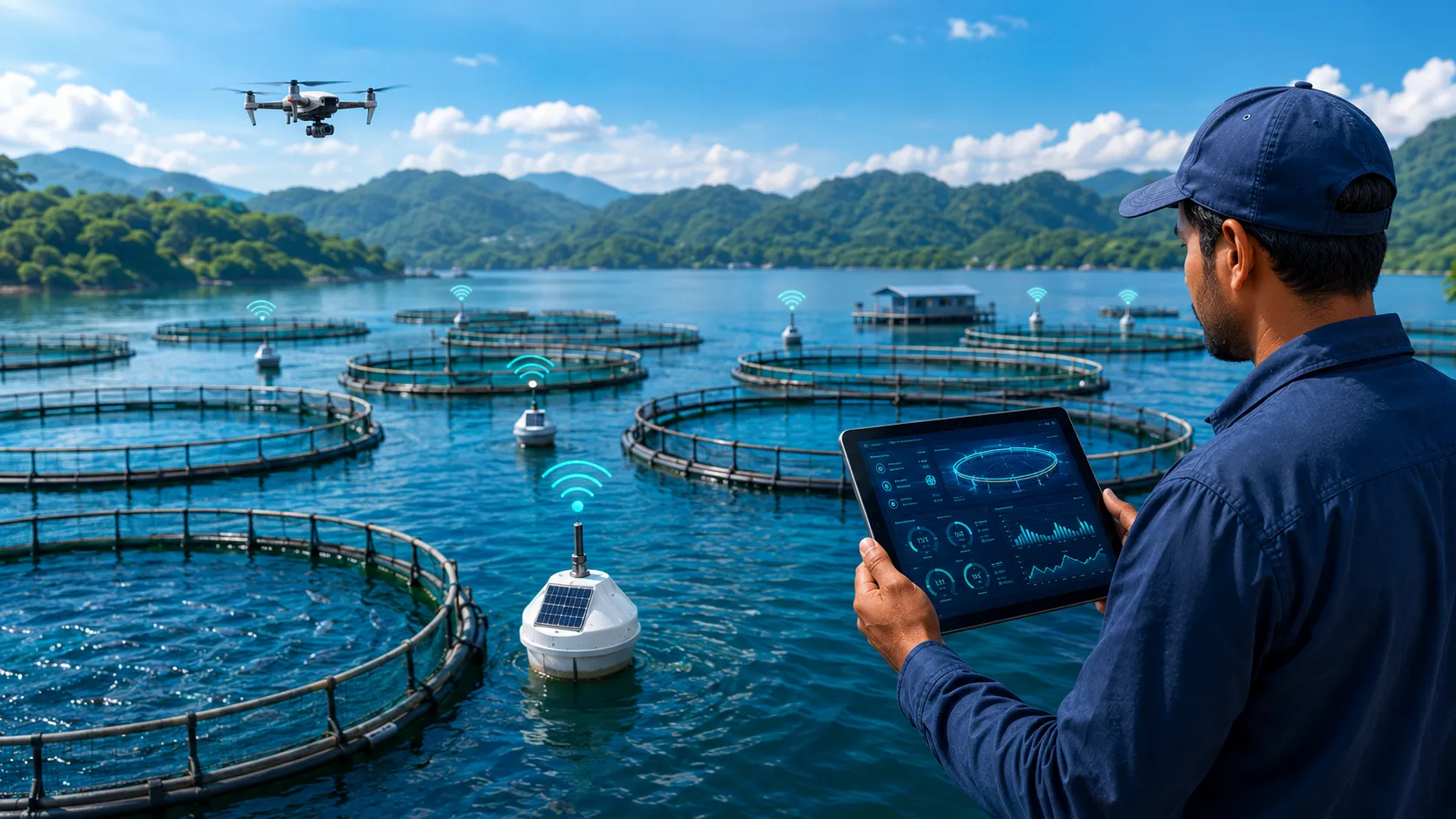
This broader movement recently gained stronger visibility after Peak XV Surge and HDFC Bank backed a startup building full-stack IoT aquaculture ecosystems, reflecting growing investor interest around connected technologies designed for fish farming and water-based production environments. Rather than approaching aquaculture through isolated products alone, newer businesses increasingly appear creating integrated ecosystems involving sensors, farm monitoring systems, analytics and operational support infrastructure. The investment itself increasingly appears significant because it suggests broader confidence around categories historically positioned outside highly visible startup conversations.
Viewed independently, the funding may initially appear like another early-stage agritech announcement. Viewed through a broader funding and market lens, however, it increasingly resembles a larger story involving how investors increasingly understand food systems, climate resilience and technology-driven productivity.
Investor Attention Increasingly Appears To Be Moving Toward Operational Ecosystems Rather Than Standalone Products
Historically, startup environments frequently rewarded products capable of attracting rapid user growth and highly visible market adoption. Businesses serving traditional sectors often received comparatively less attention because scaling physical ecosystems frequently involved greater operational complexity and longer implementation cycles.
Increasingly, however, investor priorities appear changing in meaningful ways. Technology itself increasingly seems being applied toward foundational sectors where operational improvements can create measurable outcomes. Aquaculture ecosystems frequently involve recurring challenges surrounding efficiency, environmental conditions and predictability. As a result, connected systems increasingly create opportunities extending beyond software itself and toward broader operational ecosystems.
This transition increasingly matters because infrastructure businesses frequently create value across multiple layers simultaneously. Once monitoring systems, analytics environments and operational frameworks become integrated into daily activity, entirely new service ecosystems frequently begin developing around them. The broader significance increasingly suggests technology opportunities increasingly emerge not only from digital behavior but also from sectors historically operating outside startup visibility.
Data And Sensors Increasingly Appear To Be Becoming Critical Infrastructure Inside Food Systems
Part of the significance surrounding IoT-led aquaculture ecosystems increasingly involves broader changes occurring around how food production itself evolves. Historically, farming environments frequently depended heavily upon observation, experience and localized knowledge because decision-making often relied on patterns built over time.
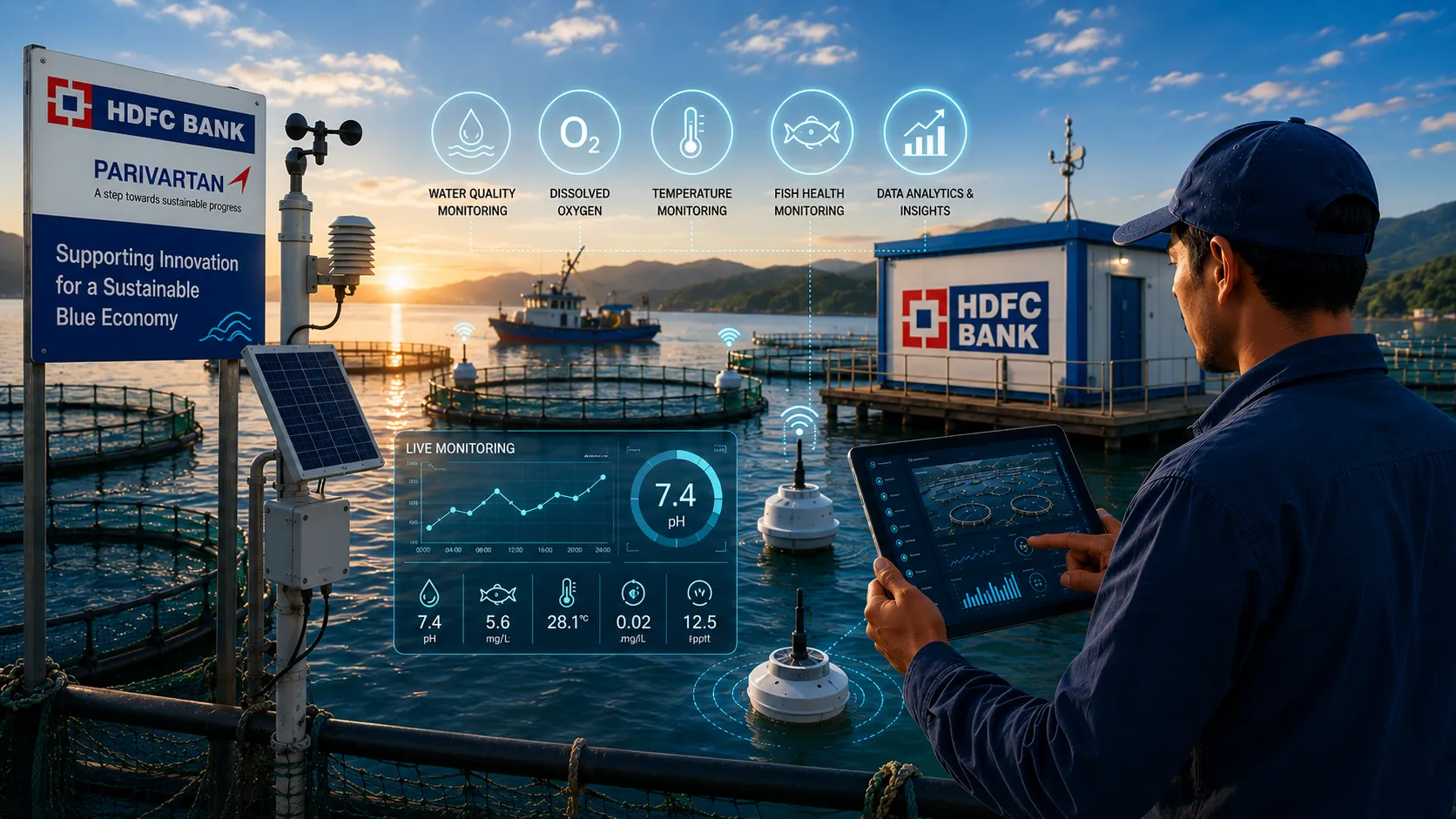
Increasingly, however, technology increasingly appears supplementing those environments through real-time visibility and measurable operational insights. Connected sensors increasingly allow monitoring around water quality, oxygen levels, environmental conditions and farm health metrics capable of influencing productivity outcomes. Rather than replacing traditional understanding, technology increasingly appears creating additional decision-support environments capable of improving consistency and efficiency.
This broader transition increasingly matters because food systems frequently become more resilient when visibility itself improves. Data increasingly allows operators to identify challenges earlier and respond more effectively. The broader significance increasingly suggests digital ecosystems increasingly create value not by replacing experience but by strengthening decision-making around it.
The Blue Economy Increasingly Appears To Be Entering Larger Investment Conversations
Another important dimension emerging beneath this broader funding story increasingly involves changing assumptions surrounding the blue economy itself. Historically, sectors involving fisheries and water-based production frequently operated outside larger technology narratives despite supporting substantial economic activity across multiple regions.
Increasingly, however, investors increasingly appear viewing these sectors differently. Food security discussions, sustainability conversations and broader concerns surrounding resource efficiency increasingly continue influencing where capital itself moves. Aquaculture increasingly appears entering environments where operational improvement and long-term sustainability frequently intersect.
This broader transition increasingly matters because industries often change once capital begins recognizing overlooked infrastructure opportunities. The broader significance increasingly suggests the next phase of startup growth may increasingly involve applying technology to sectors historically viewed as traditional rather than digital.
From Fish Farms To Financial Confidence, A Different Startup Narrative Is Emerging
The broader significance surrounding this investment may ultimately involve what it reveals regarding how startup ecosystems increasingly evolve. Historically, many sectors remained overlooked not because opportunities failed to exist but because those environments frequently lacked visibility within broader venture narratives.
Viewed through a broader lens, this funding story increasingly resembles more than another agritech announcement. It increasingly appears connected to larger realities involving food systems, operational intelligence and how technology increasingly enters sectors historically positioned outside mainstream innovation conversations.
The larger funding story therefore may not simply involve another investment round or another IoT startup attracting institutional attention. Increasingly, it may involve recognizing that some of tomorrow’s strongest startup opportunities may emerge from sectors that quietly support everyday life while technology gradually transforms how those ecosystems operate.