A Resource Story Once Confined To Mining Circles Is Rapidly Becoming A Global Capital Story
For years, conversations surrounding global investment frequently revolved around sectors such as technology, energy, financial markets and consumer industries. Mining and raw-material discussions often remained comparatively distant from mainstream investment narratives because they were frequently viewed as traditional industries operating through long development cycles and commodity-driven economics. While minerals undoubtedly remained important for industrial activity, they rarely occupied the center of broader public conversations involving future growth and strategic investment.
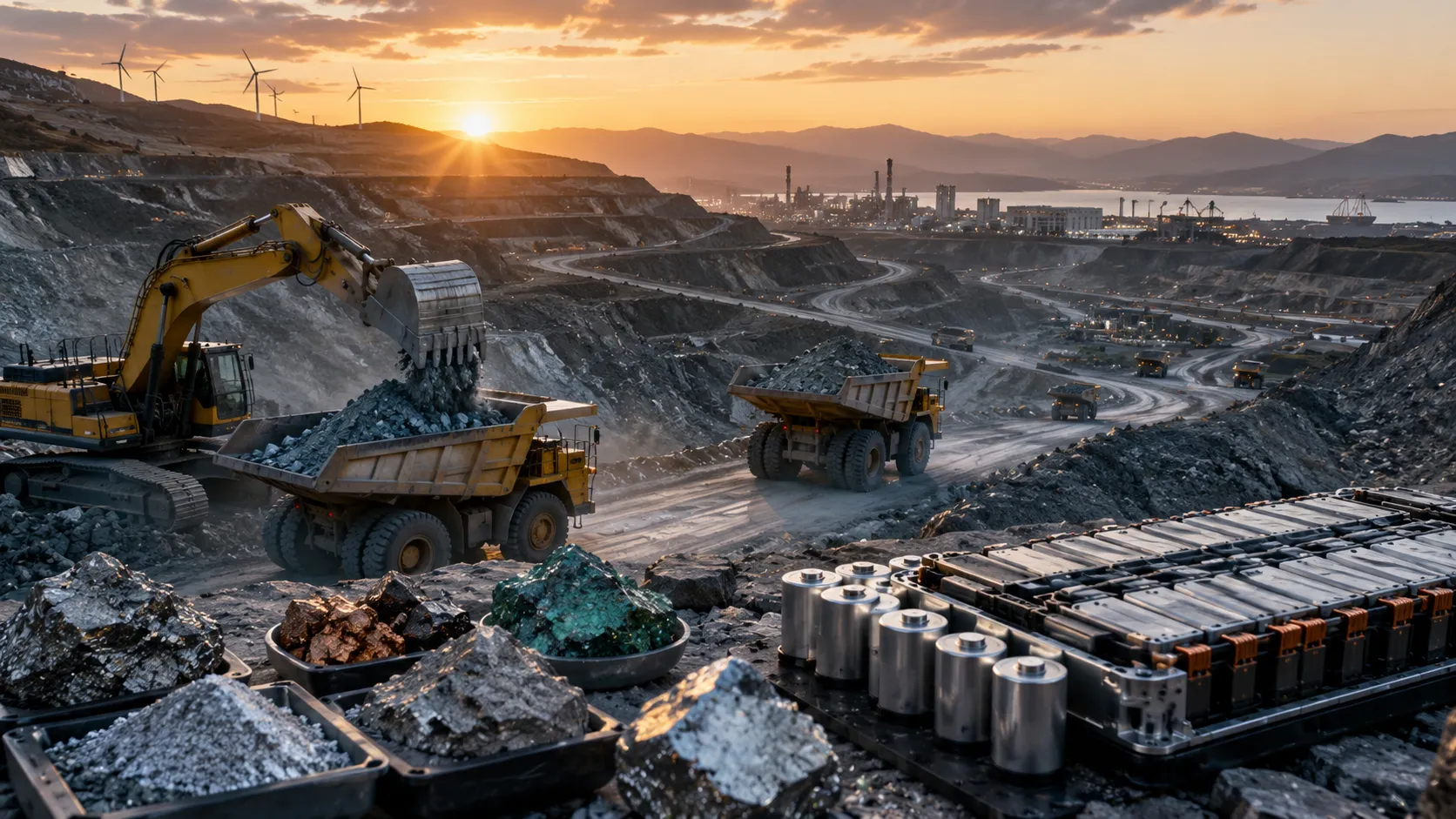
Over recent years, however, that dynamic increasingly appears to be changing. A category once largely discussed inside industrial and geological circles has steadily moved toward the center of global economic strategy: critical minerals. Materials such as lithium, cobalt, nickel, graphite, rare earth elements and copper increasingly appear central to conversations involving electric vehicles, batteries, renewable-energy infrastructure, semiconductor ecosystems and advanced technologies. What initially looked like a resource discussion increasingly resembles a larger competition involving industrial capability, energy transition ambitions and long-term geopolitical positioning.
This shift increasingly matters because modern economies continue becoming more dependent on technologies requiring highly specialized material inputs. Electric mobility systems require battery materials. Renewable-energy infrastructure depends on mineral-intensive components. Semiconductor ecosystems increasingly rely on specialized supply environments. As countries accelerate ambitions involving energy transitions and industrial modernization, the importance of securing access to critical materials increasingly appears difficult to ignore.
Recent global developments increasingly reflect the scale of this transition. Governments, sovereign wealth funds, mining companies and institutional investors continue expanding investment strategies involving critical-mineral assets and supply ecosystems. Several countries increasingly introduced policy initiatives and strategic frameworks designed around strengthening mineral security because future industries increasingly seem dependent on long-term access. What appears on the surface as commodity activity increasingly resembles one of the world’s most significant infrastructure and investment stories.
Energy Transitions Increasingly Appear To Be Reshaping Global Investment Priorities
Part of the significance surrounding critical minerals involves broader changes taking place across energy systems globally. Over the last decade, climate commitments, clean-energy goals and industrial decarbonization strategies increasingly influenced government policy and private-sector planning.
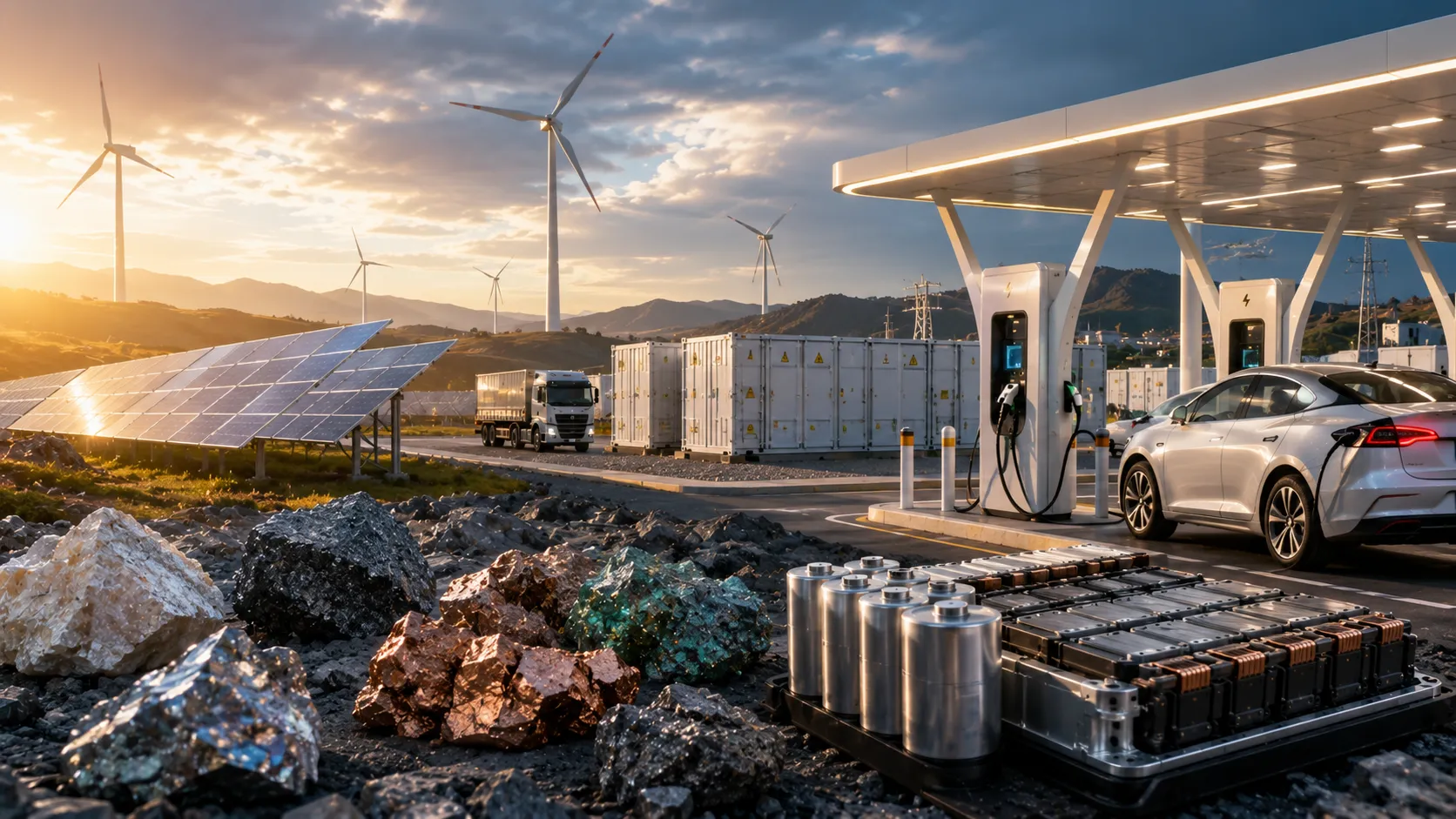
Historically, energy discussions frequently centered around fuel systems and electricity generation itself. Increasingly, however, transitions involving electric vehicles, battery storage and renewable infrastructure appear creating entirely different material requirements beneath the surface.Electric vehicles increasingly require substantial quantities of lithium, nickel and cobalt. Battery systems depend heavily on mineral supply chains. Wind infrastructure and advanced technologies frequently rely on rare earth materials capable of supporting manufacturing systems at scale.
This broader transition increasingly suggests that future energy systems may depend not simply on technological innovation but also on access to foundational materials supporting those technologies.
Governments Increasingly Appear To Be Treating Mineral Access As Strategic Infrastructure
Historically, commodity access frequently operated primarily through commercial relationships and international trade systems. Increasingly, however, critical minerals appear entering conversations involving national strategy and economic resilience.
Recent years increasingly witnessed countries introducing policy initiatives, partnerships and international agreements intended to strengthen mineral supply chains. Governments across the United States, Europe, India, Australia and multiple Asian economies increasingly appear concerned regarding concentration risks surrounding global supply environments.
Part of that concern involves geography itself.
Several critical-mineral categories remain concentrated across limited regions and supply ecosystems. Processing environments for certain materials frequently remain highly centralized, creating broader concerns surrounding supply-chain resilience and future industrial dependence.
As a result, governments increasingly appear treating mineral access not simply as a trade discussion but as infrastructure planning itself.
This shift increasingly matters because industrial competitiveness increasingly seems linked not only to technology development but also to access surrounding the resources supporting those technologies.
Capital Flows Increasingly Suggest Investors Are Looking Beyond Traditional Mining Narratives
Another important dimension surrounding this story increasingly involves how investors themselves increasingly appear approaching mineral ecosystems.
Historically, mining frequently operated through cycles associated heavily with commodity prices and industrial demand fluctuations. Increasingly, however, investment environments surrounding critical minerals appear driven by broader assumptions involving long-term structural demand.
Recent years increasingly saw substantial investment activity involving mining projects, refining ecosystems and strategic partnerships designed around future supply capacity. Institutional investors, industrial groups and sovereign funds increasingly continue deploying capital toward environments linked to battery ecosystems and advanced manufacturing infrastructure.Importantly, these investments frequently involve assumptions extending beyond immediate commodity cycles.
Investors increasingly appear evaluating how electric mobility systems, energy transitions and industrial modernization may influence mineral demand over decades rather than years.The broader transition increasingly suggests critical minerals increasingly operate less like conventional commodity stories and more like long-term infrastructure opportunities.
The Larger Story Increasingly Extends Beyond Mining Alone
The broader significance surrounding critical minerals may ultimately involve what they reveal regarding how future economies increasingly organize themselves.Historically, economic competition frequently revolved around labor, manufacturing and industrial capability. Increasingly, however, future competitiveness appears connected to securing systems supporting emerging technologies and energy environments.
Viewed through that broader lens, current developments increasingly resemble more than resource competition. They increasingly appear connected to larger questions involving industrial resilience, energy transitions and strategic capability.The larger investment story therefore may not simply involve extracting more minerals from the ground. Increasingly, it may involve understanding that future economic systems increasingly depend on supply environments operating quietly beneath the technologies people interact with every day.Because the race for future industries increasingly seems connected not only to who builds technologies.But also to who controls the materials beneath them.