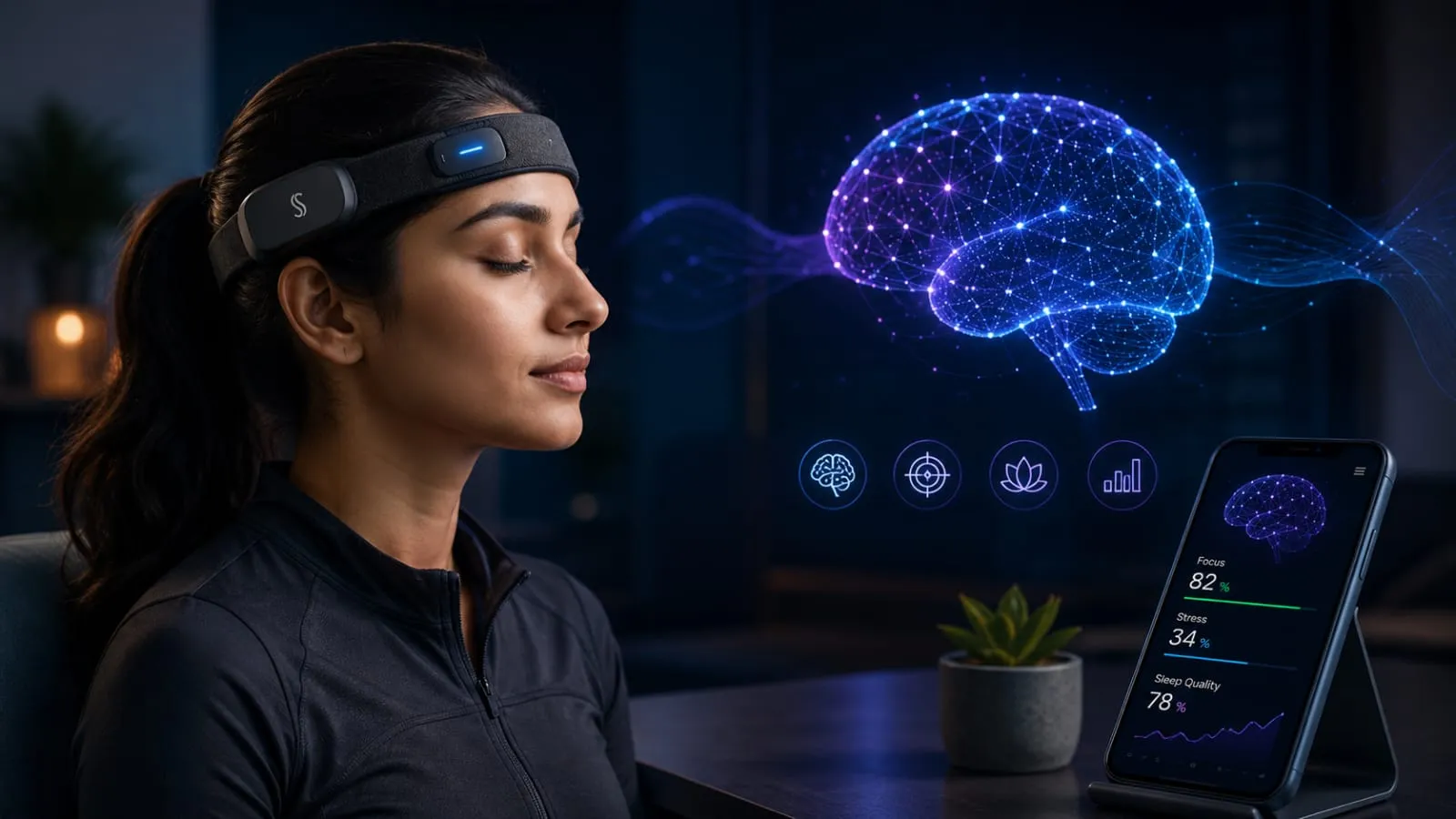
AI-Powered Brain-Tech Startups Are Beginning To Attract Investor Interest, Suggesting That Human Performance And Cognitive Technology Could Become The Next Frontier Of Consumer Innovation
For years, most technology funding in India flowed toward relatively familiar categories.
Investors focused on fintech, e-commerce, SaaS, logistics and consumer internet platforms because these sectors offered large markets, clear monetization opportunities and proven growth models. Even as deep-tech investment expanded into artificial intelligence, robotics and climate technology, categories involving the human brain remained largely absent from mainstream startup conversations. Brain-computer interfaces, cognitive enhancement technologies and neurotech products often felt more like research projects than venture-backed businesses.
That perception is beginning to change.
Startup Sychedelic recently attracted funding for its AI-powered neurotech wearable platform, drawing attention to one of the most unusual emerging categories within India’s startup ecosystem. While still early-stage, the company reflects growing interest in technologies that combine artificial intelligence, neuroscience and wearable devices to better understand, measure and potentially improve aspects of human performance.
The development is significant because neurotechnology has traditionally remained confined to laboratories, universities and advanced healthcare settings.
For decades, brain-related technologies were largely associated with medical diagnostics, neurological research and highly specialized clinical applications because the science itself was complex and difficult to commercialize. Consumer markets rarely interacted with neurotechnology directly. Advances in sensors, wearable hardware, AI-driven analytics and digital health platforms are now making it possible for startups to bring aspects of neuroscience into everyday products.
That shift mirrors what happened in fitness technology.
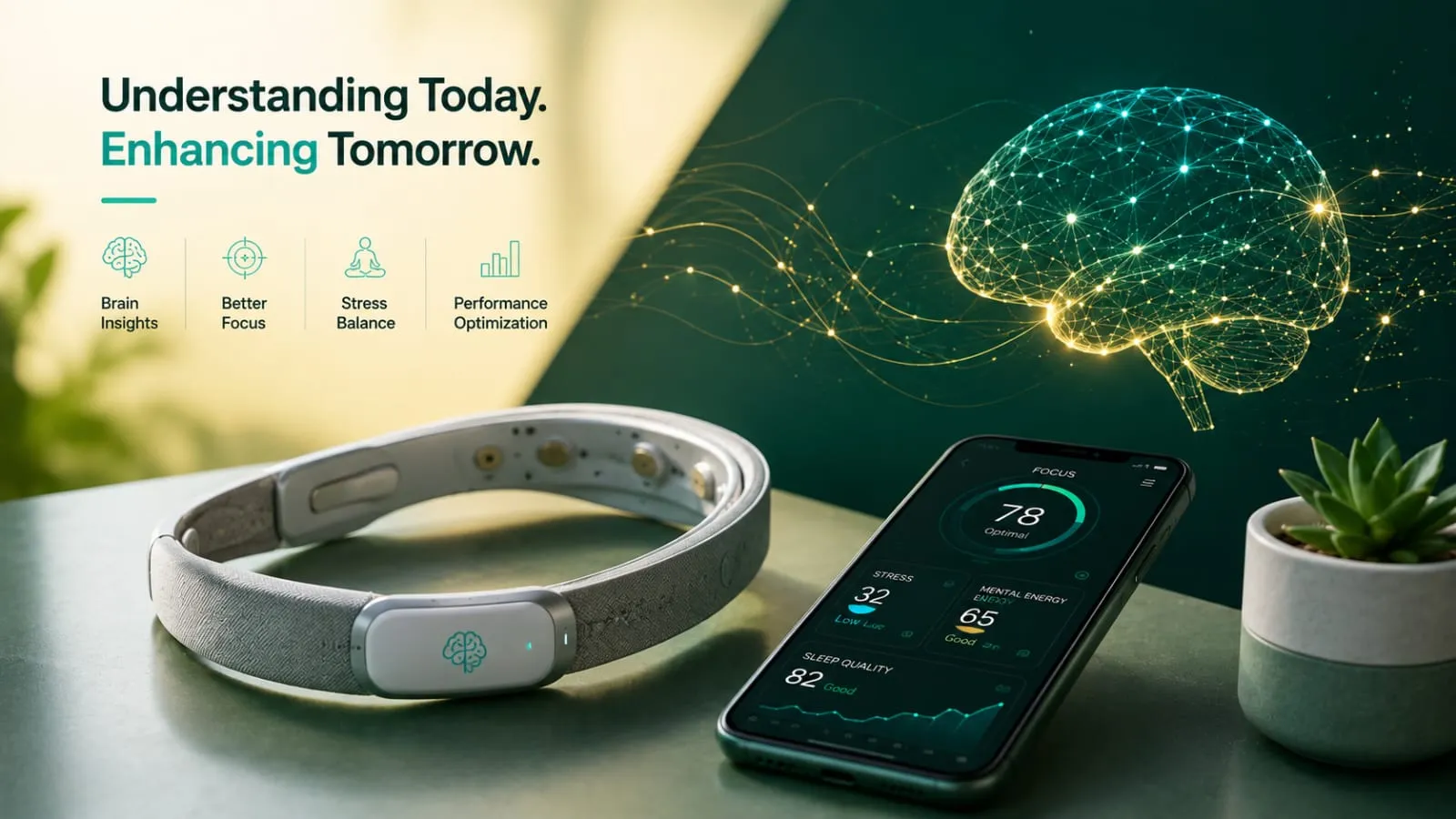
A generation ago, consumers had limited access to detailed information about physical activity, sleep quality or cardiovascular performance because tracking tools were either unavailable or expensive. Wearable devices transformed that landscape by making health data accessible and actionable. Neurotech startups are attempting something similar for cognitive performance, attention, stress management and mental well-being by translating complex biological signals into usable consumer insights.
Artificial intelligence plays a central role in making this possible.
Brain activity generates enormous amounts of data that would be difficult to interpret without advanced analytical systems because neurological signals are highly complex and often context-dependent. AI allows startups to process these patterns, identify meaningful trends and provide personalized feedback at a scale that was previously impractical. This convergence of AI and neuroscience is creating entirely new possibilities for consumer-facing products.
The category is attracting attention because modern consumers increasingly prioritize optimization.
Fitness, productivity, sleep quality and mental performance have become major areas of interest because people are looking for ways to improve daily functioning in increasingly demanding environments. As health technology expands beyond physical wellness, companies are exploring whether similar approaches can be applied to focus, cognitive efficiency, stress management and overall mental performance.
Investors are beginning to see potential in this trend.
The global neurotechnology market remains relatively small compared to sectors like fintech or enterprise software, but it sits at the intersection of several powerful themes including artificial intelligence, wearable technology, digital health and personalized wellness. Venture capital firms often pay attention to categories where multiple innovation trends converge because such intersections can create entirely new markets over time.
India’s growing health-tech ecosystem creates additional momentum.
The country has already seen significant innovation around telemedicine, diagnostics, preventive healthcare and wellness platforms because consumers are becoming more proactive about health management. Neurotech represents a natural extension of that evolution. Rather than focusing solely on physical health, startups are increasingly exploring technologies designed to support cognitive and mental performance as well.
Of course, the category remains highly experimental.
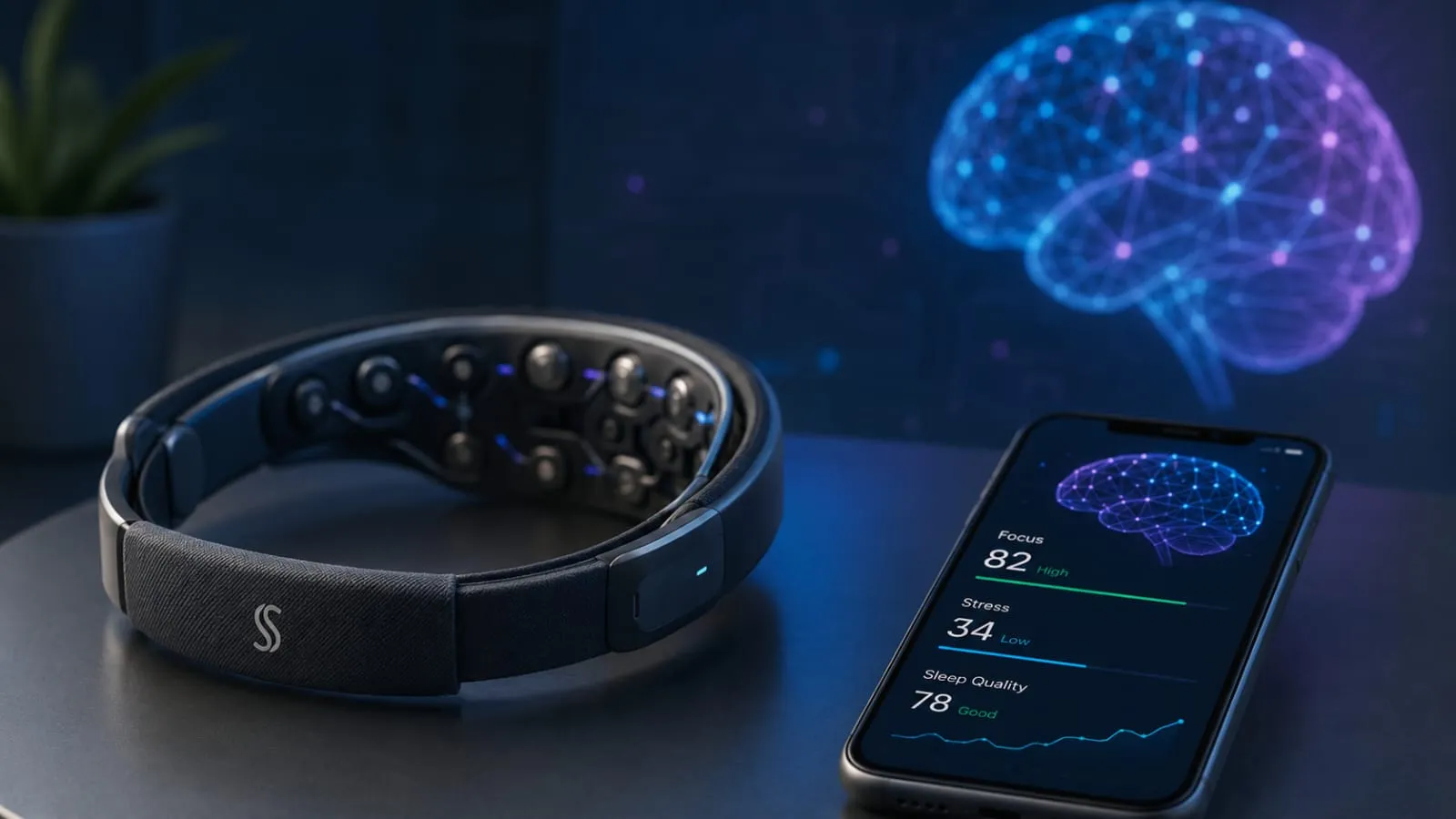
Unlike fitness tracking or basic health monitoring, neurotechnology operates within a far more complex scientific environment because the brain remains one of the least understood systems in human biology. Consumer adoption, scientific validation and regulatory considerations will all play important roles in determining whether neurotech evolves into a mainstream market. Many startups entering the space will face significant technological and commercial challenges.
Yet that uncertainty is precisely what makes investors curious.
Historically, some of the most transformative technology categories began as niche experiments that appeared unconventional at first. Smartphones, wearable devices and consumer AI applications all faced skepticism before eventually reaching broader markets. Neurotech today occupies a similar position, where early experimentation may eventually create entirely new forms of consumer interaction with technology.
What makes Sychedelic’s funding notable is not simply the capital raised.
It is the fact that investors are increasingly willing to explore technologies focused on understanding and enhancing human performance itself. That represents a significant shift in how innovation is being defined within India’s startup ecosystem.Because the next frontier of technology may not only involve smarter devices or better software.