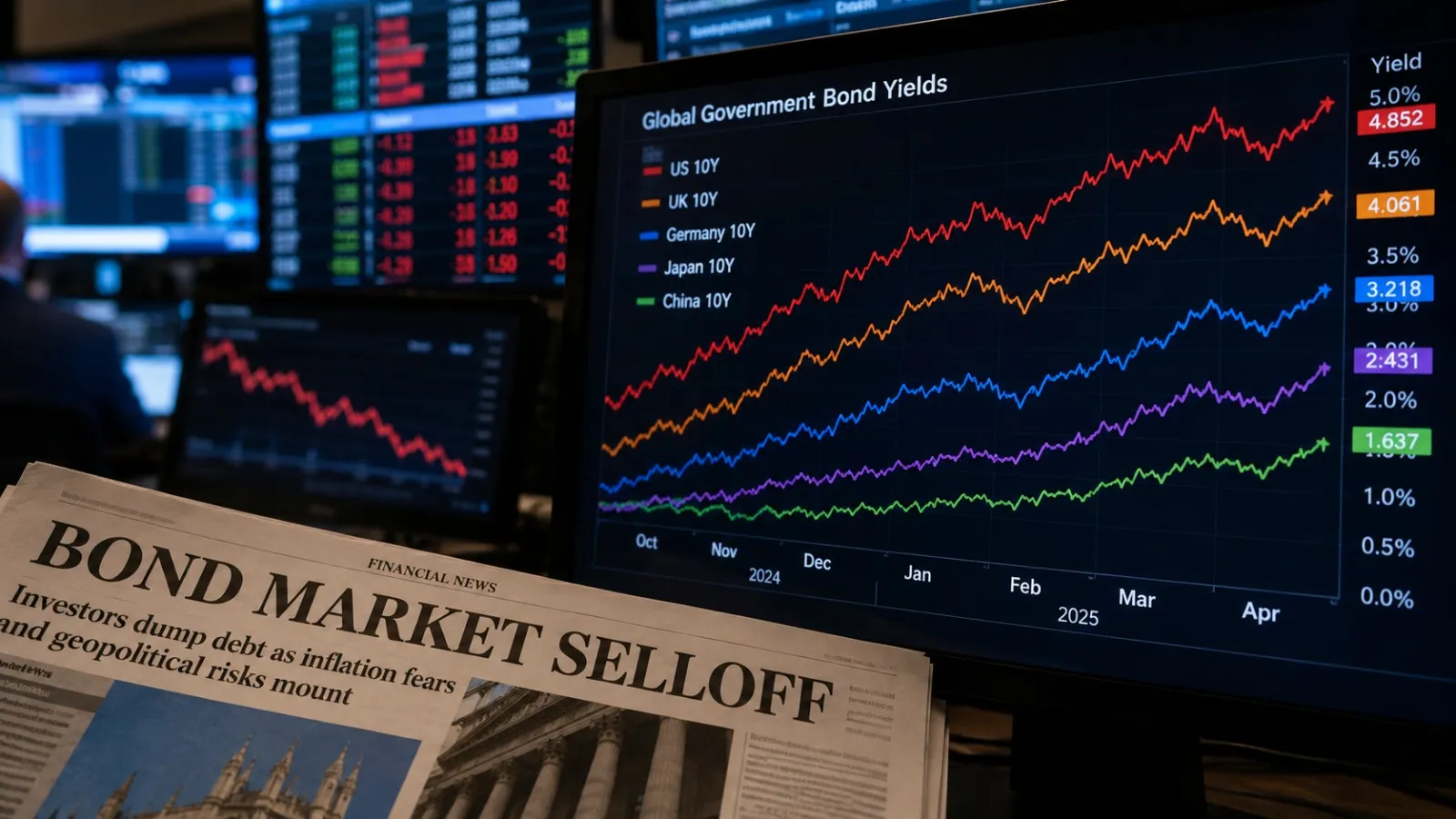
For much of the past two years, the venture capital industry has operated under a different set of rules. Capital has become harder to access, investors have slowed decision-making and startup funding across sectors has become increasingly concentrated around a smaller group of companies. Yet amid this broader market reset, climate technology continues to remain one of the few sectors retaining investor attention although the way capital is moving through the industry is beginning to change.
The shift is not necessarily about declining interest. Instead, investors appear to be changing how they deploy money. Rather than spreading investments across a broad set of early-stage startups, funding is increasingly moving toward fewer companies with stronger commercial signals, clearer pathways to scale and technologies viewed as strategically important. Recent industry data suggests climate-tech investment globally showed signs of recovery, but deal activity became more concentrated. Larger funding rounds increased while overall deal counts declined.
Market reports indicate worldwide climate-tech venture and growth investment reached approximately $40.5 billion, signaling a modest rebound after a prolonged slowdown across startup markets. However, beneath that headline figure lies a different trend. Investors are increasingly writing larger cheques while backing fewer companies. Growth-stage investments strengthened considerably, while seed and Series A activity softened as investors introduced stricter evaluation standards and placed greater emphasis on execution.
Across venture markets, a more disciplined funding environment has emerged. Founders are increasingly expected to demonstrate stronger business fundamentals, measurable customer traction and realistic commercialization pathways. In climate technology, where long product development cycles and infrastructure requirements often demand substantial capital, those expectations have become even more pronounced. Investors that once focused heavily on long-term sustainability narratives are now placing equal weight on revenue visibility, deployment potential and scalability.
That evolution is reshaping where climate capital is flowing. Areas linked to energy infrastructure, industrial decarbonization, battery technologies, carbon management systems, climate resilience tools and AI-enabled efficiency platforms continue attracting investor attention. Technologies solving immediate business challenges alongside environmental objectives appear to be gaining stronger traction than broader sustainability-led concepts alone.
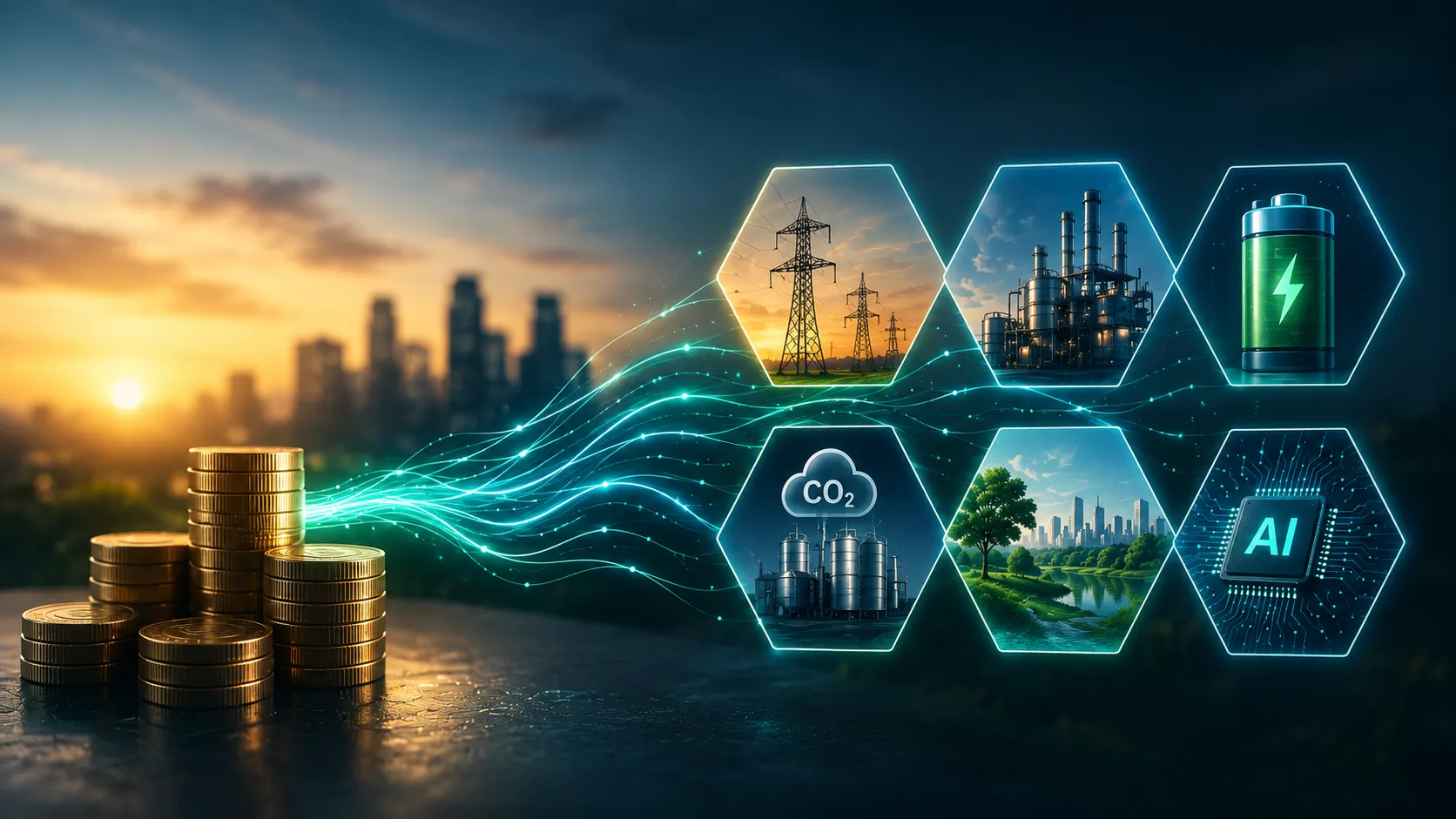
Investment activity is also becoming increasingly concentrated around infrastructure-heavy sectors. Climate solutions connected to grid modernization, power systems and industrial efficiency are receiving renewed attention as governments and corporations continue accelerating long-term energy transition strategies. Industry participants suggest that sectors capable of demonstrating immediate operational value are attracting stronger investor conviction.
Artificial intelligence is beginning to influence capital deployment patterns as well. Rapid growth in AI infrastructure globally has created additional demand for power systems and energy optimization technologies. As data centers expand and computing requirements increase, investors are increasingly paying attention to startups focused on resource efficiency, smart energy systems and next-generation infrastructure capable of supporting rising demand.
Several investors and climate-focused funds have described the current environment as a transition from experimentation toward execution. During earlier investment cycles, climate startups often benefited from enthusiasm surrounding emerging technologies and broad sustainability ambitions. Today, investors appear increasingly interested in businesses capable of demonstrating practical implementation and near-term market demand.
The funding environment itself reflects a broader recalibration rather than a retreat. Capital continues entering the sector, but investment decisions are becoming more selective and concentrated around technologies capable of proving resilience. Rather than stepping away from climate technology entirely, investors appear to be shifting toward businesses viewed as more defensible and commercially mature.
There are signs, however, that early-stage founders may face a more difficult environment. Venture participation across climate technology has softened from earlier highs, and some younger companies continue experiencing fundraising pressure amid changing policy conditions and greater investor caution. As a result, alternative capital sources including strategic investors, angel networks and specialized climate funds are beginning to play a larger role in supporting emerging startups.
The shift may also influence how future climate companies are built. Investors increasingly appear willing to support long-term technologies, but only when businesses can demonstrate stronger pathways toward commercialization. That dynamic could gradually reshape founder behavior, pushing companies toward earlier validation, faster deployment models and greater focus on operational metrics.For climate technology companies, the message emerging from current funding patterns appears increasingly clear: capital has not disappeared, but expectations have changed. Investors continue viewing climate technology as a long-term opportunity, particularly as governments and businesses invest further into energy transition and sustainability goals. The difference now is that funding decisions are becoming more selective, more concentrated and more closely tied to execution.
As venture markets continue adapting to a more disciplined environment, climate technology appears to be entering a different phase one driven less by broad narratives and increasingly by proof, performance and investor conviction.