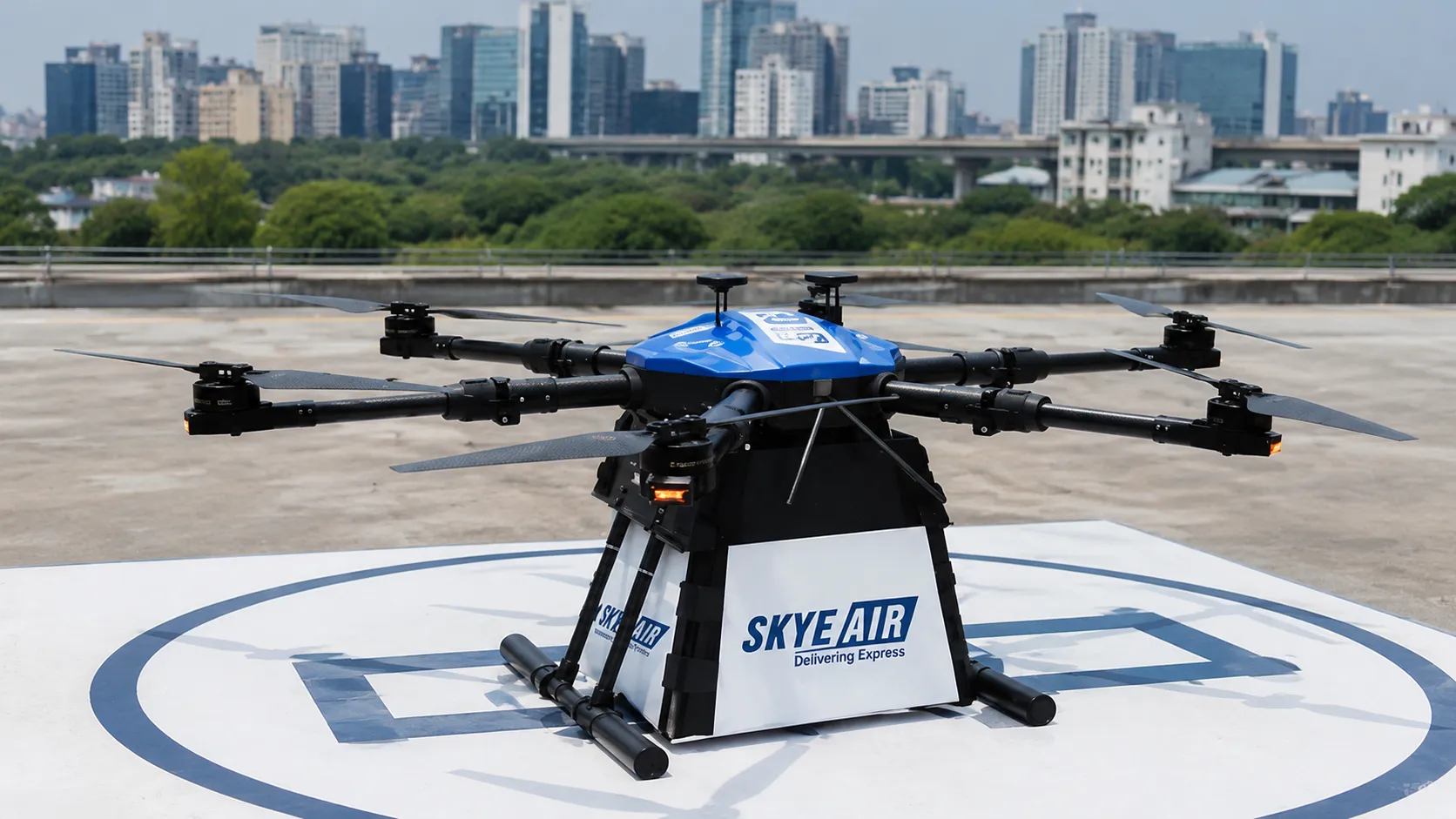
A Sector Once Viewed Primarily As Experimental Technology Is Beginning To Enter A More Commercial Phase
For years, conversations surrounding drone technology frequently operated through relatively narrow assumptions. Public imagination often associated drones with hobby use, photography or futuristic demonstrations because commercial applications frequently appeared distant from everyday economic systems. While logistics companies and technology businesses certainly explored possibilities involving autonomous delivery environments, many investors frequently viewed the category cautiously because large-scale deployment depended upon regulation, infrastructure and practical execution beyond technological capability alone.
Over recent years, however, another transition increasingly appears unfolding beneath India’s broader mobility and logistics ecosystem. Autonomous delivery systems increasingly seem moving beyond experimentation and entering conversations involving infrastructure, healthcare access and commercial operations. Drone businesses increasingly appear positioning themselves not merely as technology providers but as logistics platforms capable of serving industries involving medicine, e-commerce and critical delivery networks. What initially appeared like isolated pilot programs increasingly resembles a broader transition involving how transportation systems themselves may evolve.
This broader movement recently gained stronger visibility after Skye Air Mobility secured a multi-million-dollar funding round aimed at accelerating its autonomous logistics ecosystem and scaling drone-led delivery infrastructure. The company has increasingly focused on developing autonomous delivery corridors connecting healthcare systems, medical deliveries and broader e-commerce environments. Rather than positioning drones simply around technology demonstrations, Skye Air increasingly appears building operational networks designed around practical logistics applications. The investment itself increasingly signals that investors may now be evaluating drone ecosystems through infrastructure and commercial potential rather than technological novelty alone.
Viewed independently, Skye Air’s capital raise may initially appear like another mobility funding announcement. Viewed through a broader funding and market lens, however, it increasingly resembles a larger story involving how autonomous infrastructure itself may be entering a more commercially visible phase.
Investor Attention Increasingly Appears To Be Moving Beyond Products And Toward Infrastructure Systems
Historically, startup capital frequently concentrated around businesses building consumer-facing experiences because growth frequently became easier to measure through users and transactions. Emerging technologies involving drones often remained more difficult to evaluate because commercial deployment required regulation, operational reliability and supporting ecosystems capable of functioning at scale.
Increasingly, however, investor priorities appear shifting toward infrastructure categories capable of supporting broader economic systems. Autonomous delivery environments increasingly intersect with logistics, healthcare access and supply-chain efficiency simultaneously. As a result, investors increasingly appear recognizing that value frequently emerges not simply through products themselves but through the systems enabling movement, connectivity and service delivery.
This broader transition increasingly matters because infrastructure businesses often create value extending beyond immediate applications. Once operational networks become established, multiple industries frequently begin building services around them. The broader significance increasingly suggests future startup opportunities may increasingly emerge from environments operating beneath visible consumer experiences.
Healthcare And E-Commerce Increasingly Appear To Be Becoming Natural Testing Grounds
Part of the significance surrounding Skye Air’s expansion increasingly involves where deployment itself appears taking shape. Historically, many drone conversations frequently focused on technology capability rather than practical use cases because large-scale implementation frequently remained uncertain.
Increasingly, however, healthcare and e-commerce environments appear emerging as highly practical applications for autonomous delivery systems. Medical environments frequently require speed and reliability involving medicines, diagnostics and urgent supplies. Simultaneously, e-commerce ecosystems increasingly continue exploring faster and more efficient delivery structures capable of reducing logistical friction.
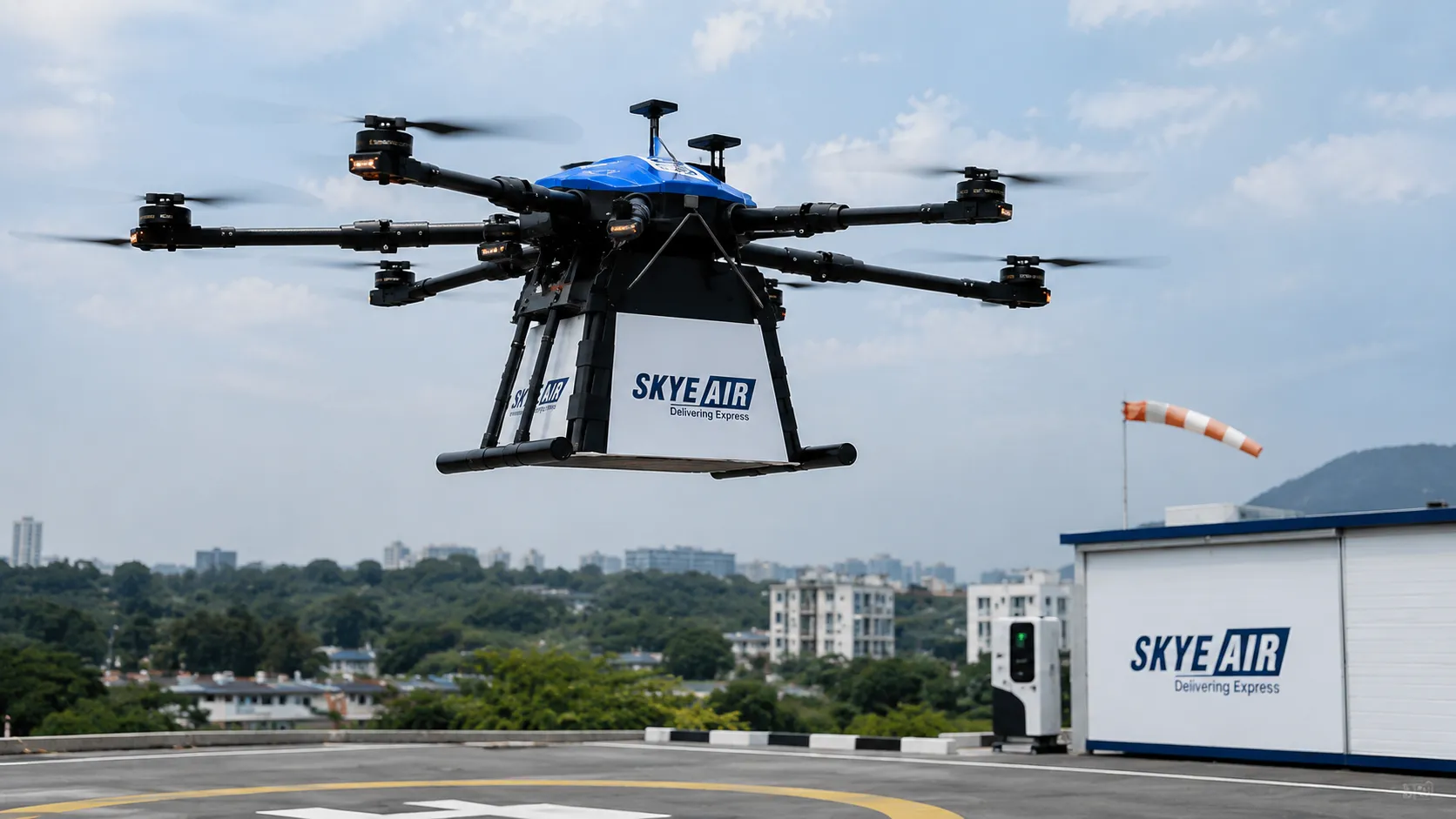
This transition increasingly matters because technologies frequently become commercially meaningful when they solve visible operational problems. Healthcare systems and logistics environments frequently provide those opportunities because efficiency directly influences outcomes involving cost, access and service delivery.
The broader significance increasingly suggests autonomous systems may increasingly evolve not through futuristic narratives but through highly practical use cases integrated into everyday infrastructure.
Autonomous Mobility Increasingly Appears To Be Entering A Different Investment Phase
Another important dimension emerging beneath Skye Air’s latest raise increasingly involves changing assumptions surrounding autonomous technologies themselves. Historically, autonomous systems frequently attracted attention because of long-term possibility rather than immediate practicality. Investors often approached these categories through speculative frameworks because commercial timelines frequently remained uncertain.
Increasingly, however, funding activity appears reflecting stronger confidence around deployable environments and measurable use cases. Companies increasingly seem focusing on operational systems rather than experimentation alone. As regulatory environments continue evolving and deployment environments become more mature, autonomous technologies increasingly appear moving closer toward becoming service ecosystems rather than technology concepts.
This transition increasingly matters because categories often change once practical deployment begins replacing demonstration activity. The broader significance increasingly suggests investor confidence increasingly follows environments where technology intersects with visible economic utility.
The Larger Story Increasingly Extends Beyond One Funding Round Alone
The broader significance surrounding Skye Air’s capital raise may ultimately involve what it reveals regarding how logistics and infrastructure themselves increasingly evolve. Historically, transportation systems frequently changed gradually because infrastructure often required long timelines and significant coordination before broader adoption became visible.
Viewed through a broader lens, however, Skye Air’s funding story increasingly resembles more than another mobility announcement. It increasingly appears connected to larger realities involving healthcare access, logistics efficiency and how autonomous systems increasingly integrate into everyday economic environments.
The larger funding story therefore may not simply involve another multi-million-dollar investment or another drone startup attracting investor attention. Increasingly, it may involve recognizing that some of tomorrow’s most important infrastructure systems may operate quietly above cities and communities while supporting movement, access and delivery in ways people gradually begin treating as ordinary.