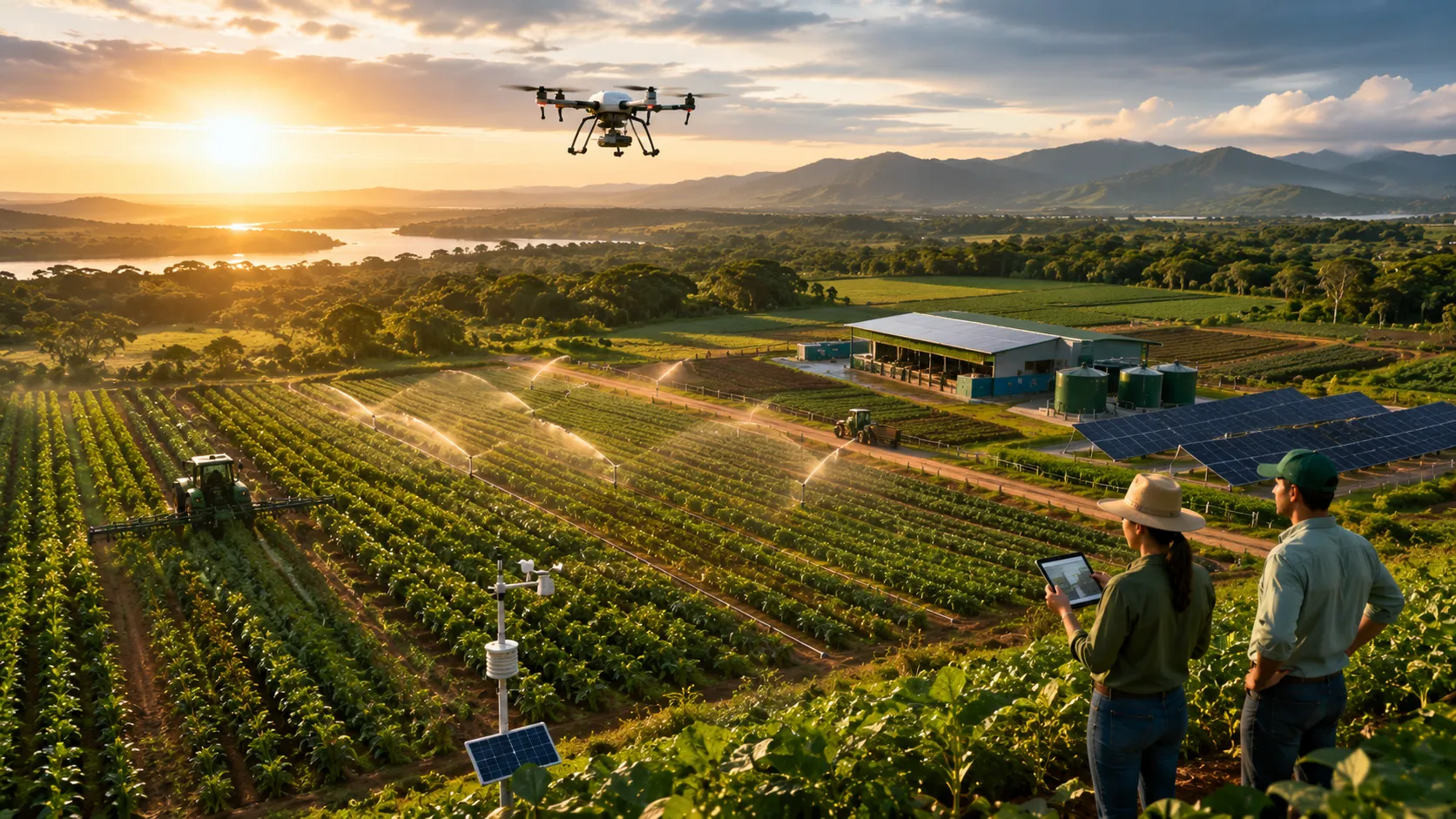
A Climate Investment Story Once Centered Around Energy Is Beginning To Move Closer To Farms And Food Systems
For years, climate-tech investment discussions across global markets frequently followed a familiar direction. Capital flowed heavily toward electric mobility, renewable energy infrastructure and carbon-reduction technologies designed around accelerating broader climate transitions. Solar projects, battery ecosystems and clean-energy platforms often occupied the center of climate funding conversations because investors increasingly viewed these sectors as immediate opportunities capable of delivering both commercial growth and environmental impact.
In Brazil, however, a different investment narrative increasingly appears to be developing beneath the surface. While renewable energy and environmental initiatives continue attracting significant attention, climate-focused capital increasingly seems expanding toward agriculture, food systems and long-term resilience infrastructure. What initially appeared like separate discussions involving farming, food production and climate adaptation increasingly seem converging into a larger investment category.
The shift itself reflects broader realities surrounding Brazil’s economic structure. Agriculture occupies a central position within the country’s economy and global identity. Brazil remains one of the world’s largest exporters of soybeans, coffee, sugar, beef and multiple agricultural commodities. Yet climate variability increasingly creates visible pressures surrounding crop productivity, water systems and long-term food resilience. As weather conditions become more unpredictable and environmental pressures intensify, investors increasingly appear viewing agricultural adaptation not simply as a sustainability discussion but as a major funding opportunity capable of influencing future food systems at scale.
Viewed independently, agricultural innovation may initially appear like a niche climate category. Viewed through a broader funding lens, however, another story increasingly becomes visible. Climate investment itself increasingly appears moving beyond emissions reduction and entering sectors directly connected to food security and long-term agricultural resilience.
Investors Increasingly Appear To Be Viewing Agriculture As Climate Infrastructure
Historically, agriculture and climate investment frequently operated through separate narratives. Farming discussions often centered around productivity and output, while climate conversations focused more heavily on emissions targets and environmental commitments. Increasingly, however, those boundaries appear becoming less distinct.
Climate pressures increasingly influence agriculture directly through changing rainfall patterns, prolonged drought periods and shifting environmental conditions capable of affecting production systems. As a result, agricultural resilience increasingly appears becoming part of broader climate strategy itself. Investors increasingly seem recognizing that future climate adaptation may depend not only on cleaner energy systems but also on stronger food ecosystems capable of operating under more uncertain environmental conditions.
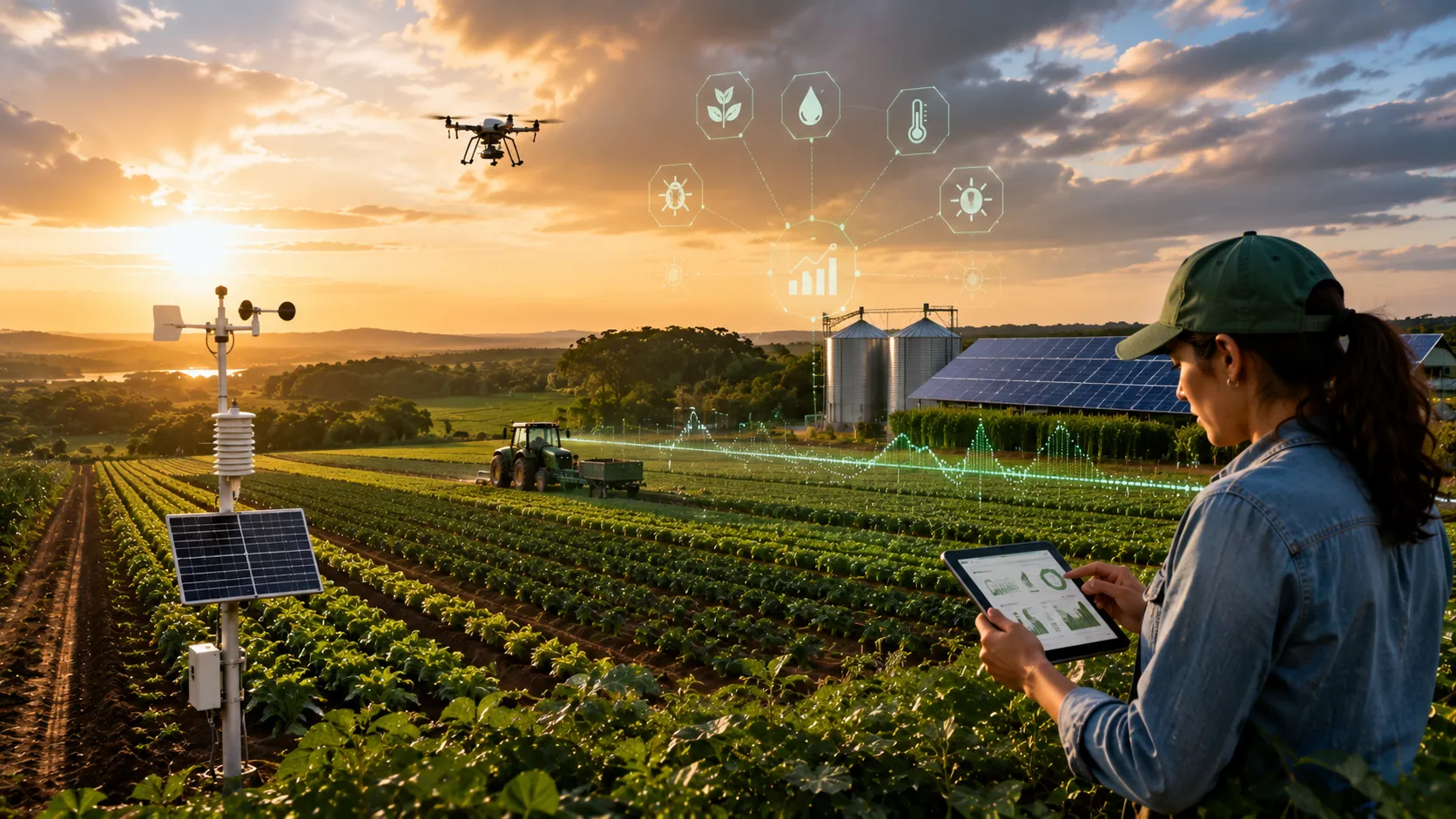
This shift increasingly appears visible through growing interest involving precision agriculture systems, regenerative farming environments, biological inputs and technologies designed around improving efficiency while reducing environmental strain. Reports surrounding Brazil’s sustainability and agricultural ecosystems increasingly indicate stronger institutional support and financing activity connected to climate-linked agricultural innovation. Public development institutions including BNDES have also expanded financing support around sustainable agriculture and environmental initiatives.
The broader movement increasingly suggests agriculture itself may be entering a new phase where farming systems are increasingly treated as strategic climate assets rather than traditional production sectors alone.
Food Security Increasingly Appears To Be Influencing Climate Funding Decisions
Another important factor increasingly shaping this transition involves changing assumptions surrounding food security itself.
Historically, food-security discussions frequently emerged through humanitarian frameworks involving supply shortages or affordability concerns. Increasingly, however, global institutions and investors appear approaching food resilience through broader economic and infrastructure perspectives.
Climate disruptions frequently influence food systems in multiple ways simultaneously. Agricultural output, supply chains, pricing environments and resource availability often become interconnected. As environmental volatility increases, food systems increasingly appear vulnerable to pressures capable of influencing both local communities and broader economic environments.
This increasingly matters because food security itself now appears closely linked with resilience planning.
International organizations and climate-focused institutions increasingly continue emphasizing agricultural innovation and food-system resilience as central components within larger climate strategies. Observers increasingly note that funding around agrifood systems remains significantly below required levels despite the sector’s importance in addressing both climate adaptation and long-term food resilience.
The broader implication increasingly suggests investors may be looking beyond immediate climate technologies and toward systems capable of influencing long-term stability itself.
Brazil Increasingly Appears Positioned As A Testing Ground For Climate And Agriculture Convergence
Part of Brazil’s significance within this story increasingly involves scale.
Few countries operate at the intersection of agriculture, biodiversity and climate as visibly as Brazil. The country’s ecosystems frequently influence conversations involving environmental conservation, food production and climate resilience simultaneously. This creates conditions where agricultural technology, climate innovation and environmental strategy increasingly overlap.
Recent funding initiatives and sustainability programs increasingly suggest broader institutional interest around solutions capable of improving resilience across food systems and agricultural environments. Climate-oriented financing discussions increasingly involve restoration projects, regenerative systems and agricultural technologies designed around long-term environmental adaptation. International funding ecosystems increasingly continue participating alongside domestic institutions.
The significance increasingly extends beyond startup activity itself.
Because Brazil increasingly appears positioned not only as an agricultural producer but also as a market where future climate and food-system models may increasingly be tested.
The Larger Story Increasingly Extends Beyond Climate-Tech Alone
The broader significance surrounding Brazil’s evolving climate-tech funding landscape may ultimately involve what it reveals regarding how climate investment itself appears changing.
Historically, climate capital frequently concentrated around energy transitions because decarbonization often represented the most visible opportunity. Increasingly, however, broader thinking appears emerging around resilience itself. Food systems, agriculture and environmental adaptation increasingly seem moving closer toward the center of funding conversations.
Viewed through that broader lens, Brazil’s climate-tech story increasingly resembles more than a regional investment trend. It increasingly appears connected to changing assumptions involving where future climate opportunities may emerge and how investors increasingly define long-term impact.
The larger funding story therefore may not simply involve climate startups or sustainability initiatives. Increasingly, it may involve recognizing that future climate resilience may depend as much on food systems and agricultural adaptation as it does on energy transitions themselves.