For much of the second half of July, the story of the Indian rupee was one of accumulating pressure rather than relief. In the days leading up to the sharp single-session rebound the currency would eventually stage on July 27, the rupee had been steadily grinding weaker, slipping toward the 96.50 level against the US dollar and, at various points through the month, touching levels as weak as 96.52 to 96.80 per dollar — a trajectory shaped by a specific combination of global energy market disruptions, geopolitical tensions, and shifting expectations around US monetary policy that together created one of the more challenging stretches for the currency in recent months.
The single most significant driver of this pressure was the trajectory of global crude oil prices, which rose sharply amid a combination of renewed US-Iran tensions and the closure of a key Red Sea shipping chokepoint — a disruption to one of the world's most strategically important maritime trade routes that immediately raised concerns about the cost and reliability of global oil shipments, given how much seaborne crude and refined product trade transits through the broader Red Sea and Persian Gulf shipping corridors. For India, which imports the overwhelming majority of its crude oil requirements, any sustained rise in global crude prices translates fairly directly into a larger import bill, which in turn places direct downward pressure on the rupee, since Indian importers must purchase larger quantities of foreign currency, typically US dollars, to settle their oil purchase obligations.

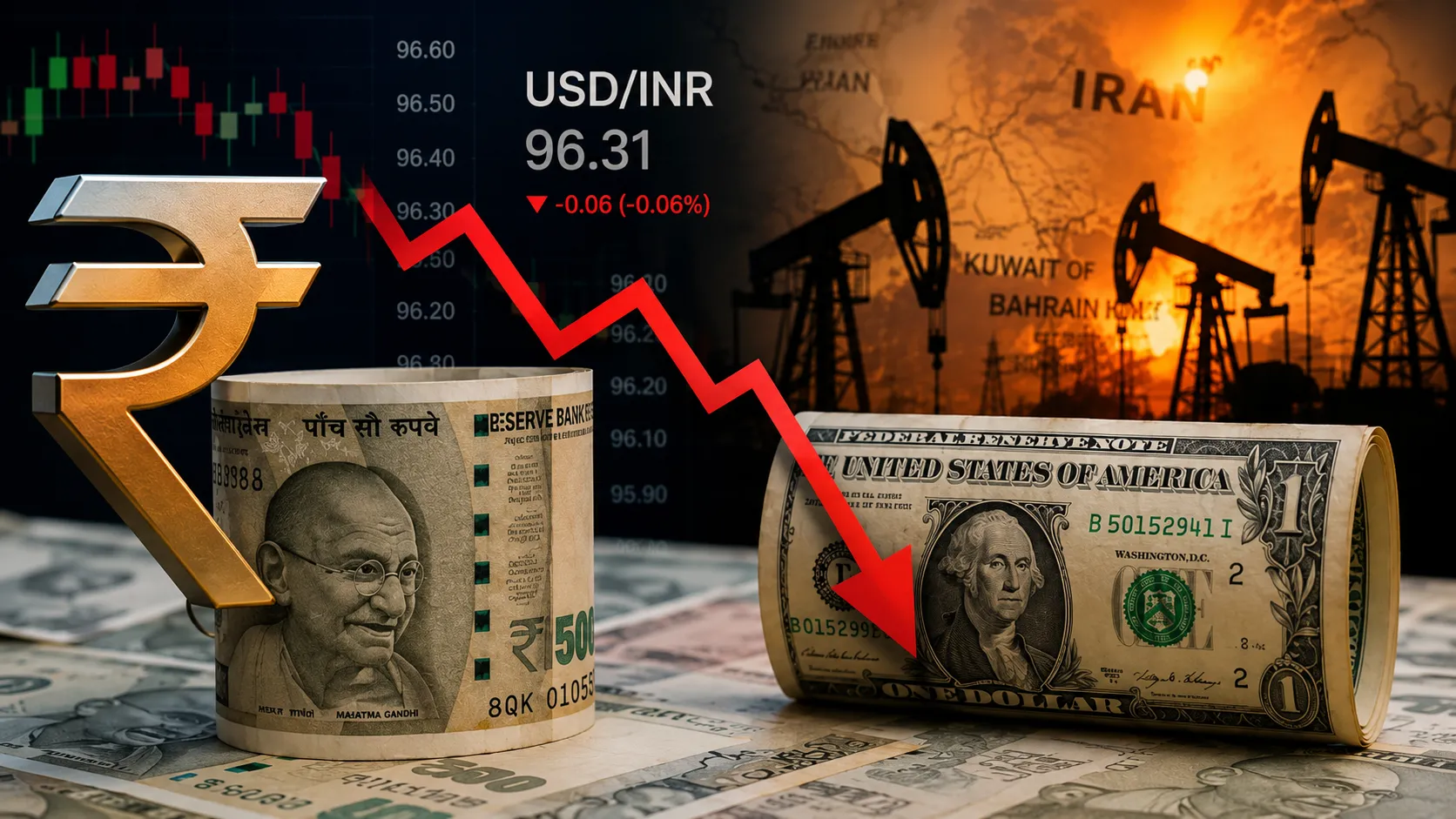
On July 24, specifically, USD/INR was observed slipping toward the 96.50 level, with the Reserve Bank of India seen intervening by selling dollars around the 96.80 level in an effort to moderate the pace of the currency's decline — an early instance of the same defensive intervention pattern that would, days later, evolve into the much larger and more decisive RBI action that ultimately helped drive the rupee's sharp rebound on July 27. At the time of that mid-week intervention, market analysts noted that higher oil prices amid the renewed US-Iran tensions and the Red Sea chokepoint closure were expected to continue weighing on the rupee in the near term, suggesting the currency's path to any meaningful recovery would likely depend on developments well beyond India's own domestic monetary policy levers.
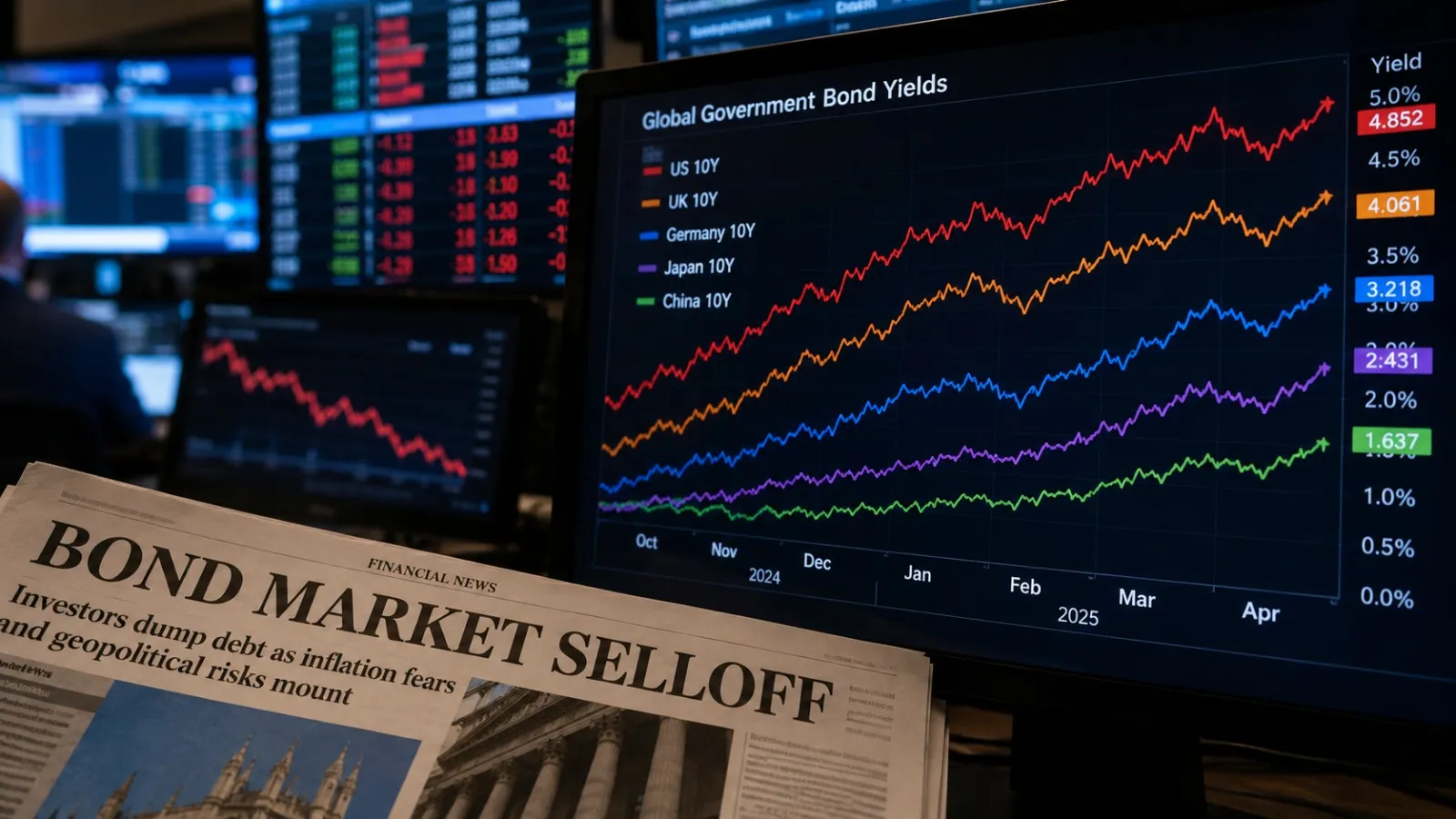
Compounding the pressure from the oil price side was a parallel set of dynamics unfolding in US monetary policy expectations, which were simultaneously reinforcing broader US dollar strength and encouraging a degree of risk aversion across global currency markets more generally. US Treasury yields were hovering near 4.70 per cent during this period, a level that reflects meaningfully tightened financial conditions and tends to draw global capital toward dollar-denominated assets in search of yield, at the direct expense of capital flows into emerging market currencies including the rupee. Adding further weight to dollar strength, the probability market participants assigned to a Federal Reserve interest rate hike had jumped to 35.8 per cent during this window — a meaningful shift in rate expectations that reinforced the broader case for continued near-term US dollar strength, and correspondingly added to the headwinds facing the rupee and other emerging market currencies navigating the same global macro backdrop.
This combination of pressures — rising oil prices driven by genuine geopolitical supply disruption on one front, and a strengthening US dollar driven by shifting Federal Reserve rate expectations on the other — represented a particularly difficult combination for the rupee to absorb, precisely because the two forces were reinforcing rather than offsetting one another. In many historical episodes of rupee pressure, a rise in oil prices driven by geopolitical tensions has sometimes been at least partially offset by a corresponding "flight to safety" dynamic that can, under certain conditions, actually support emerging market currencies with strong underlying fundamentals. In this instance, however, the simultaneous strengthening of the US dollar on its own separate monetary policy trajectory meant the rupee faced pressure on both fronts at once, without the kind of natural internal offset that might otherwise have moderated the currency's decline.
The RBI's response to this building pressure through the latter half of July illustrates the central bank's broader approach to currency management during periods of genuine external stress. Rather than allowing the rupee to depreciate in an uncontrolled or excessively volatile manner, the central bank engaged in a series of what market participants characterised as defensive interventions — selling dollars at specific technical levels, such as the 96.80 mark observed on July 24, in an apparent effort to establish informal resistance points that would help moderate the pace and magnitude of the currency's decline, even if the RBI's actions were not necessarily intended, or able, to fully reverse the underlying pressure stemming from genuinely adverse external conditions in global oil and currency markets.
This pattern of graduated, defensive intervention through the pressure-building phase of mid-to-late July stands in useful contrast to the much larger, more decisive intervention the RBI ultimately deployed once market conditions turned more favourable on July 27, when falling crude prices and a retreating dollar index gave the central bank an opportunity to intervene not merely defensively, but affirmatively, in a manner that could meaningfully amplify a favourable market move already underway rather than simply slowing an unfavourable one. Taken together, these two distinct phases of RBI activity — defensive dollar sales during the pressure-building period around July 24, followed by more aggressive, opportunistic dollar sales once conditions improved around July 27 — illustrate the kind of active, continuously adjusting currency management approach the central bank has increasingly adopted in navigating a genuinely volatile external environment through the middle of 2026.
For businesses and investors navigating this period, the practical lesson embedded in the rupee's journey from roughly 96.50 in the pressure-building phase of late July to its subsequent sharp rebound just days later is one of genuine, ongoing sensitivity to a relatively narrow set of external variables: the trajectory of global crude oil prices, itself heavily influenced by the state of geopolitical tensions across West Asia and the operational status of key shipping corridors like the Red Sea chokepoint; the evolving path of US monetary policy and the resulting strength or weakness of the broader US dollar index; and the scale and timing of the RBI's own interventions, which have shown themselves capable of meaningfully amplifying currency moves in either direction depending on prevailing market conditions. With all three of these variables remaining subject to continued uncertainty as of late July, market participants broadly expect the rupee's near-term trajectory to remain unusually sensitive to incremental news on any one of these fronts, rather than settling into the kind of calmer, more range-bound trading pattern the currency had exhibited during earlier, less geopolitically turbulent stretches of the year.