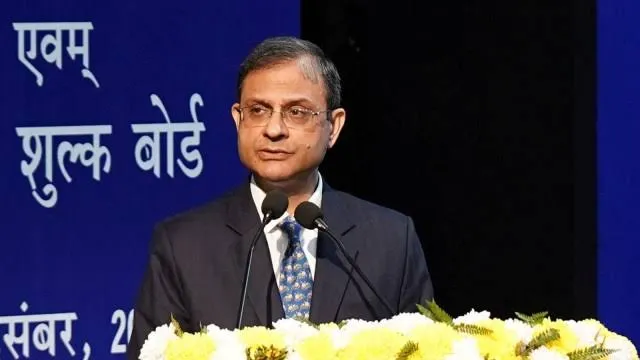
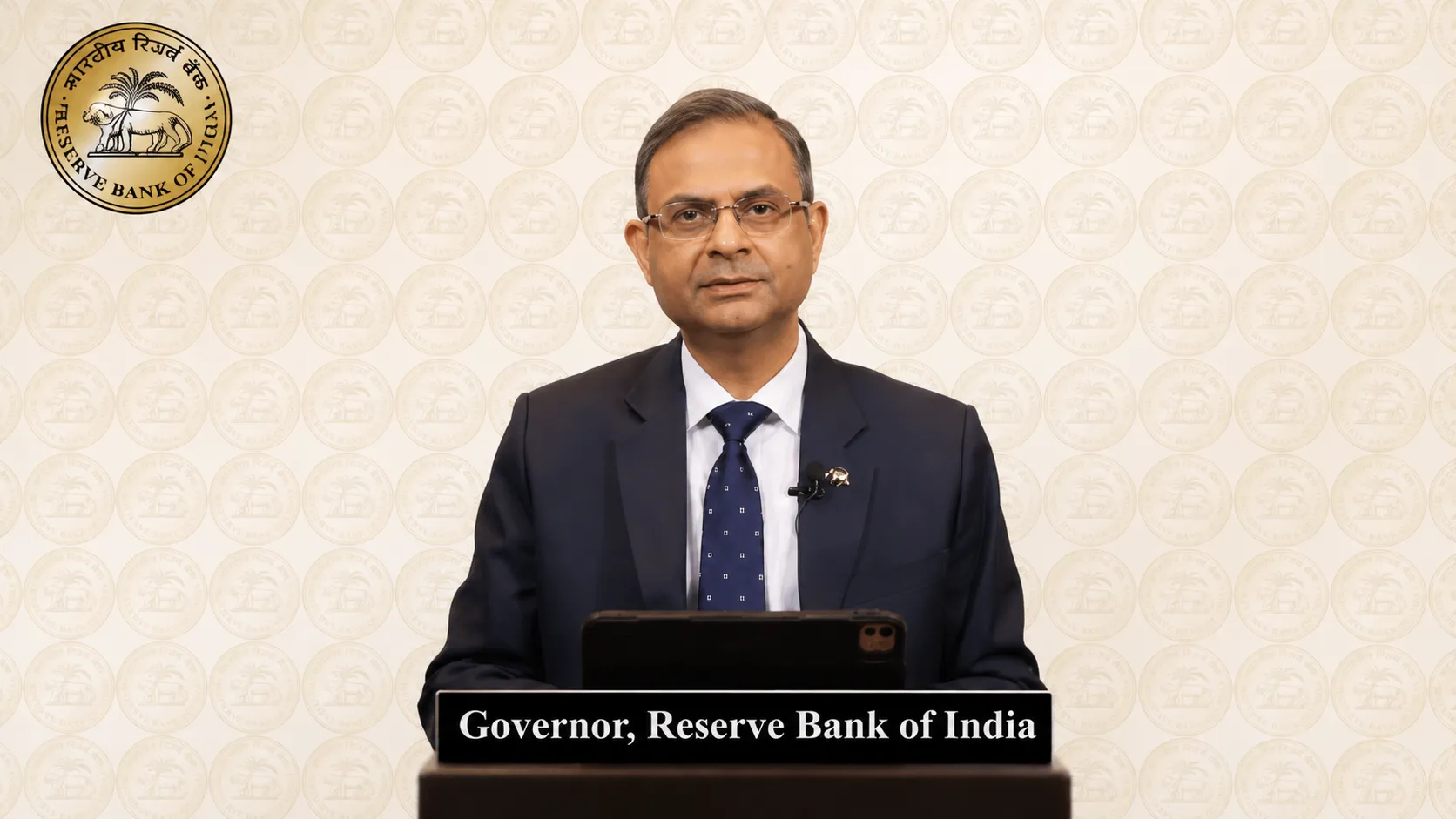
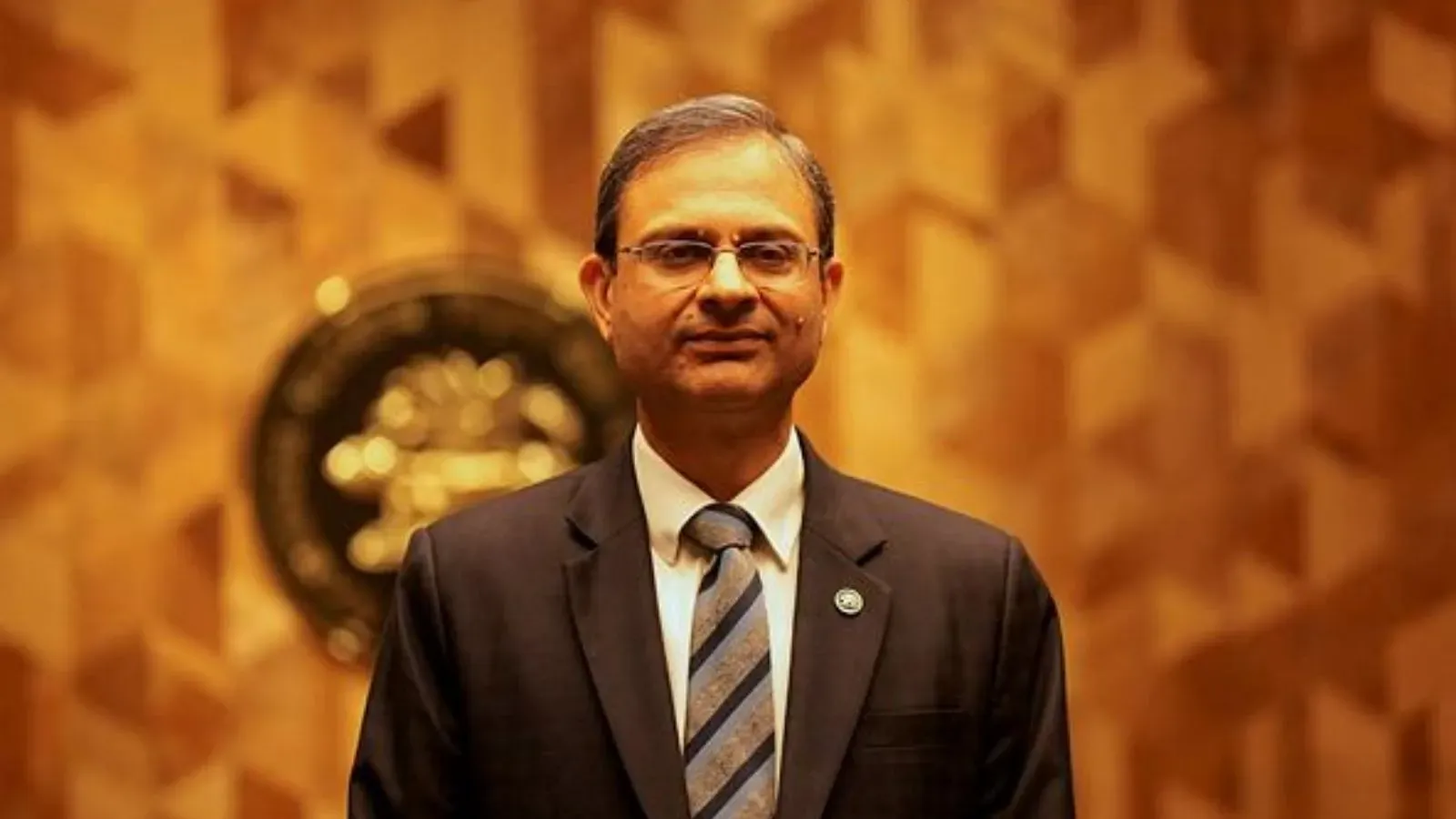
For three days this week, six of the most consequential economists in India have been sequestered in deliberations that will shape the borrowing costs of everyone from home-loan applicants in Lucknow to corporate treasurers in Mumbai. The Reserve Bank of India's Monetary Policy Committee, chaired by Governor Sanjay Malhotra, began its bi-monthly review on Monday, August 3, 2026, and will deliver its verdict on Wednesday, August 5 — a decision that, more than most in recent memory, arrives at a genuinely uncertain crossroads for the Indian economy.
At 10 am on Wednesday, Malhotra will step before cameras to announce whether the benchmark repo rate — currently pegged at 5.25% — will hold steady, move up, or come down. A press conference will follow at noon, streamed live on the RBI's website, YouTube channel and X handle, an increasingly elaborate piece of financial theatre that reflects just how closely markets, borrowers and policymakers alike now track the central bank's every signal.
The overwhelming consensus among economists, however, is that the theatre will end in anticlimax — at least as far as the headline number is concerned. Most large brokerages and research houses, including SBI Research, Bank of Baroda, Crisil and PL Capital, expect the MPC to hold the repo rate unchanged at 5.25% for a fourth consecutive meeting, extending a pause that began after the last cut in December 2025, when the RBI trimmed rates by 25 basis points from 5.5%.
But a unanimous hold on the headline number would obscure what is actually a far more layered and closely contested set of judgment calls happening inside the MPC's meeting room. This August review lands at a moment when India's two central macroeconomic indicators — growth and inflation — are pulling the central bank in opposite directions with unusual force, and the Governor's language on Wednesday will matter almost as much as the rate itself.
Start with inflation. At its June meeting, the RBI made a notable and somewhat uncomfortable revision: it raised its retail inflation forecast for FY27 to 5.1%, up sharply from an earlier estimate of just 4.6%. The upward revision was driven largely by mounting input costs, as higher global energy prices worked their way through to retail petrol and diesel rates — a direct consequence of the volatility triggered by the ongoing conflict in West Asia. Layered on top of that is a more seasonal concern: food prices have begun climbing again, a pattern typically associated with monsoon-related supply disruptions, adding further upward pressure on the headline CPI print in the months ahead.
Set against that inflationary backdrop is a growth picture that, on the surface, looks considerably healthier than many analysts expected even a few months ago. According to D.K. Srivastav, Chief Policy Advisor at EY India, first-quarter GDP growth for FY27 is expected to land somewhere between 7.1% and 7.3% — comfortably ahead of the RBI's own full-year projection of 6.6%, a figure the central bank had already trimmed down from an earlier estimate of 6.9% in April, citing the drag from geopolitical tensions. SBI Research has gone even further, suggesting that Q1 FY27 GDP growth could exceed 7%, a number that would represent a meaningfully stronger start to the fiscal year than policymakers had budgeted for as recently as June.
This is precisely the kind of macroeconomic configuration that tends to produce cautious, wait-and-watch central banking rather than decisive action in either direction. Strong growth numbers would ordinarily embolden a central bank to consider tightening policy to keep inflation in check; but with inflation already running above the RBI's own medium-term comfort zone and expected to stay elevated for at least the next two quarters, according to SBI Research, the case for an outright rate hike remains weak, especially given how much of the inflationary pressure is being imported through global energy markets rather than generated by domestic demand overheating.
At the same time, the case for a rate cut — which would ordinarily be the RBI's preferred lever to support growth — is undermined by the fact that growth doesn't currently need supporting. With Q1 FY27 output tracking well above trend and domestic economic activity, in the words of Bank of Baroda's Chief Economist Madan Sabnavis, continuing to show signs of strengthening, there is little immediate justification for the central bank to loosen policy and risk adding fuel to an inflation trajectory that is already inconveniently elevated.
That leaves the MPC in what most seasoned RBI-watchers describe as a holding pattern — not because the central bank lacks conviction, but because the underlying data genuinely supports patience over action. Sabnavis has been explicit about the source of that patience: with no clarity on when the West Asia conflict will end, he argues, crude oil prices and currency movements will remain volatile and difficult to forecast with any confidence, making this precisely the wrong moment for the RBI to lock in a directional bet on rates that could be overtaken by events within weeks.
Dipti Deshpande, Senior Director and Principal Economist at Crisil, has offered a similar diagnosis, suggesting the RBI may simply prefer to wait for greater clarity on how the prolonged West Asia conflict and this year's monsoon pattern ultimately play out before committing to any shift in its policy stance. It is a view echoed almost universally across the analyst community heading into Wednesday's announcement: this is a moment for data-dependence, not conviction.
Governor Malhotra himself has leaned into this framing in his public remarks accompanying the start of the MPC's deliberations. Describing the broader global backdrop, he noted that the past several months have been shaped by heightened uncertainty, disruptions to key trade routes and supply chains, increased market volatility and cautious business sentiment worldwide — language that reads less like an argument for any specific policy action and more like an explanation for why decisive action of any kind carries elevated risk right now. Notably, Malhotra also struck a note of relative confidence about India's own position within that uncertain global picture, suggesting the country is better placed than in previous episodes of external shocks to manage global headwinds — a signal that, whatever caution the RBI exercises on rates, it is not doing so out of any deep anxiety about India's underlying resilience.
For ordinary borrowers, the practical stakes of Wednesday's announcement are more modest than the market build-up might suggest, precisely because a hold is so widely expected and, to a significant degree, already priced into lending rates across the banking system. Home loan EMIs, for instance, are unlikely to move meaningfully either way if the repo rate simply stays where it is — though for the roughly 60% of respondents in a recent Business Standard poll who expect a hold, versus the smaller cohort betting on a surprise 25 basis point cut, the difference between those two outcomes could still translate into real monthly savings for large-ticket borrowers on repo-linked floating rate loans.
There is also a structural dimension to Wednesday's decision that extends well beyond the immediate rate call. The RBI's Monetary Policy Committee operates on a bi-monthly cycle precisely so that policy can be recalibrated regularly against incoming data rather than locked in for extended periods, and August's meeting — sandwiched between a June review that already flagged rising inflation risk and whatever comes in the October cycle — is as much about setting the tone and expectations for the rest of FY27 as it is about the specific number announced on Wednesday. Malhotra's commentary during the noon press conference, in particular his language around the trajectory of food prices, crude oil-linked inflation risk, and the durability of the current growth momentum, will likely carry as much market-moving weight as the headline rate decision itself.
Markets, for their part, appear to have broadly made peace with the likelihood of a fourth consecutive hold. Indian equity benchmarks have rallied strongly in the days leading into the MPC's deliberations, with the Sensex extending gains for a fourth straight session and touching its highest level since April 21, aided in large part by a sharp decline in crude oil prices tied to easing fears of an imminent escalation in the Iran standoff. That rally suggests investors are, for now, more focused on the receding risk of an oil-driven inflation shock than on any near-term prospect of RBI easing — a dynamic that could shift quickly if Wednesday's commentary strikes a more hawkish or dovish tone than currently anticipated.
What happens after Wednesday may ultimately matter more than the announcement itself. With the RBI's own inflation forecast sitting at 5.1% for the full fiscal year — comfortably above its medium-term target band — and growth tracking well ahead of expectations, the central bank finds itself with genuinely limited room to manoeuvre in either direction over the coming months. A further escalation in the West Asia conflict, a sharper-than-expected spike in food prices during the ongoing monsoon season, or a meaningful softening in growth data could each, in isolation, be enough to tip the MPC's calculus one way or the other by the time it reconvenes in October. For now, though, the message from India's rate-setters appears to be one of studied patience: hold steady, watch closely, and wait for the fog — both meteorological and geopolitical — to clear before making the next move.
It is worth situating this August review within the RBI's own recent rate-setting history, because the trajectory over the past year illustrates just how much the central bank's posture has already shifted. The current 5.25% repo rate is itself the product of a rate-cutting cycle that began in earnest in late 2025, when the MPC reduced rates from 5.5% in a unanimous December decision, having previously delivered three consecutive cuts earlier in the year that brought the rate down from a peak of 6.5% in February 2025. That cutting cycle was driven at the time by comfortably benign inflation readings — as low as 2.1% in June 2025 by some measures — that gave policymakers ample room to prioritise growth support. The subsequent reversal in the inflation trajectory over the first half of 2026, driven substantially by the West Asia conflict's impact on global energy prices, effectively closed that window, and explains why the MPC has now held rates steady across three consecutive reviews rather than continuing to ease.
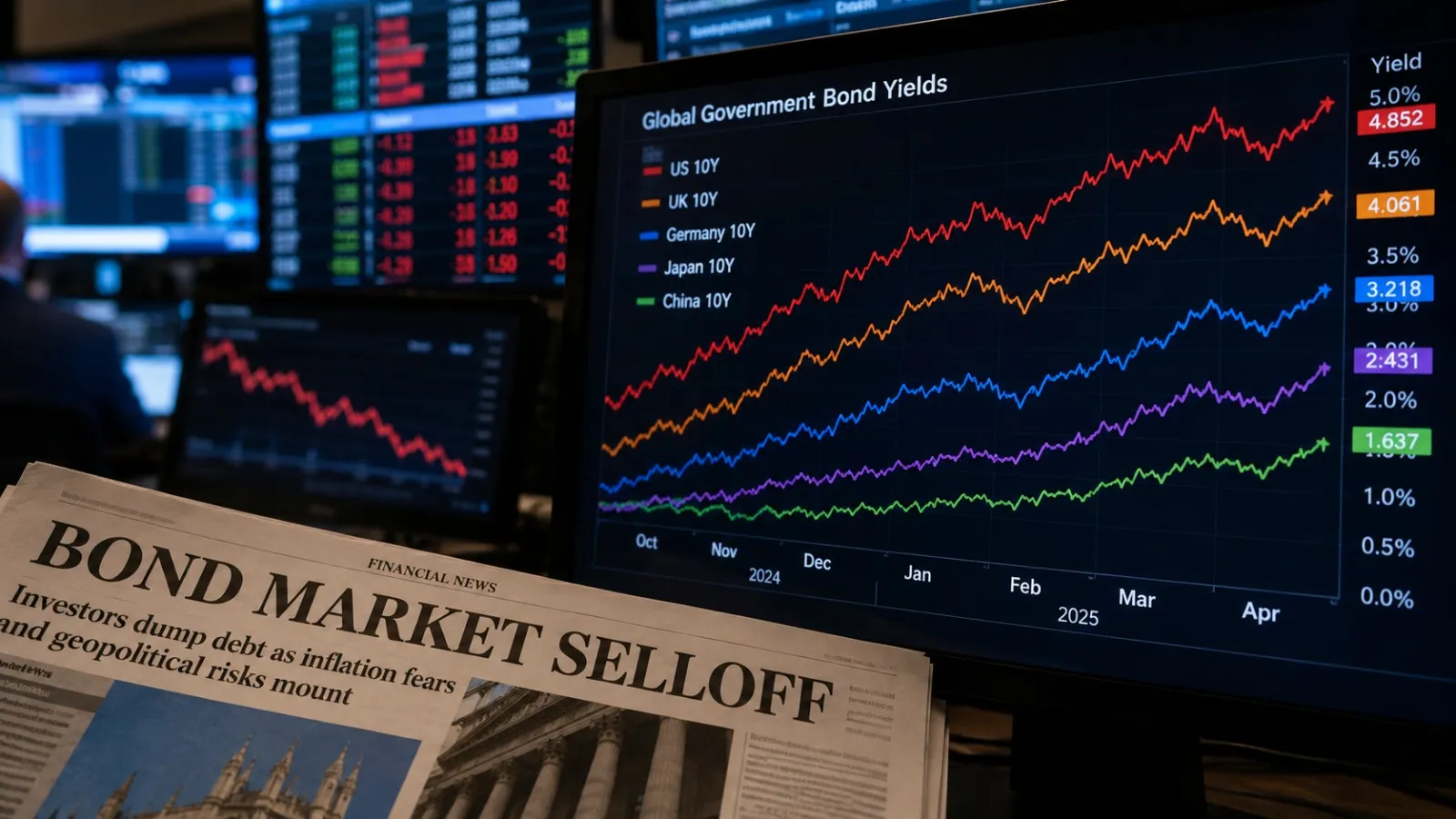
Bond markets, for their part, have already begun pricing in an extended pause. Yields on benchmark government securities have shown relatively limited movement in the days leading into this week's announcement, a sign that fixed-income investors, much like the equity market, have largely converged on the expectation of a fourth consecutive hold. Any meaningful surprise on Wednesday — whether a hawkish shift in language suggesting the MPC is contemplating tightening, or conversely a dovish surprise cut aimed at supporting growth momentum — would likely trigger a considerably sharper reaction in debt markets than in equities, given how thoroughly a hold scenario appears to already be baked into current bond pricing.
The stakes of Wednesday's announcement also extend into the corporate sector, where treasury teams at India's largest borrowers have spent recent weeks running their own internal scenario planning around the MPC outcome. For companies carrying meaningful floating-rate debt exposure, even a hold decision carries information value, insofar as Malhotra's accompanying commentary on the future rate trajectory will shape corporate borrowing and hedging decisions over the following two-month cycle until the RBI's next scheduled review. A press conference that leans toward flagging persistent inflation risk, for instance, would likely be read by corporate treasurers as a signal to lock in current borrowing costs rather than wait for cuts that may now be pushed further out into FY27.
Ultimately, Wednesday's announcement will be parsed by three distinct audiences with three different sets of concerns: retail borrowers checking whether their EMIs are about to change, equity and bond market participants recalibrating portfolios around the Governor's forward guidance, and a broader policy community assessing whether the RBI's current framework of cautious, data-dependent patience remains the right approach for an economy caught between resilient growth and stubbornly elevated inflation. All three will be watching the same clock tick toward 10 am on August 5.
This report is based on statements from RBI Governor Sanjay Malhotra, the central bank's official MPC schedule and inflation and growth projections, and commentary from economists at SBI Research, Bank of Baroda, Crisil and EY India.