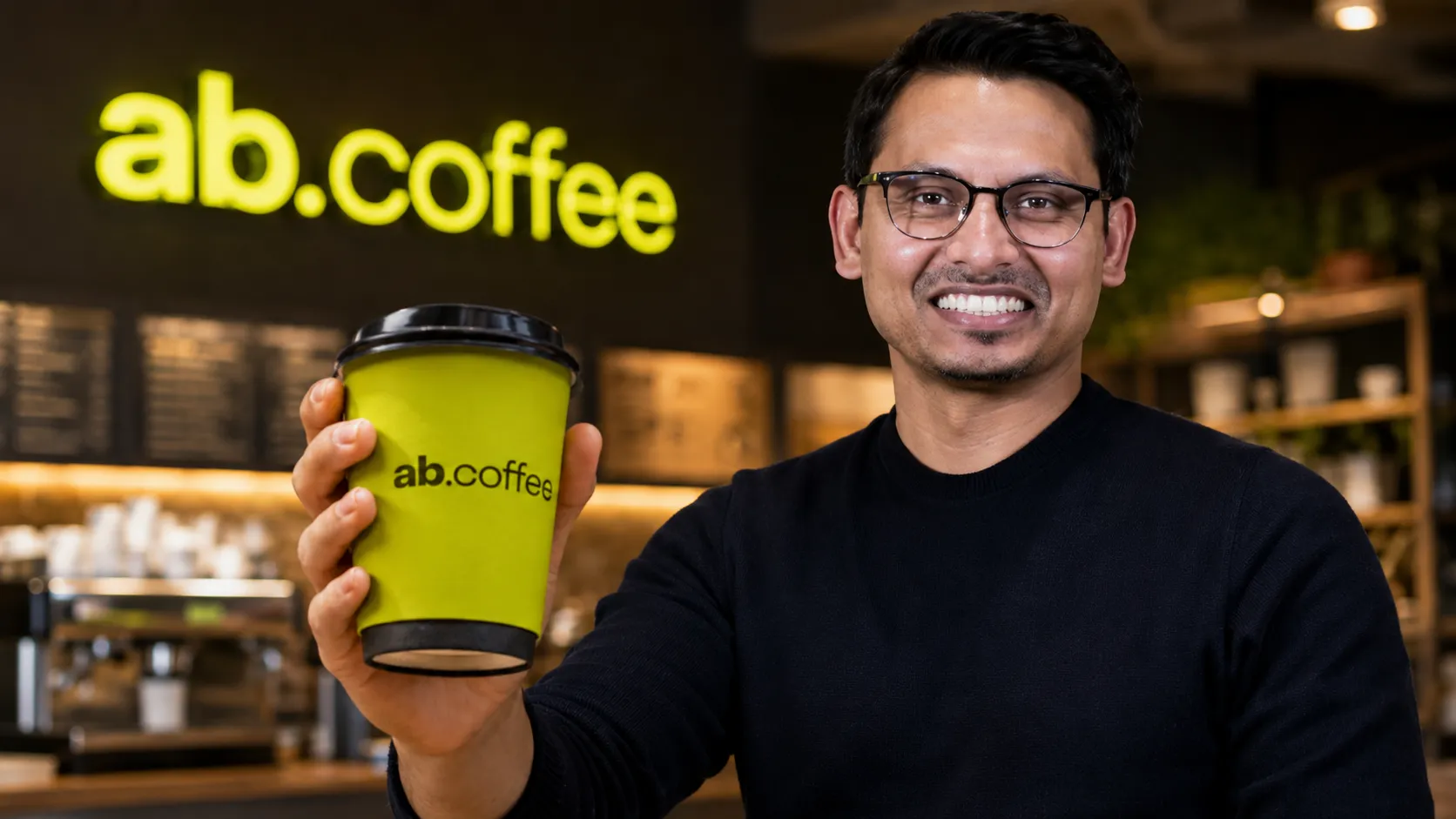
There is a new coffee war brewing in India, and it is not happening inside air-conditioned cafés with couches and free Wi-Fi. It is happening at metro exits, office lobbies, and college canteens — and Abcoffee is winning. The tech-enabled grab-and-go coffee chain has just raised ₹61 crore in a pre-Series B funding round led by Kliff Ventures, with participation from existing investors. To make the news even sweeter, the startup also announced that it doubled its revenue in FY26.
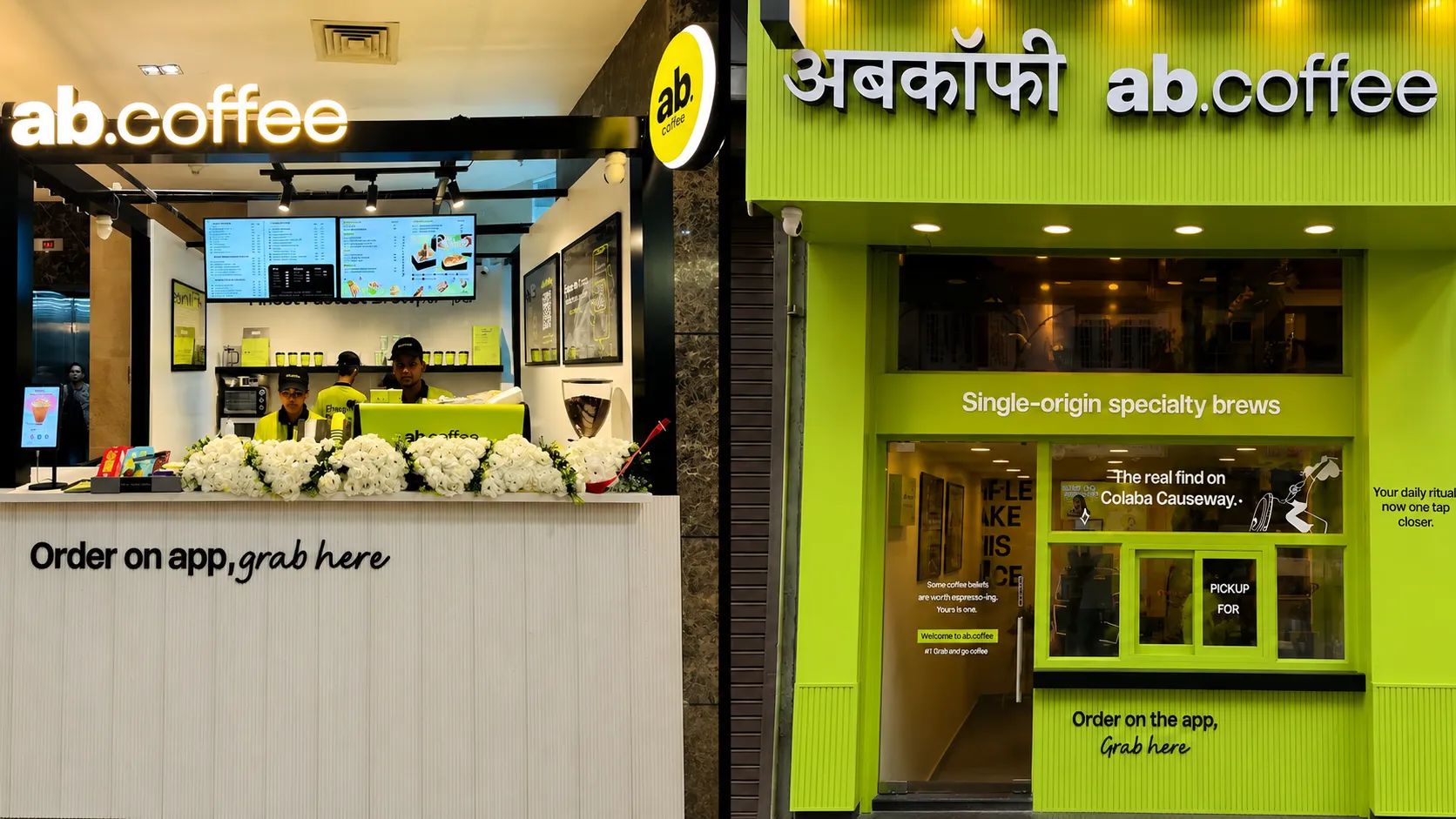
So what exactly is Abcoffee? Unlike traditional coffee chains like Starbucks, Cafe Coffee Day, or Blue Tokai that operate large-format cafés with seating, restrooms, and higher overhead costs, Abcoffee runs small kiosks — usually no bigger than a food truck or a metro ticket counter. Customers can order ahead through an app or scan a QR code at the kiosk, pay digitally, and grab their coffee in under two minutes. No waiting, no small talk, no pressure to buy a muffin. Just coffee, fast.
The model is deceptively simple but operationally clever. By eliminating seating and reducing staff requirements, Abcoffee can operate in high-rent, high-footfall locations that would never make sense for a traditional café. A Starbucks needs 500 square feet and ten employees. Abcoffee needs 50 square feet and two people. That difference in cost structure means Abcoffee can price its coffee aggressively — often 30 to 40 percent cheaper than café chains — while still making healthy margins.
The timing is perfect for India's changing coffee culture. For decades, India was a tea-drinking nation. But the last five years have seen a dramatic shift, especially among young urban professionals and college students. Coffee is no longer a "sometimes" drink; it is a daily necessity. However, most Indians still do not have the time or money to sit in a café for an hour. They want a good cup of coffee on their way to work, between classes, or while waiting for a train. That is exactly the customer Abcoffee is chasing.
The ₹61 crore pre-Series B round led by Kliff Ventures is a major endorsement. Kliff Ventures has backed several successful consumer brands in India, and their involvement suggests Abcoffee's unit economics and growth metrics passed serious scrutiny. The fact that existing investors also participated shows confidence from people who have seen the numbers up close.
But the headline that will catch everyone's attention is the revenue number. Abcoffee claims to have doubled its revenue in FY26. In a crowded and competitive food and beverage market, that kind of growth is rare. It tells you two things: first, that the grab-and-go model is resonating with customers, and second, that Abcoffee has figured out how to scale without breaking its economics.
The fresh capital will be used to expand Abcoffee's footprint from its current locations to over 200 kiosks across India within the next 18 months. Priority targets include metro stations, corporate parks, IT campuses, hospitals, and college areas — anywhere with high foot traffic and time-pressed customers. A portion of the funds will also go toward developing proprietary coffee brewing technology to ensure consistency and speed across all locations.
For Gen Z readers, Abcoffee probably feels obvious. Of course coffee should be fast and cheap. Why would you spend ₹300 and 45 minutes for something you can get in two minutes for ₹120? That is exactly the generational shift that Abcoffee is riding. Millennials made café culture cool. Gen Z is making grab-and-go the new normal.
The bottom line is simple: India's coffee market is growing fast, and the old models cannot keep up. Abcoffee is betting that speed, affordability, and technology will win over sofas and free Wi-Fi. With ₹61 crore in fresh funding and revenue growth that proves the point, that bet is looking smarter by the day.