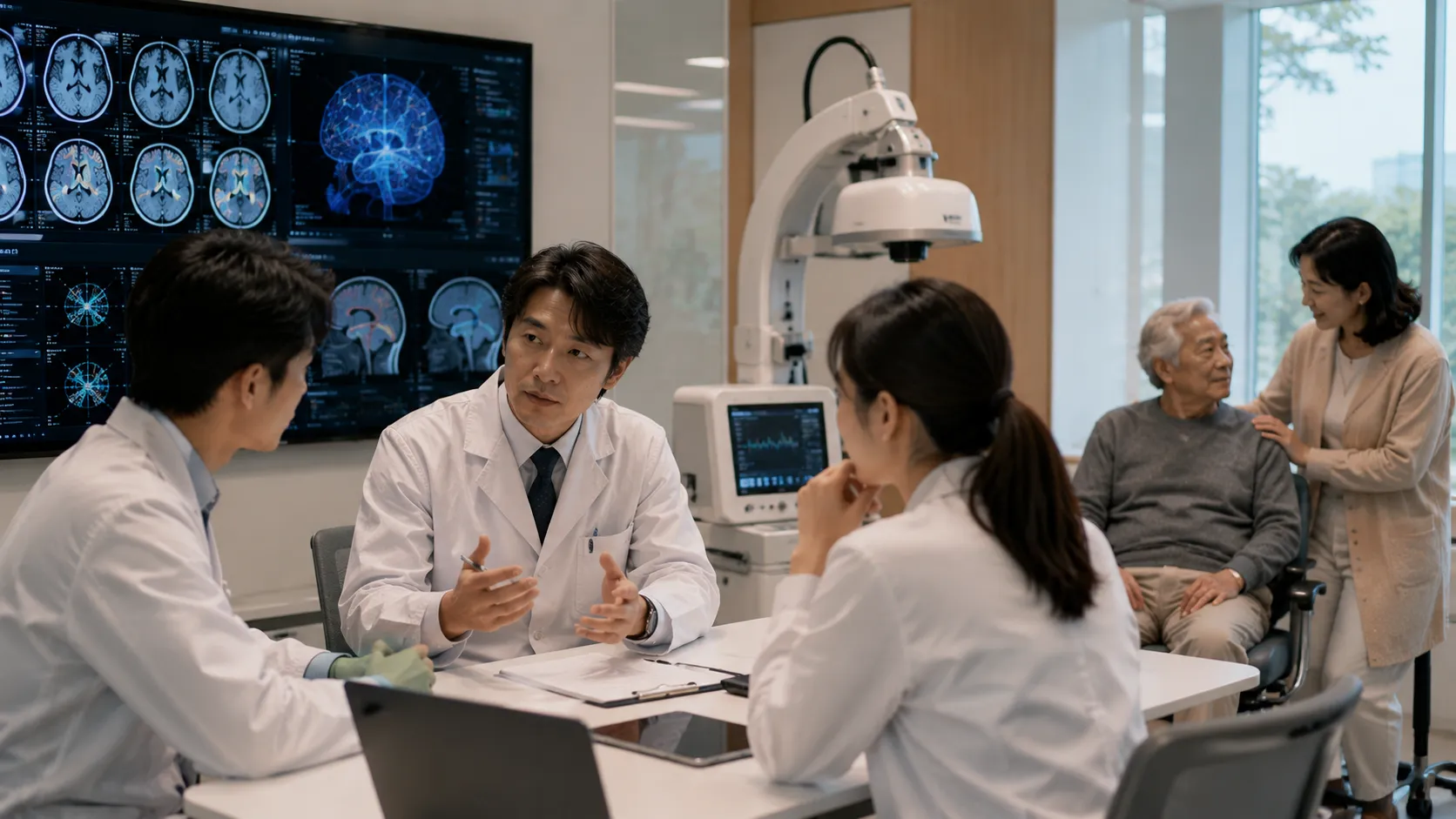
One Of Healthcare’s Toughest Challenges Is Attracting New Investor Attention
For decades, Alzheimer’s disease represented one of medicine’s most difficult and emotionally complex frontiers. While healthcare transformed dramatically across fields ranging from cancer treatment to cardiovascular care, progress surrounding neurodegenerative diseases often appeared slower, more uncertain and deeply challenging. Families navigating Alzheimer’s frequently describe an experience extending far beyond medical treatment itself. The disease gradually reshapes memory, independence and relationships, creating realities that affect caregivers and entire support systems alongside patients. As populations continue aging globally, the challenge increasingly extends beyond healthcare systems and enters broader conversations involving social infrastructure, caregiving and quality of life.
Against that backdrop, investors are beginning to place new bets on technologies attempting to approach neurological care differently. Japanese medical startup Sound Wave Innovation recently raised approximately ¥2.65 billion ($16.7–17 million) in fresh funding led by Singapore-based venture capital firm iGlobe Partners, alongside existing investors including Fiducia and Sumitomo Heavy Industries. The newly raised capital will primarily support ongoing clinical trials expected to conclude later this year. While compared with large AI or software rounds the amount may appear modest, healthcare funding frequently operates differently. In biotechnology and medical research ecosystems, funding rounds often represent confidence in scientific possibilities rather than rapid scaling narratives.
The larger significance of this investment may therefore extend beyond one company. Increasingly, it signals that investors appear willing to support alternative approaches around diseases historically viewed as exceptionally difficult research environments.
Alzheimer’s Innovation Is Gradually Moving Beyond Traditional Drug Development Models
For years, many Alzheimer’s treatment efforts centered heavily around pharmaceutical pathways. Researchers frequently pursued therapies targeting proteins such as amyloid plaques and tau accumulations, which have long been associated with disease progression. While recent years brought important developments involving new drugs and regulatory approvals, conversations surrounding effectiveness, affordability and long-term patient outcomes continued shaping broader healthcare debates.
Increasingly, however, researchers appear interested in widening the conversation beyond medicine alone.
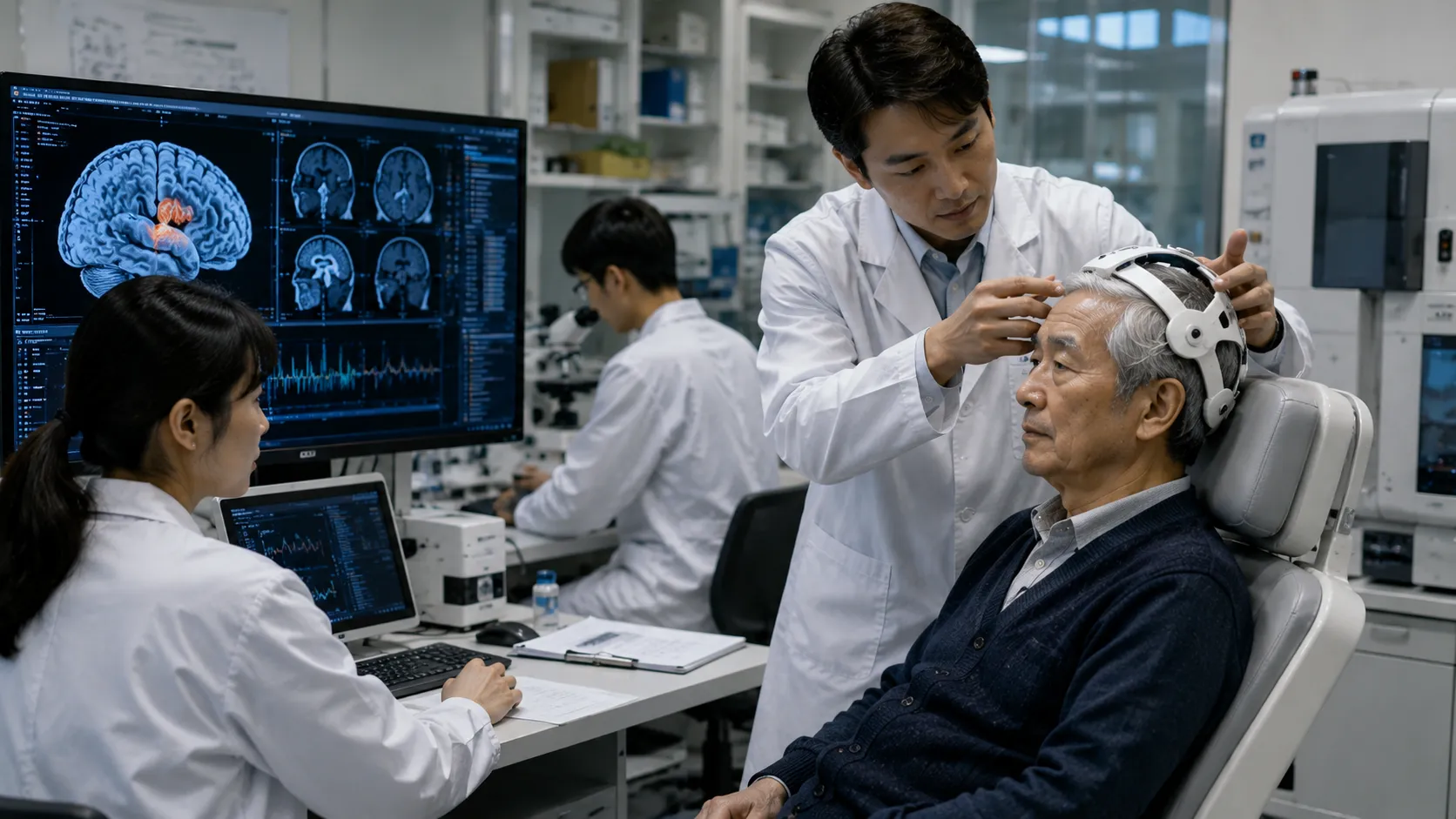
Sound Wave Innovation is developing a low-intensity pulsed ultrasound therapy called LIPUS-Brain, a non-invasive approach intended for early-stage Alzheimer’s treatment. Researchers believe the therapy may help improve cerebral blood flow and influence biological mechanisms associated with disease progression. The company’s exploratory studies previously demonstrated encouraging safety results and the technology received “Breakthrough Medical Device” designation from Japan’s Pharmaceuticals and Medical Devices Agency in 2022. The ongoing pivotal trial, launched in 2023, is expected to conclude by the end of 2026.
This matters because broader healthcare thinking around neurological disease increasingly appears to be evolving. Rather than relying entirely on traditional pharmaceutical approaches, emerging research environments increasingly combine neuroscience, engineering and medical technology in attempts to create new treatment pathways.
The shift itself reflects a larger idea quietly gaining traction within healthcare: future treatment systems may increasingly emerge through interdisciplinary innovation rather than one category alone.
Investors Increasingly Appear Willing To Revisit Brain Health Technologies
Historically, neurological diseases often represented difficult investment environments. Development timelines frequently extended across years, treatment uncertainty remained high and scientific outcomes often proved difficult to predict. As a result, many investors approached neurodegenerative categories cautiously compared with other healthcare sectors.That pattern increasingly appears to be changing.
Across healthcare ecosystems globally, investors continue showing stronger interest in neurotechnology, brain-health platforms and therapeutic systems involving neurological disorders. Improved diagnostic tools, stronger computing capabilities and advances involving AI-supported healthcare research increasingly create environments where neurological innovation appears more commercially viable than before.
The broader Alzheimer’s market itself continues attracting renewed attention. Multiple healthcare companies globally have expanded research efforts involving therapies designed to slow progression, improve patient outcomes and create earlier intervention possibilities. While significant questions remain surrounding long-term effectiveness and accessibility, one larger signal increasingly appears visible: investors now seem willing to revisit areas previously considered too difficult or uncertain.
The implications extend beyond funding activity itself.Because when investor behavior changes, it frequently reflects changing assumptions around what kinds of healthcare problems may become solvable.
Japan’s Aging Population Is Quietly Creating A Different Healthcare Innovation Story
Part of the broader significance surrounding Sound Wave Innovation also reflects Japan’s unique healthcare context. Japan continues to have one of the world’s oldest populations, making aging-related conditions increasingly central to healthcare planning and innovation strategies. Neurodegenerative diseases therefore represent not only scientific challenges but also larger demographic and economic concerns.
Historically, Japan built strong positions across pharmaceuticals and medical technology. Increasingly, however, the country appears interested in strengthening startup ecosystems capable of translating scientific research into scalable healthcare businesses.
The relationship itself is becoming increasingly important because aging societies frequently create pressure points that eventually shape healthcare innovation. Conditions influencing memory, cognition and long-term care requirements increasingly affect healthcare infrastructure itself.
As a result, companies such as Sound Wave Innovation are operating inside environments where medical necessity and technological experimentation increasingly intersect.
Why This Story Extends Beyond One Funding Round
The broader significance of Sound Wave Innovation’s funding story may ultimately involve what it reveals about how healthcare innovation itself is changing.
Historically, Alzheimer’s conversations frequently centered around limitations — limited treatments, difficult pathways and uncertain outcomes. Increasingly, however, the conversation appears to be shifting toward experimentation and broader possibilities.Healthcare revolutions rarely arrive through one breakthrough moment.They often emerge gradually through multiple smaller advances, new technologies and people willing to fund ideas that once appeared uncertain.
And sometimes, a funding round represents belief not simply in a company.